Begin with the people who keep the bees
Gombizau is a village beekeeping stop on the road journeys that connect the Kudat area with other northern Sabah communities. Sabah Tourism describes visitors observing honey production and learning about the bees, while its northern itinerary also includes honey tasting in the Gombizou area. Arrange the visit with a particular host so that you know where to meet and what can be demonstrated that day. A village name alone does not identify every farm entrance or establish that someone will be available whenever you arrive.
Watch before approaching a hive
Let the beekeeper introduce the site and explain where visitors should stand. Ask which bees are being kept and how the type of hive affects the work. Different farms or demonstrations may involve different bees; do not assume that every colony is stingless because a nearby experience describes stingless honey. Follow the host’s instructions about distance, handling and photography. Keep children close and explain beforehand that this is a working place with living insects. Opening a hive or collecting honey depends on the beekeeper’s judgement and conditions, rather than a performance visitors can demand.
Taste with questions in mind
If tasting is offered, ask where the honey comes from and how it is collected and stored. Comparing flavour or texture can make the explanation memorable without treating one sample as representative of all Sabah honey. Tell the host about dietary restrictions before accepting food. Purchase decisions can follow questions about the producer, container size and packing for your onward journey. Buy honey for its taste and the producer’s work, and be cautious about assuming that informal health claims describe a proven benefit. Availability and the products offered may vary.
Ask about the wider working landscape
The tourism authority also describes rubber trees and demonstrations of tapping and processing at the village. Ask whether this is available during your visit and whether it needs a separate arrangement. Observing a task can add context to local livelihoods, but a description of several activities does not guarantee that all are running together. Stay on the route shown by your host and avoid handling tools or plants without permission. A small group that listens and leaves time for questions can make a more rewarding visit than a hurried photographic stop.
Link the visit to a northern journey
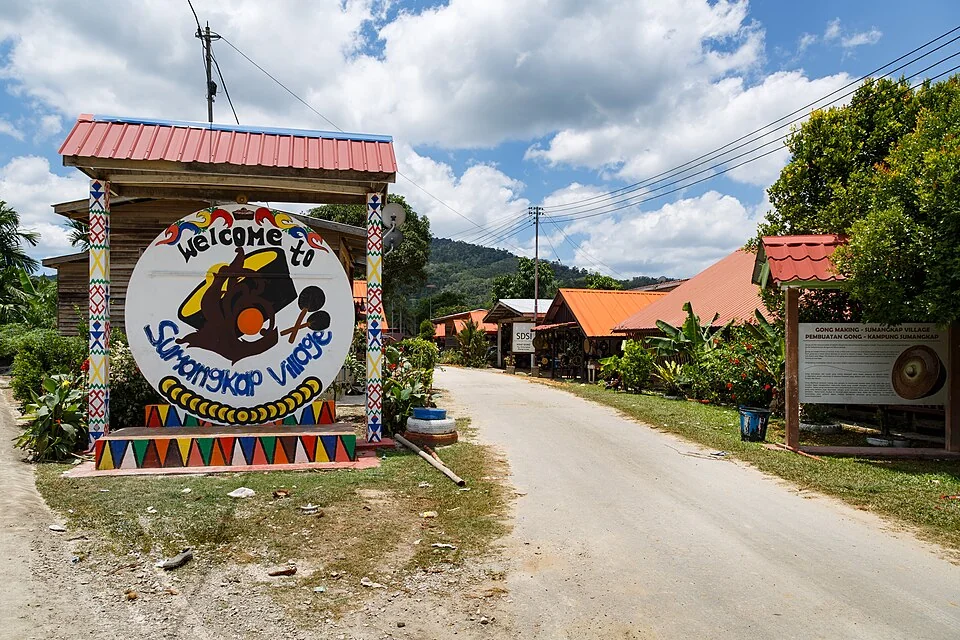
Use Kudat as a planning base while checking the exact meeting point around Matunggong. Confirm the current fee, language and likely visit length with the host, and arrange both arrival and onward transport. Other cultural stops, including gong making and Rungus longhouse visits, have their own arrangements. Choose a manageable combination rather than assuming they form one continuous admission ticket. Leave room for road travel and conversations, particularly if you hope to return to Kudat or continue to the coast the same day.