
Culture
Muhammad Haris · Wikimedia Commons · CC BY-SA 4.0 · Cropped · OriginalBanjar Community and Language
South KalimantanExplore a living provincial culture through language, river trade, food and craft.

28 discoveries
Explore a living provincial culture through language, river trade, food and craft.

Cap Go Meh brings a different rhythm to Singkawang: processions, religious practice and a wider programme of community celebrations. Plan for the event itself, while leaving room to discover the city beyond its busiest streets.
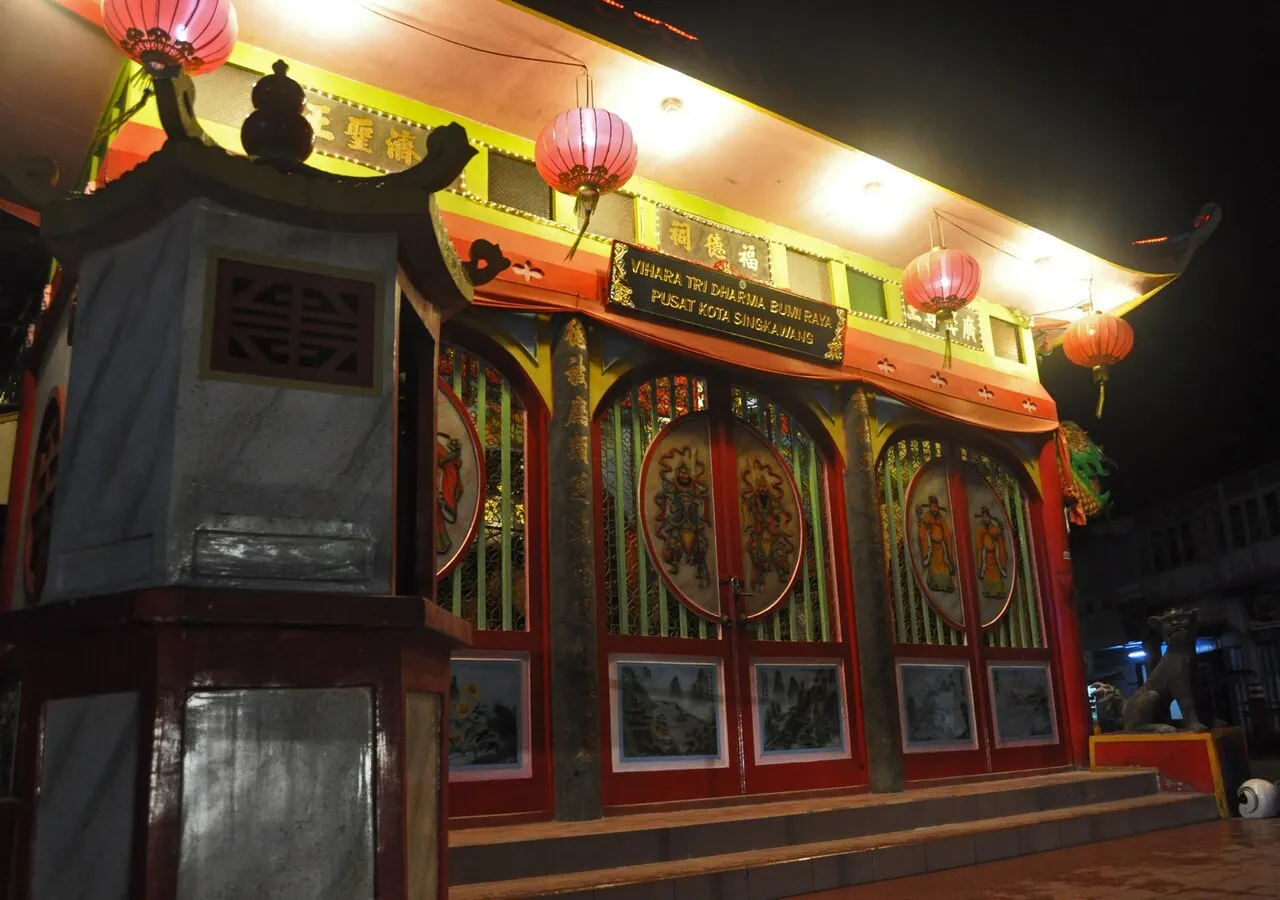
Temples, ceramics, coffee shops and food offer specific ways to encounter Singkawang's Chinese Indonesian heritage without reducing it to a single festival.
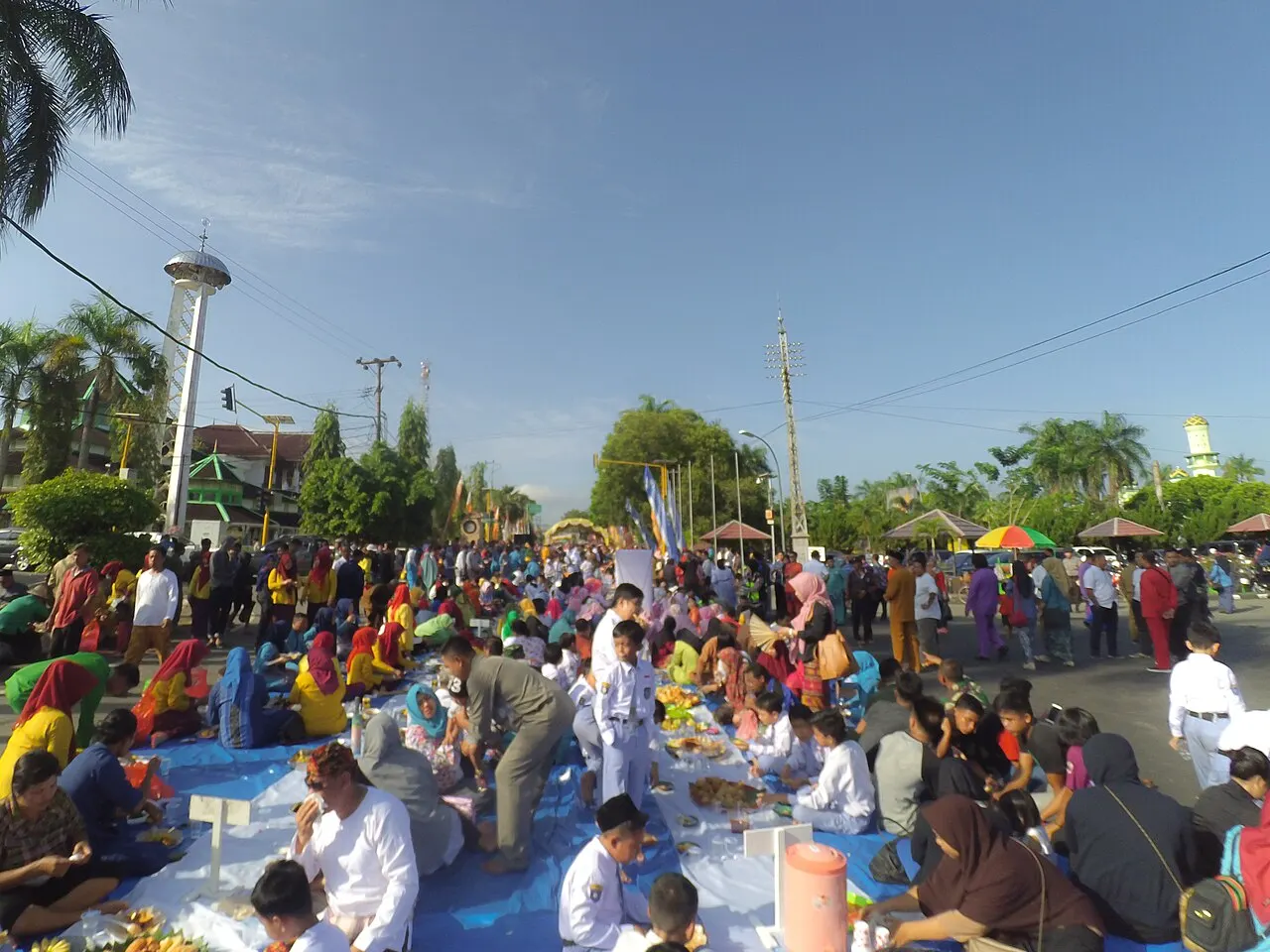
Erau belongs to the Kutai Kartanegara Ing Martadipura sultanate’s ceremonial heritage in Tenggarong, with public festival elements alongside practices governed by local protocol.
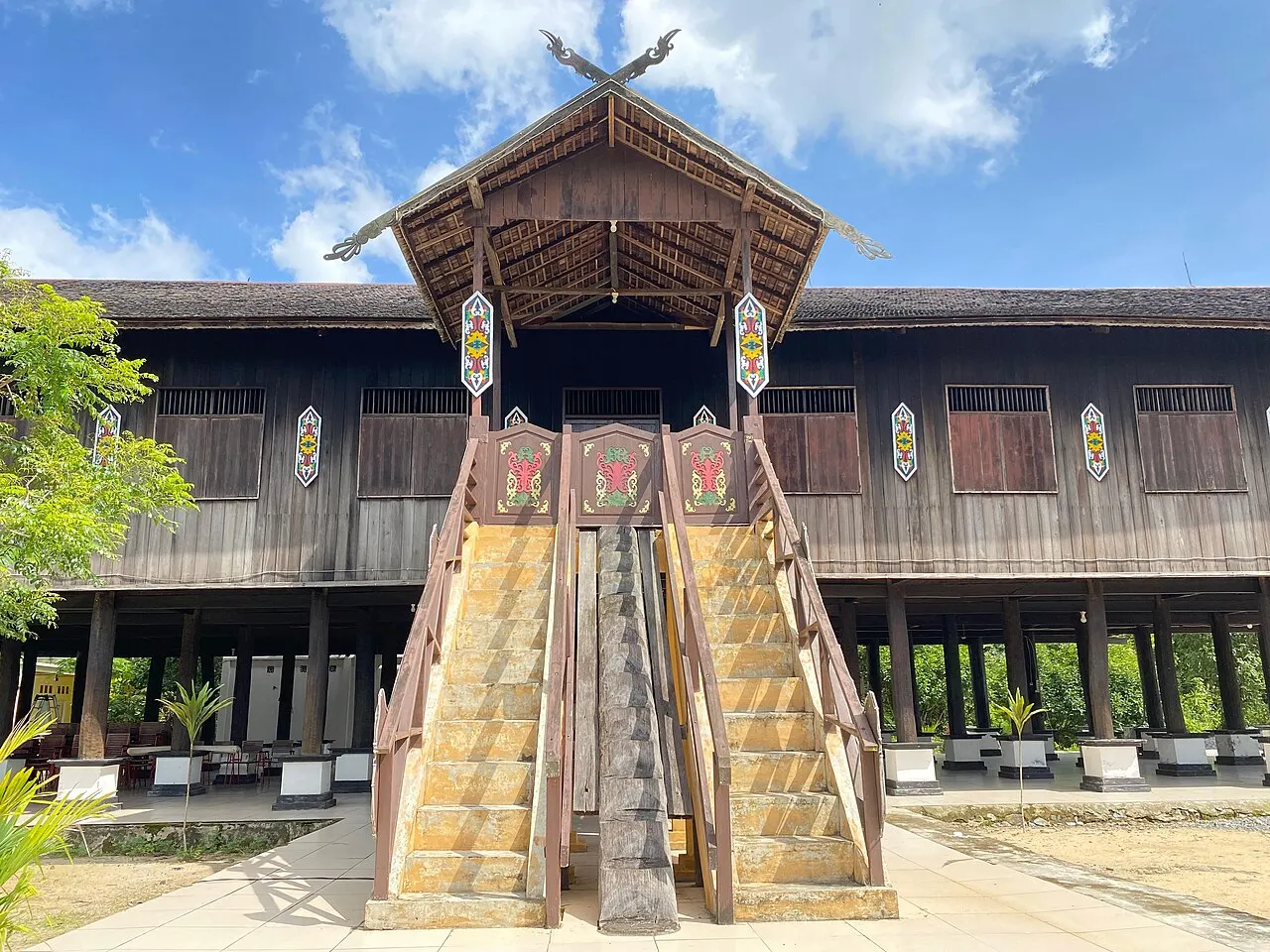
Huma Betang is a raised longhouse form associated particularly with Ngaju communities in Central Kalimantan. Its elongated structure traditionally provides living space for several families.

Iban longhouses connect households through a shared built environment. In Sarawak, they are living homes and community spaces as well as places where a visitor may learn about local knowledge with the hosts’ agreement.

A timber residence in Pangkalan Bun’s Raja neighbourhood introduces another side of the Kutaringin royal household, distinct from Istana Kuning.
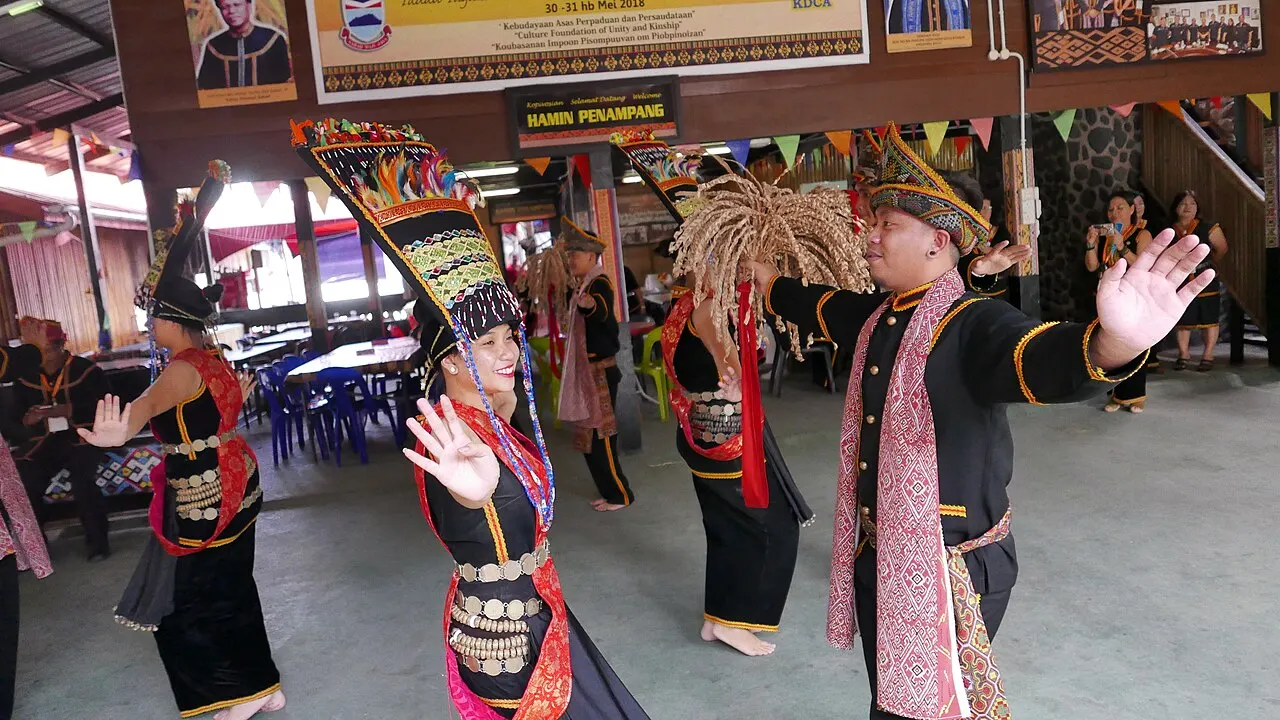
Kaamatan connects Kadazandusun harvest thanksgiving with cultural memory, performances and shared celebration in Sabah.
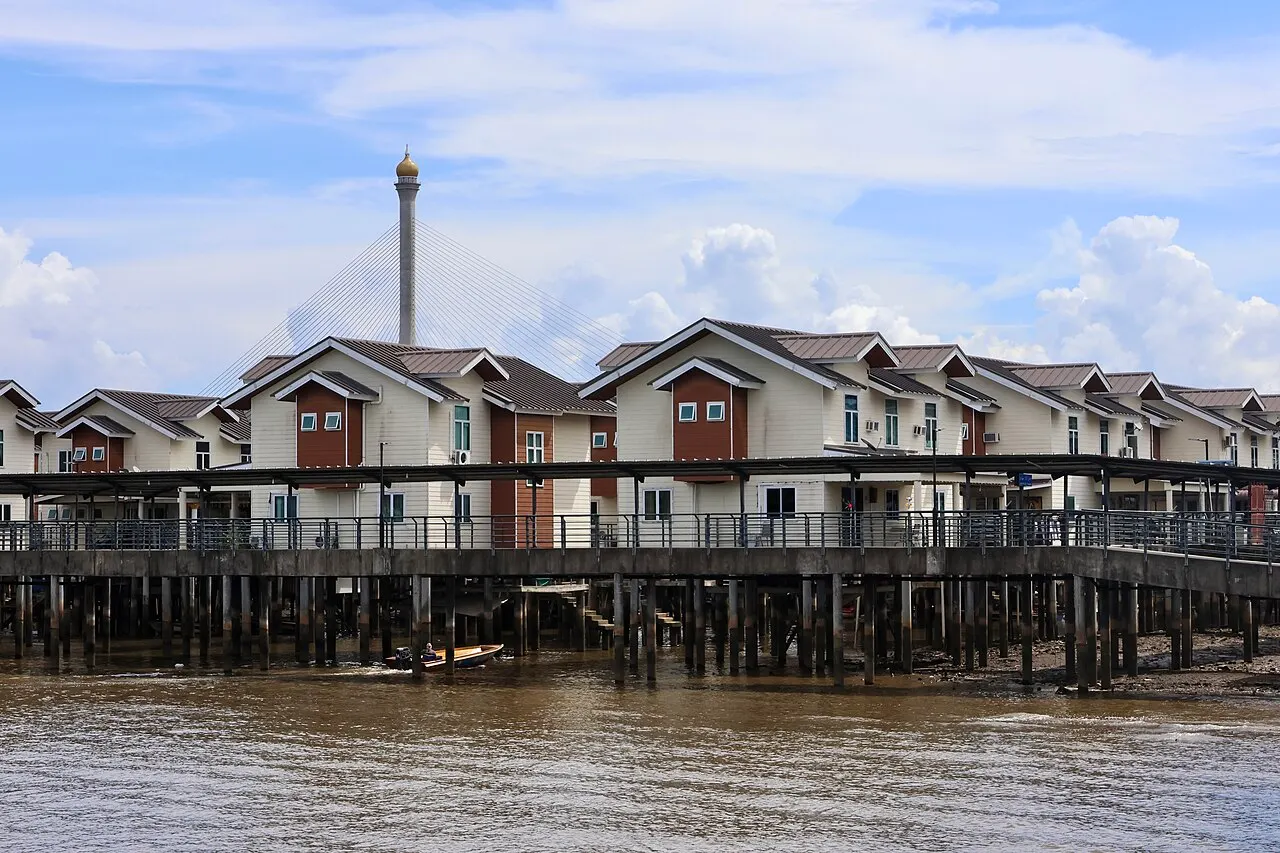
Kampong Ayer’s heritage is carried by residents, household knowledge and river livelihoods, alongside museum displays that explain the water village’s history.

Meet Samarinda’s weaving neighbourhood through its makers, looms and sarongs, with a visit arranged around working life.

Pampang offers an introduction to a particular Kenyah community in Samarinda, where communal architecture, music and performance belong to continuing local life.
Rice knowledge in Krayan connects food with water, fields, buffalo and Lundayeh community life. A visit should centre named farmers and their current work.

Brunei’s national philosophy connects Malay culture, Islam and monarchy, while its communities maintain distinct languages, traditions and ways of expressing identity.

Martapura’s principal mosque connects the town’s religious identity with a long building history. Approach it as an active place of worship, not simply a monument.
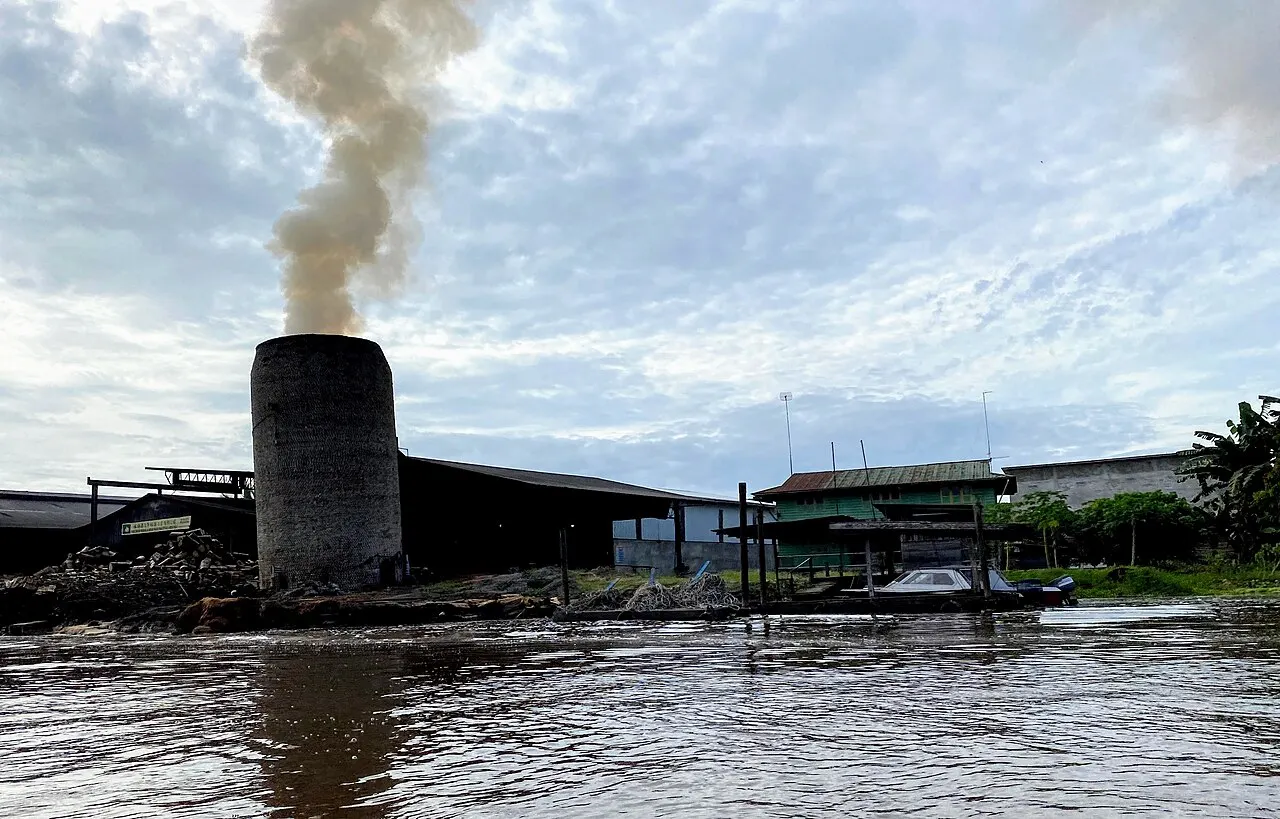
Sago production connects Melanau knowledge with Sarawak’s coastal wetlands and rivers. The Mukah context makes this a specific relationship between landscape, processing and food, rather than a tradition attributed to every Bornean community.
Ngaju names a particular linguistic and cultural community in Central Kalimantan. It should not be treated as a synonym for every Dayak people or a single culture shared by all residents of the province.

Rumah Adat Melayu Balai Serumpun offers a view of Malay cultural life in Singkawang through a contemporary community venue. Visit with interest in its architecture and activities, while checking whether the building is receiving visitors or being used for a gathering.

A contemporary cultural house in Sungai Raya, Kubu Raya. Its brick architecture introduces Hakka identity in West Kalimantan without pretending to be an ancient palace or an unchanged historic village.
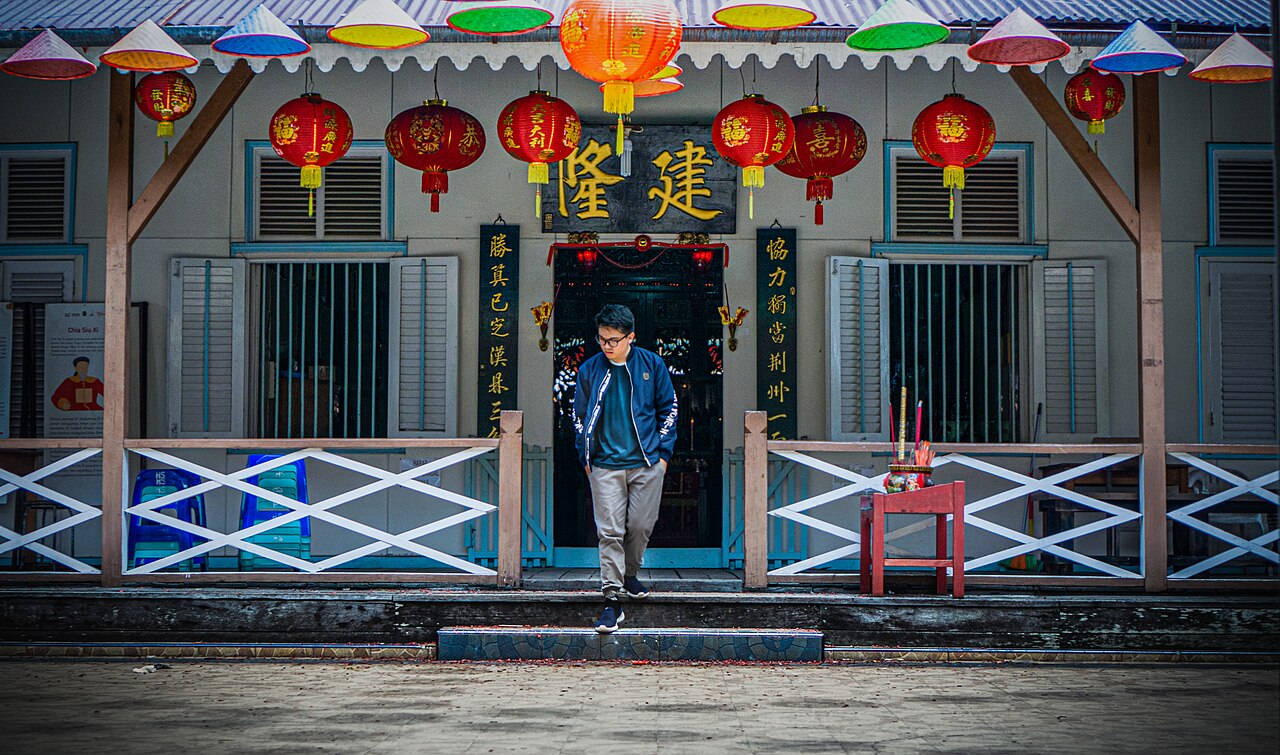
Rumah Marga Tjhia connects family life, built heritage and food in central Singkawang. The compound remains a lived-in place, so a rewarding visit begins by recognising the difference between welcoming visitor areas and the private spaces of a family home.
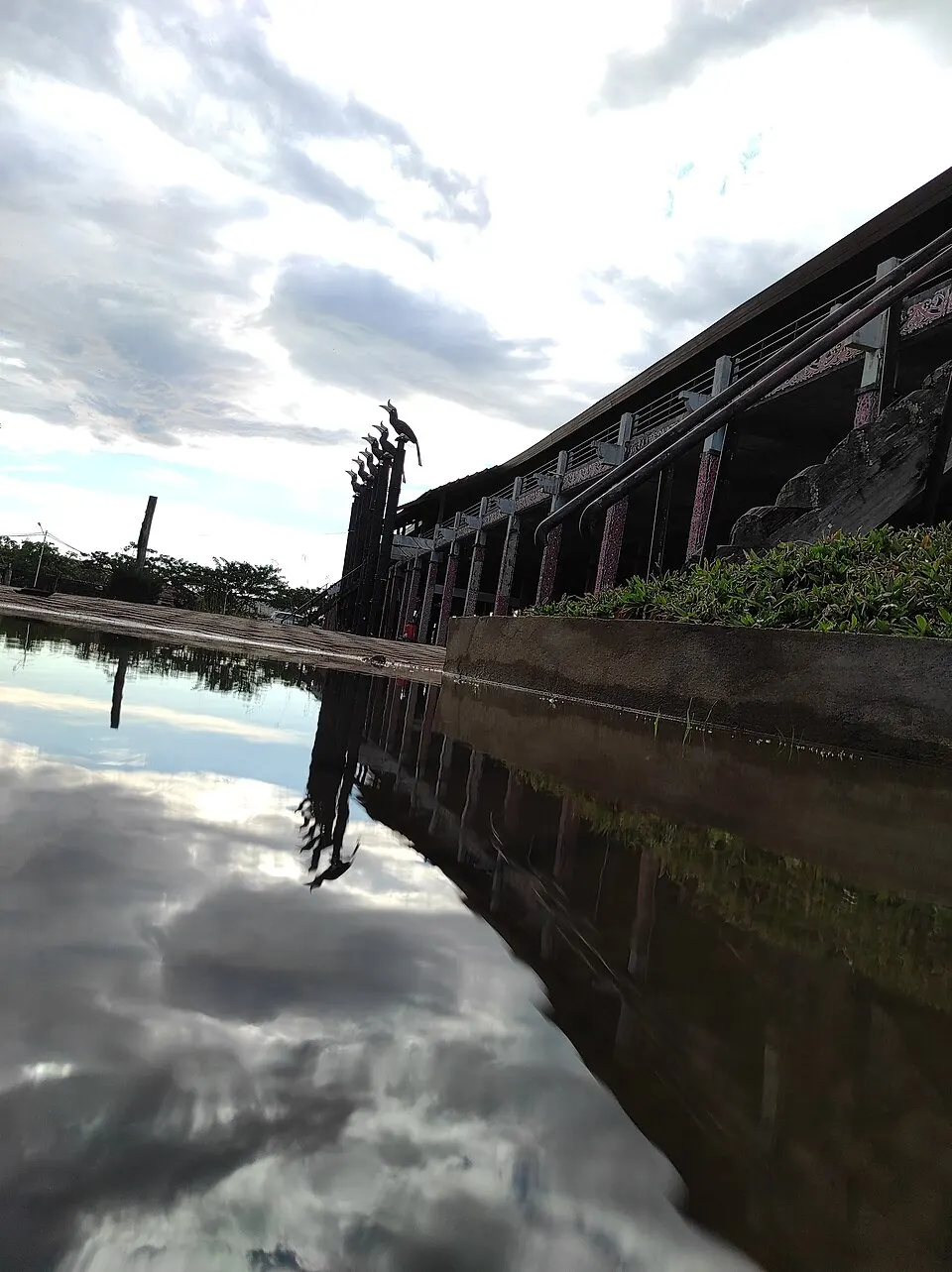
Rumah Radakng is Pontianak's modern longhouse replica and a public expression of local cultural identity.

Sama-Bajau heritage in Sabah includes maritime traditions alongside diverse community histories and contemporary cultural expression.

An active Catholic parish on the Adi Sucipto corridor in Sungai Raya. Visit for a respectful encounter with local community history and architecture, giving worship and parish activities priority.

Banjar textile craft recognised in Indonesia's intangible cultural heritage register.

Sekumpul is a living place of pilgrimage in Martapura, centred on the memory of Guru Sekumpul and approached with respect for worshippers and residents.
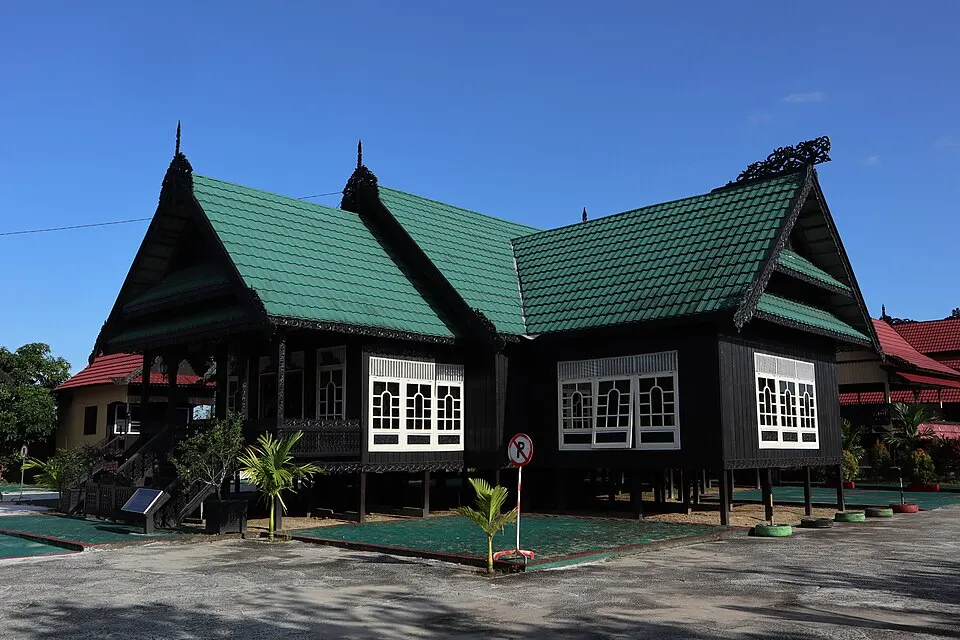
Tidung heritage in Tarakan is approached through baloy, collective decisions and contemporary community voices. This specific context is richer than a generic traditional-house label.
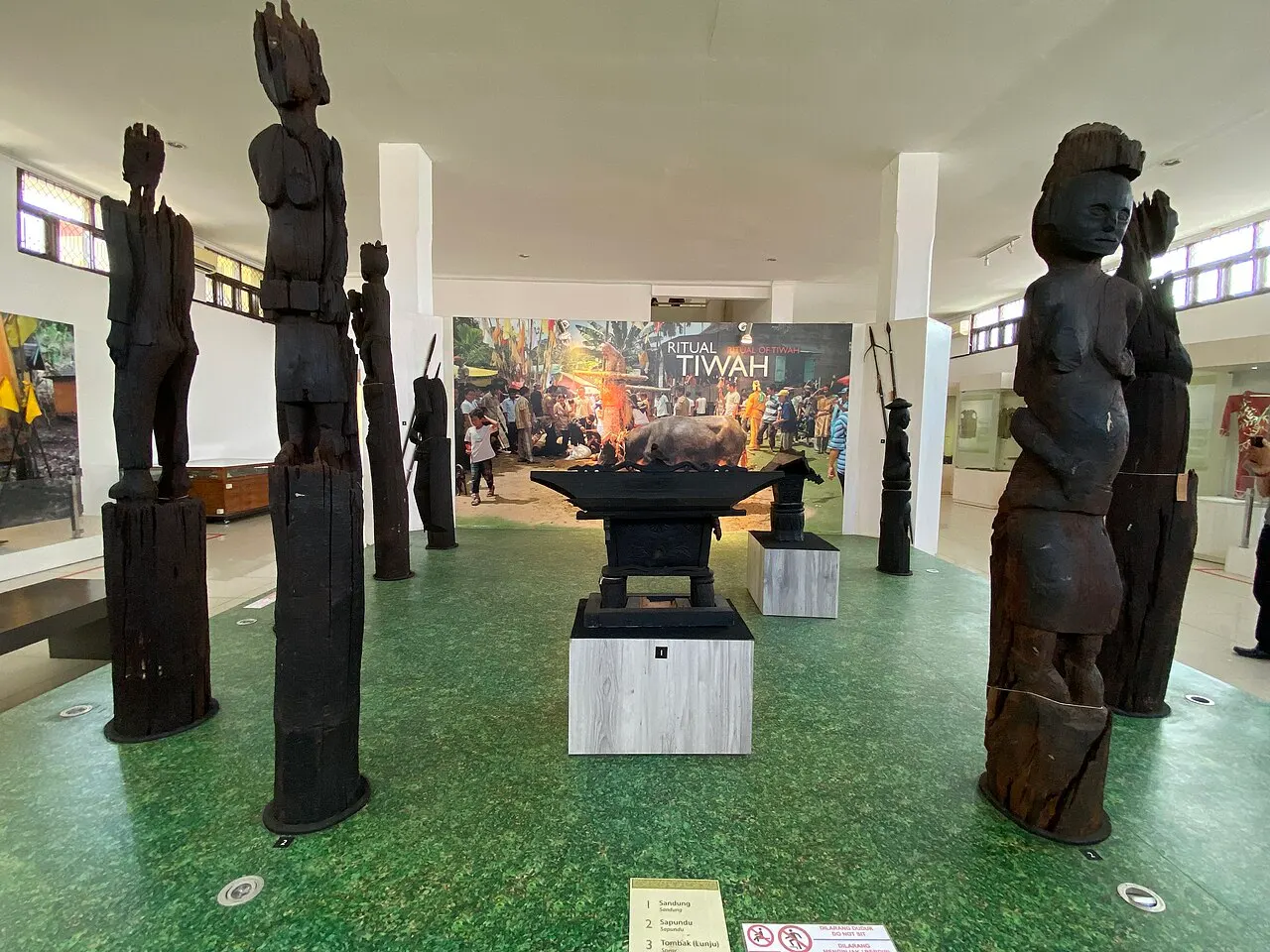
Tiwah is a funerary rite documented as intangible cultural heritage in Central Kalimantan, with Ngaju communities among its cultural custodians. It is associated with Kaharingan belief and the responsibilities of families to deceased relatives.

Tua Pek Kong adds a distinct Chinese Indonesian religious setting to a Ketapang visit. The temple on Jalan Merdeka is a living place of worship, with a public presence that becomes particularly visible during community celebrations.
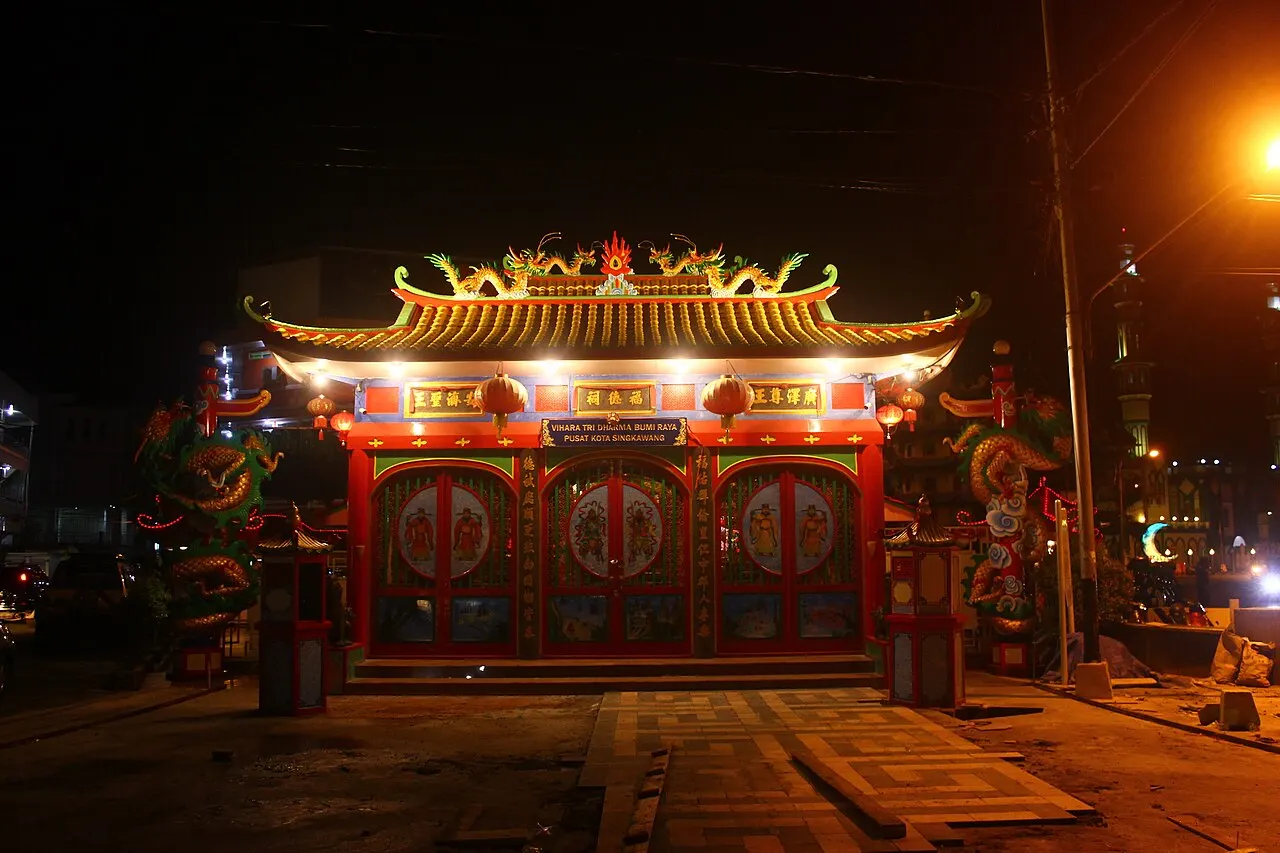
Vihara Tri Dharma Bumi Raya is a living place of worship in central Singkawang. Visit for its place in the city's cultural life, its architecture and its relationship with the surrounding streets, while giving worshippers priority throughout your visit.