Balikpapan: oil, arrivals and the bay
East KalimantanRead Balikpapan’s coast through the Mathilda well, the movement of workers and traders, and the difference between public heritage and working industry.

Stories add perspective to a journey. For entry rules, transport and itineraries, start with the travel guide.
Plan your trip ↗22 discoveries
Read Balikpapan’s coast through the Mathilda well, the movement of workers and traders, and the difference between public heritage and working industry.
Pitcher plants, frogs, freshwater fish and a dragonfly broaden the wildlife story beyond its best-known primates.

Two familiar dishes offer different ways into Brunei’s food culture: ambuyat asks you to learn a movement, while nasi katok invites attention to a simple combination.

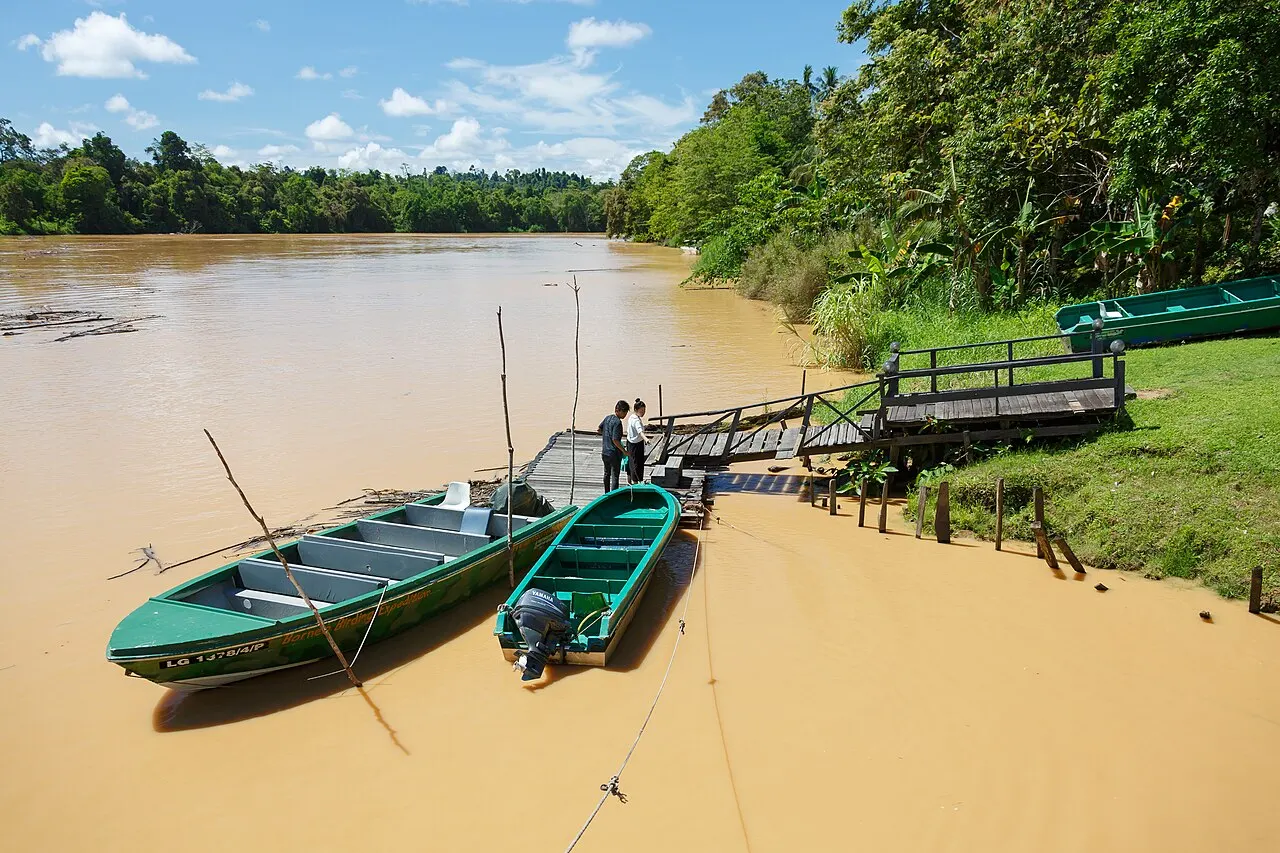
The Kinabatangan and Semporna coast invite different journeys. Reading them together reveals connections between freshwater landscapes, coastal communities and the sea.

Kutai and Derawan reveal two different East Kalimantan landscapes. Following their habitats explains why a shared province does not mean shared wildlife evidence or one continuous visitor route.

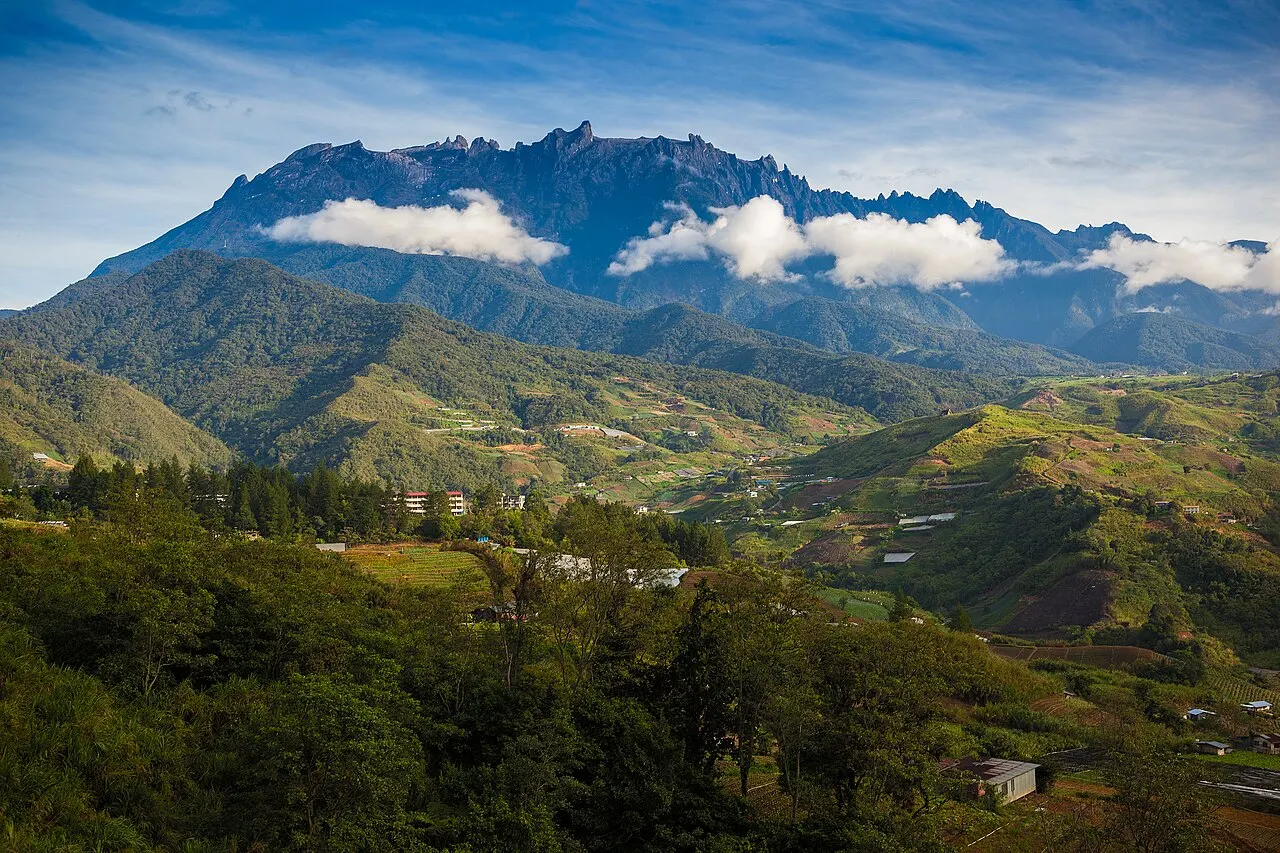
Mount Kinabalu is more than a summit. Its slopes reveal how elevation, geology and living relationships shape a remarkable sequence of plant communities.
Krayan's highlands are not explained by forest alone. Adan rice, working fields and Lundayeh knowledge show how food production and a wider landscape can be read together, through the people who continue to shape them.

Read the mountains through geology and particular Dayak Meratus communities, then choose a route with local guidance.

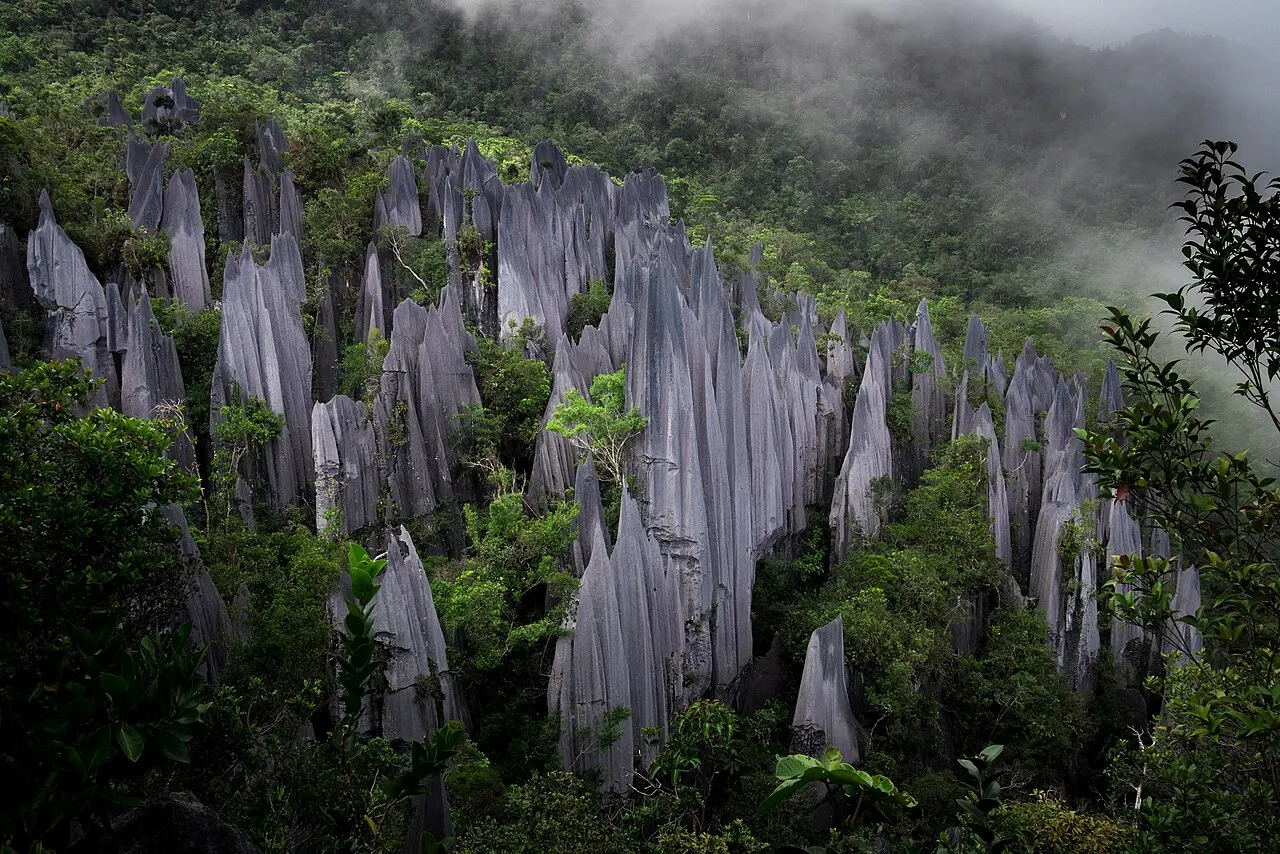
Sarawak’s caves hold both natural processes and human histories. Mulu and Niah show why two limestone landscapes can deserve very different ways of reading.

The planned provincial capital is easier to understand when its modern foundation is read alongside the older Kahayan river setting.

Regional ingredients and names reveal useful connections between food, forest products and distinct cultural contexts without proving an exclusive origin.

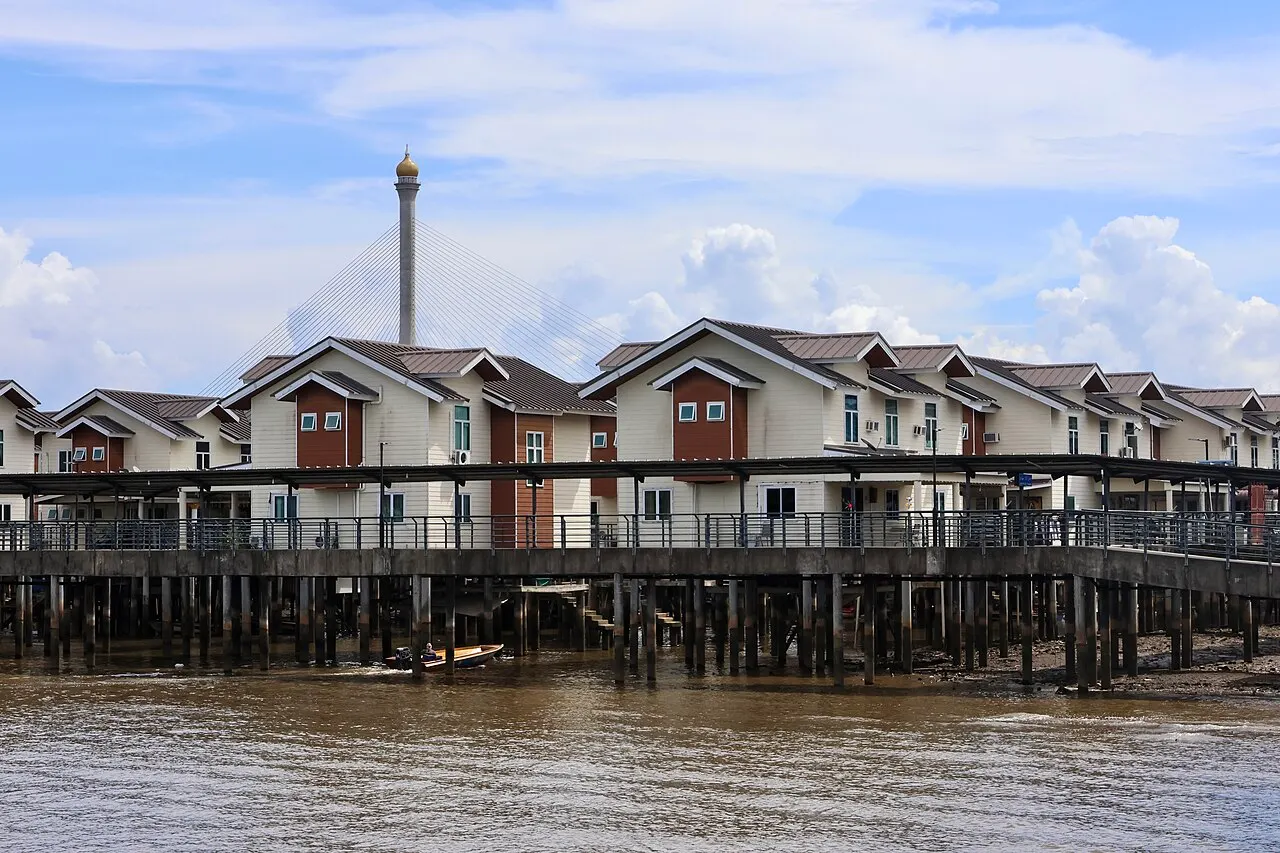
From the riverfront, Kampong Ayer invites a closer look at how homes, paths and water belong to the same inhabited urban landscape.

Follow a provincial journey from a working river market to two distinct dishes, keeping places and people in view.

River cities, longhouses and coastal food knowledge reveal different community histories. Sarawak becomes richer when those histories are explored together without making them interchangeable.

Singkawang's heritage becomes clearer through a named temple, coffee and the food prepared by an individual cook. This is an invitation to listen across places and communities, with room for differences inside every tradition.

Specific community names make cultural writing more accurate and respectful than presenting Dayak as a single uniform identity.

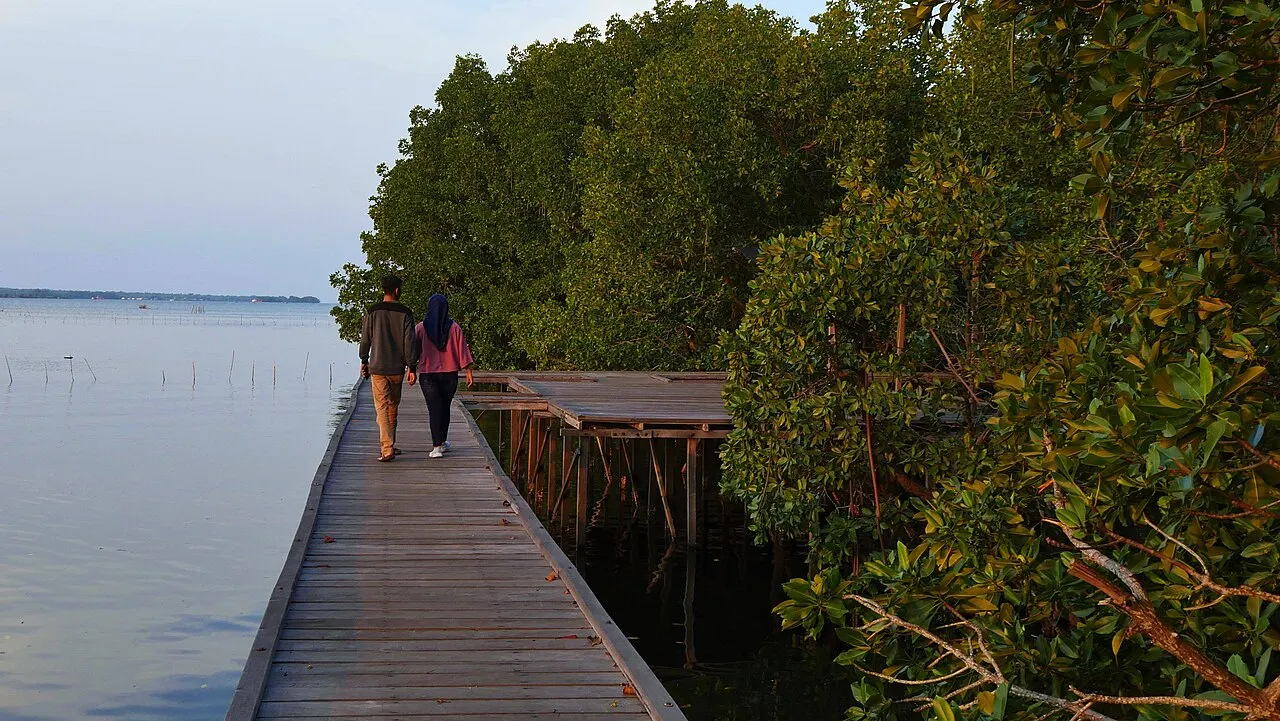
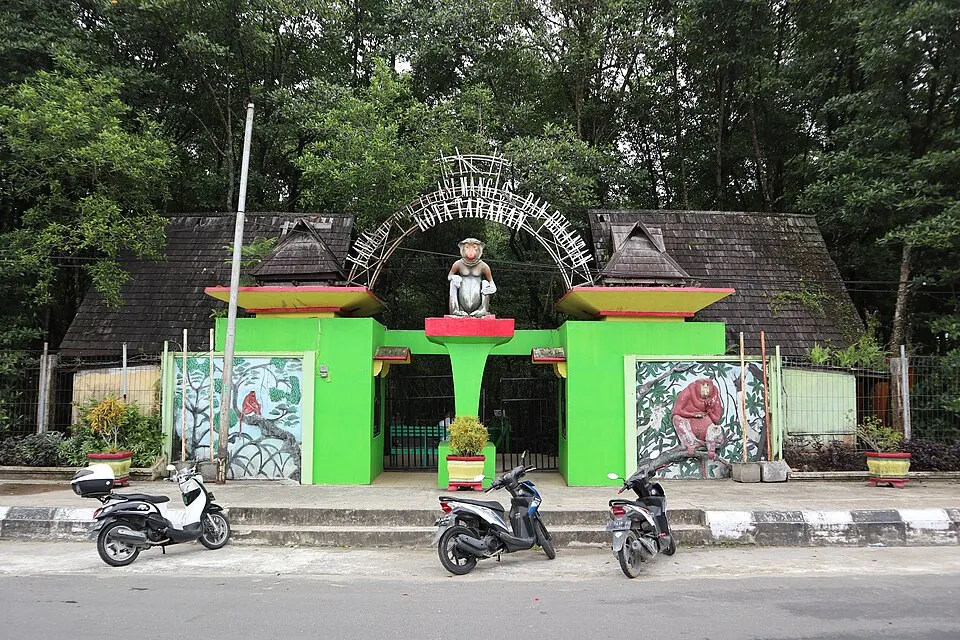
KKMB brings mangroves into an urban journey. Its conservation story connects proboscis monkeys with roots, water, local stewardship and the everyday coastal setting of Tarakan, making a short walk more than a wildlife stop.

The bridge introduces Temburong, but understanding this eastern district means looking onward to its town, rivers and forest research landscape.

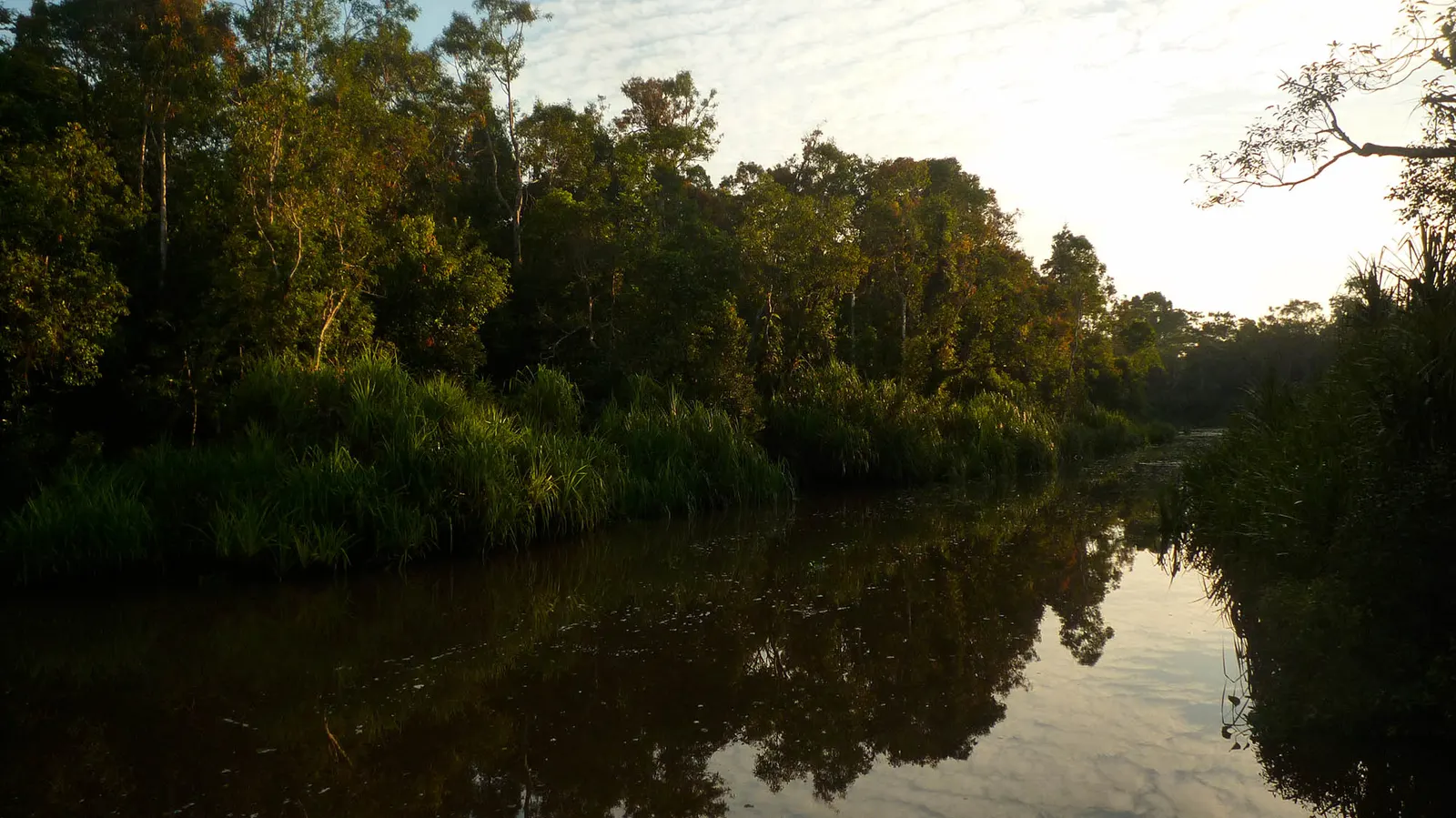
In Central Kalimantan, understanding peat-swamp forest begins with the water and soil beneath the trees.

Palangka Raya and the Pangkalan Bun–Kumai corridor open different parts of Central Kalimantan; their journeys should not be compressed into one standard park visit.

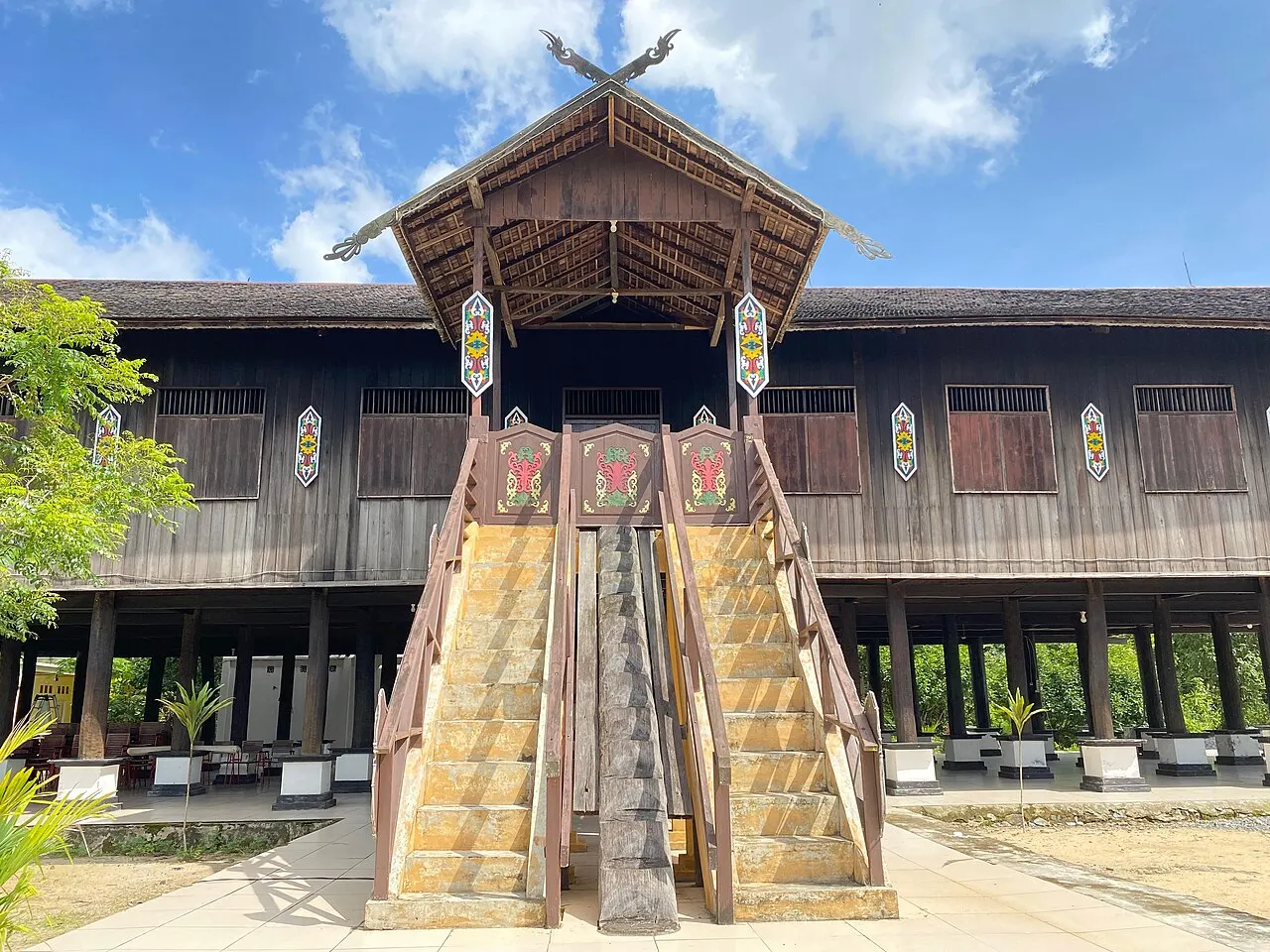
Tenggarong and Pampang can belong to the same regional journey without representing the same culture. Museum objects, living traditions and everyday food help keep their different contexts visible.

A wetland visit begins with a question about water. Danau Sentarum is a network whose seasonal change connects lake scenery, river flows, forest habitats and the choices people make when travelling through Kapuas Hulu.