Ambuyat served in Bandar Seri Begawan, Brunei (2009).
Ambuyat served in Bandar Seri Begawan, Brunei (2009).e_chaya · Wikimedia Commons · CC BY 2.0 · Cropped · Original
Food · Brunei Darussalam

Brunei at the table: sago and rice

Two familiar dishes offer different ways into Brunei’s food culture: ambuyat asks you to learn a movement, while nasi katok invites attention to a simple combination.

Sago at the table

Ambuyat begins with sago starch and water, but its character emerges at the table. A joined bamboo utensil, candas, gathers the sticky preparation with a turning motion; the portion then meets cacah, a dip commonly described as sour and spicy. In a hosted meal, learning this movement can become a shared activity. Brunei Tourism describes an ambuyat experience at Teratak Setiawan in Kampong Ayer, making the connection between food knowledge and a particular host concrete. Let that host explain their own preparation.

Sources & references · 2Brunei Tourism / Tourism Development Department · Local DelicaciesBrunei Tourism / Tourism Development Department · Cultural Heritage

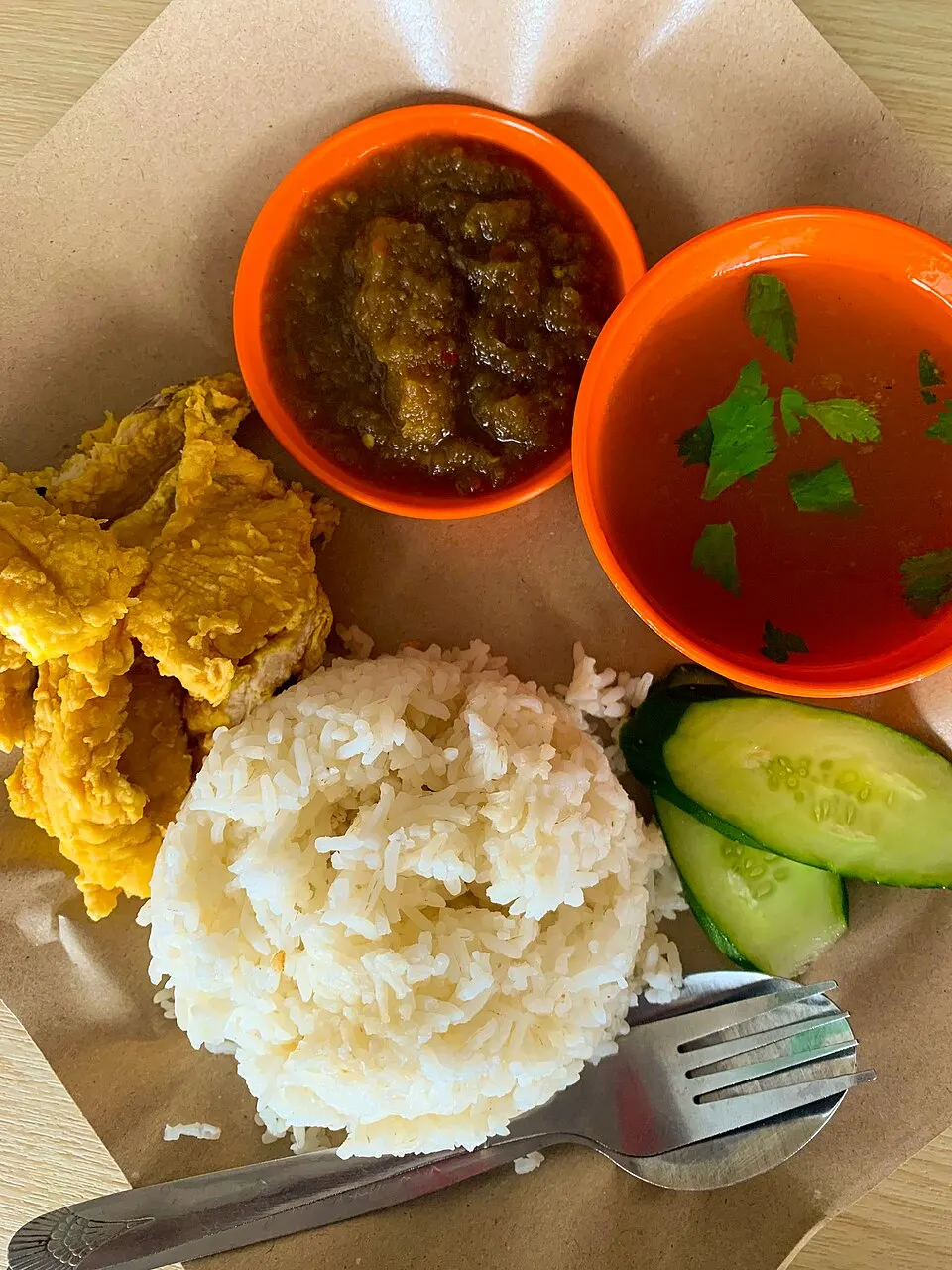
Rice, chicken and sambal

Nasi katok offers another point of entry: rice, fried chicken and sambal brought together as a straightforward meal. Notice how the dip changes your impression of the other components, and ask what distinguishes the vendor’s version. Brunei Tourism recounts a naming story involving customers knocking on a seller’s door: nasi means rice and katok means knock. Enjoy the story as a reported explanation, without turning it into a proven founding date. An everyday dish can carry local meaning without having one fixed recipe.

Sources & references · 1Brunei Tourism / Tourism Development Department · Local Delicacies
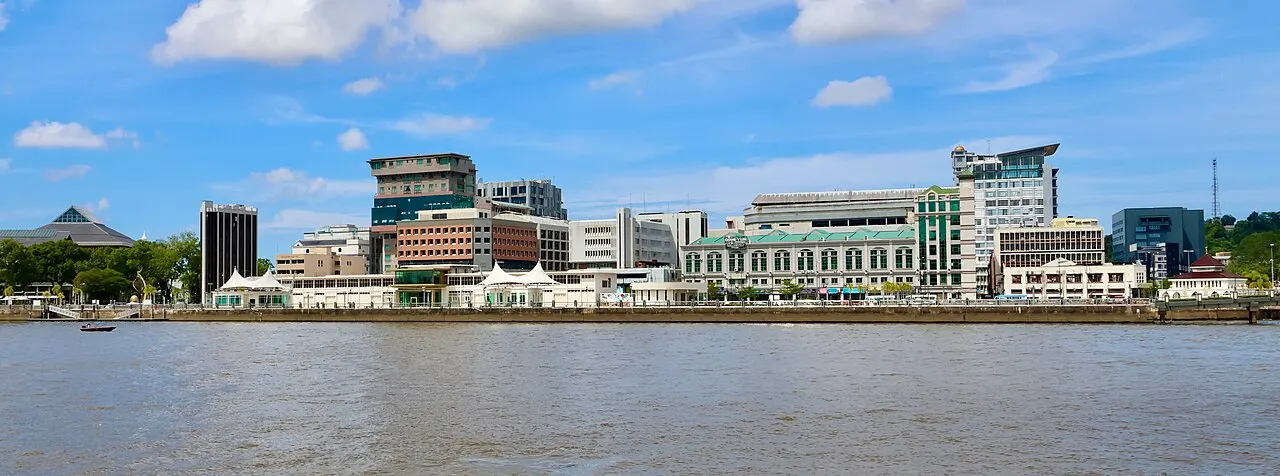
Brunei Arts and Handicrafts Training Centre building, Bandar Seri Begawan (2025).
Brunei Arts and Handicrafts Training Centre building, Bandar Seri Begawan (2025).Pangalau · Wikimedia Commons · CC BY-SA 4.0 · Cropped · Original
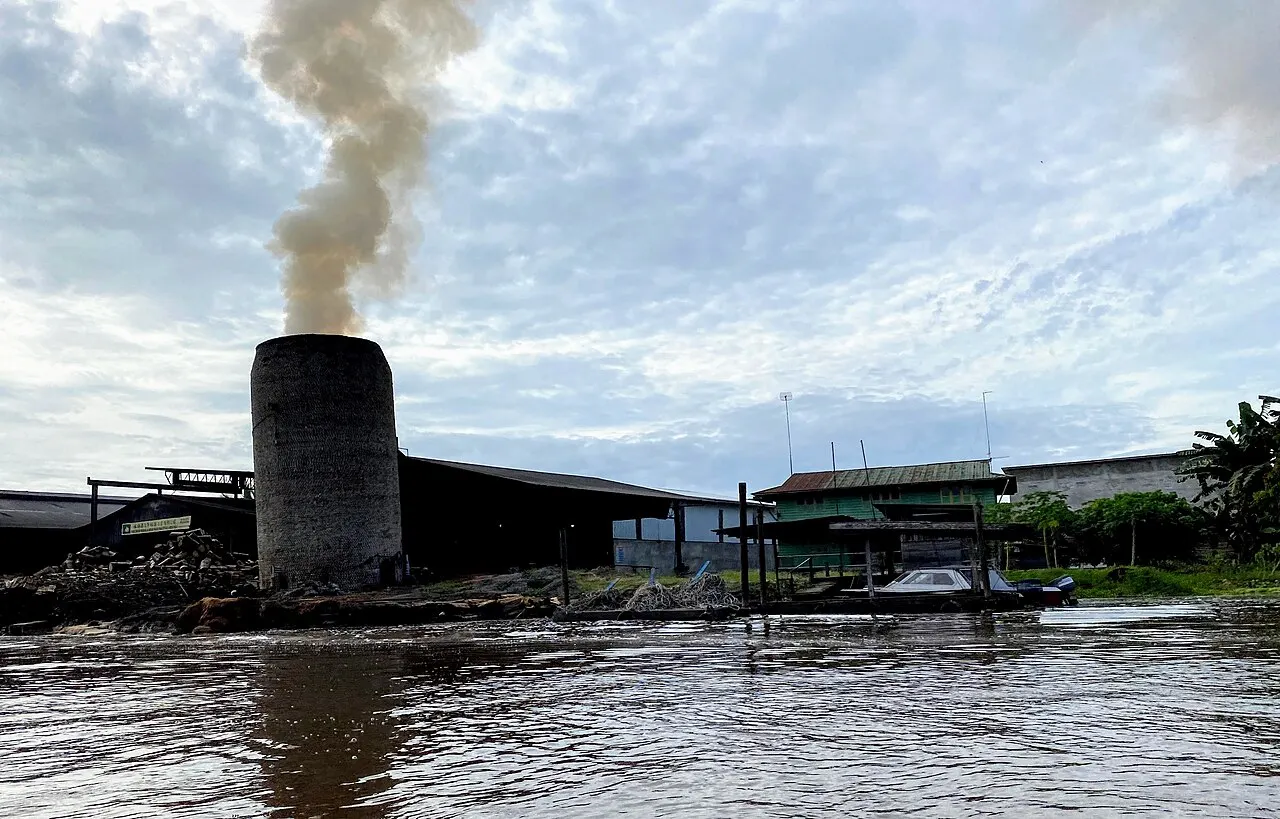
Sago-processing factory beside the river at Kampung Medong, Dalat, Sarawak.
Sago-processing factory beside the river at Kampung Medong, Dalat, Sarawak.Benjy8769 · Wikimedia Commons · CC BY-SA 4.0 · Cropped · Original

Shared foods, distinct preparations

Brunei’s table also belongs to a wider culinary neighbourhood. The official food guide describes prawn crackers shared across Borneo and familiar sweets with counterparts in Malaysia and Indonesia. Such connections invite comparison, not a claim that every food has an exclusive national origin. Follow the particular preparation, community and host instead. Ask about the actual cacah, sambal and accompaniments when ingredients matter to you; neither a dish’s name nor its cultural setting guarantees a dietary certification or allergy profile. Exploring sago knowledge elsewhere in Borneo can widen the story, while keeping those communities and places distinct. The contrast between sago and rice is a useful way to begin, but it does not divide Brunei into two food traditions. The same guide includes rice snacks and sago-based sweets, showing how familiar ingredients can take several forms across a meal.

Sources & references · 2Brunei Tourism / Tourism Development Department · Local DelicaciesBrunei Tourism / Tourism Development Department · Cultural Heritage

Sources & references

Brunei Tourism / Tourism Development Department · Cultural HeritageAccessed: 2026-10-02

Brunei Tourism / Tourism Development Department · Local DelicaciesAccessed: 2026-10-02

Report a correction