Traditional locations
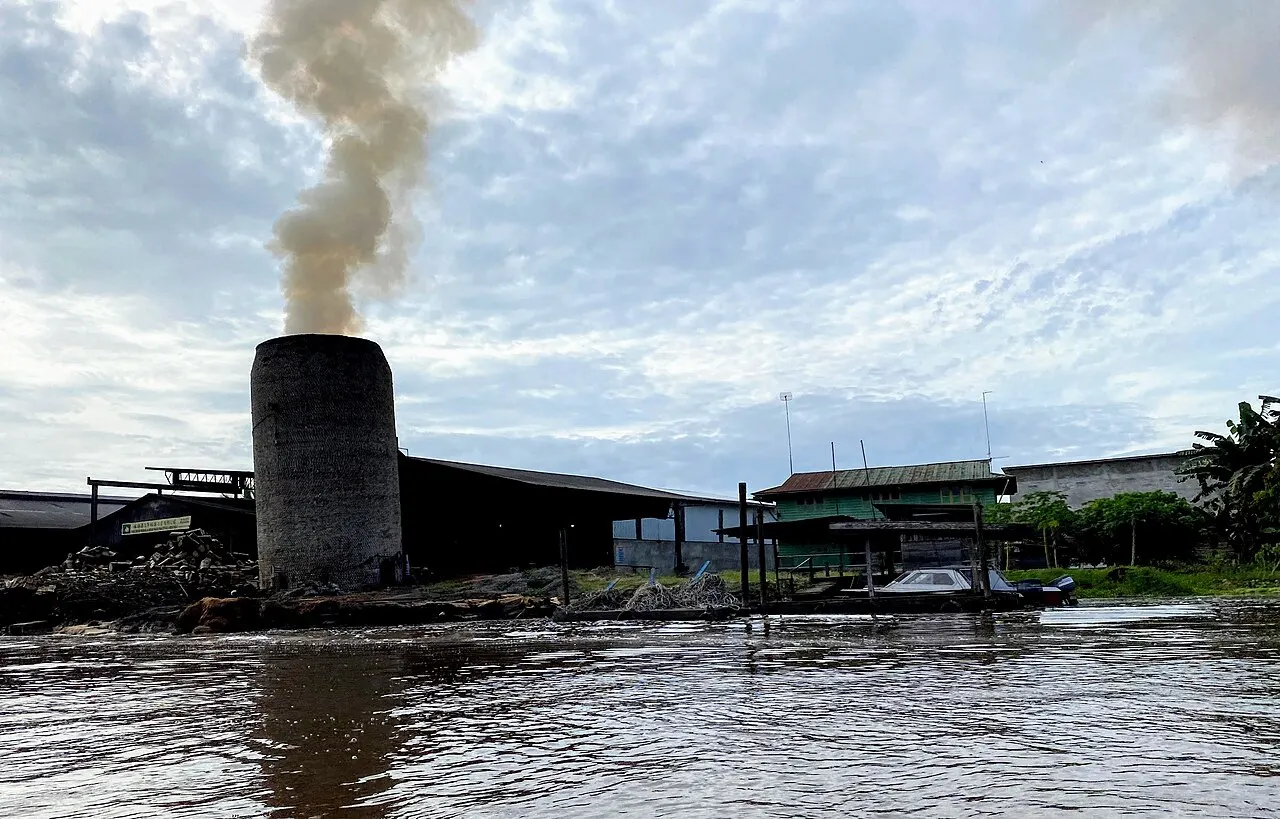
The tourism authority describes sago palms in Mukah’s swampy coastal soils and the transport of palm material along rivers for processing. These connections explain why waterways appear repeatedly in accounts of work and food. They do not mean every wetland plant is sago, or that a generic palm photograph identifies the crop.
Sources & references · 1
Sarawak Tourism Board · Sail through the rivers of MukahFood traditions
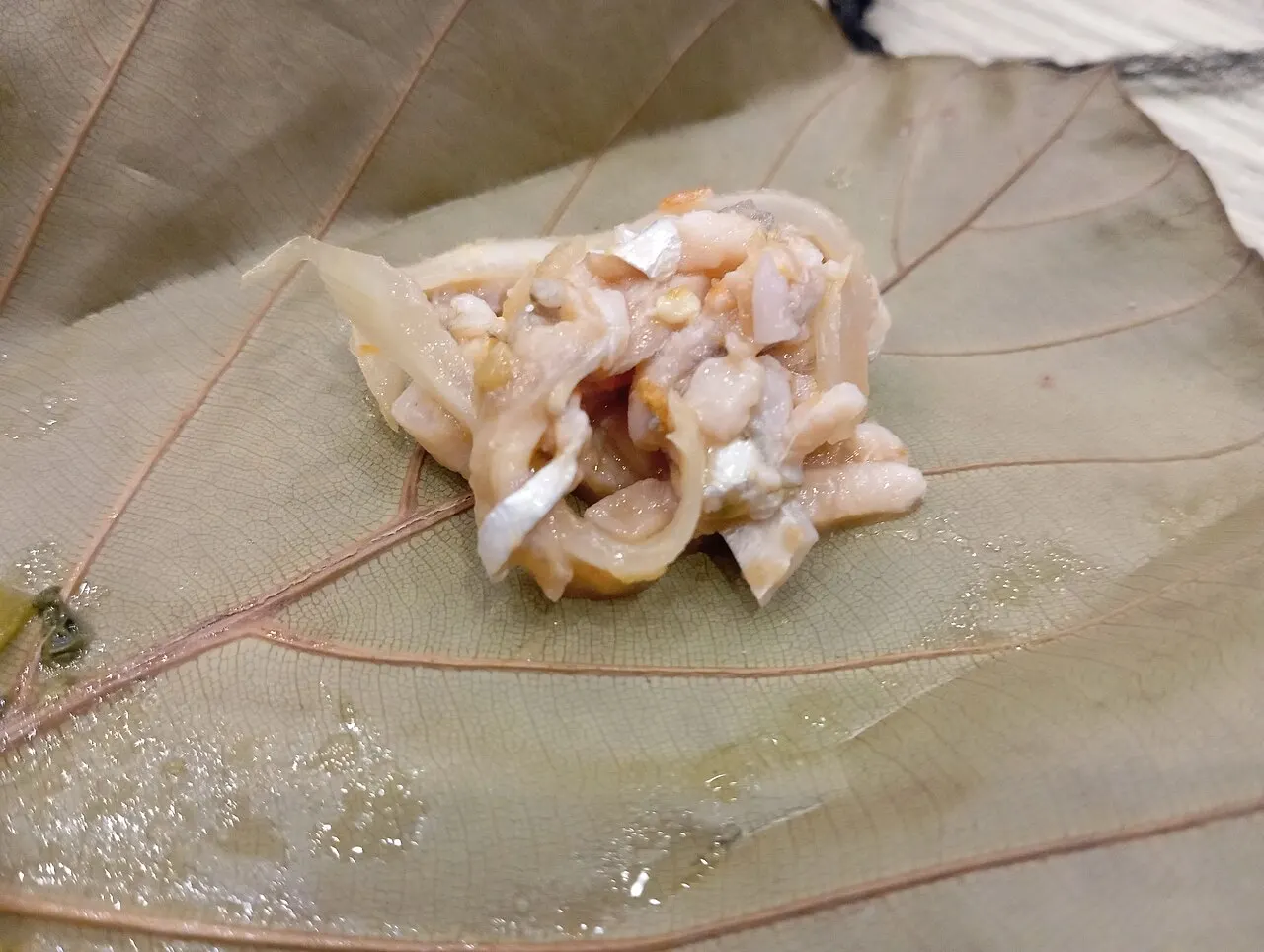
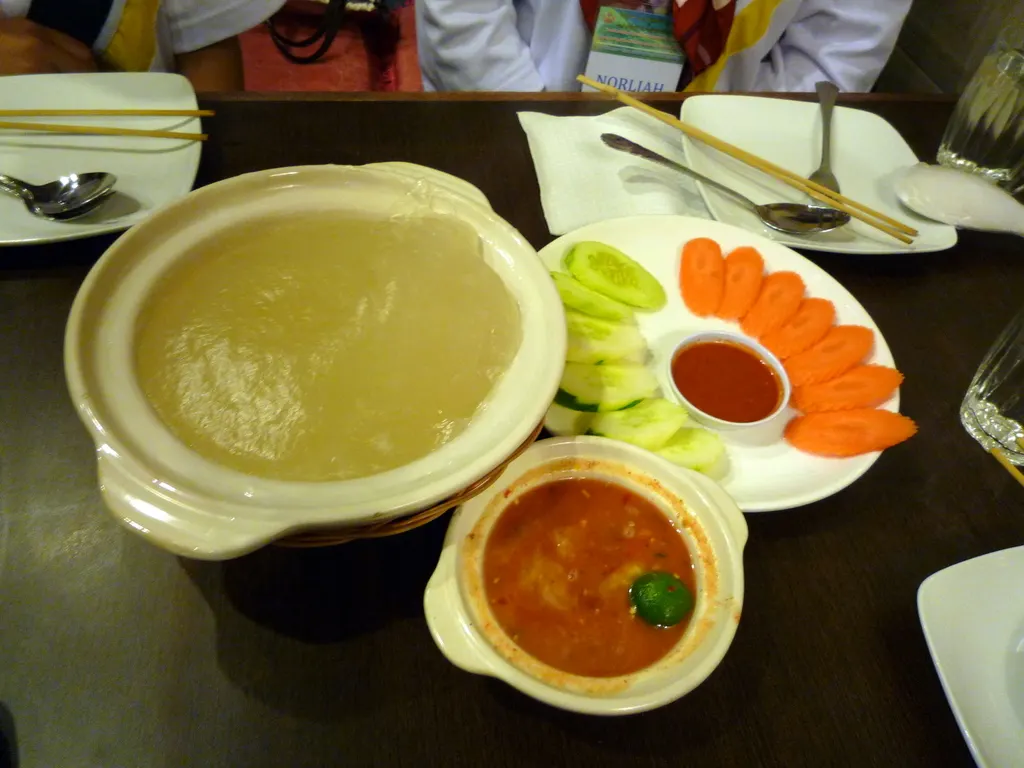
Sago appears in products such as tebaloi and in pearls served alongside other foods. Umai provides a useful connection to the coastal food record, but it is a fish dish, not another name for sago. Ask a maker to explain the particular product and processing steps rather than assuming all sago foods share one preparation.
Culture in context
Melanau heritage also includes fishing, boatbuilding and community celebrations around Mukah’s waterways. Sago is one strand of that wider life, not a complete description of identity. A processing visit should be arranged with people working there, with permission for observation or photography and an understanding that production takes precedence over a demonstration.