Rivers
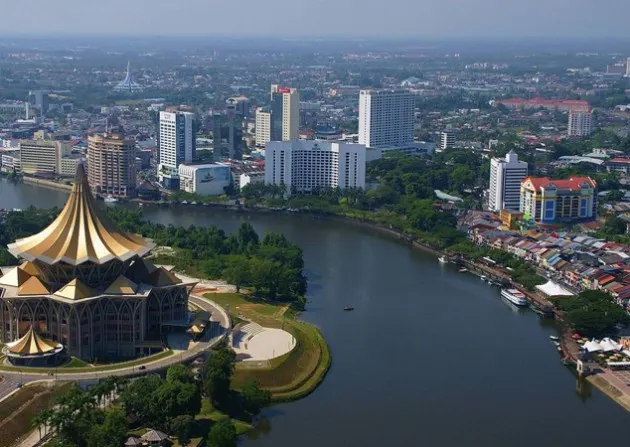
Sibu’s Rajang setting and Kuching’s Sarawak River waterfront introduce different urban histories. Trading routes, migration and neighbourhood life helped shape both places. Foochow histories are particularly important to understanding Sibu, while Kuching’s streets reflect several communities and periods of trade. A river walk can begin the exploration, but buildings and markets make more sense when read through specific local histories rather than a single story about Borneo.
Houses and living heritage
Iban longhouses bring another kind of shared space into view. They are inhabited homes, with individual households and wider communal life. A building associated with one community is not a model for every group in Sarawak. Batang Ai provides one regional setting for learning about Iban heritage, but a visitor needs an invitation and local guidance, not simply a destination name on a map.
Sources & references · 2
Sarawak Museum Department · Longhouse ModelSarawak Forestry Corporation · Batang Ai National Park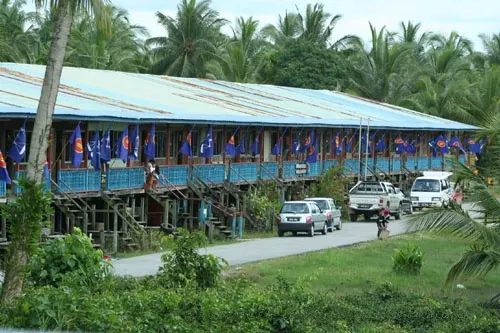
Forest ingredients
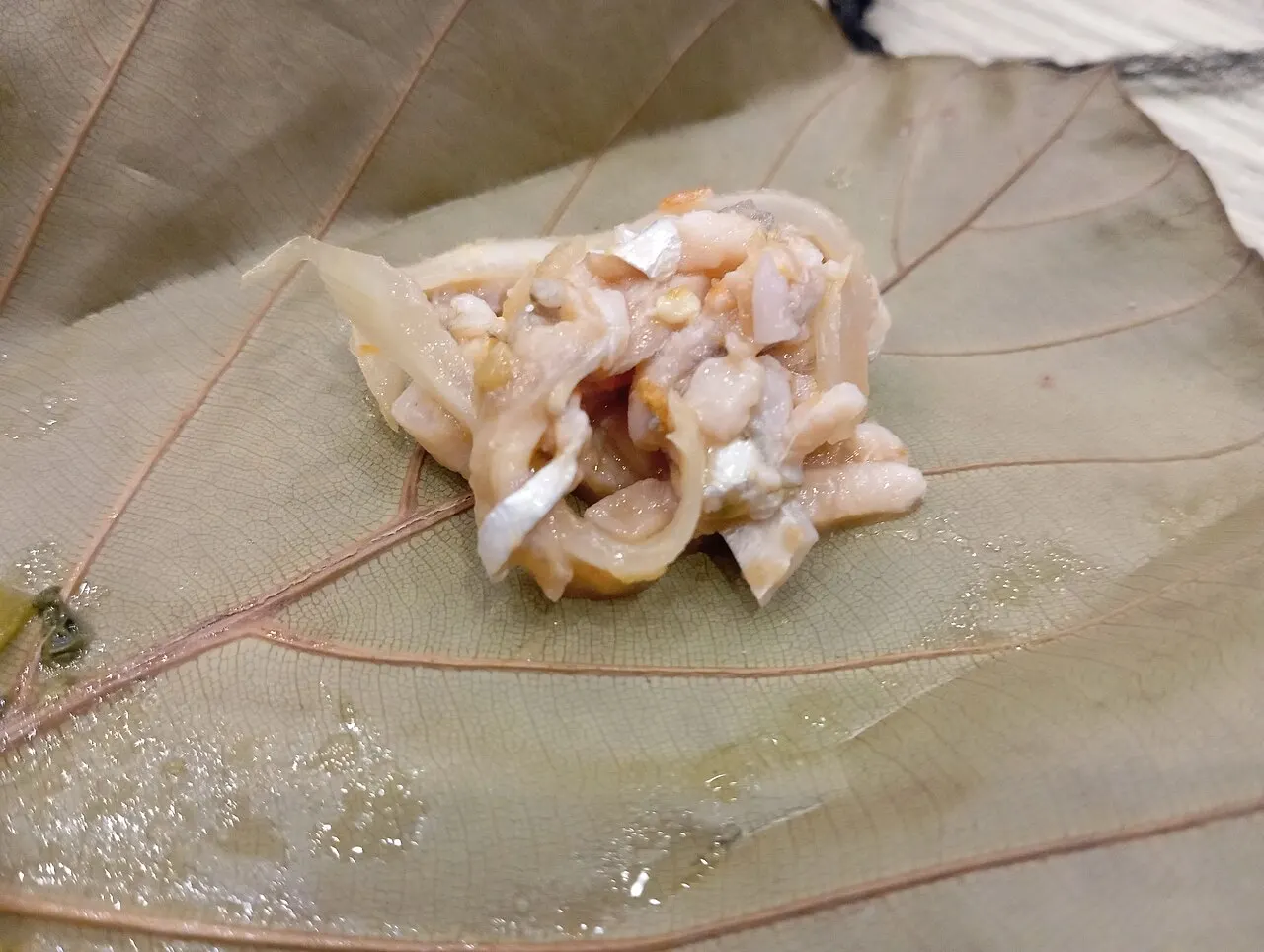
Along parts of the coast, Melanau sago knowledge links wetland plants, processing skills and food. Sago foods such as pearls and baked preparations differ from umai, a fish preparation associated with Melanau cuisine. Sarawak laksa introduces another regional culinary setting. Learning those distinctions prevents a menu from becoming a collection of interchangeable “traditional dishes”; ingredients, households and community contexts all matter.
A respectful first visit
Museums and interpreted cultural settings can prepare a visitor to ask better questions. They are not substitutes for every lived experience, and a hosted visit is not an entitlement to private spaces. Ask permission for photographs, listen to how people describe their own practices and allow traditions to be contemporary rather than frozen in the past. Follow the separate culture and food profiles to keep exploring these connections with care.