Sarawak stretches across northwestern Borneo, where river cities lead towards rainforest, limestone caves and coastal communities. Kuching, Miri and Sibu offer different starting points for exploring nature, living heritage and regional food.
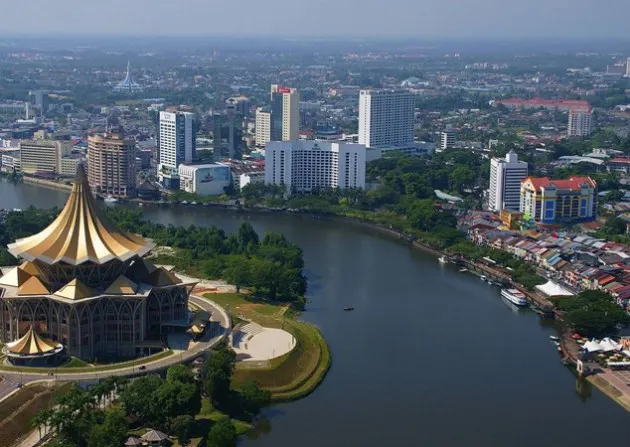
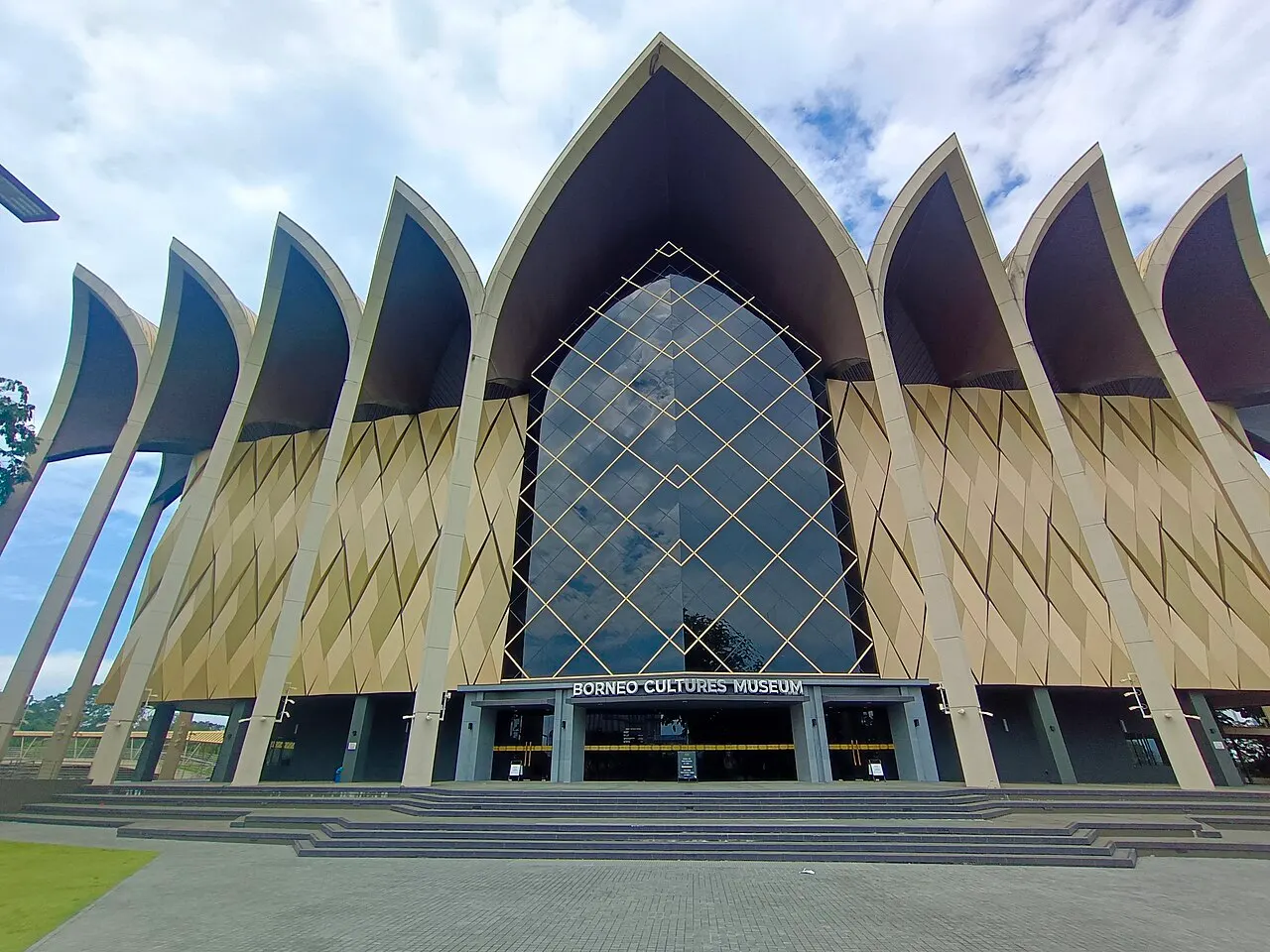
For a first week, Kuching with one or two selected nature or coastal excursions offers a coherent base. Give Borneo Cultures Museum and the riverfront a city day, then choose Bako National Park or Santubong & Damai according to your interests. Sarawak Cultural Village is a visitor interpretation setting; a hosted Iban visit has different arrangements and should be chosen through the people receiving you.
With more time, make Miri a second base for Niah National Park, or add a separately booked Gunung Mulu National Park or Bario Highlands chapter. Sibu is valuable for Rajang-town history and food, not a mandatory stop on every route. Two weeks can support a selective two-base journey, with flight or road days kept visible. Choose Kuching International Airport or Miri Airport around the route, and use the Sarawak route framework before fixing hotel nights.
Overview
Sarawak rewards a journey organised around its rivers and distinct regions. Kuching introduces the southwest, Miri the northern coast and Sibu the Rajang setting. Protected forests and remote cave landscapes are separate destinations with their own access arrangements. Build a route around a few interests instead of rushing between widely separated places.
Geography
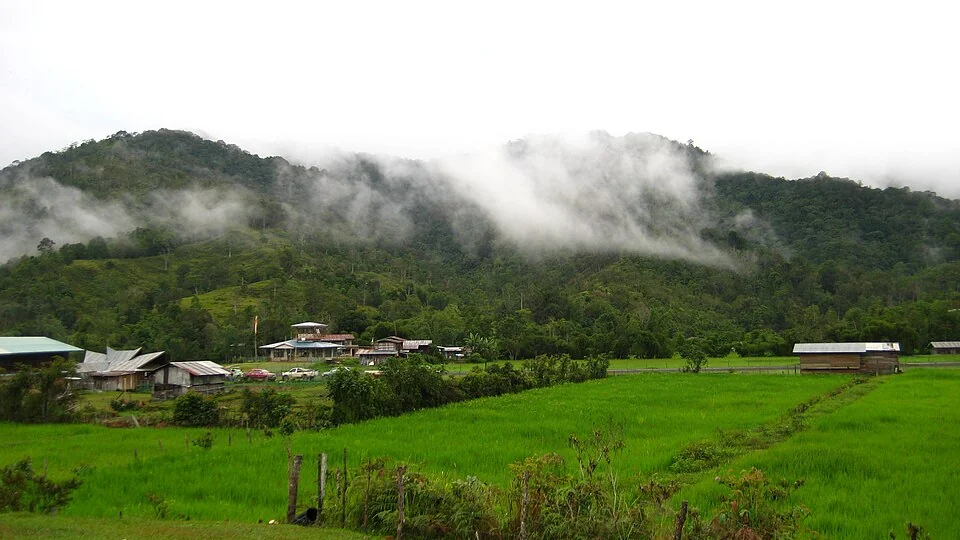
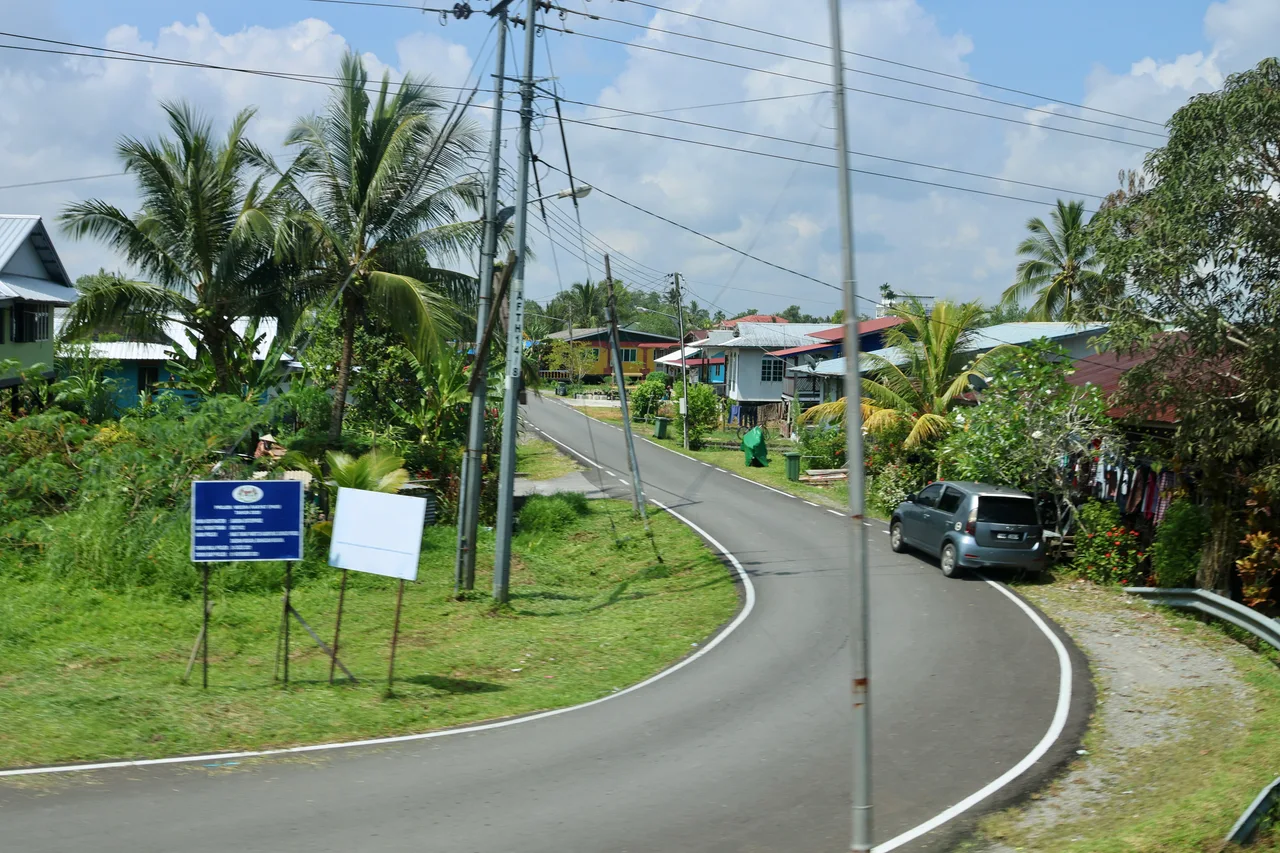
Sarawak is a Malaysian state on the northwestern side of Borneo. Coastal plains, hills and an inland highland zone shape its geography. It shares Borneo with Sabah, Indonesian Kalimantan and Brunei Darussalam. Political borders help organise travel, but forests and river catchments must also be understood as wider landscapes.
Landscape
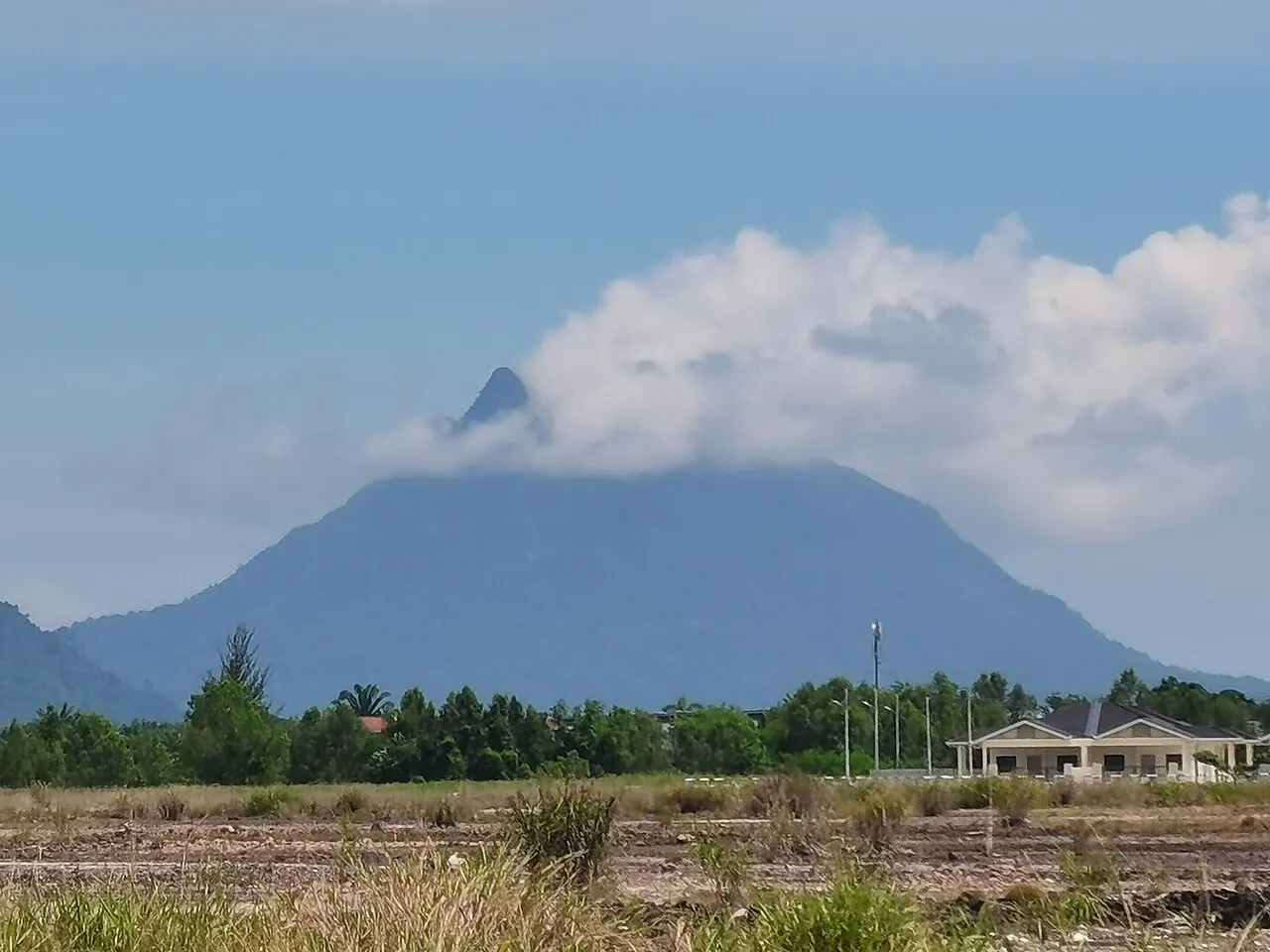
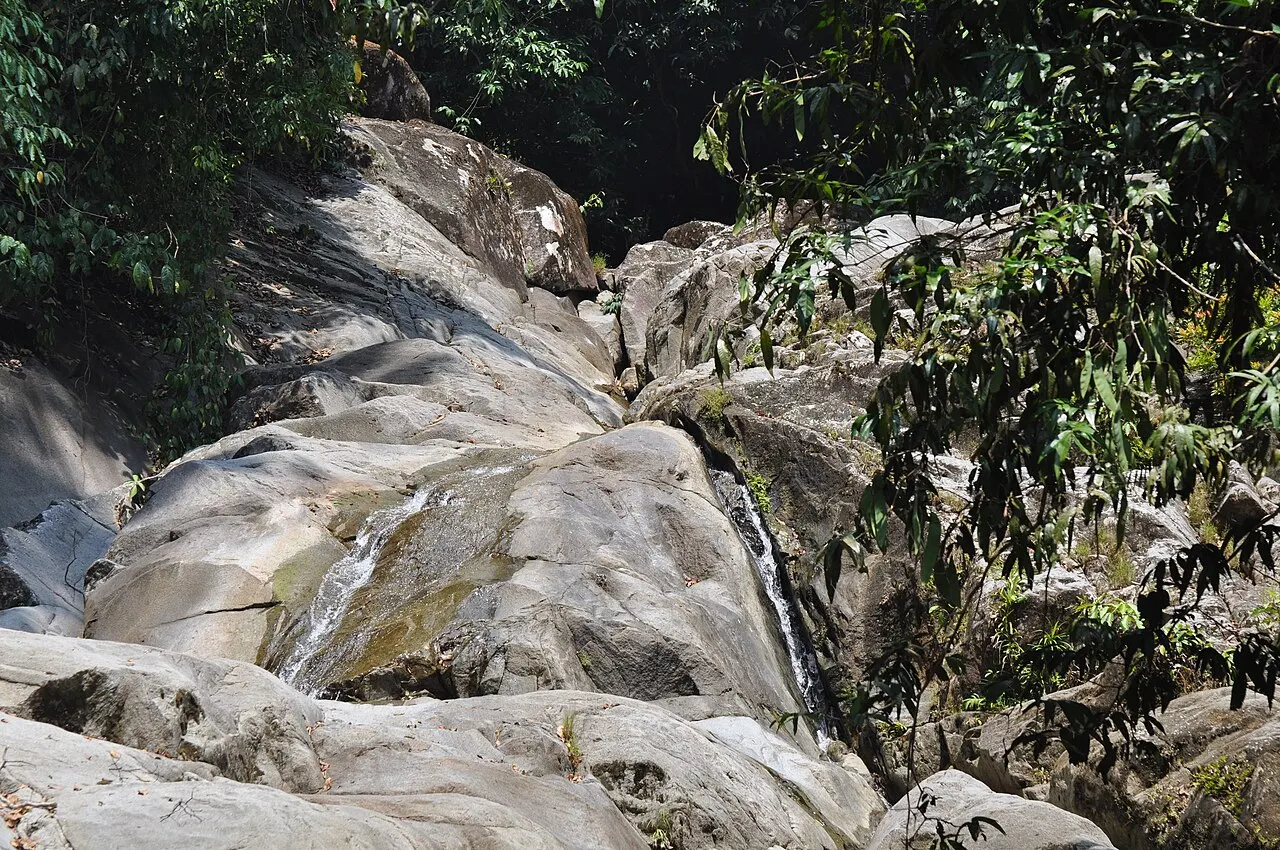
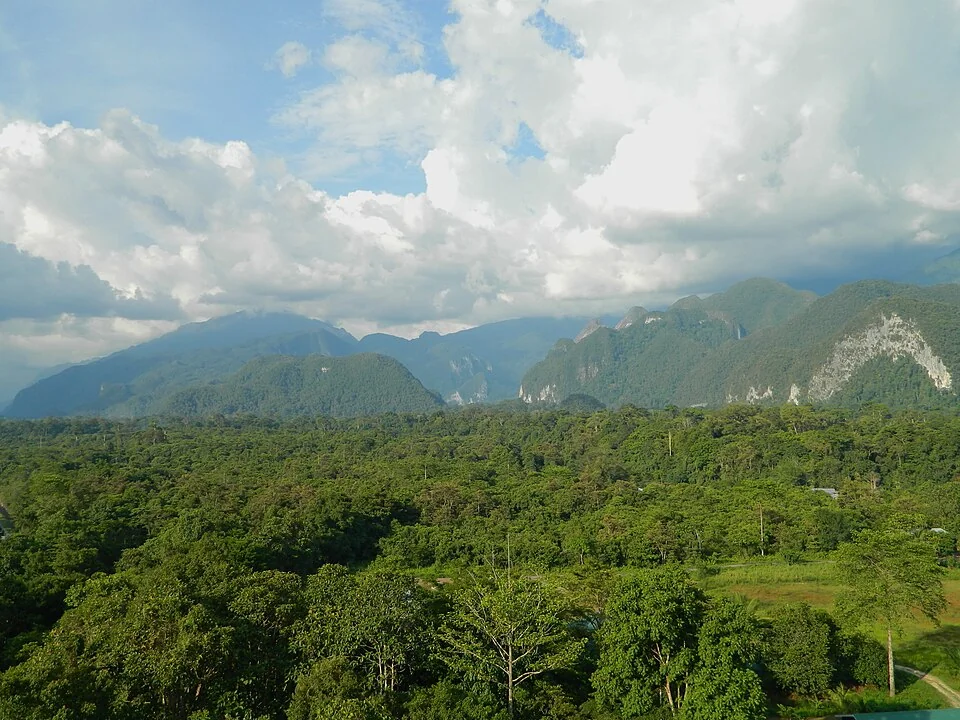
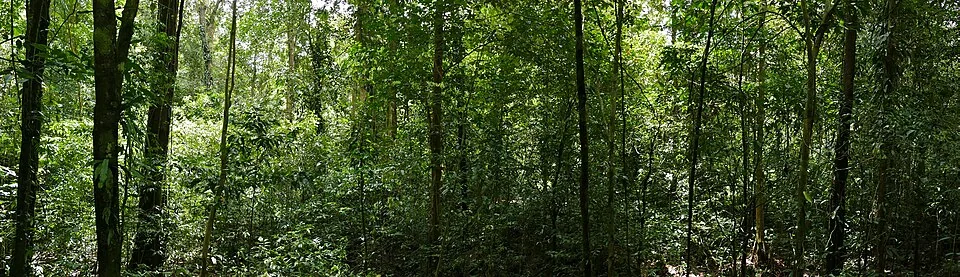
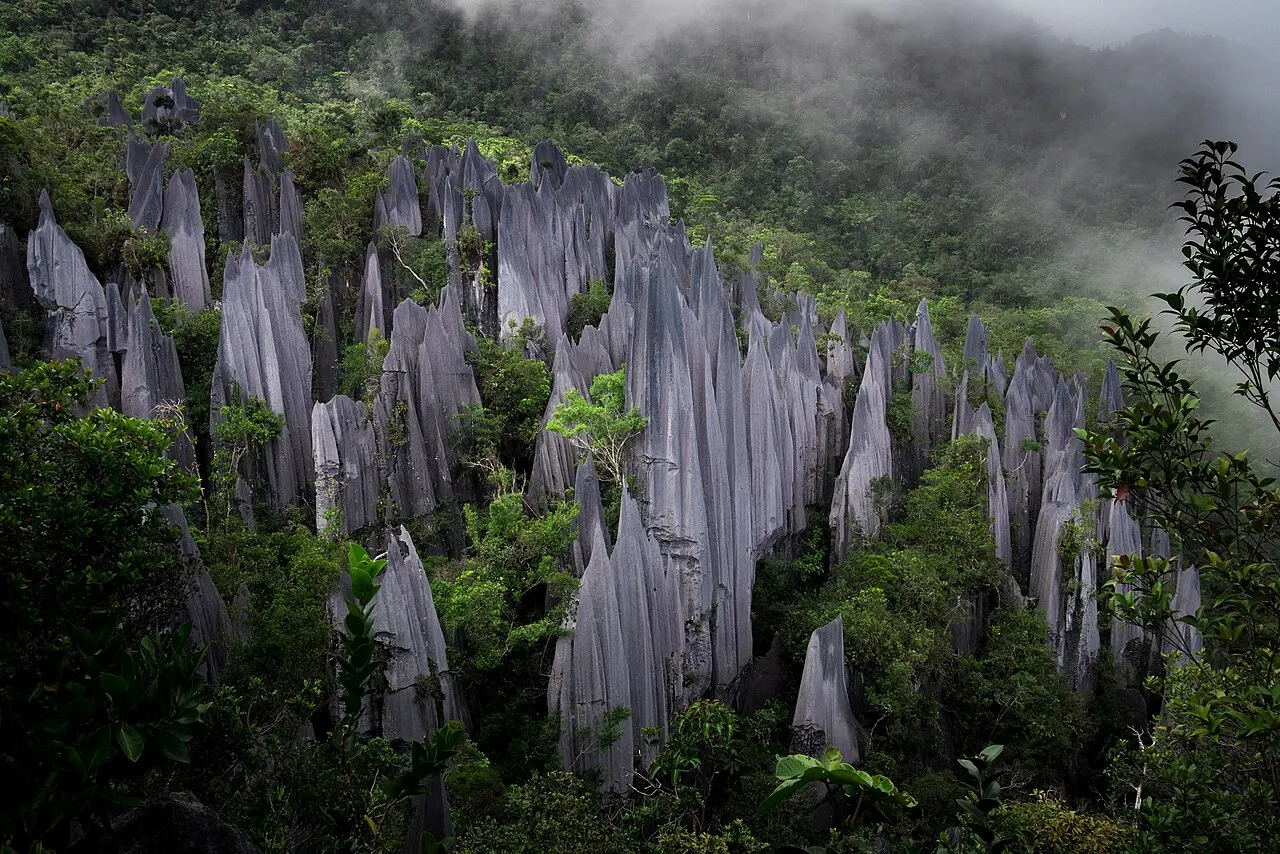
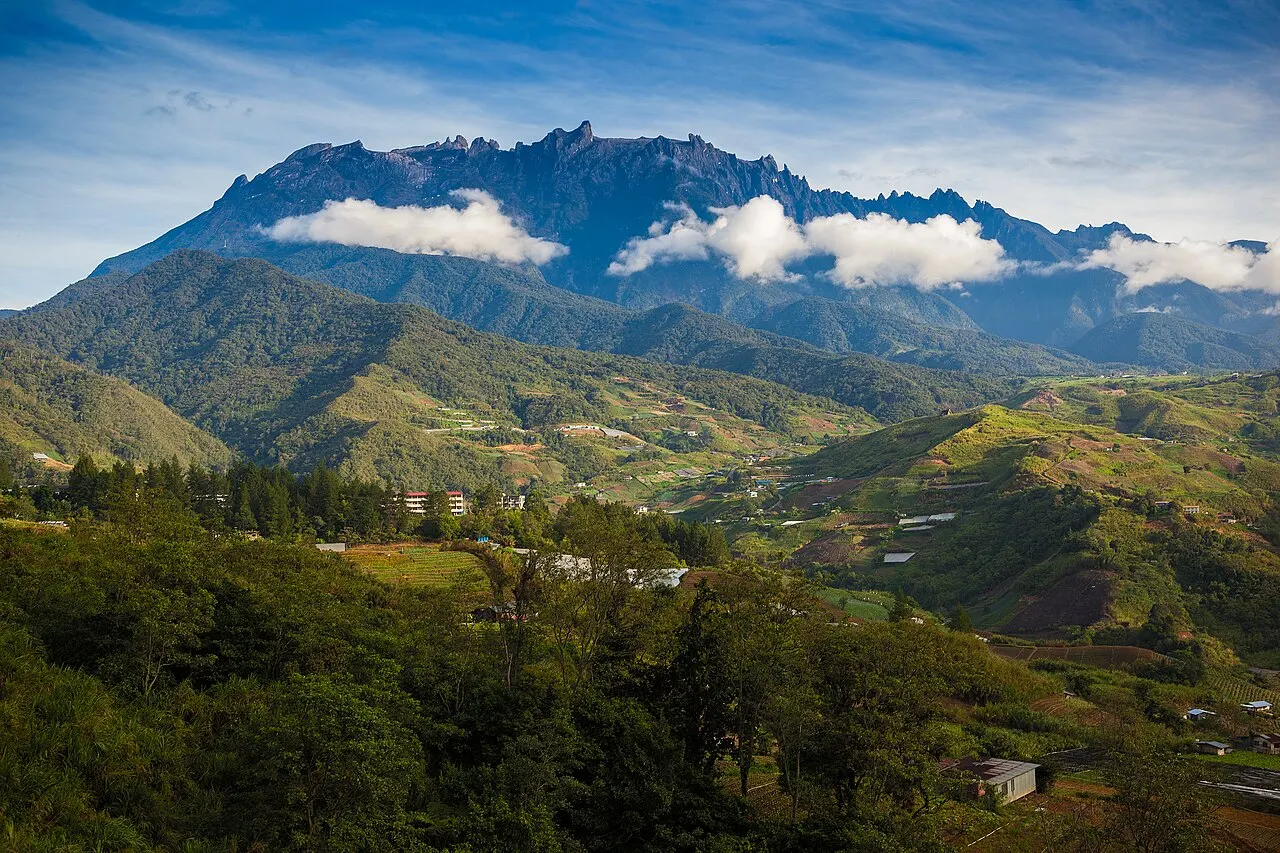
Bakos coastal habitat mosaic contrasts with the limestone landscapes of Mulu and Niah. Karst includes exposed rock, forested ridges and underground passages, each with different conditions. Elsewhere rivers connect urban waterfronts, farmland and forests. These variations make landscape a useful starting point for choosing where to spend time.
Nature & wildlife
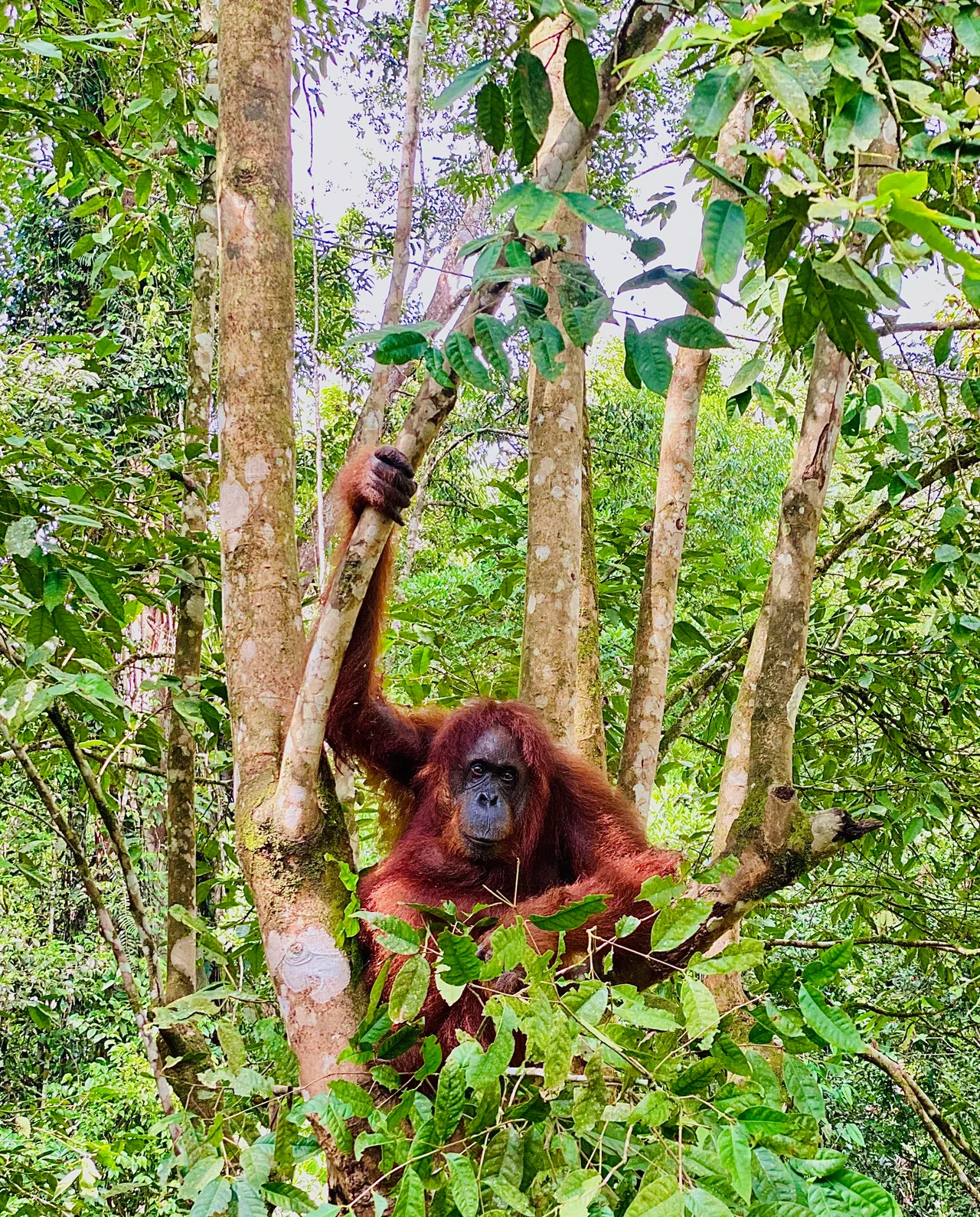
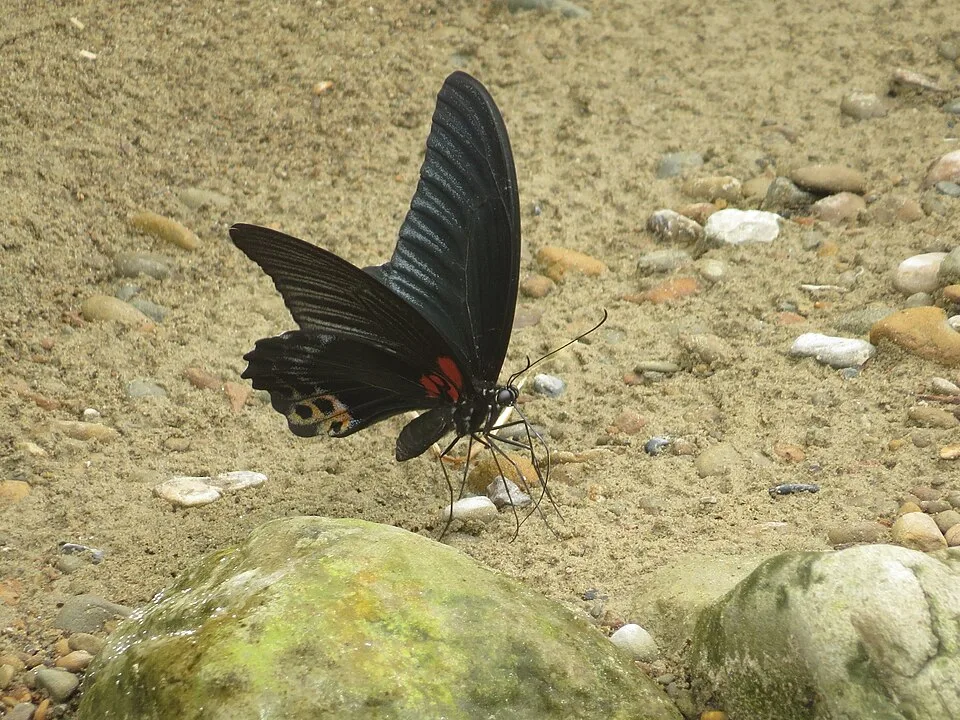
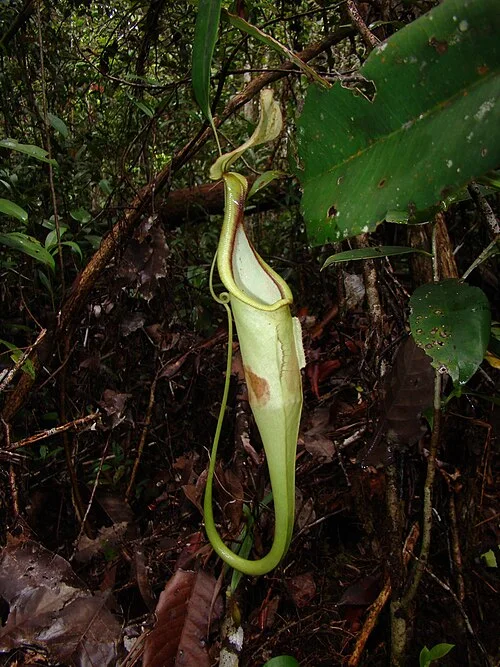
Proboscis monkeys in Bako and wild orangutans in Batang Ai belong to very different forest settings. Both species also occur elsewhere on Borneo, so learning about their habitats adds context to a visit. A protected-area listing does not guarantee a sighting. Give animals space and follow the managing authority’s observation guidance.
Important nature areas
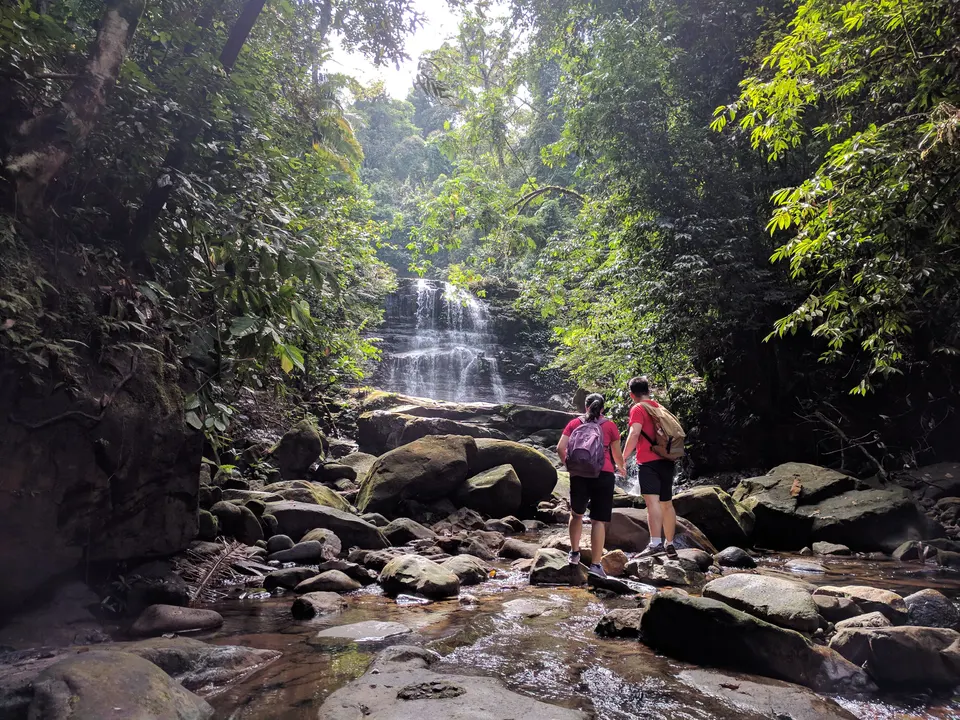
Bako, Gunung Mulu, Niah, Batang Ai, Gunung Gading and Talang-Satang introduce contrasting protected landscapes. Forest ecology, cave systems, archaeological heritage and turtle conservation need separate attention. Their legal park boundaries and UNESCO property boundaries are not always identical. Consult each area’s profile rather than transferring one park’s access rules to another.
Culture
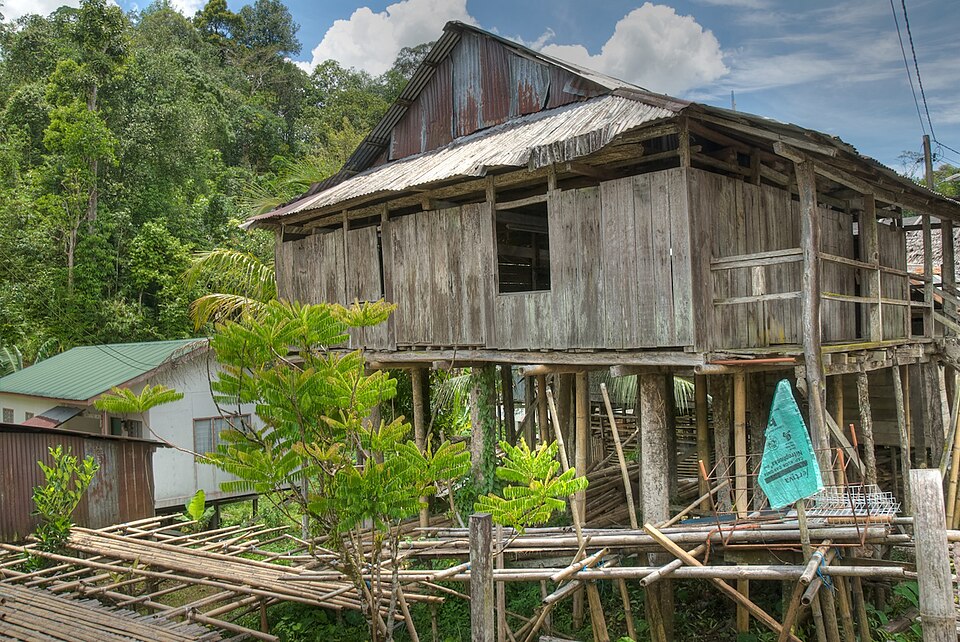
Iban longhouse life, Melanau sago knowledge and Sibu’s Foochow histories offer specific paths into Sarawak’s living heritage. They belong to distinct communities, not one interchangeable culture. A hosted visit or museum display can introduce a subject, but listening to residents is essential for understanding how traditions continue and change today.
Food
Sarawak laksa combines noodles with a richly flavoured broth, while umai introduces a different coastal fish preparation associated with Melanau food traditions. Sago also has an important place in regional foods. Recipes and ingredients vary, so ask the kitchen about the actual dish rather than assuming every version meets the same dietary needs.
Cities & destinations
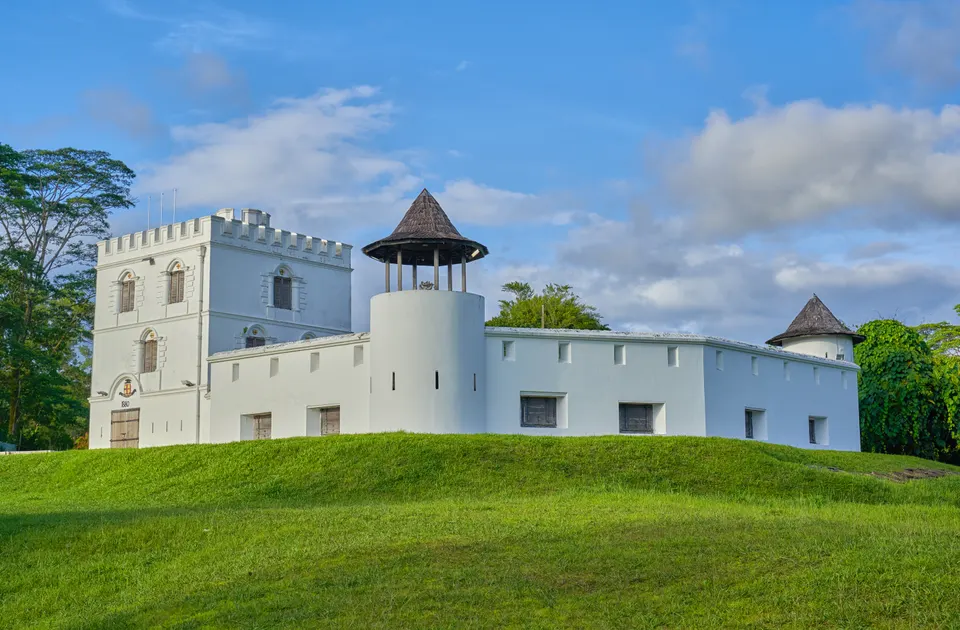
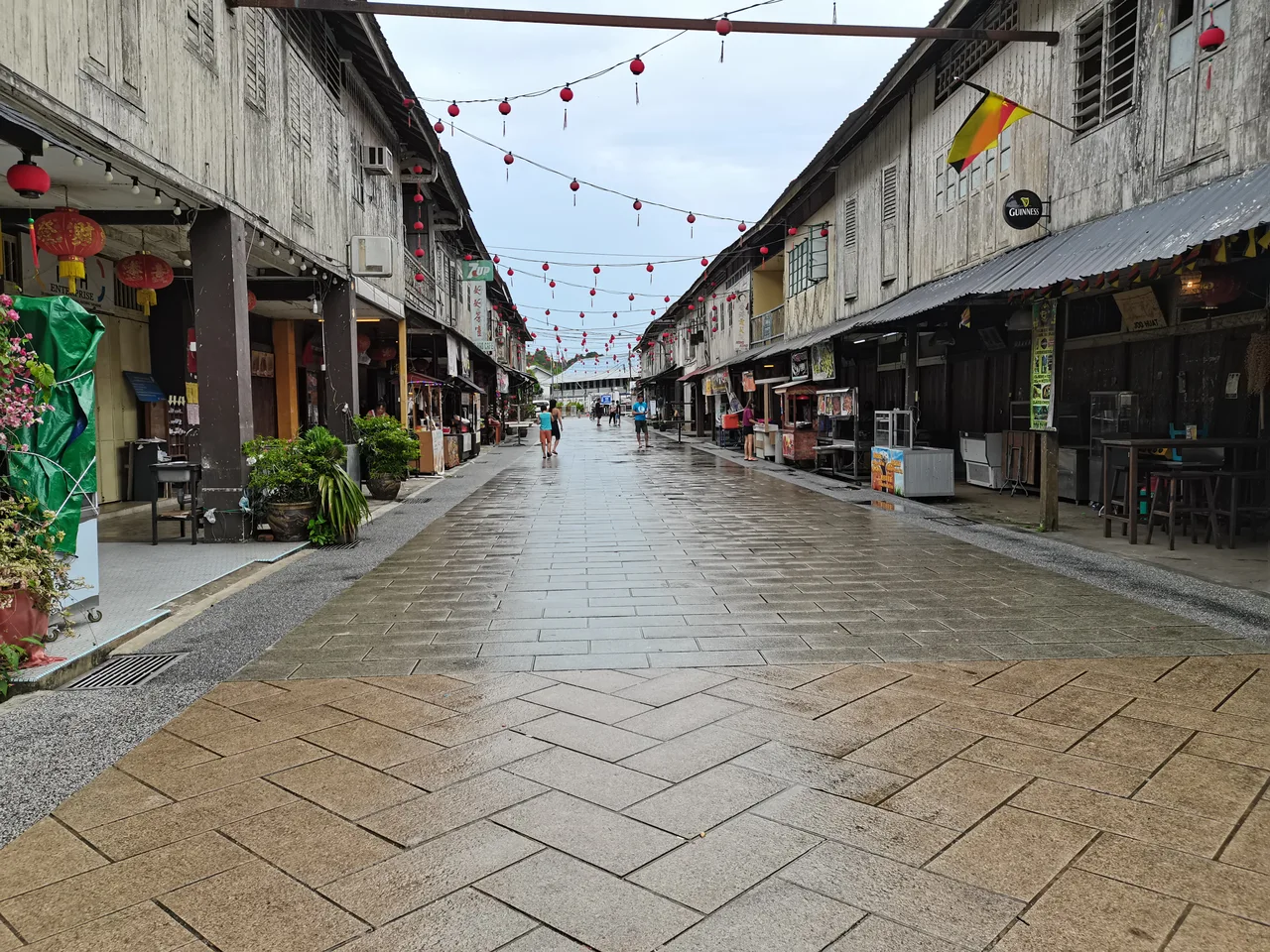
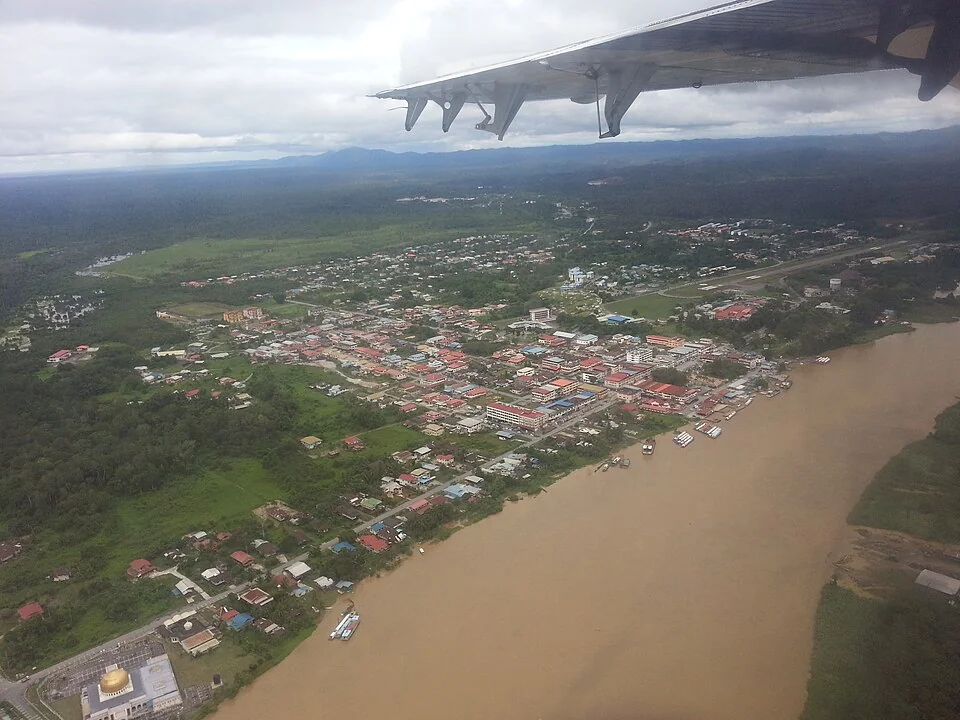
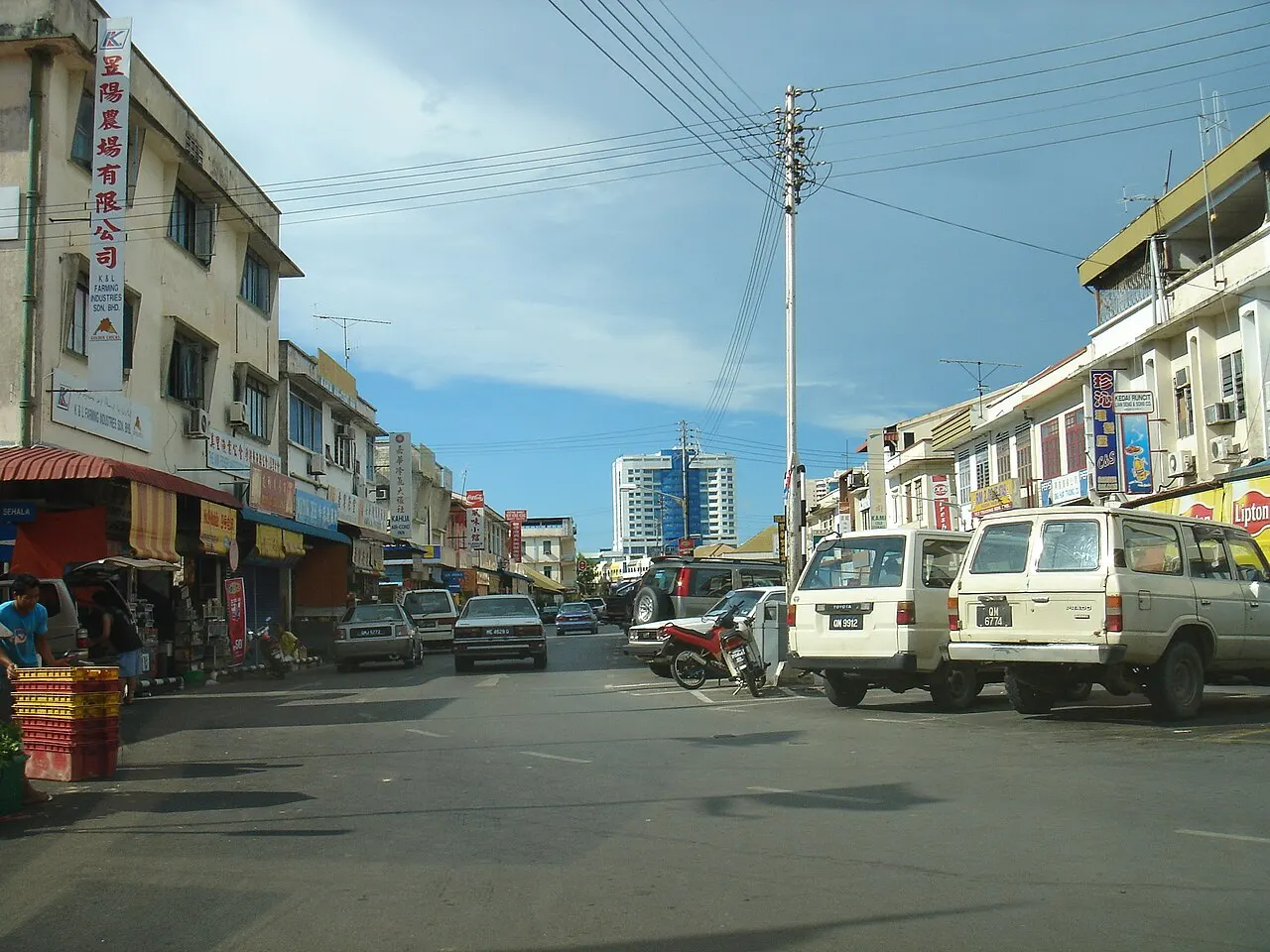
Kuching combines museums and the Sarawak River waterfront. Miri is a northern city with access to the Niah area; Sibu follows the Rajang River’s urban and trading history. Santubong and Damai introduce a coastal peninsula near Kuching. These places offer different settings and should not be mistaken for the nature parks reached from them.
Caves & karst
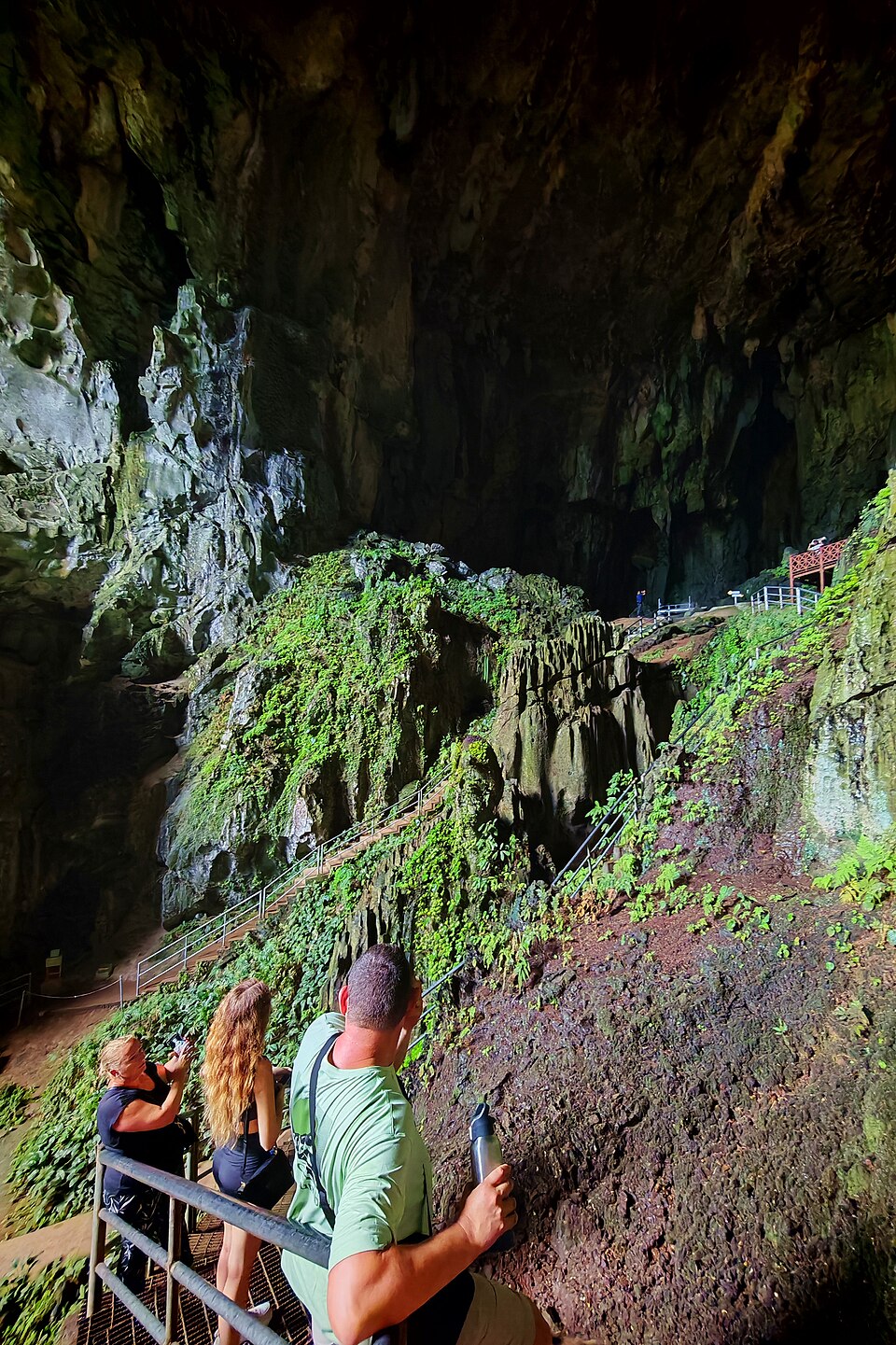
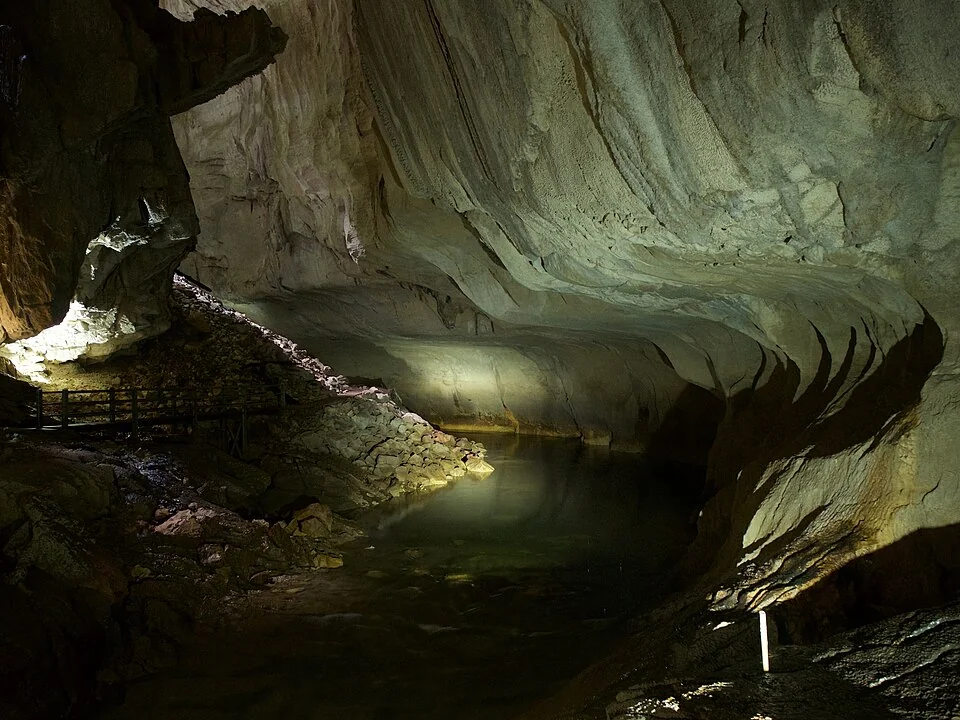
Mulu’s UNESCO recognition concerns its natural heritage, including extensive karst and cave systems. Niah’s 2024 recognition concerns the archaeological heritage of its cave complex. Both settings contain limestone landscapes, but tell different stories. Cave ecosystems also depend on living connections such as bats, guano and organisms using the darkness.
Rivers
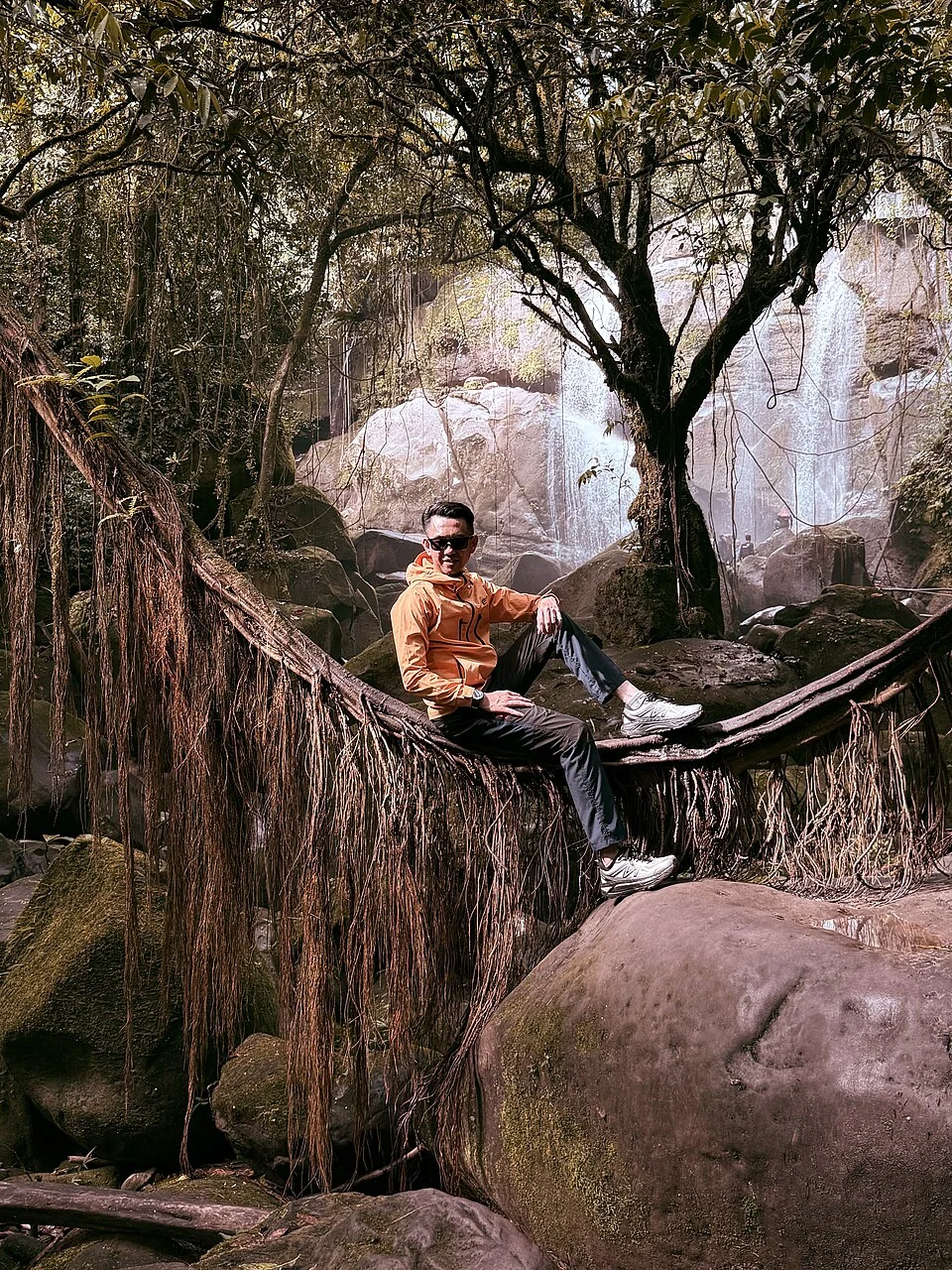
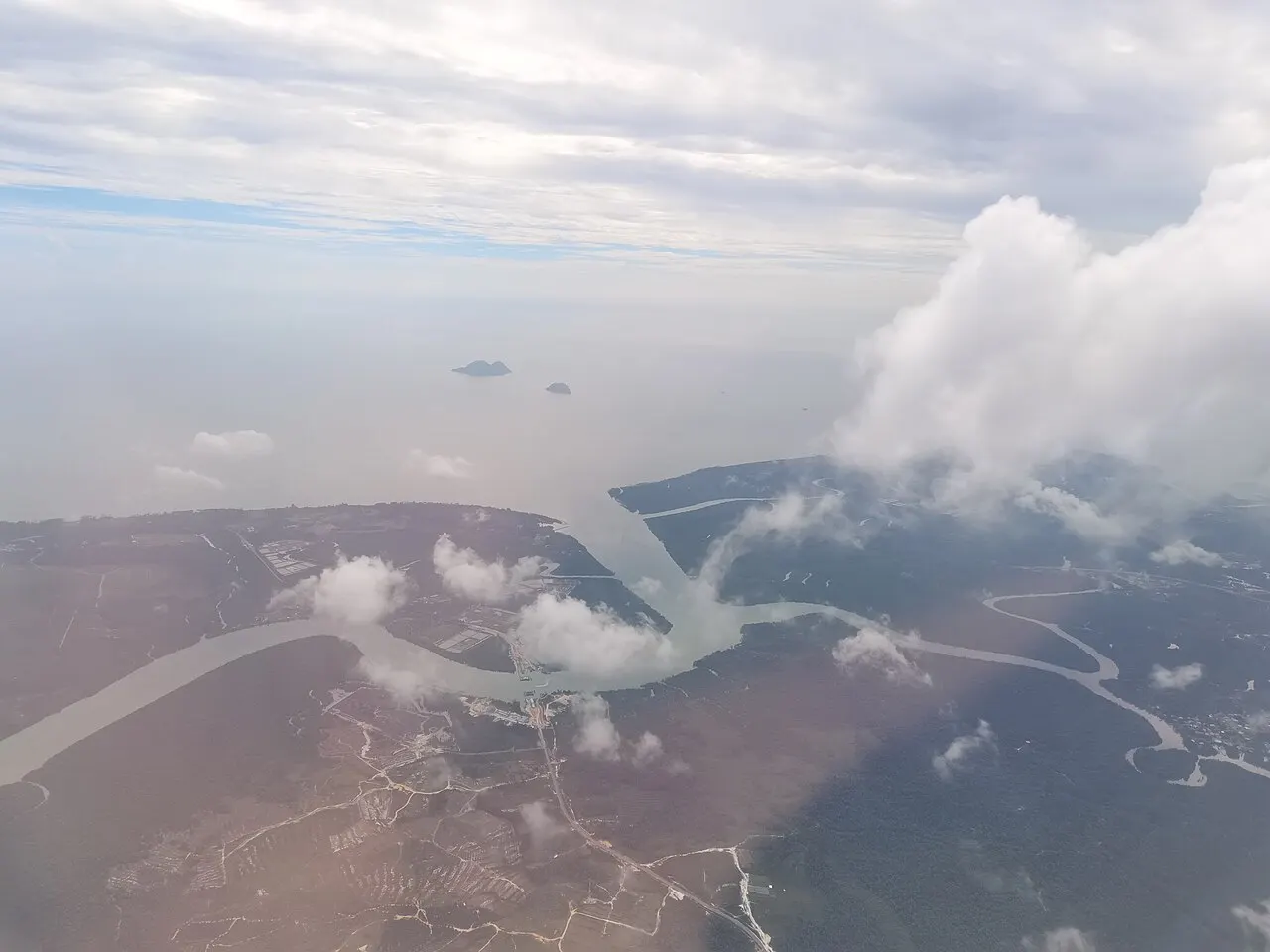
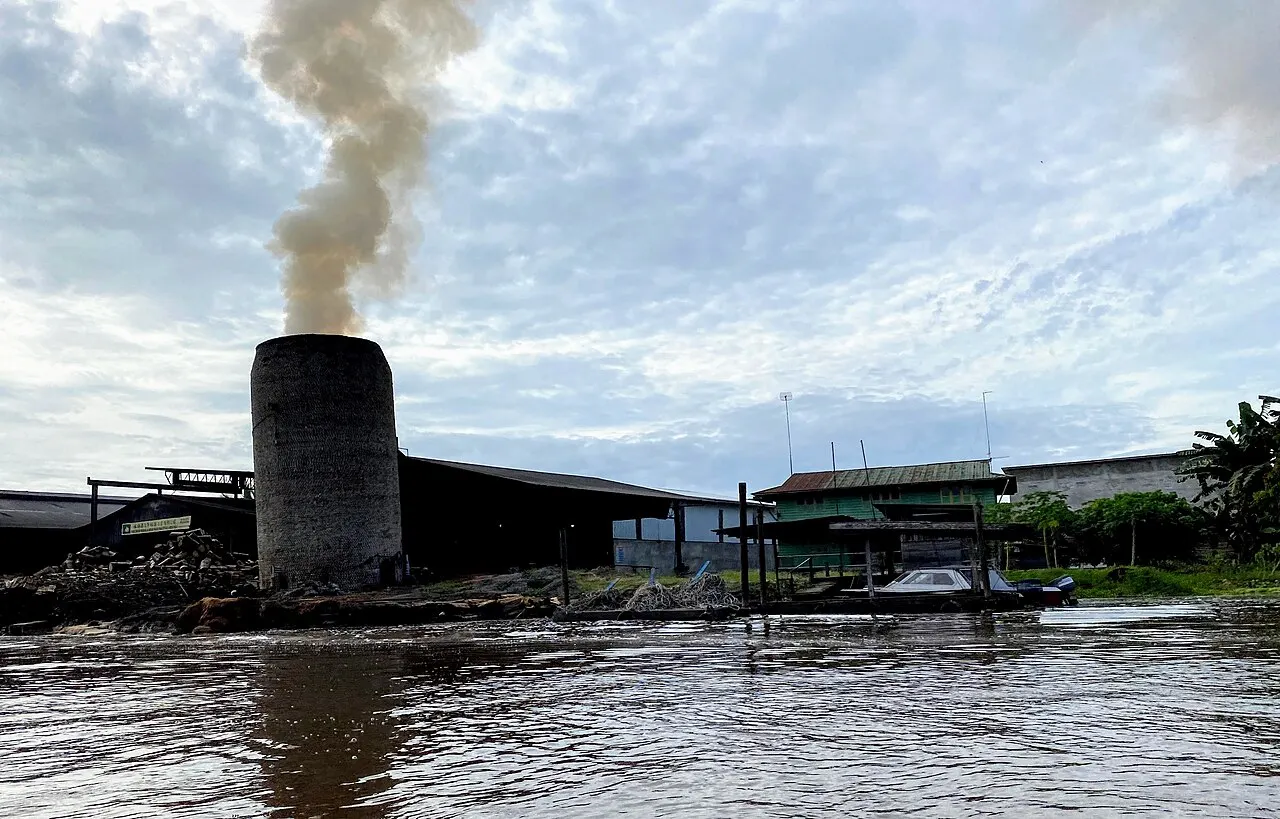
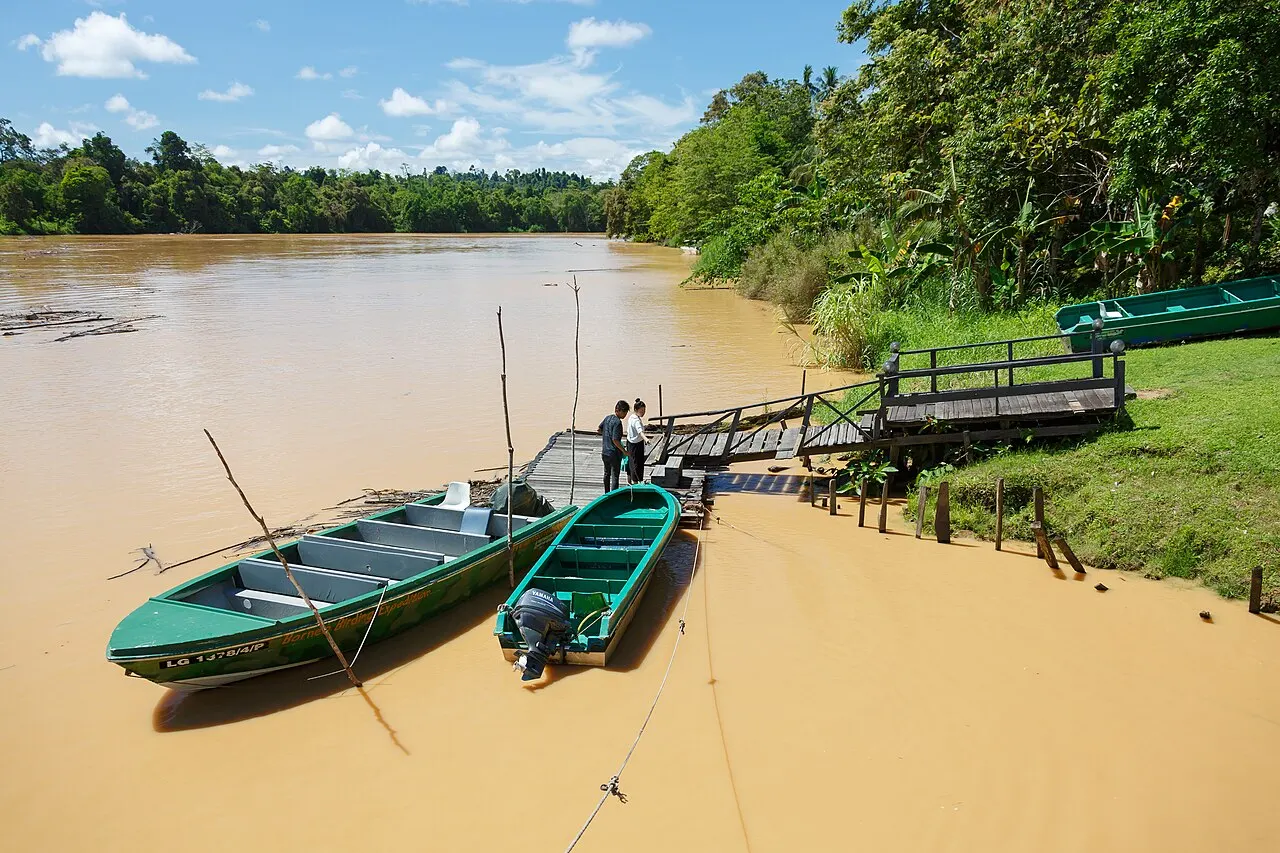
The Rajang and Sarawak River connect different parts of the state’s geography and history. Sibu’s river setting differs from Kuching’s urban waterfront and from inland river journeys near longhouse communities. A river is more than a transport route: its catchment links rainfall, forests, settlements and downstream conditions.
Things to do
Combine a few contrasting experiences: a Kuching museum visit, a hosted cultural encounter, a coastal forest walk or a guided cave visit. These activities have different access requirements and do not all fit into a single city day. Check practical details with the relevant institution, park authority or host before making arrangements.
Getting there
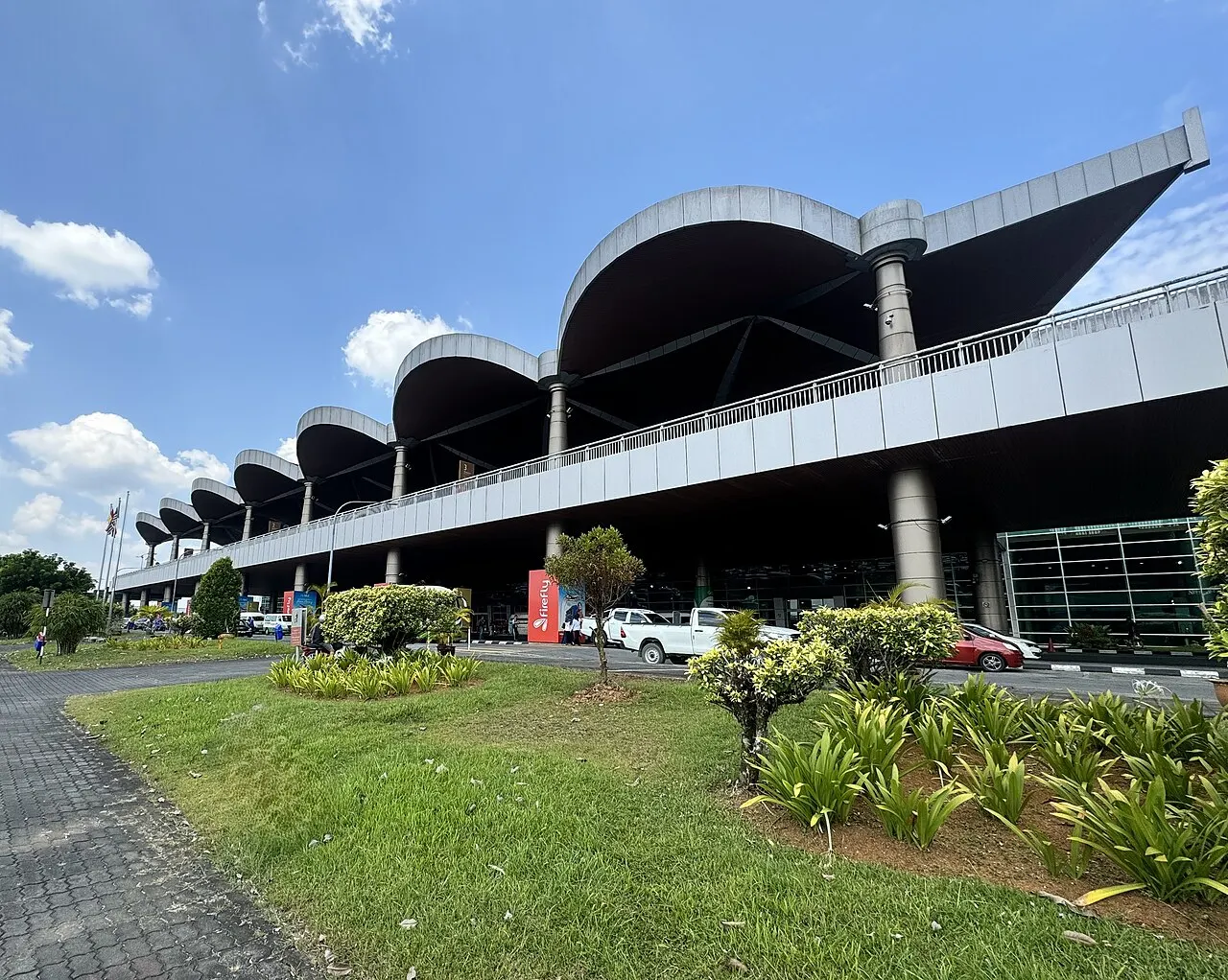
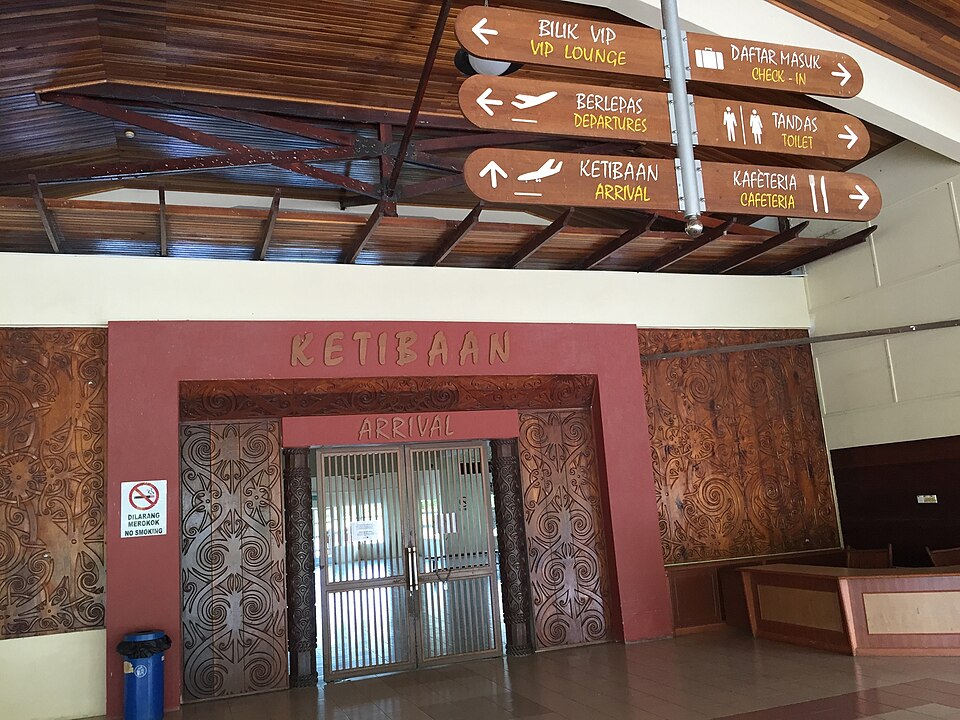
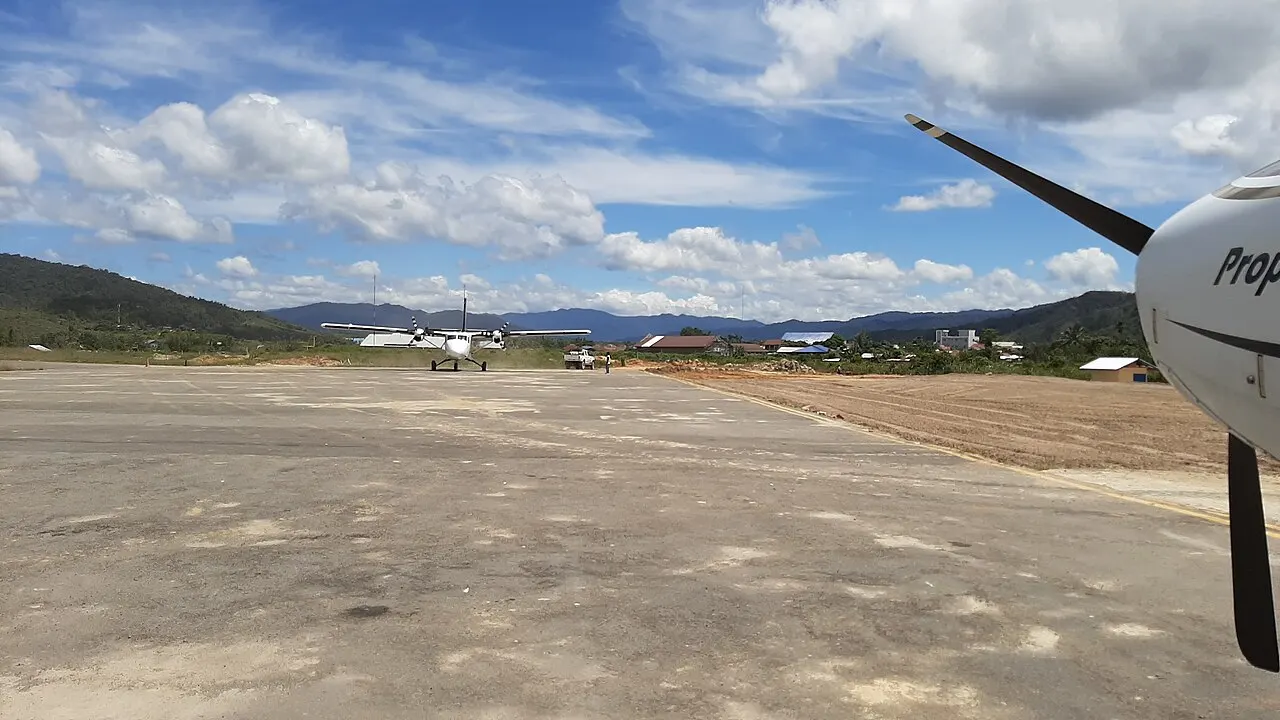
Kuching International Airport uses KCH; Miri Airport uses MYY. Choose the arrival point that matches your route through the state. Airport arrival and onward access to a remote nature area are separate stages, so confirm both. The transport profiles provide official references without implying fixed flight frequencies or guaranteed connections.
Getting around
Road and river travel serve different parts of Sarawak. A transfer from Miri towards Niah, a journey around the Santubong coast and a river outing from Sibu require their own planning. Check the operator, access point and current conditions for each leg. Avoid treating remote park access as ordinary urban transport.
Climate
Warmth, humidity and rain shape travel throughout the year. Rainfall patterns vary across coasts, mountains and the interior; Malaysia’s meteorological service describes several distinct regimes within Sabah and Sarawak. Higher elevations can feel much cooler than coastal towns, so pack for the actual places on your itinerary.
When to visit
There is no single dry season that fits every destination. The northeast monsoon can bring heavy rain to western Sarawak and eastern Sabah, while local conditions still differ. Check forecasts and park notices shortly before departure. Leave room to change boat trips, mountain walks or diving when weather affects access.
Practical information
Ask permission before entering community spaces or photographing residents. In caves and conservation areas, follow the managing authority’s restrictions and avoid touching archaeological surfaces or disturbing wildlife. Turtle conservation islands have particular access controls. Opening times, permissions and travel conditions should be confirmed close to the visit rather than assumed from older accounts.
Places to stay
Verified accommodation profiles introduce Hilton Kuching and Pullman Miri Waterfront as separate city bases. Their locations can help structure arrival and onward travel, but they do not establish the availability of trips to remote parks. Confirm room availability, facilities and any transport requests directly with the property before deciding where to stay.
Related stories
Follow the stories linking limestone caves with natural and archaeological heritage, and rivers with the living traditions of different communities. They provide context for the individual destination, culture and food profiles. Let those connections guide your reading without compressing separate places or distinct community histories into a single general story.
Discover · Plan · Book
Choose your experience first, then arrange a base and the necessary transfers. These links connect the places and practical information reviewed for this destination.