Prepare for your actual route
This is general travel preparation, not personal medical advice. Take your planned regions, activities, duration and accommodation style to a travel-health professional before departure. A city visit, a remote river stay and a high-altitude climb create different questions. The country resources below help prepare that conversation; vaccination and malaria-prevention decisions belong to an individual assessment.
Explain any need for regular medication, refrigeration, mobility assistance or urgent access to care to the relevant professional and host. Carry medicines in suitable packaging with required documentation and check their import rules. Keep important medical and insurer contacts available without mobile data. Planning these details early makes it easier to choose a route that fits your needs.
Heat, insects, food and water
Arrange safe drinking water throughout transfers, not only at the hotel. Take breaks in shade and adjust the pace to heat and humidity. Use the official food-and-water and insect-bite advice linked through TravelHealthPro. Mosquito protection matters in towns as well as forest settings, and some mosquitoes bite during the day. A room’s location beside nature does not remove the need for routine precautions.
Ask guides how water is supplied during longer walks and what happens if someone needs to turn back. Avoid touching or feeding wildlife. After an animal bite or scratch, seek prompt medical assessment rather than waiting for the next convenient city stop. If you become unwell during or after travel, tell the clinician where you went, including remote areas and relevant exposures.
Insurance and regional advice
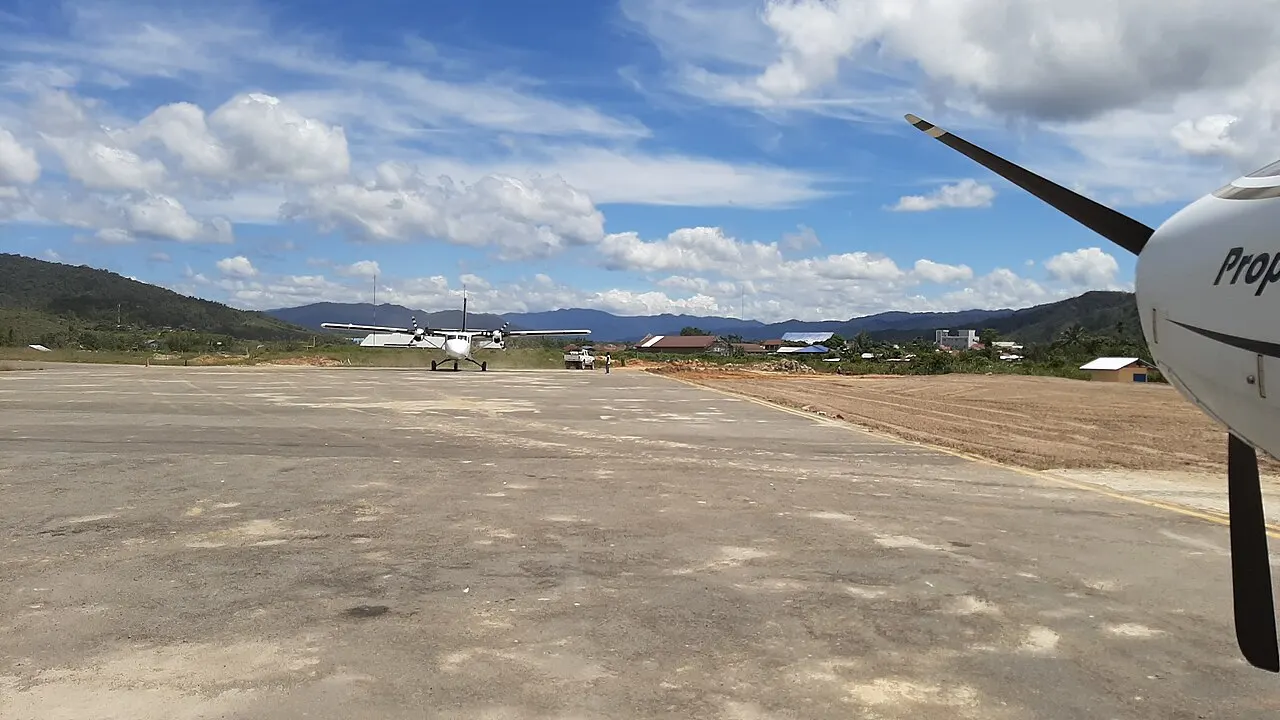
Choose cover for the activities you actually plan: diving, climbing, motorcycling or remote evacuation may need specific terms. Ask the insurer how assistance is authorised and whether the route remains covered under your government’s travel advice. Keep the assistance number and policy details with a travelling companion. A medical evacuation plan should identify how help is contacted and the first usable road, jetty or air connection, rather than simply assuming an ambulance can reach the lodge.
Advice is regional. At the source check, the UK FCDO advised against all but essential travel to islands and dive sites off eastern Sabah between Sandakan and Tawau; that warning did not apply to mainland Sabah. Read your own government’s current advice and your insurer’s terms before booking marine travel. Do not turn one advisory into a claim that all Borneo is safe or unsafe.
A workable remote-travel plan
For Krayan, an interior community stay or a forest visit, arrange the guide, invitation where relevant, return transport, meals, water and accommodation together. Establish where mobile service ends and when the host expects your next contact. Carry agreed cash and essential supplies; leave room for a delayed departure. Follow local instructions on river levels, trails and weather.
Choose vehicles with suitable restraints and boats with usable life jackets; ask about fit for children before arrival. Share the itinerary with someone outside the travelling group and agree what a missed check-in should trigger. Begin with a manageable regional plan, use transport arrangements for the access chain and accommodation guidance for the host questions. These steps support an enjoyable journey without filling every day with contingency warnings.