A landscape shaped by a single catchment
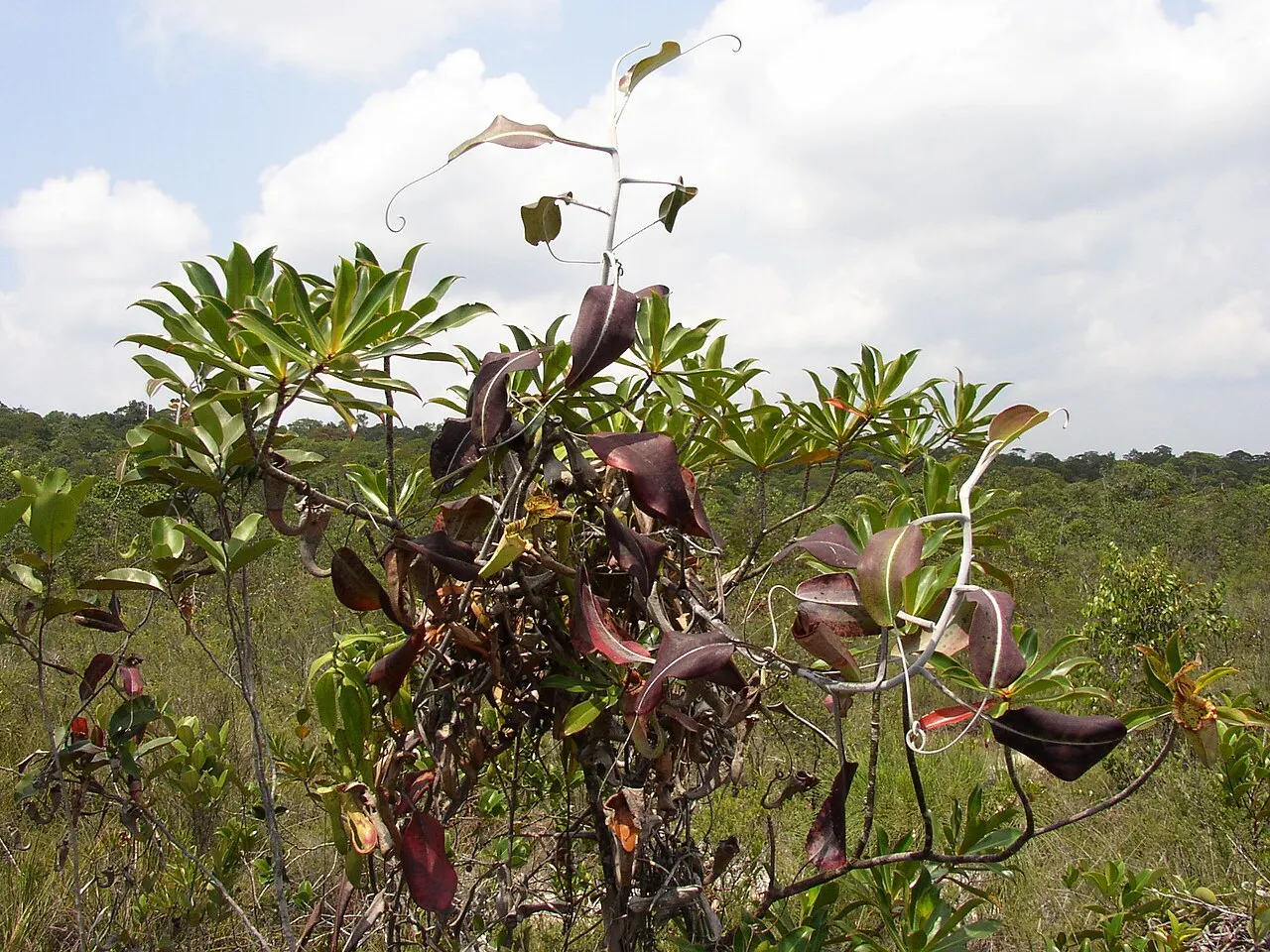
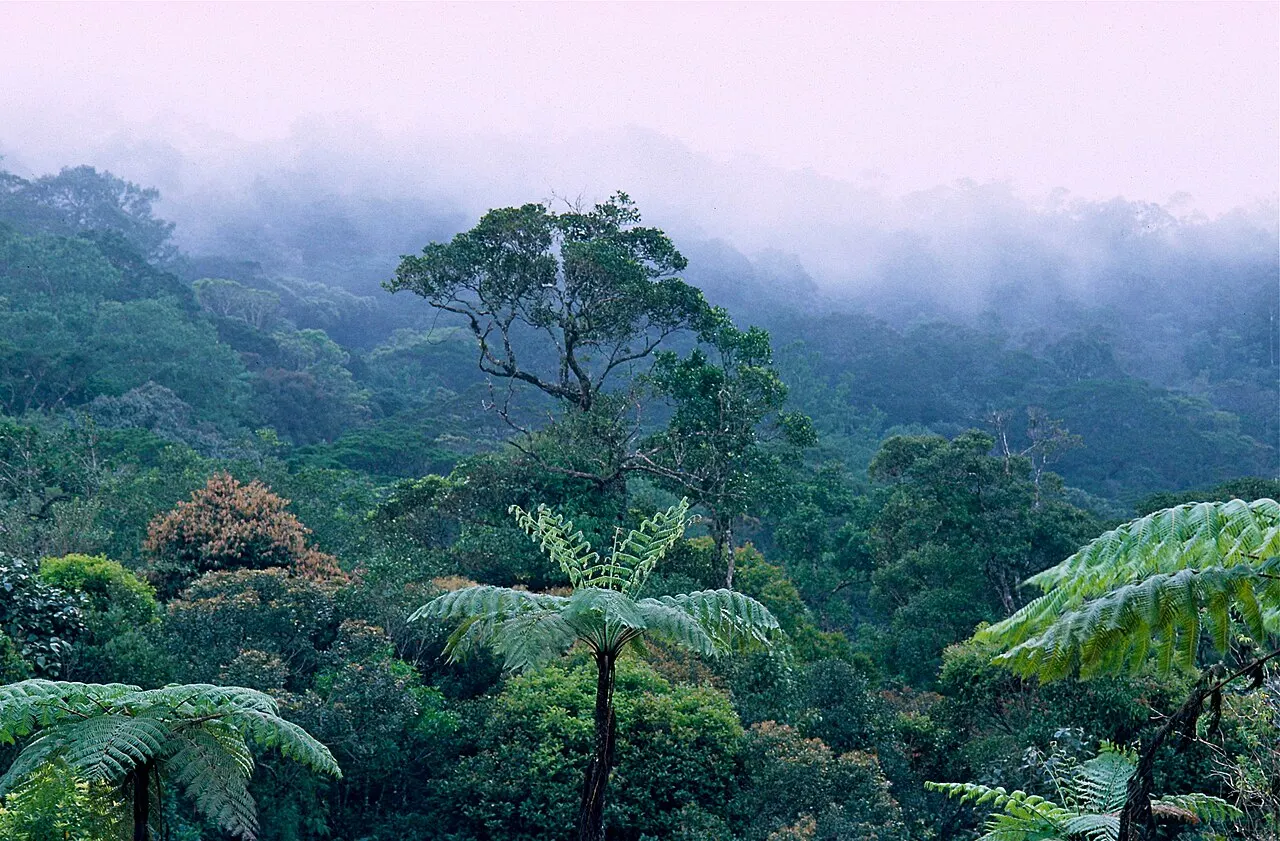
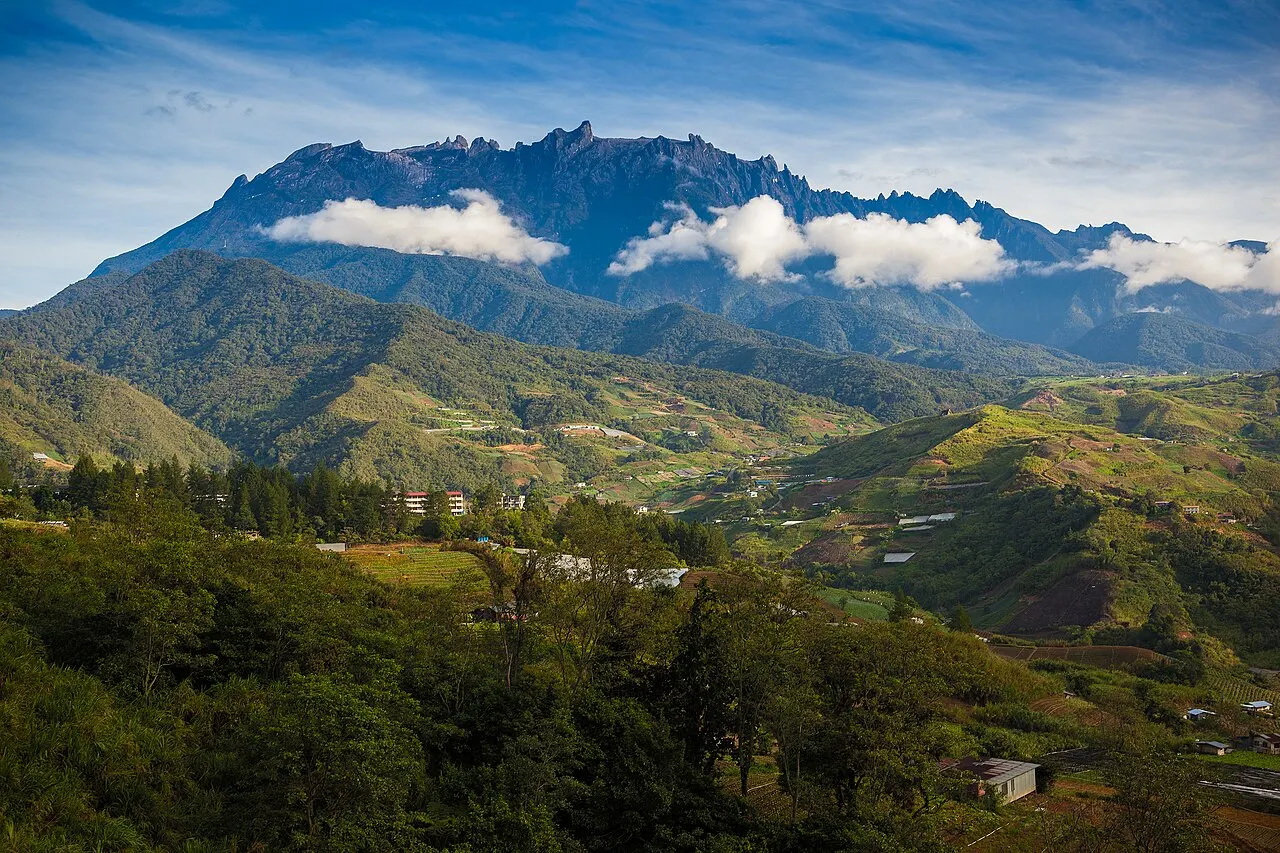
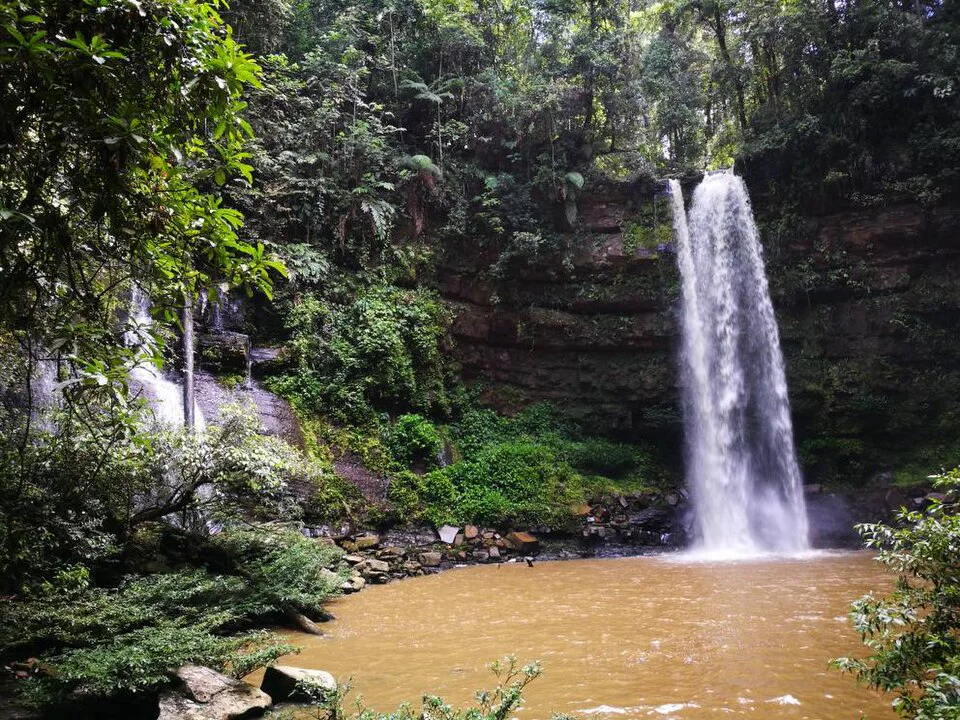
The basin's bowl-like geography gathers streams into the Maliau River and connects this forest to the wider Kinabatangan river system. Its value extends beyond an individual waterfall: the protected landscape brings together several forest environments, botanical diversity and opportunities for research. Sabah Tourism Board describes lower montane forest, heath forest and dipterocarp forest among its habitats. These are not interchangeable backdrops. A visit makes more sense when the chosen route explains a particular part of the landscape instead of promising access to the whole basin. The area has Class I Protection Forest Reserve status; conservation governs the experience.
Choose the Studies Centre or a trekking programme
The management's published options include Studies Centre visits from a day programme to several nights, while trekking programmes normally run for four days and three nights or five days and four nights. A Studies Centre stay provides a base for the activities included in that booking; it does not automatically include a trek to Maliau Falls. The falls belong to a more demanding interior journey. Ask for the actual route, daily walking expectations, overnight arrangements and guide provision before choosing. A published day programme also does not mean that a same-day journey from Kota Kinabalu is a sensible substitute for a planned stay.
Settle permission and transfers before travelling
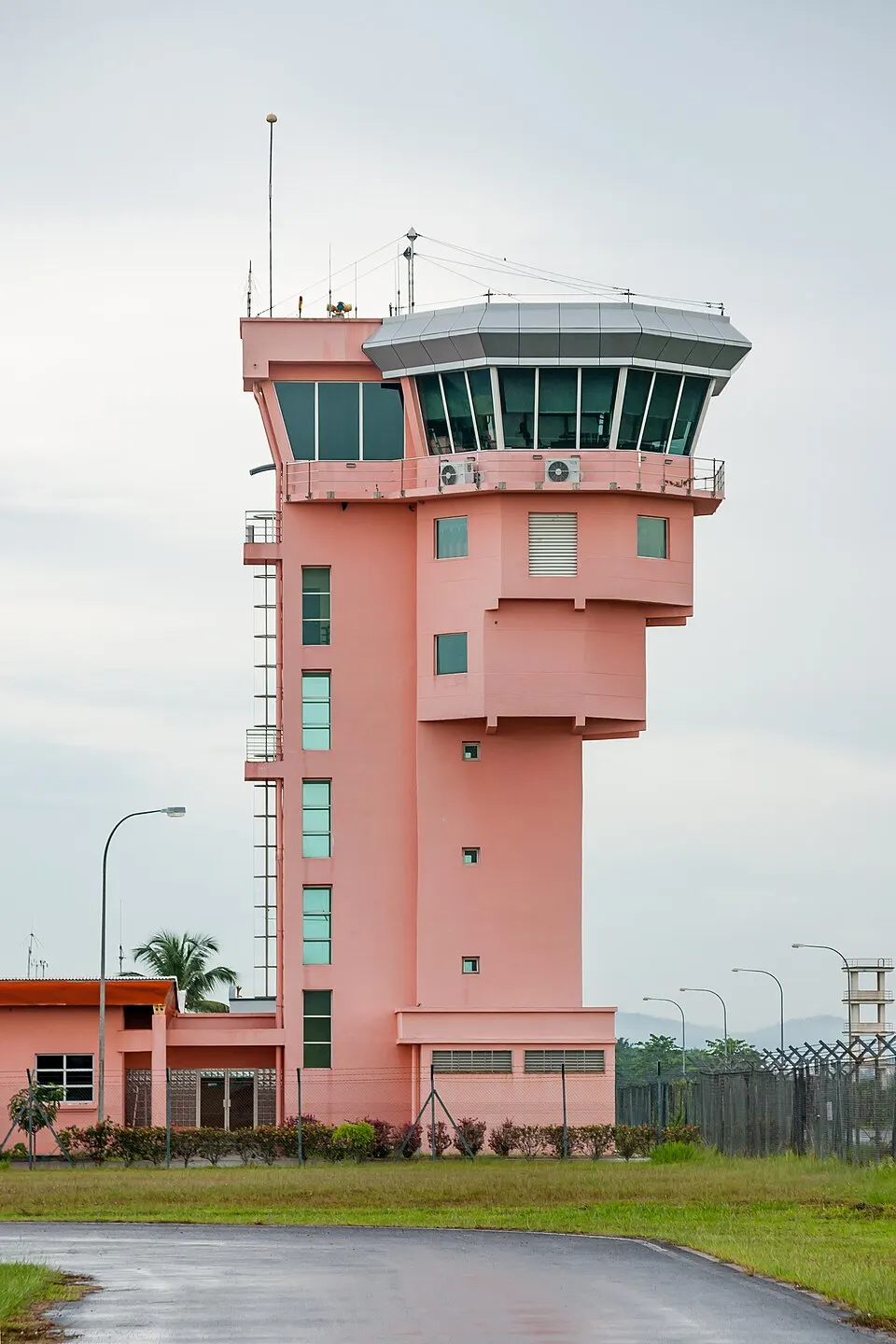
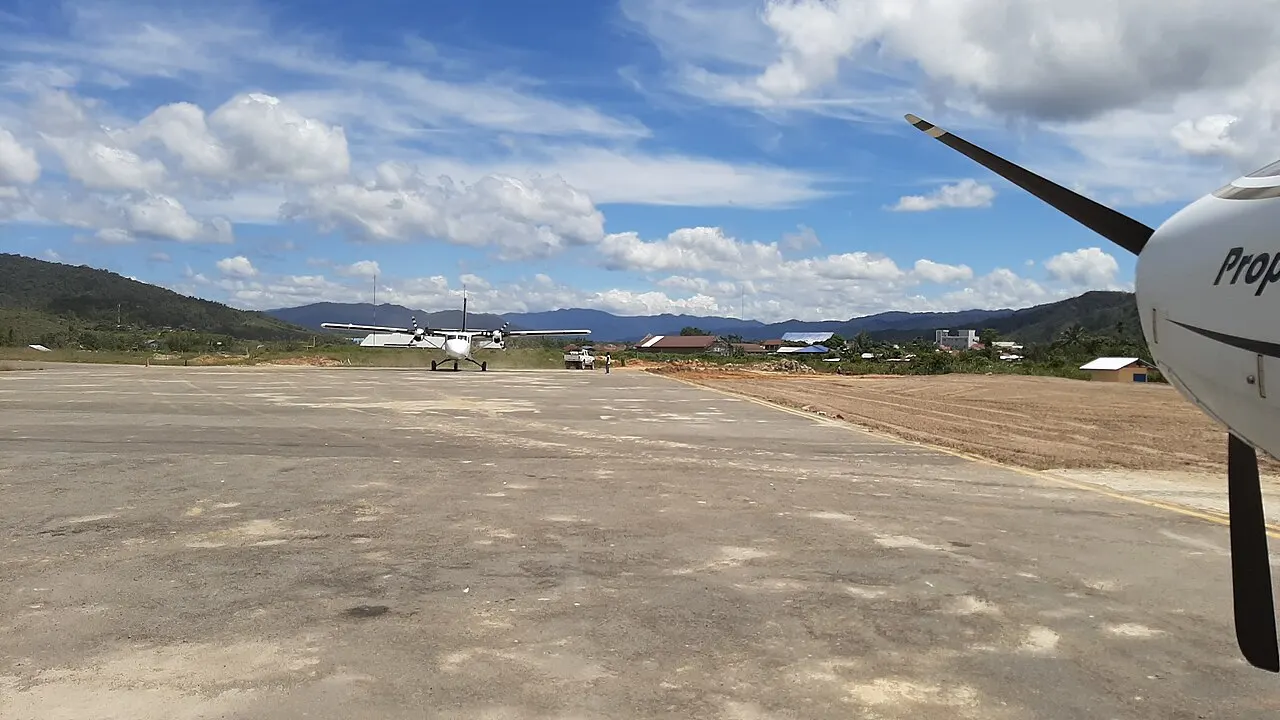
Advance permission is required from Yayasan Sabah's Conservation and Environmental Management Division. The manager and Sabah Tourism Board recommend arranging the visit beforehand, directly or through a licensed operator. Tawau Airport provides one approach, followed by a substantial road transfer; management quotes roughly four hours from Tawau. Another approach uses the Keningau–Kalabakan road. Published estimates distinguish the journey to the gate from a further drive to the Studies Centre. Treat those figures as planning estimates and confirm road conditions, pickup, arrival procedures and return destination for your dates. A map point alone cannot replace these arrangements.
Prepare for remoteness and the chosen route
Communications and facilities are limited, and trekking is described as moderate to strenuous rather than an easy forest stroll. Discuss fitness, walking surfaces, luggage, meals, drinking water and emergency arrangements with the organiser. The management describes the gate-to-Studies-Centre road as asphalt with some maintenance and does not impose a universal four-wheel-drive requirement in its published FAQ. Vehicle suitability should therefore be confirmed for the booked journey rather than inferred from older accounts. Keep a buffer around the trip and read the existing remote-travel preparation guide. A shorter centre-based stay can be a different choice, not a guarantee of an easier version of every interior trail.
Let forest observation remain unpredictable
Guided walks, birdwatching and night activities appear among the manager's offerings, but the selected programme and current conditions determine which take place. The reserve supports wildlife; this does not make an orangutan, sun bear or other mammal sighting an inclusion that can be sold with certainty. Let your guide interpret tracks, calls and vegetation as well as visible animals. Stay on the permitted itinerary and leave sensitive research and wildlife locations out of personal route plans. Confirm what can be photographed and follow staff instructions. Maliau works best as a deliberately planned part of a Sabah journey, with time for its conservation context and long transfers.