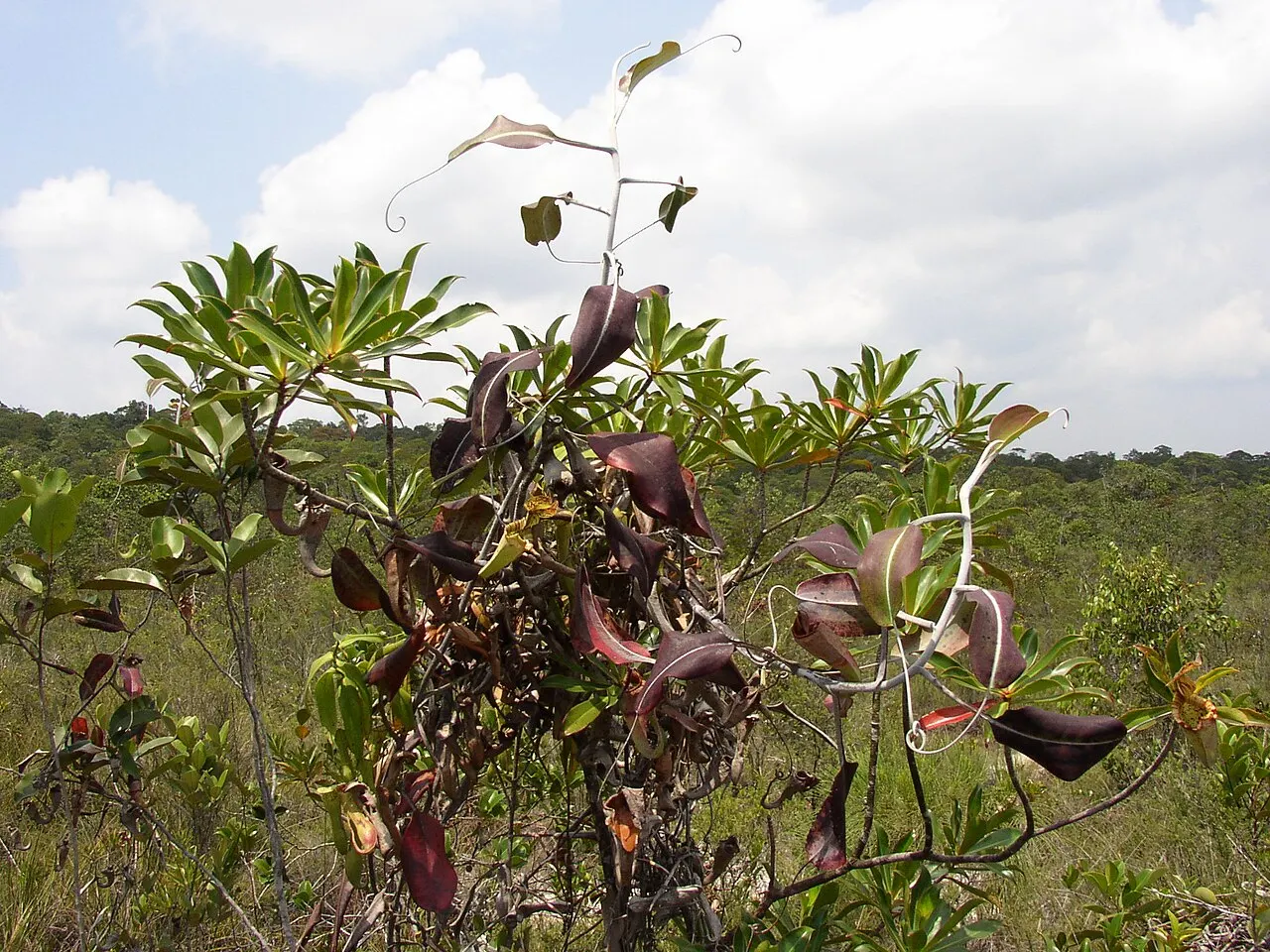
Characteristics
UNESCO explicitly identifies kerangas in the biosphere reserve. Its record stays distinct from peat-swamp and freshwater-swamp habitats so that species associations can be added only with appropriate evidence.
Sources & references · 1
UNESCO Man and the Biosphere Programme · Tanjung Puting Biosphere ReserveDistribution
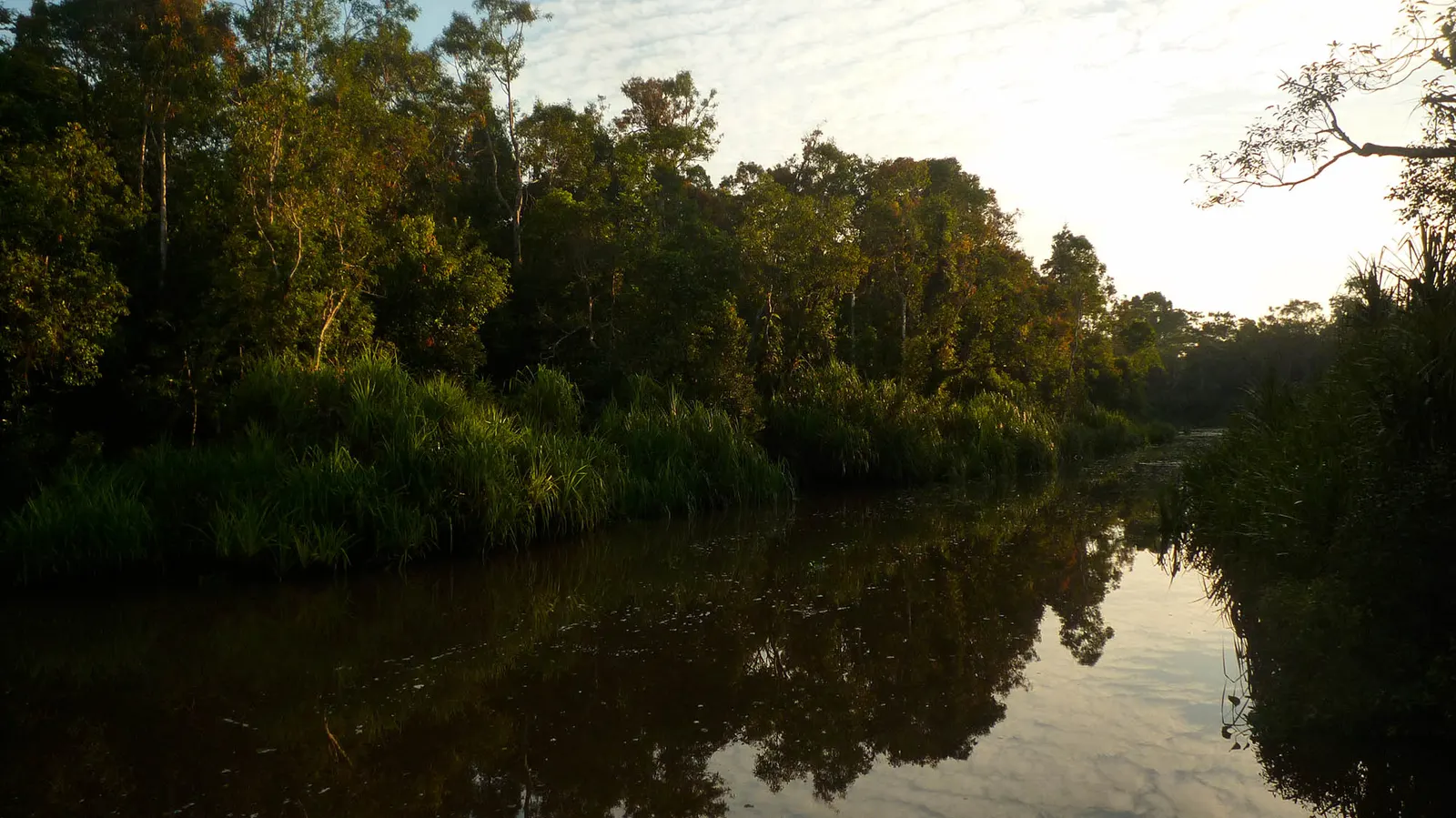
Tanjung Puting in Kalimantan and Bako in Sarawak contain documented kerangas. Brunei’s biodiversity report also identifies coastal kerangas forests as important conservation sites. These named examples do not establish continuous heath forest across Borneo.
Ecological importance
Kerangas adds a distinct heath-forest environment to Borneo’s forest diversity. Preserving this habitat alongside swamp and dipterocarp forest maintains the ecological variety documented in Tanjung Puting and Bako.
Threats
UNESCO identifies illegal logging, fire, cultivation, mining and poaching among pressures on Tanjung Puting’s landscape. These pressures affect connected habitats; the listing is not a current condition survey of every forest patch.
Sources & references · 1
UNESCO Man and the Biosphere Programme · Tanjung Puting Biosphere ReserveSpecies found here
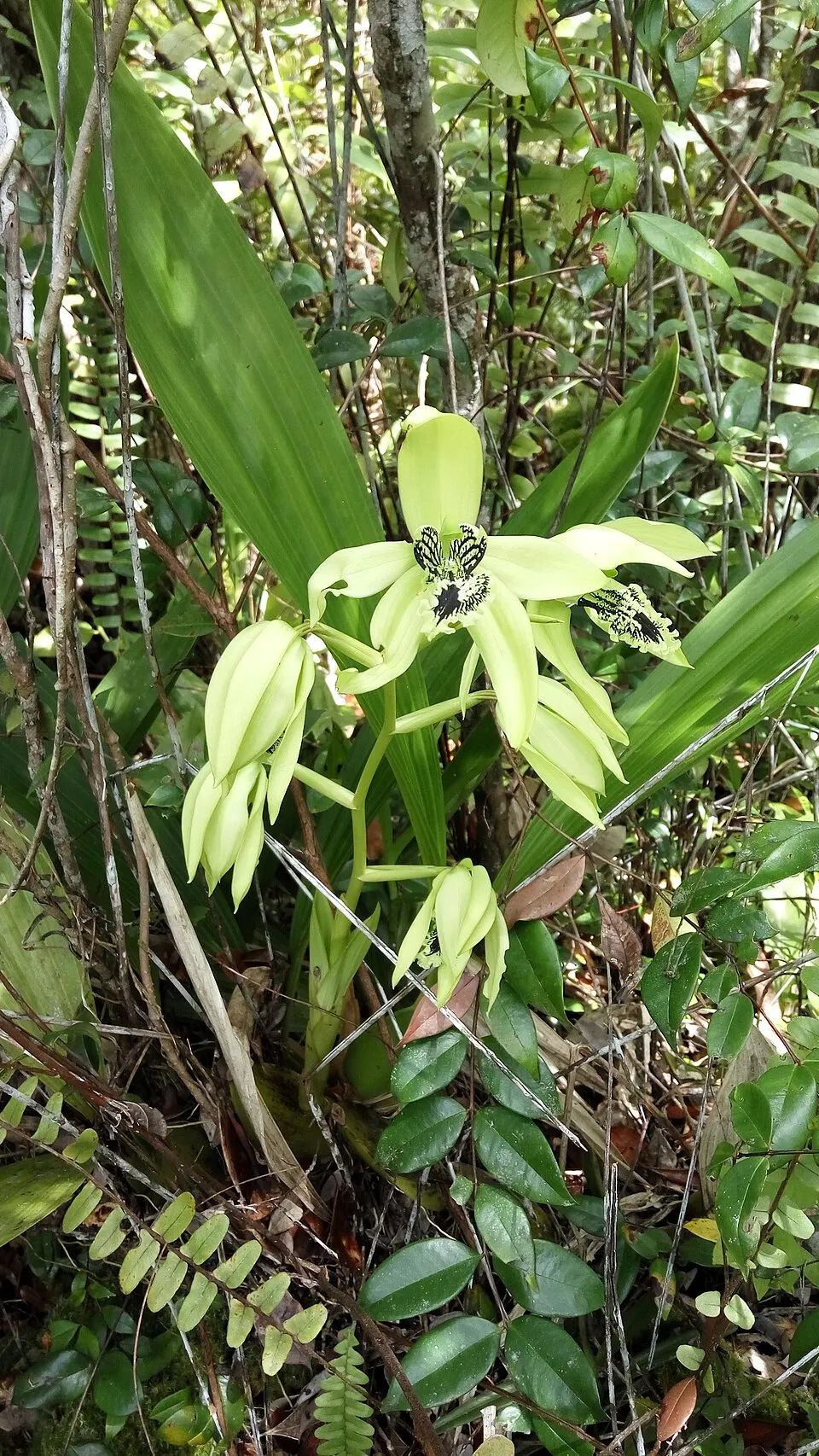
Examples in the linked species profiles include Black orchid. Their profiles identify the particular locality and evidence. A habitat association does not mean the species occurs in every patch of that habitat.
Protected areas
Documented landscapes to explore include Tanjung Puting National Park, Kutai National Park, Bako National Park. These areas contain habitat mosaics; the habitat does not cover their entire surface. Check each area’s access information before a visit.