Ecosystems
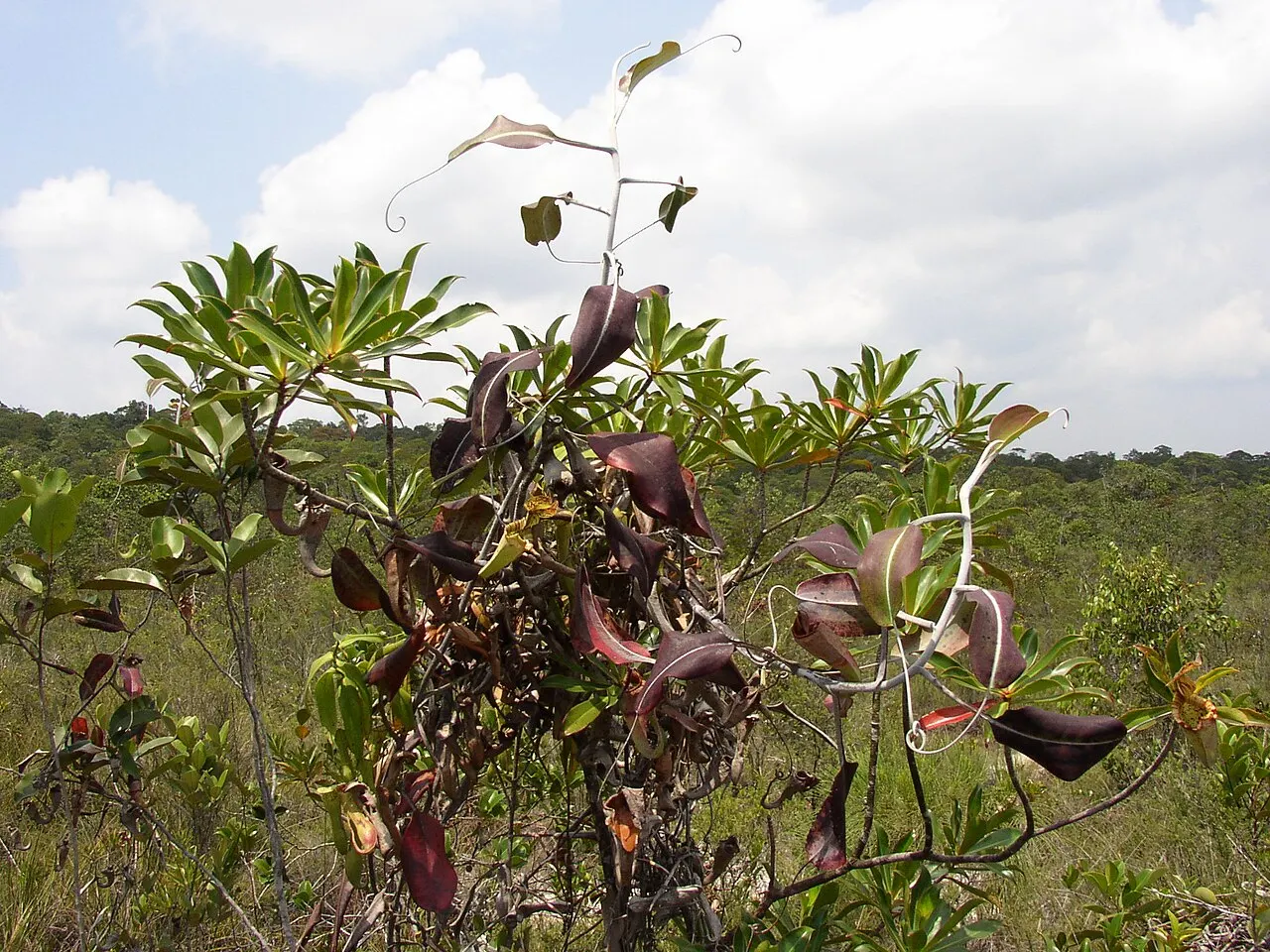
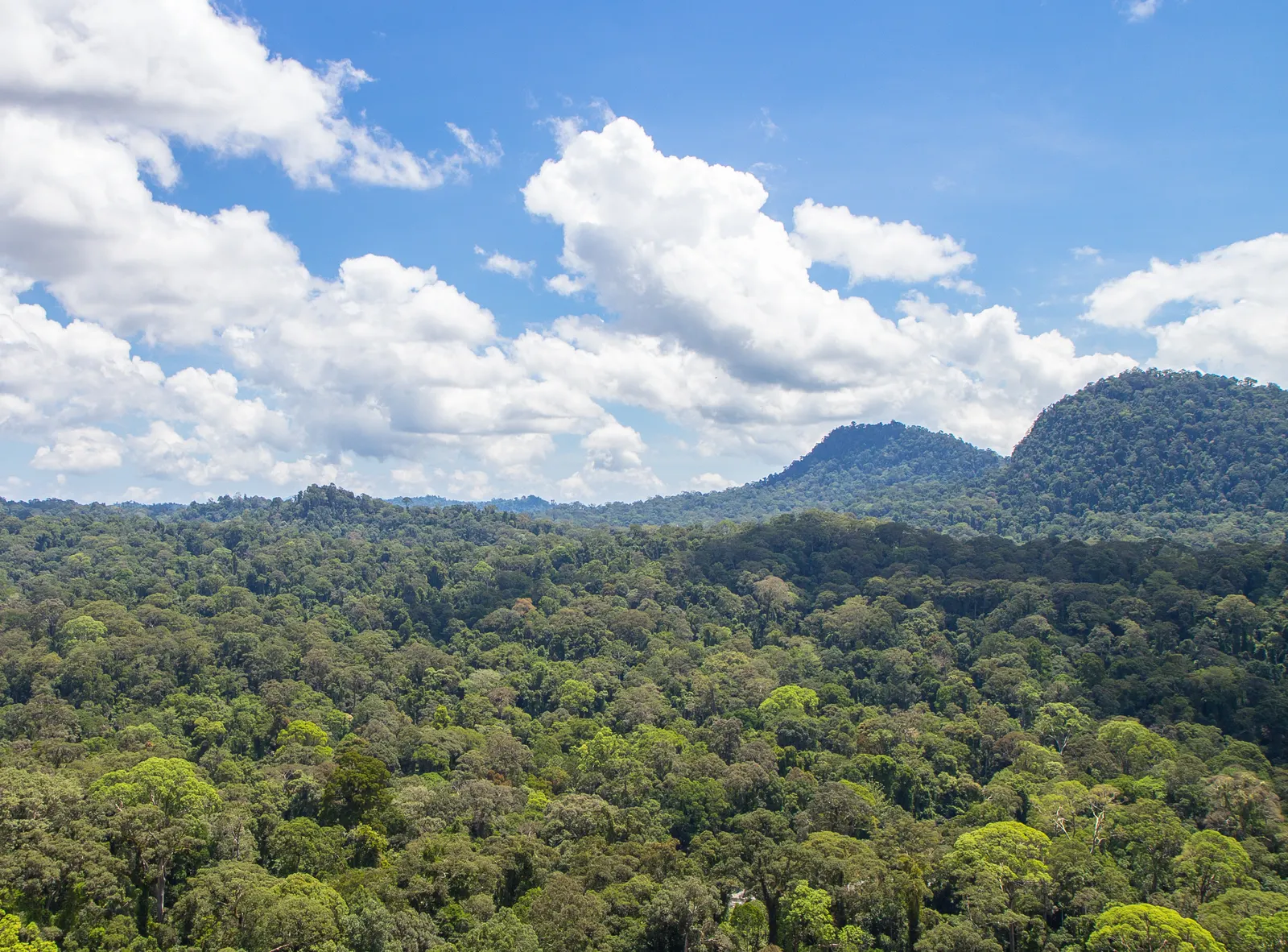
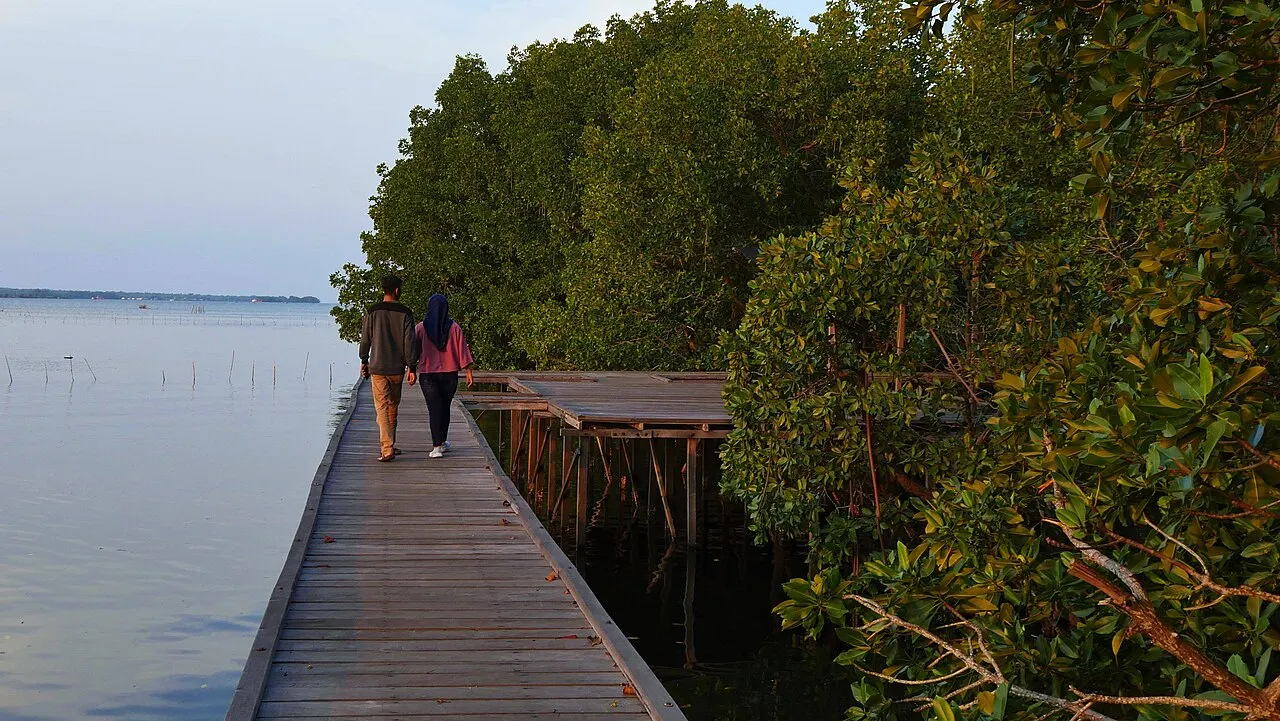
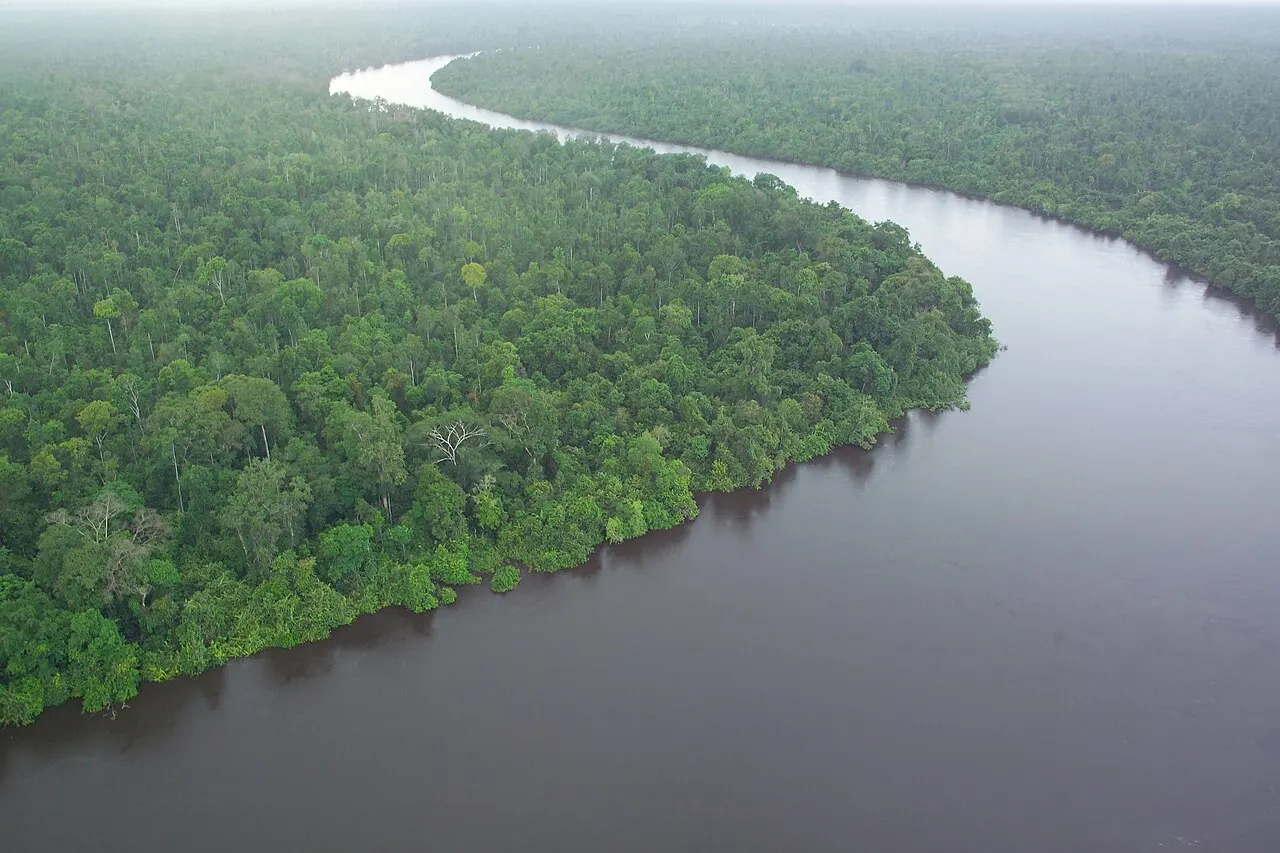
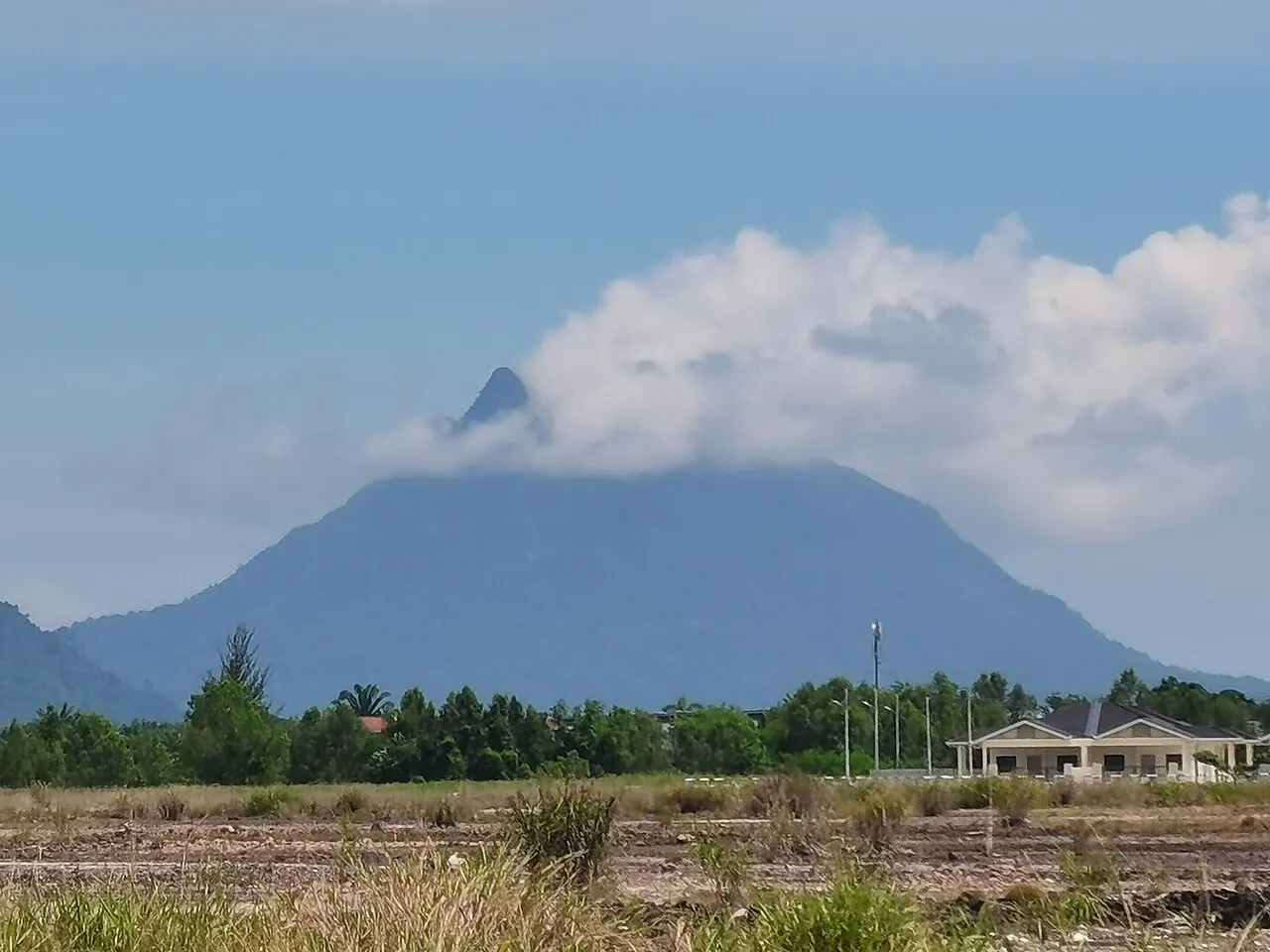
Bako’s variety is a central reason to explore it slowly. Lowland dipterocarp forest, mangroves, peat swamp and kerangas heath forest occur alongside coastal cliffs. These contrasting habitats offer different ways to read the landscape: forest structure, wet ground, coastal vegetation and exposed rock each reveal another part of the park.
Wildlife
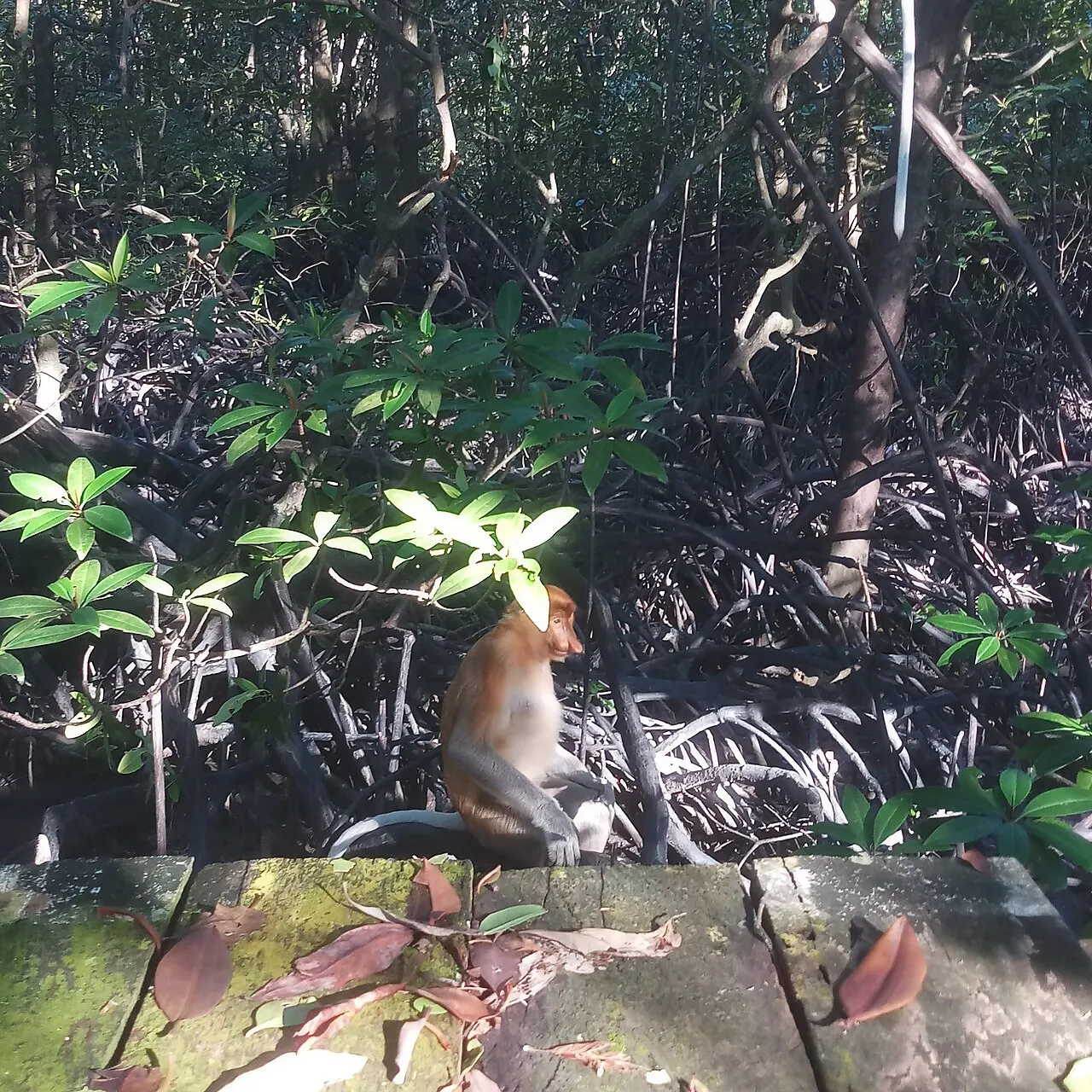
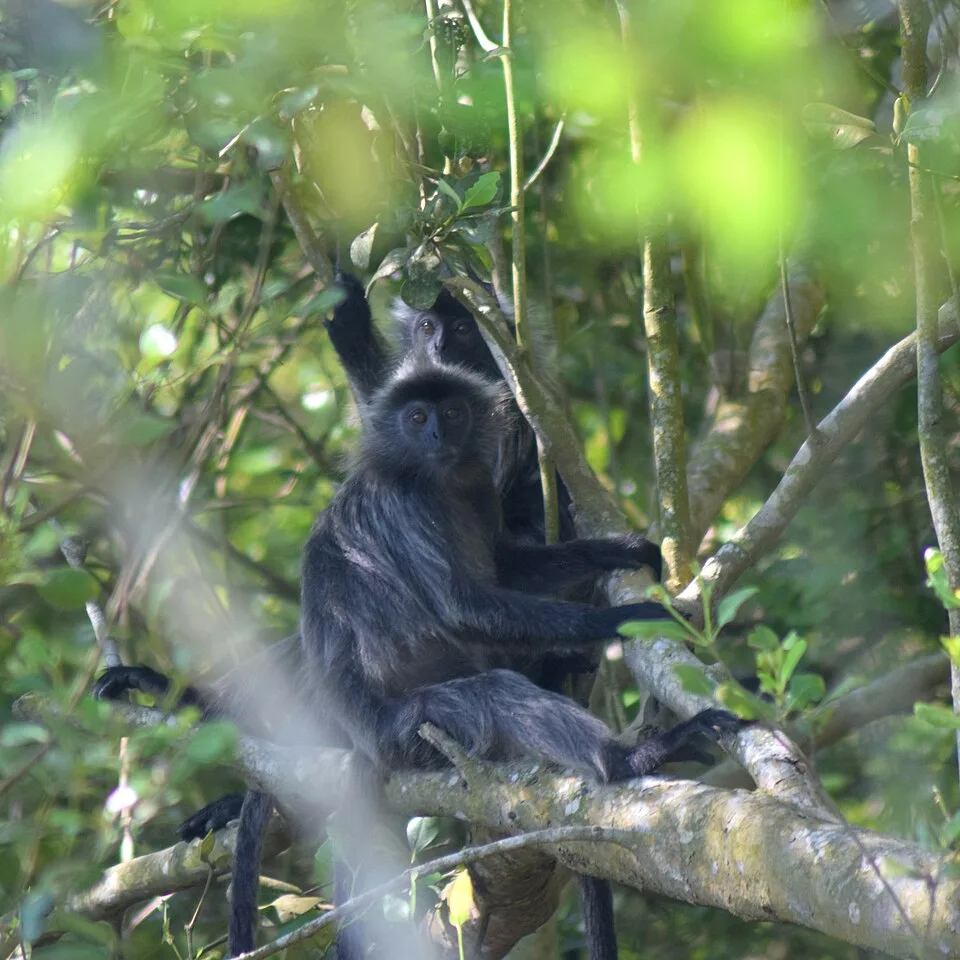
Proboscis monkeys are documented here under the scientific name Nasalis larvatus. A 2017 UNIMAS field study recorded them along Telok Delima, Telok Paku and Telok Assam, including several forest types beyond mangroves. This provides place-specific evidence of occurrence; its population estimate describes that study, rather than a current count or a guaranteed sighting.
Practical information
The park’s interpretive trails, education facilities and accommodation support visits focused on more than a single wildlife encounter. Build an itinerary around the habitats you want to understand, then check the park’s current arrangements before travelling. Allow time for observation, and treat a quiet stretch of trail as part of the experience.
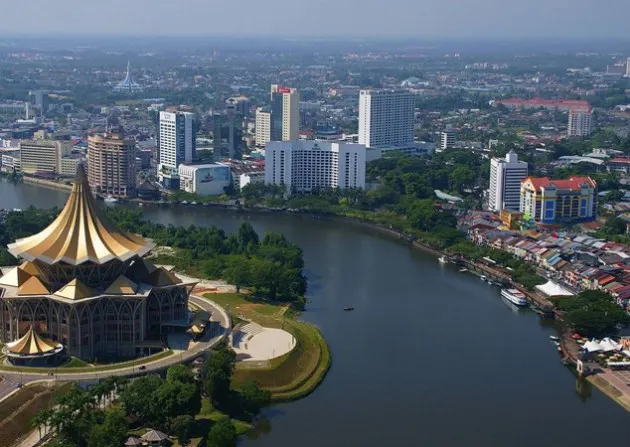
From Kuching to the park
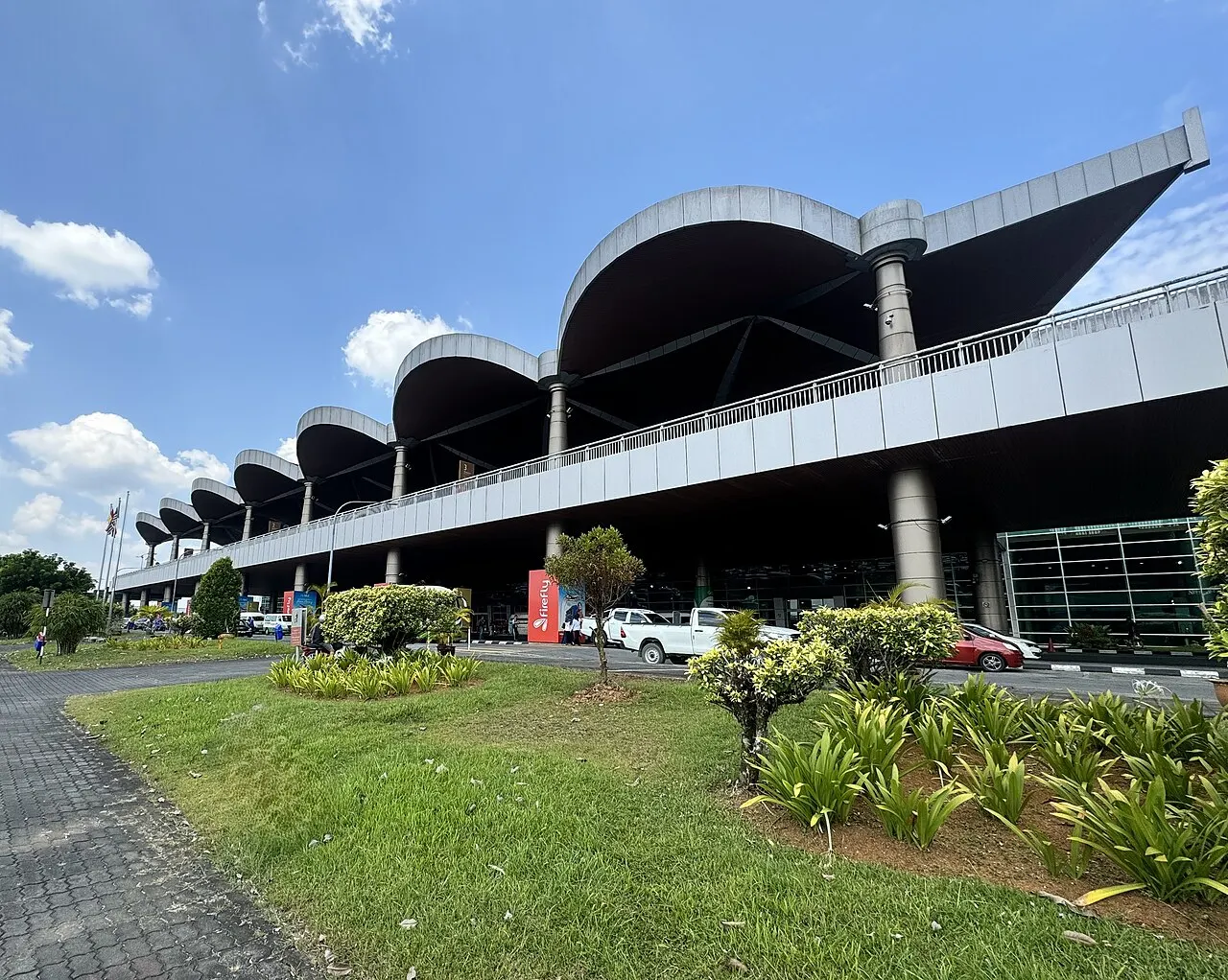
Use Kuching as the city base and Kuching International Airport as the regional arrival point. The road transfer ends at Kampung Bako's boat departure area, not at the forest trails. Agree the outward and return boat arrangements before leaving the jetty. A pin in the middle of the protected area would not identify this entrance. Do not make a tight onward connection depend on the last boat: coastal weather and tides affect how a boat journey works, even when it is not raining in Kuching. Keep essential equipment protected from spray and follow the crew's boarding instructions.
Guides, admission and route choice
The Sarawak government announced compulsory park guides for Bako from 2026. Plan on using a park guide and confirm the current assignment, cost and meeting point with the park before travel; older advice describing all trails as freely self-guided is not a reliable basis for booking. Service Sarawak lists Bako in its admission-ticket service and asks visitors to pre-register. Admission, boat transport, guiding and accommodation are distinct arrangements. Ask which trails are open that day and choose by terrain and available return time, not just map distance. An exposed coastal section can feel much harder than a shaded forest walk.
A day or an overnight stay
For a first visit, reserve a full day from Kuching for transfers and a realistic selection of trails. An overnight stay is useful if you want to spend less of the visit travelling and more time watching changing forest activity. SFC lists park chalets and visitor facilities; check availability and any offered guided evening programme directly rather than assuming a room or walk will be available on arrival. Hilton Kuching and The Waterfront Hotel Kuching are city hotels for before or after the park, not accommodation inside Bako. Keep a city-based alternative if the sea prevents the crossing.
Observe habitats, not a wildlife checklist
Read the mangroves and kerangas heath forest as different environments rather than interchangeable jungle. The documented proboscis monkeys are one reason to slow down, but a quiet trail is not a failed visit. Keep food secured, do not feed animals and let them choose their distance. This also makes the park a useful complement to a cultural day in Kuching: the forest visit and the city explain different parts of Sarawak without requiring a rushed multi-stop itinerary.