Identification
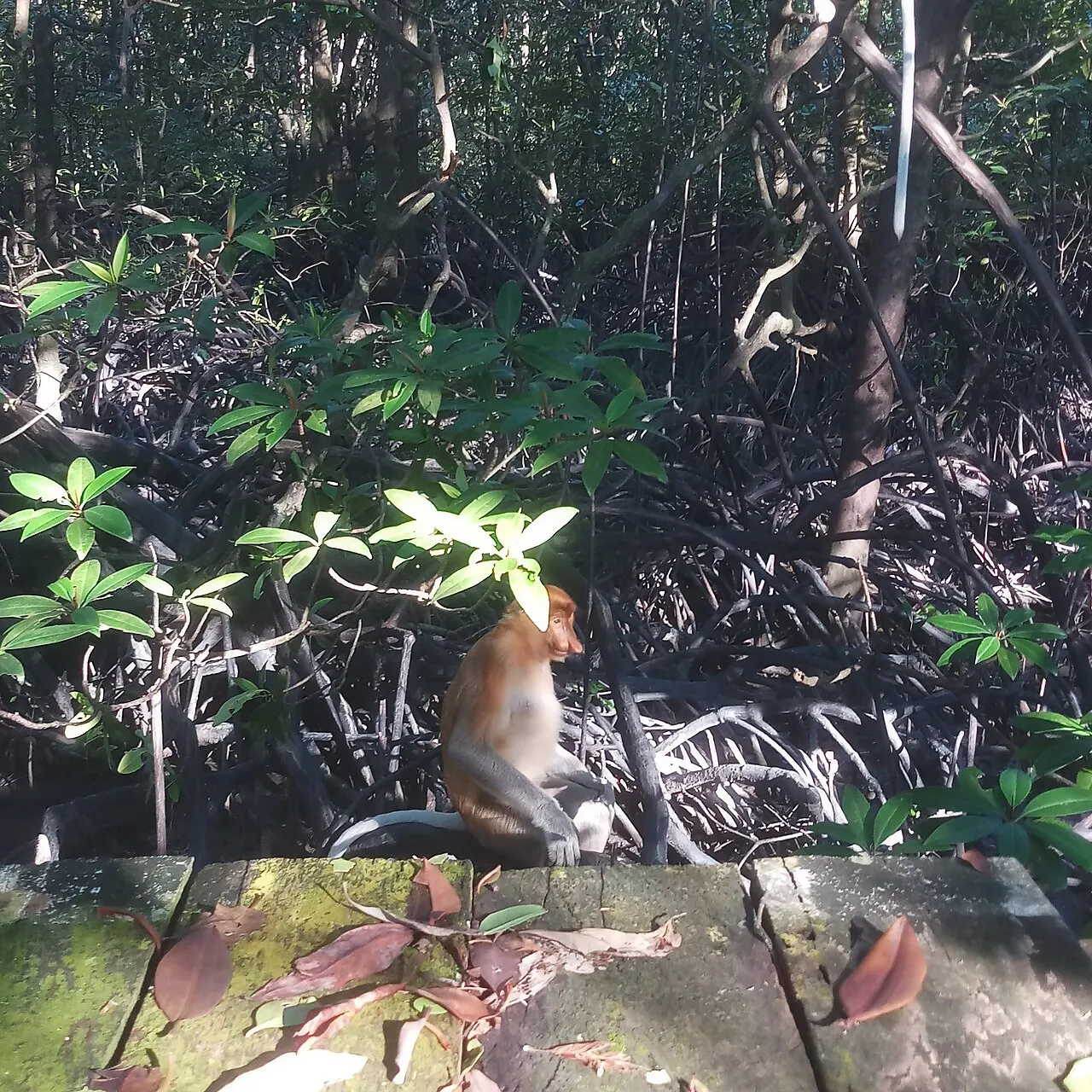
Adult males have a much larger projecting nose than females.
Sources & references · 1
University of Michigan, Animal Diversity Web · Proboscis monkey: natural historyDaily life
These social monkeys eat leaves, fruit and seeds. They are strong swimmers and are closely associated with rivers and wetland forests. Groups often gather near the riverbank to sleep.
Sources & references · 1
University of Michigan, Animal Diversity Web · Proboscis monkey: natural historyRange on Borneo
Published research has documented this species at Sebangau NLPSF; Tanjung Puting. These observations provide a historical picture of its Bornean forest range.
Sources & references · 2
Mires and Peat · Husson et al. (2018), Biodiversity of the Sebangau tropical peat swamp forest, Indonesian BorneoUNESCO Man and the Biosphere Programme · Tanjung Puting Biosphere ReserveForest and habitat
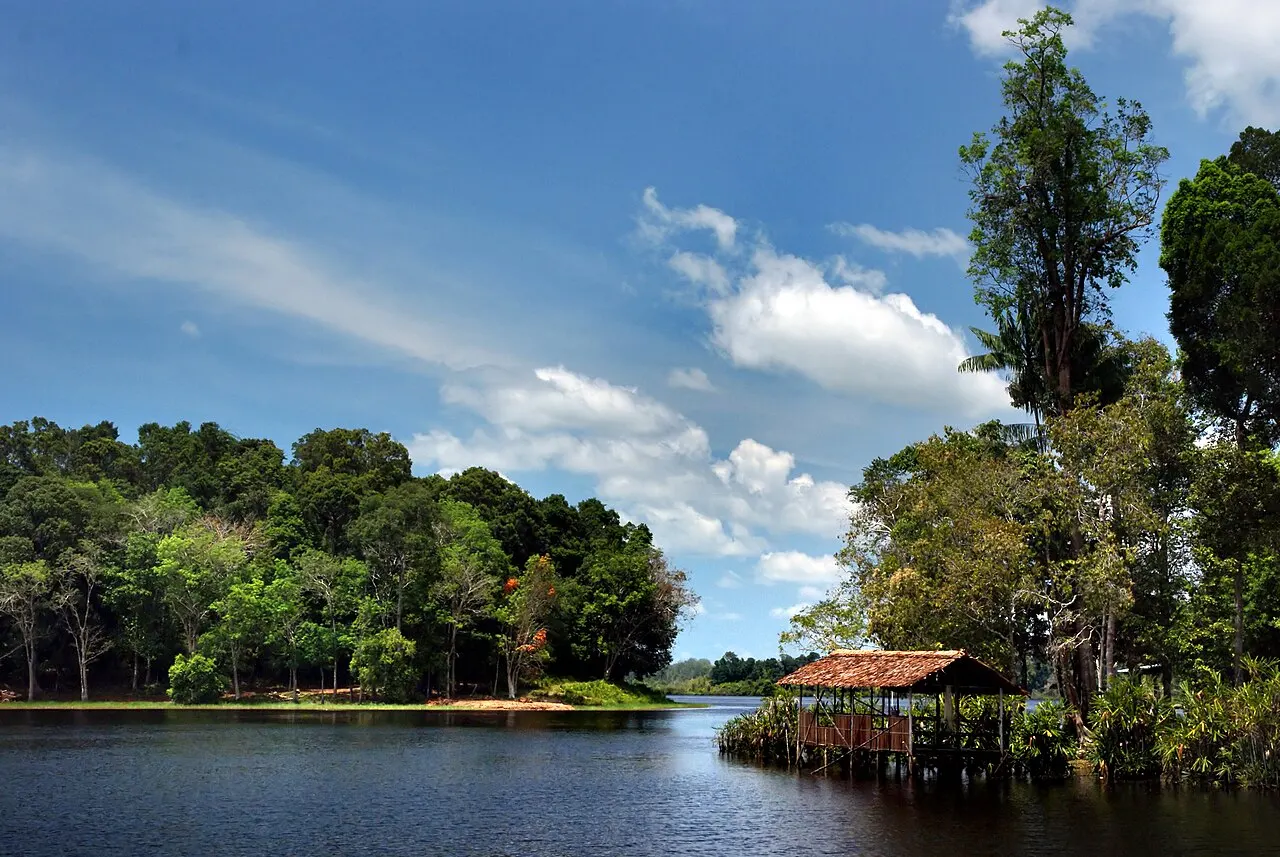
The peat-swamp forests of Sebangau are part of this animal’s documented habitat in Central Kalimantan.
Sources & references · 2
Mires and Peat · Husson et al. (2018), Biodiversity of the Sebangau tropical peat swamp forest, Indonesian BorneoUNESCO Man and the Biosphere Programme · Tanjung Puting Biosphere ReserveMothers and young
A female generally gives birth to one infant after a gestation reported at about 166 days. Infants remain close to their mothers during their first year. These are species-level reference observations, not a breeding calendar for a particular park.
Sources & references · 1
University of Michigan, Animal Diversity Web · Proboscis monkey: natural historyFood and social life
Proboscis monkeys live in groups that commonly contain one adult male, several females and their young; all-male groups also occur. Separate groups can gather near rivers toward evening. Sleeping trees at the water's edge are therefore part of a wider social landscape, rather than the territory of one permanent herd. During the day the monkeys move through the canopy to feed. Their leaves, fruits and seeds provide a varied diet, and a specialised stomach helps process plant food. Females usually bear a single infant, whose bluish face contrasts with the adults.