Appearance & recognition
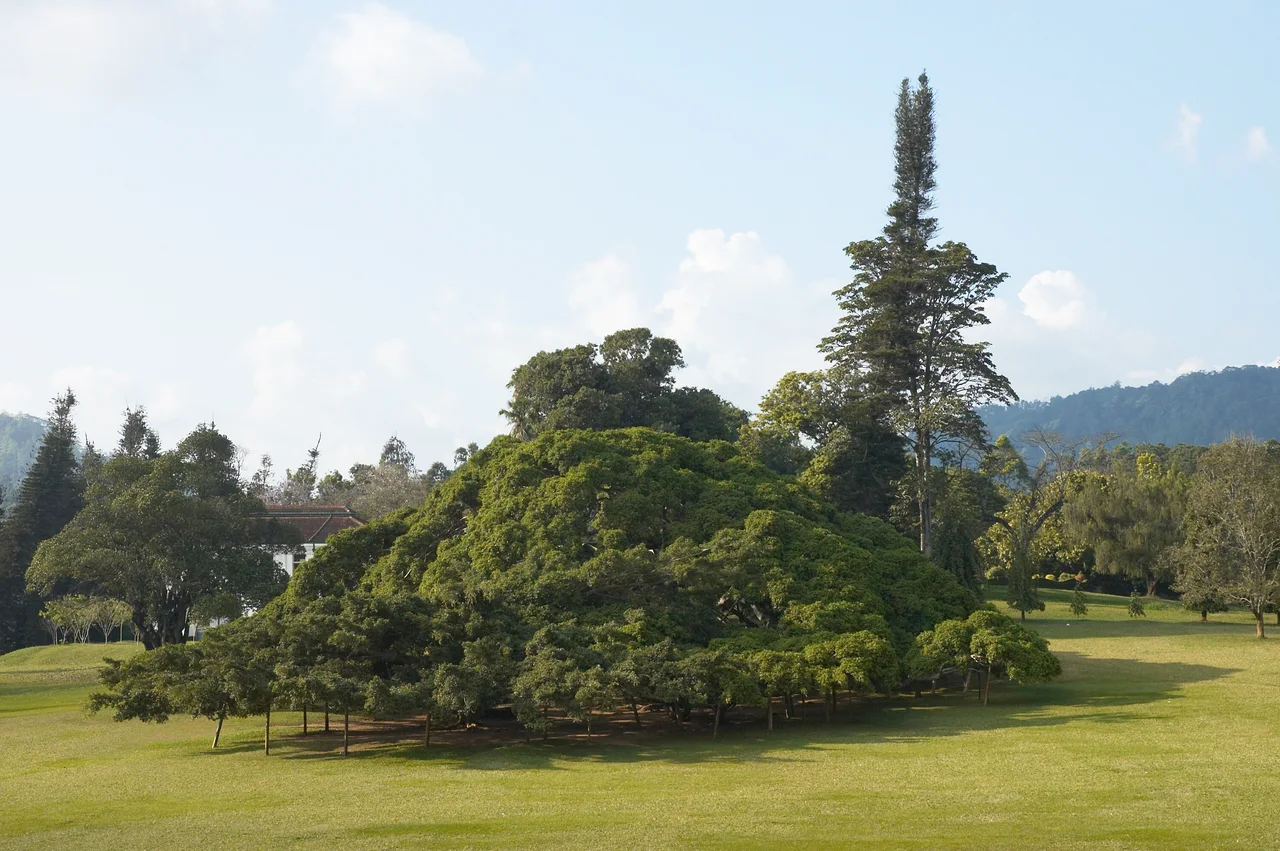
The weeping fig’s pointed leaves hang from drooping twigs, giving the crown a soft outline. Familiar as a houseplant elsewhere, it becomes a substantial tropical tree outdoors. Pale bark and milky sap accompany small figs at the leaf axils. A cultivated ornamental and a wild forest tree can share the same species name, while differing greatly in size and setting.
Sources & references · 1
National Parks Board Singapore · Ficus benjamina — Flora & Fauna WebLife in the ecosystem
The fruits ripen reddish and attract birds. Native across a broad Asian and Australasian range, the tree belongs to the wider flora around Borneo rather than an island-only endemic. Wildlife feeding and human edibility are different questions: these ornamental figs should not be treated as equivalent to a familiar cultivated dessert fig. Ficus variegata provides a contrasting trunk-fruiting growth pattern.
Sources & references · 1
National Parks Board Singapore · Ficus benjamina — Flora & Fauna WebConnections with animals
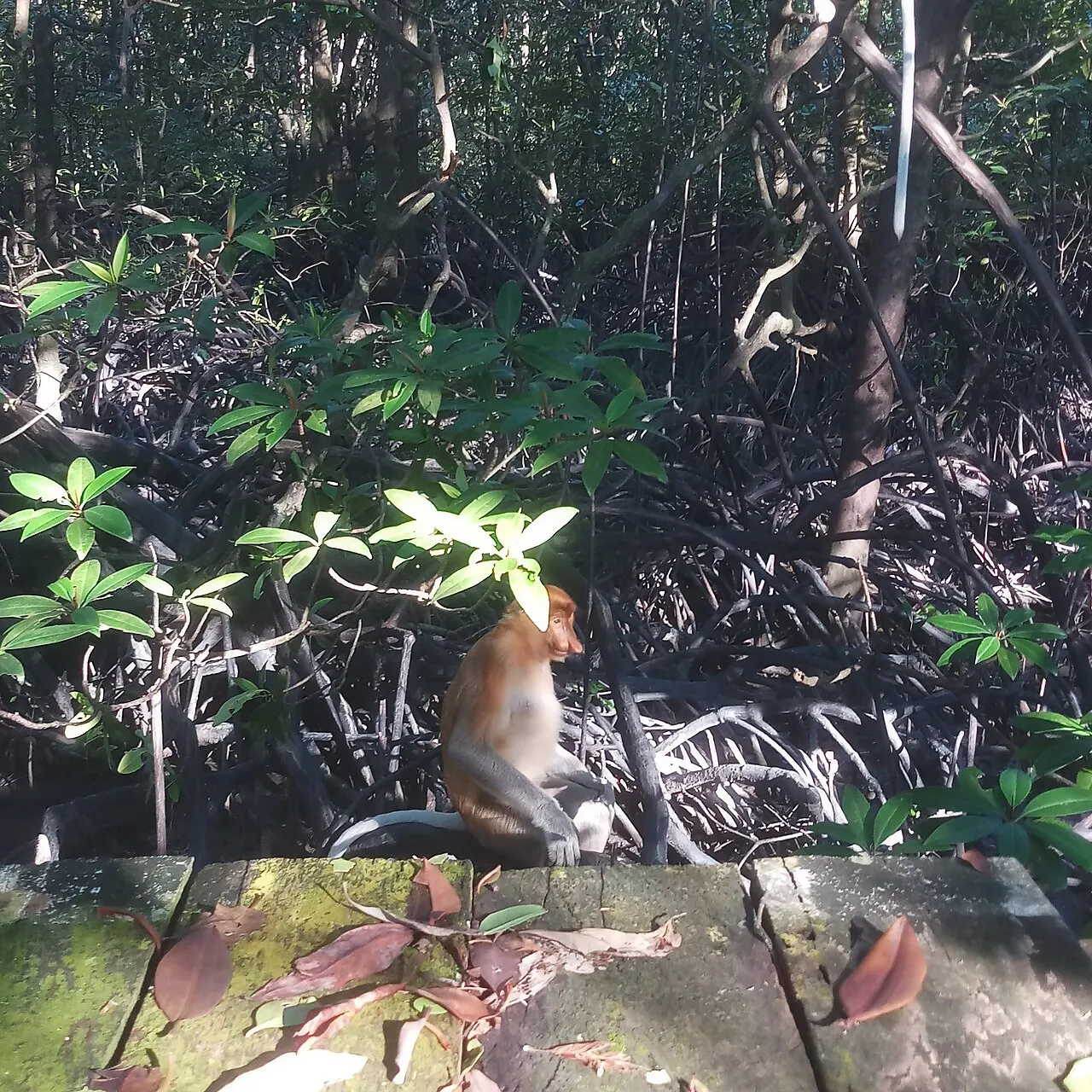
The Labuk Bay dietary review includes this fig among plants eaten by proboscis monkeys. It does not specify the consumed part for this entry.
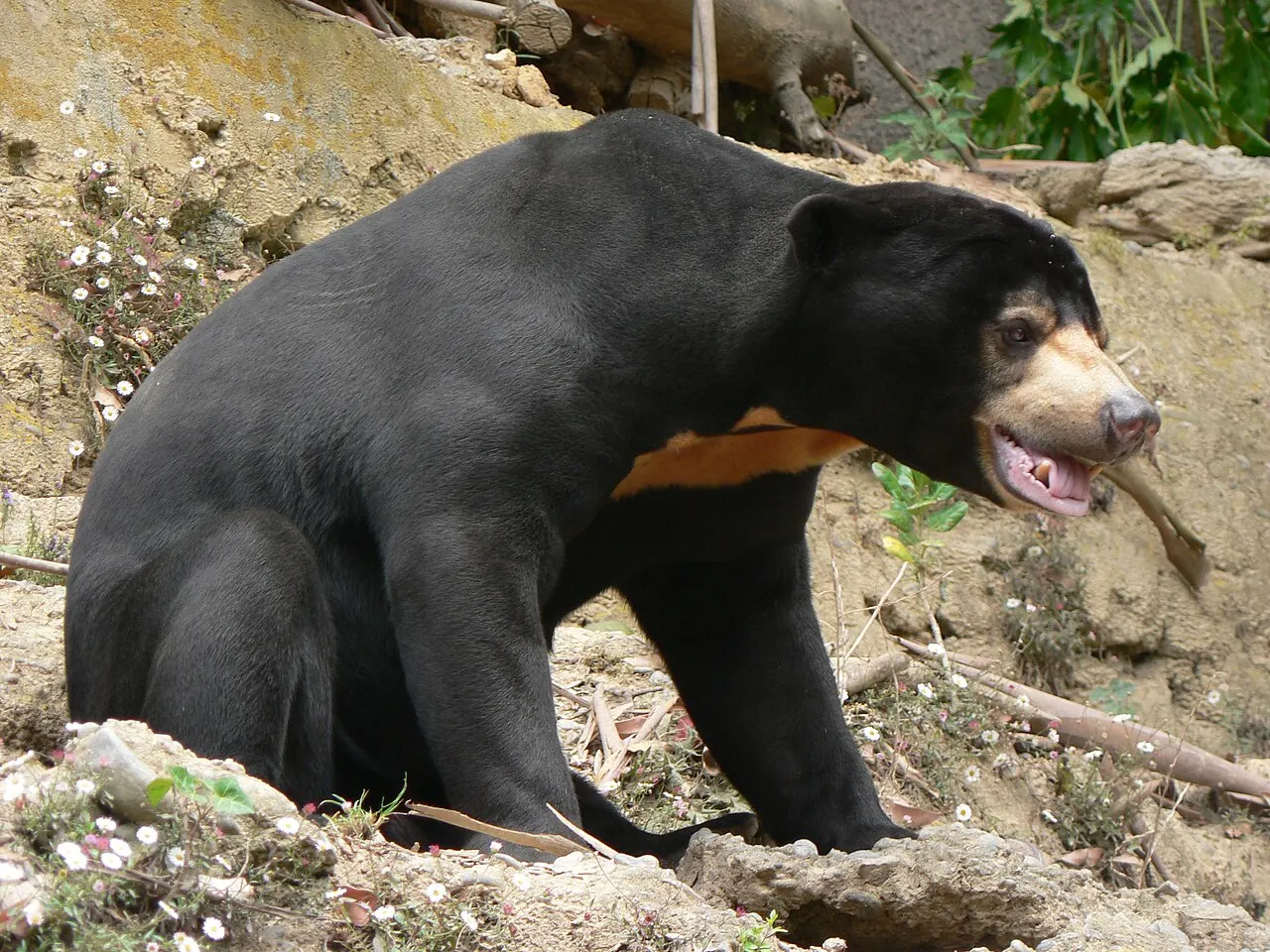
Sun bears at Sungai Wain also eat this fig’s fruit: the study records both fruit remains in scats and direct feeding observations.
In the Kinabatangan, helmeted hornbills supplied Ficus benjamina fruit to the female and chick during nesting. Protecting fruiting figs therefore also protects a documented breeding-season food source.
The same bird can transport fig seeds through its gut. Bornean experiments recovered Ficus benjamina seeds from helmeted hornbill droppings, but germination was lower than for control seeds. Dispersal does not automatically mean successful establishment.
Observations at the Danum fig patch also included long-tailed macaques, which often ate only part of a fig. Their fruit-handling behaviour differed from animals swallowing whole figs.
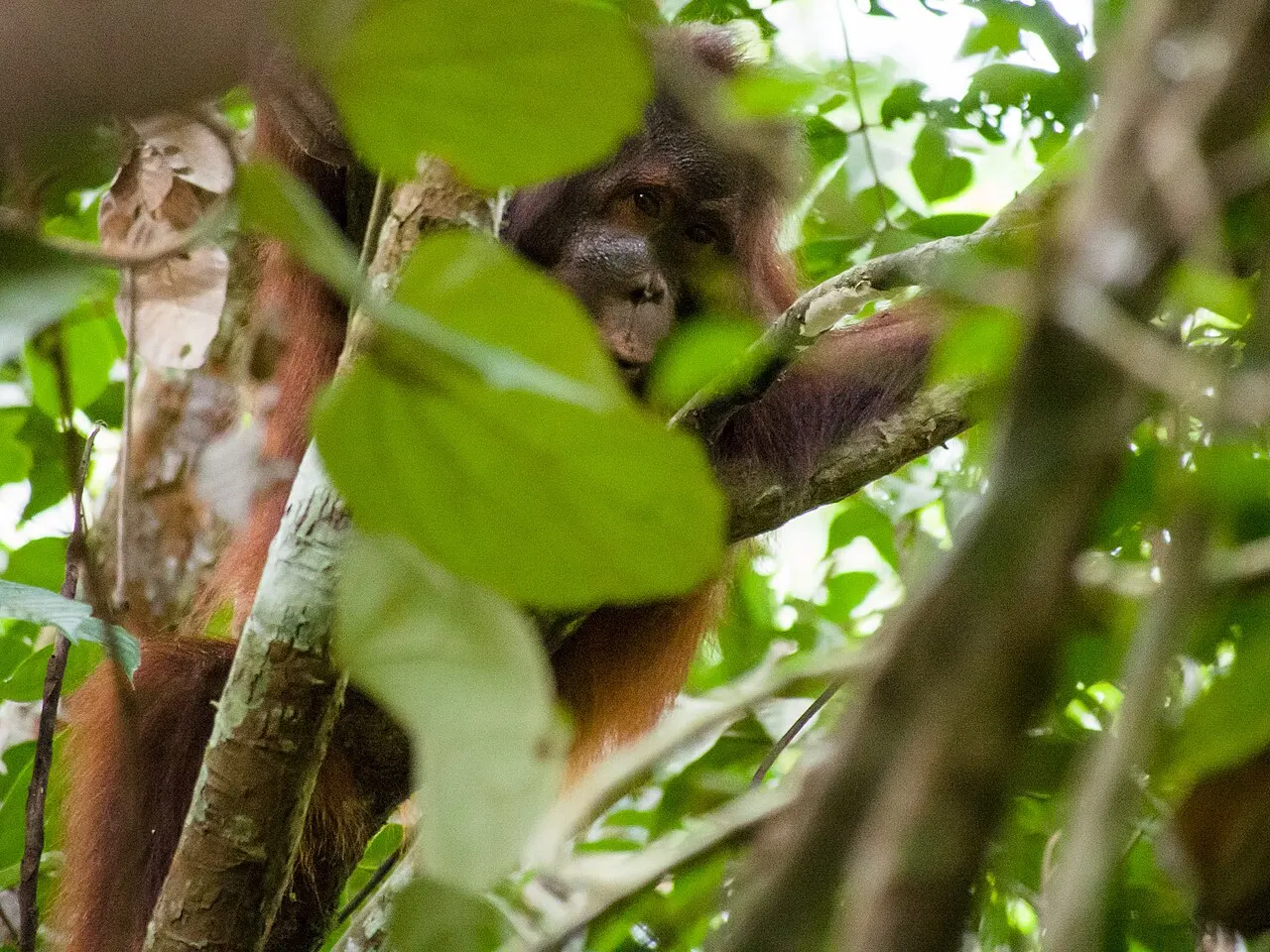
The Danum Valley orangutan food inventory records both fruit and leaf consumption from this fig by Bornean orangutans. Different animals can therefore use different parts of the same tree.