Identification
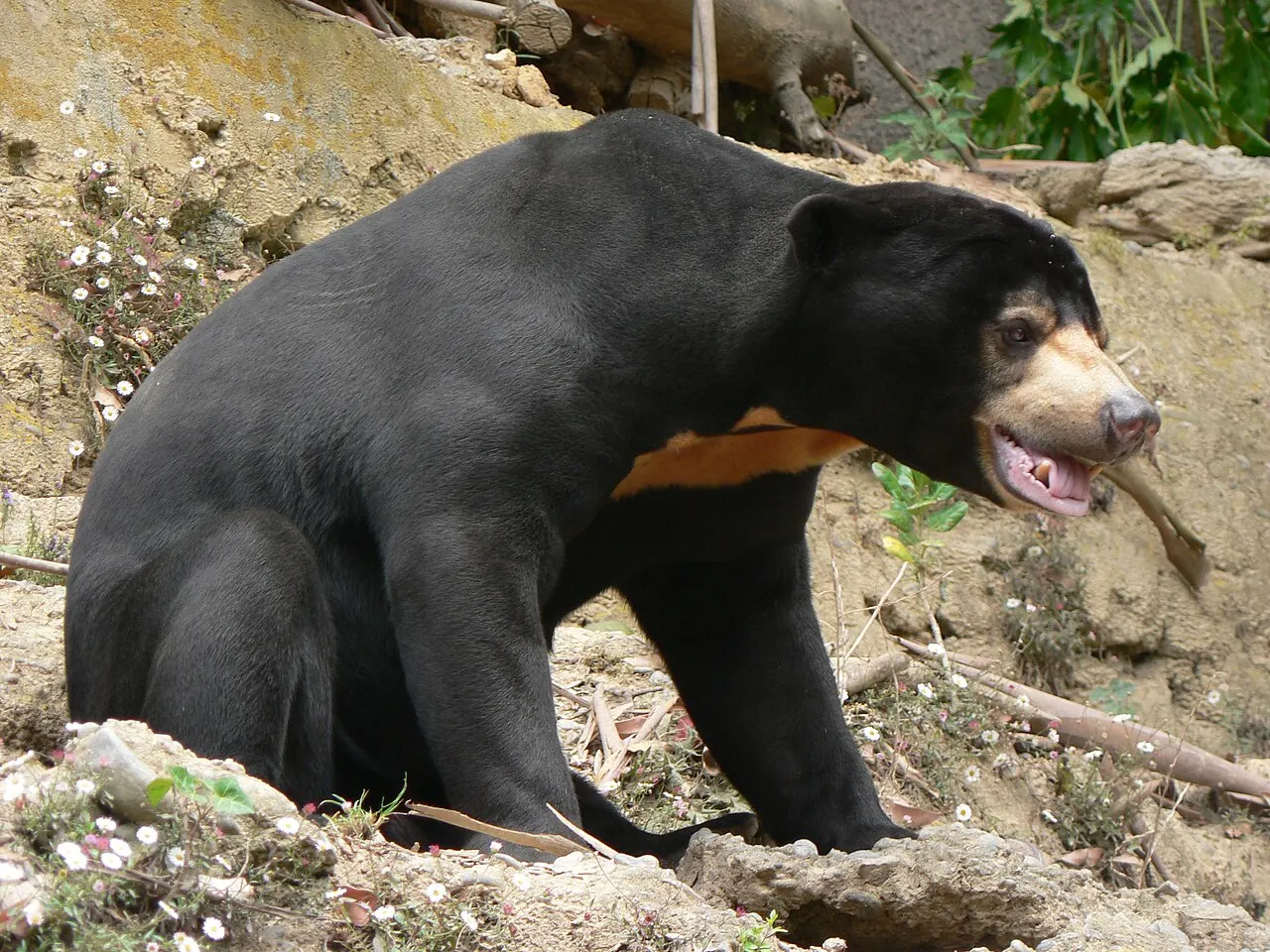
Sun bears are agile climbers that can rest in trees.
Sources & references · 1
University of Michigan, Animal Diversity Web · Sun bear: natural historyDaily life
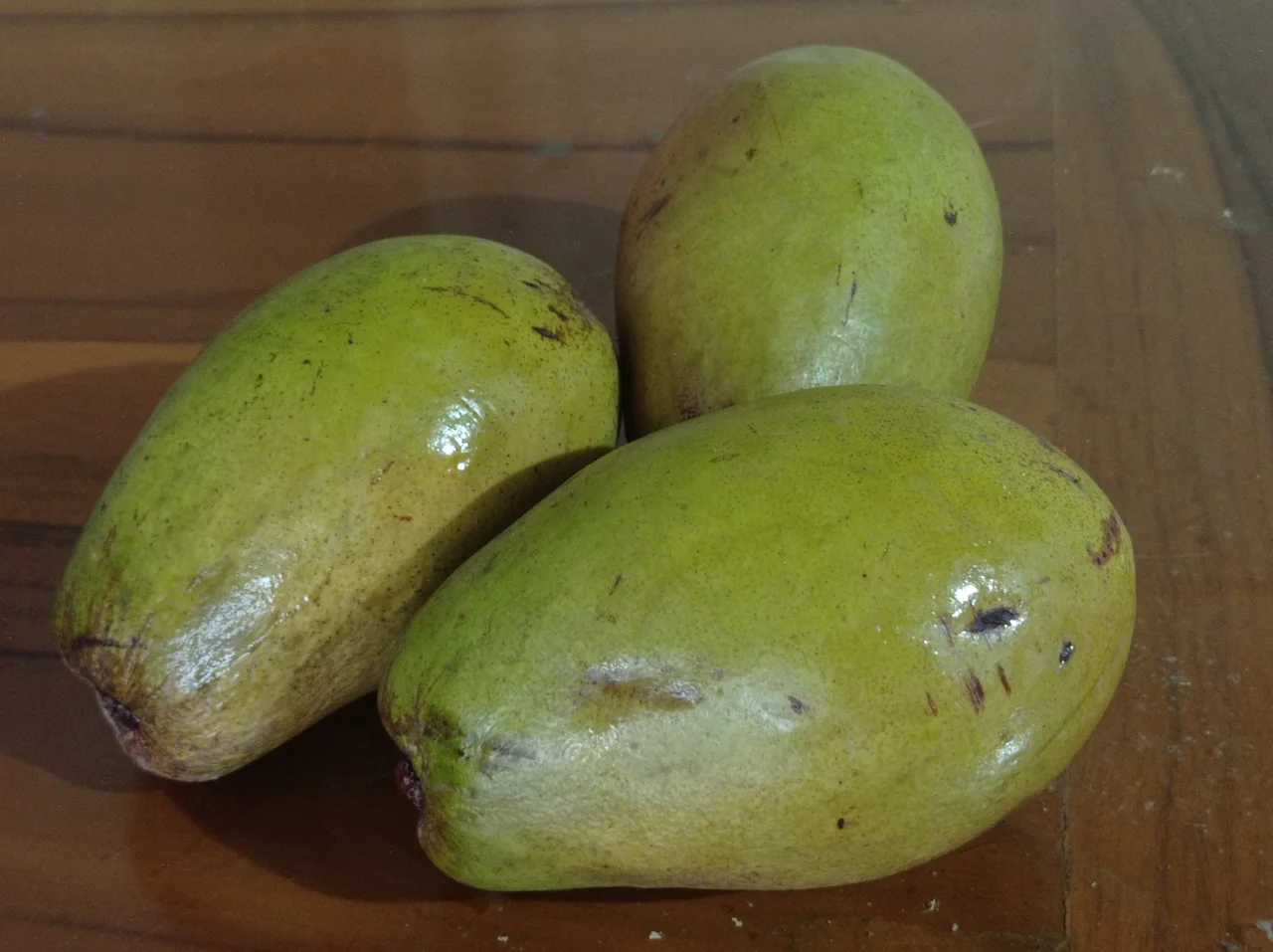
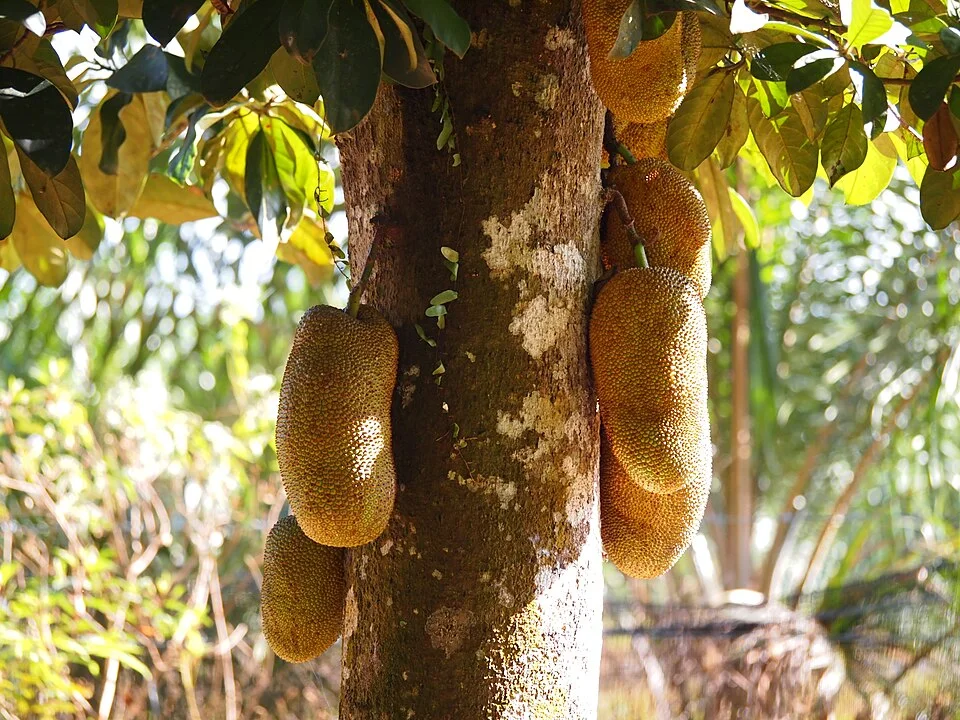
They are opportunistic omnivores, eating insects and fruit among other foods. Their long tongues help them reach insects and honey. Fruit feeding can also make them dispersers of forest seeds.
Sources & references · 1
University of Michigan, Animal Diversity Web · Sun bear: natural historyRange on Borneo
Published research has documented this species at Sebangau NLPSF; Tanjung Puting. These observations provide a historical picture of its Bornean forest range.
Sources & references · 2
Mires and Peat · Husson et al. (2018), Biodiversity of the Sebangau tropical peat swamp forest, Indonesian BorneoUNESCO Man and the Biosphere Programme · Tanjung Puting Biosphere ReserveForest and habitat
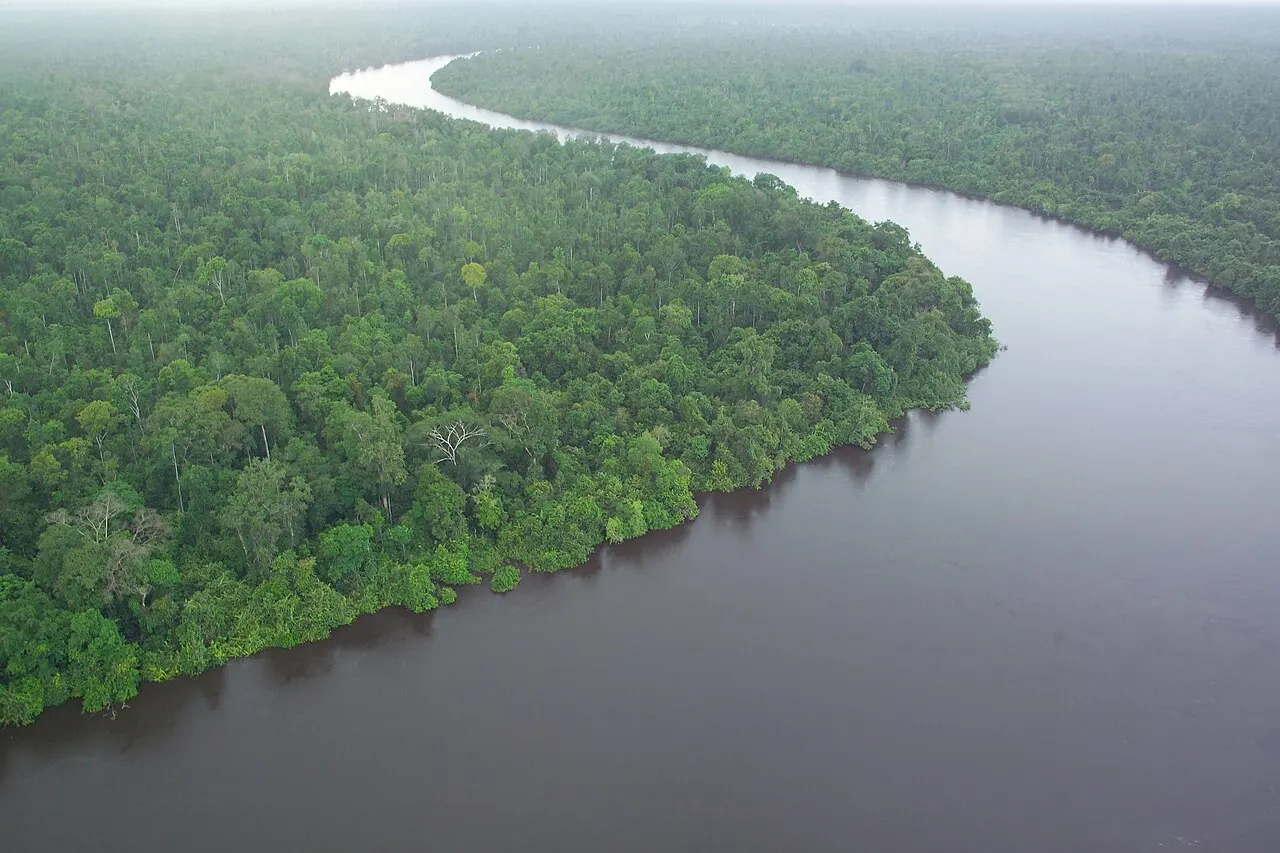
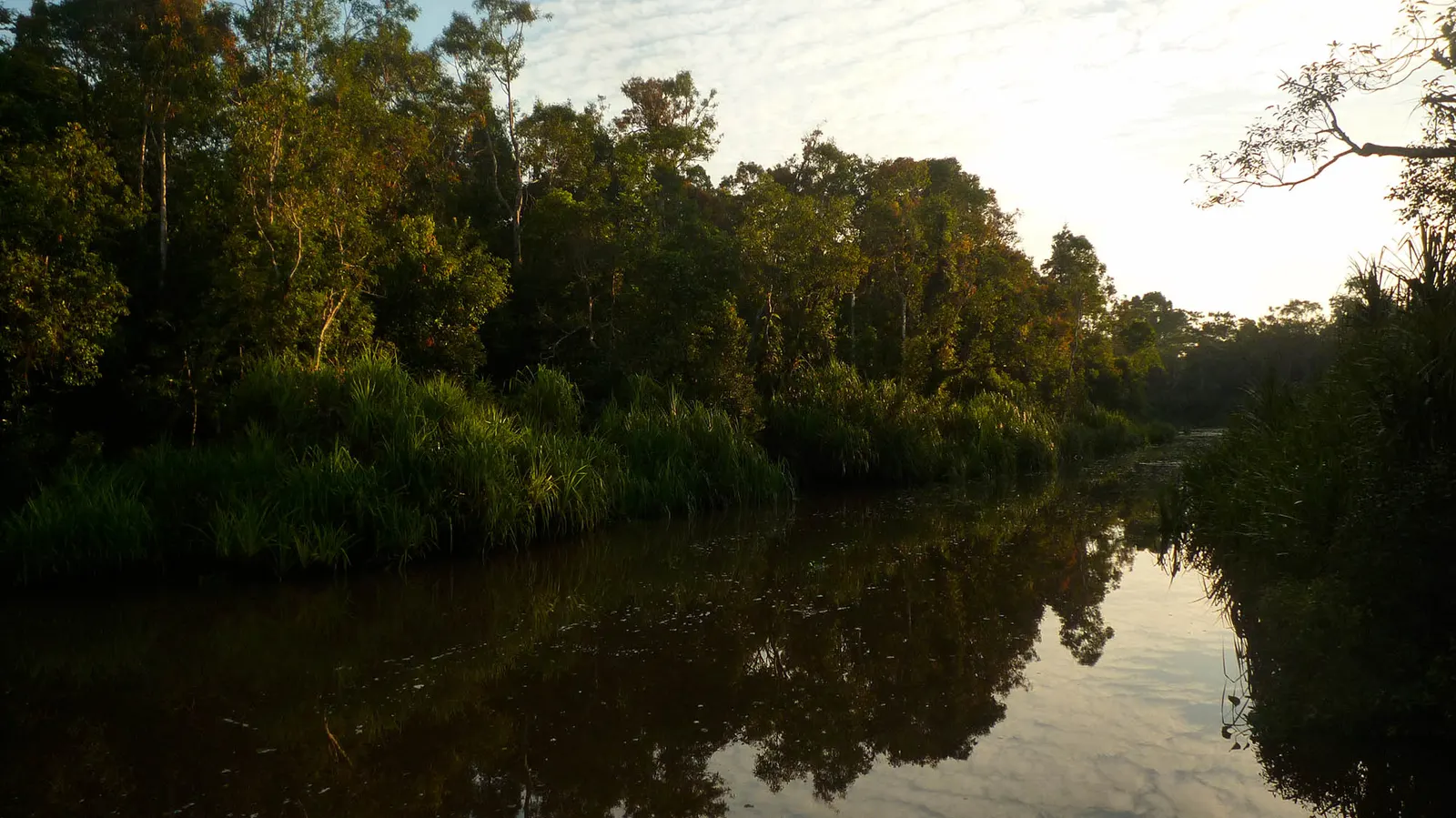
The peat-swamp forests of Sebangau are part of this animal’s documented habitat in Central Kalimantan.
Sources & references · 2
Mires and Peat · Husson et al. (2018), Biodiversity of the Sebangau tropical peat swamp forest, Indonesian BorneoUNESCO Man and the Biosphere Programme · Tanjung Puting Biosphere ReserveMothers and young
Wild reproductive behaviour remains less well documented than many physical traits. Litters commonly contain one or two cubs, born blind and dependent on their mother. Captive pregnancy records vary, so this guide does not supply a fixed gestation period or a local breeding season.
Sources & references · 1
University of Michigan, Animal Diversity Web · Sun bear: natural historyFood and social life
The sun bear's short, curved claws and strong limbs help it climb trees and open insect nests. Its long tongue reaches into narrow spaces for insects and honey. Fruit also forms part of its omnivorous diet, so food searches take it between the forest floor and the canopy. A fallen log, a damaged nest or claw marks on a tree can reveal its activity even when the bear itself remains hidden. Females care for small, initially helpless cubs; the young depend on their mother rather than joining a social herd.