A park with several different landscapes
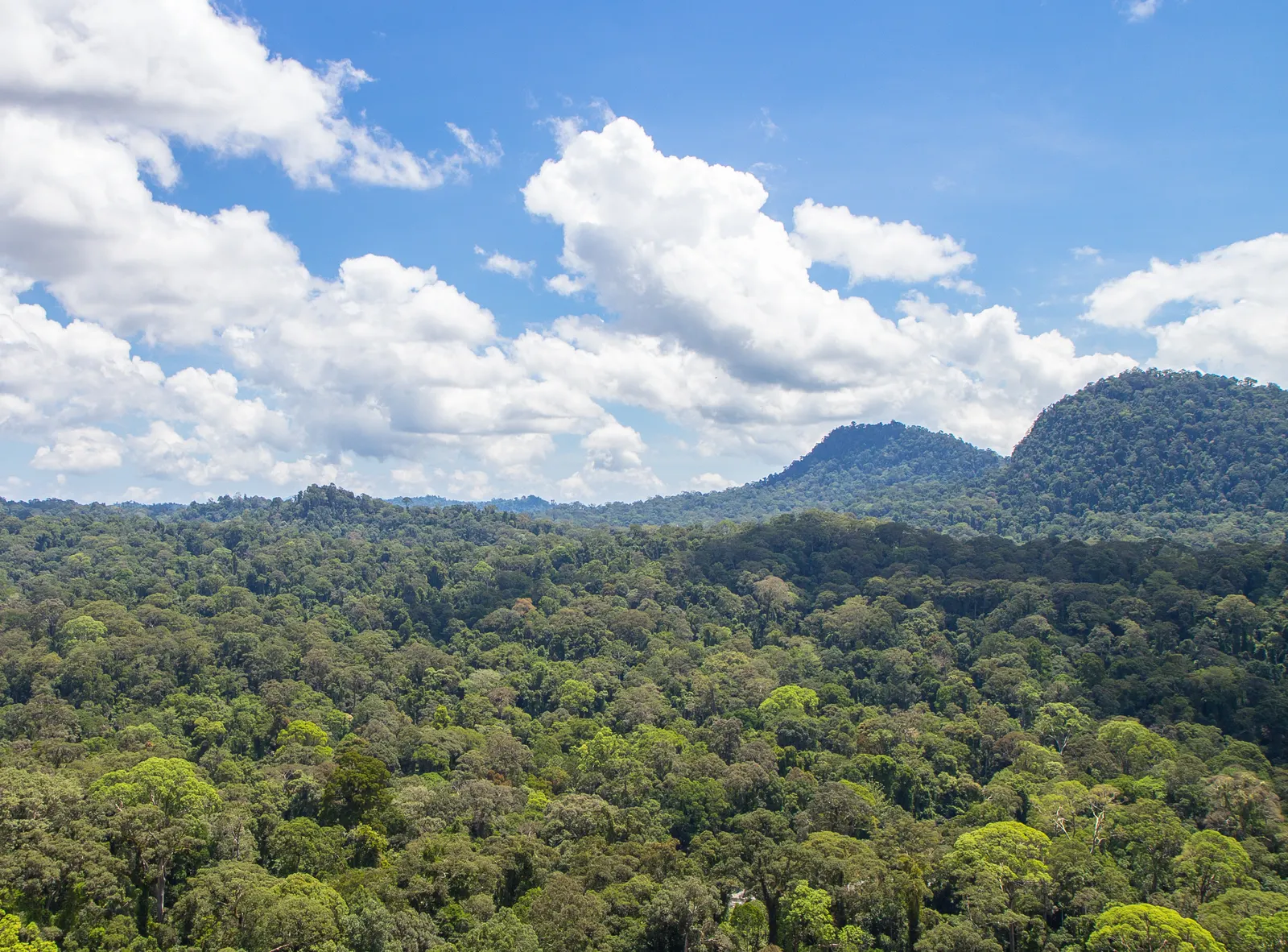
The interest of Gunung Palung lies in the connections between its forests, water and wildlife. Lowland dipterocarp forest, peat forest and higher ground form different environments within the protected landscape. Water stored and released by these forests also matters to neighbouring communities. This is a place to understand the forest as a living system, rather than to collect a list of guaranteed animal encounters.
The West Kalimantan setting is important when planning a trip: this is a separate journey from the better-known visitor circuits around Pangkalan Bun or Palangka Raya. Give the approach and the chosen park sector their own space in your itinerary.
Start with a named visitor area
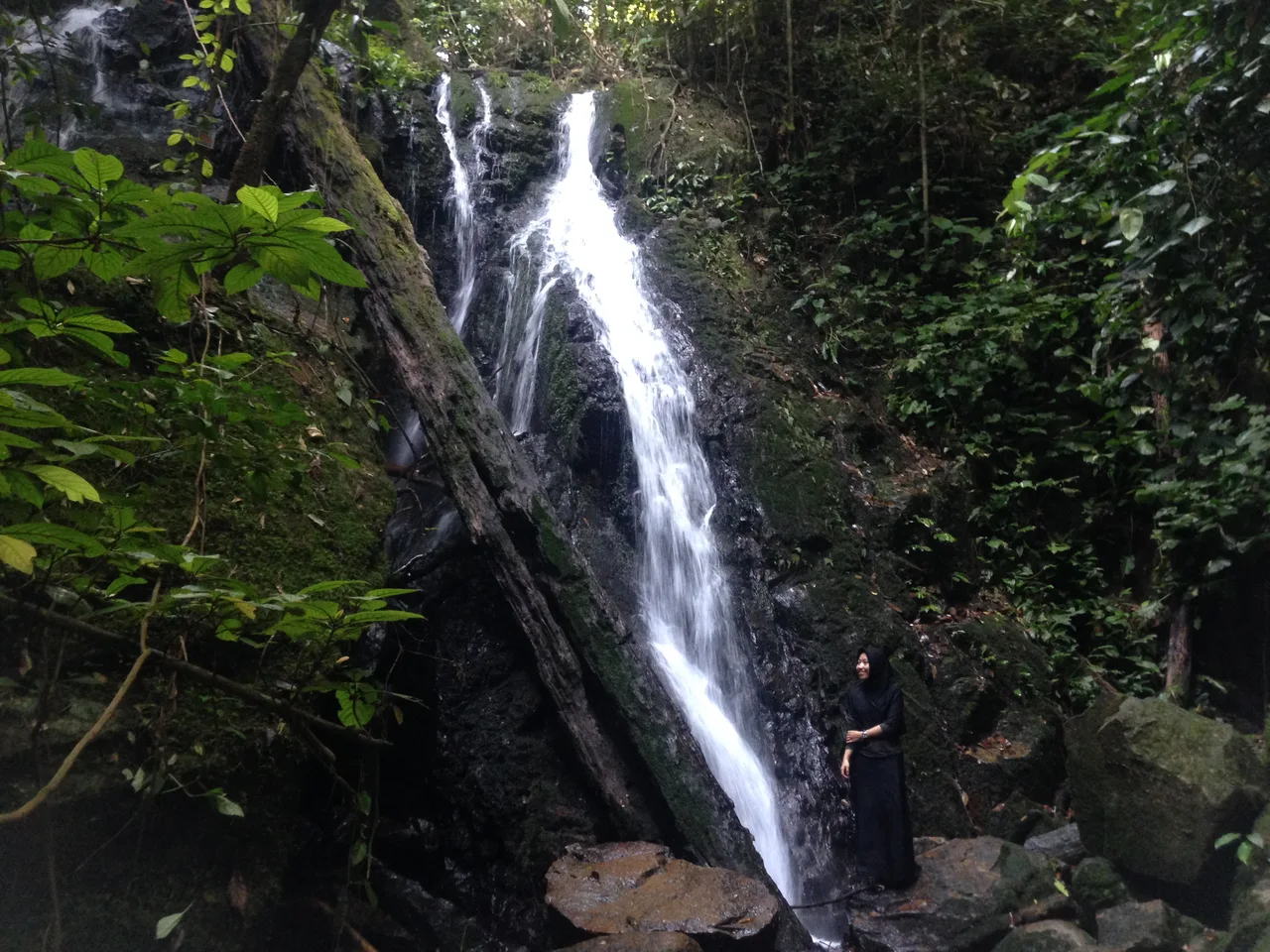
Kayong Utara's tourism authority identifies Lubuk Baji as an established visitor area in the park, approached through the Sukadana and Sedahan Jaya area. Its attractions include a forest trail, cascades and places used for camping. The authority lists guides, a guard post, bridges and basic facilities. That gives visitors a practical starting point for enquiries, but does not establish that every path or overnight facility is available on a particular date.
Other named sectors have different approaches. Do not assume that a booking for Lubuk Baji includes Riam Berasap, Batu Barat or travel across the park. Ask which route is being offered, what walking it involves and where the meeting point is.
Orangutan habitat, with research boundaries
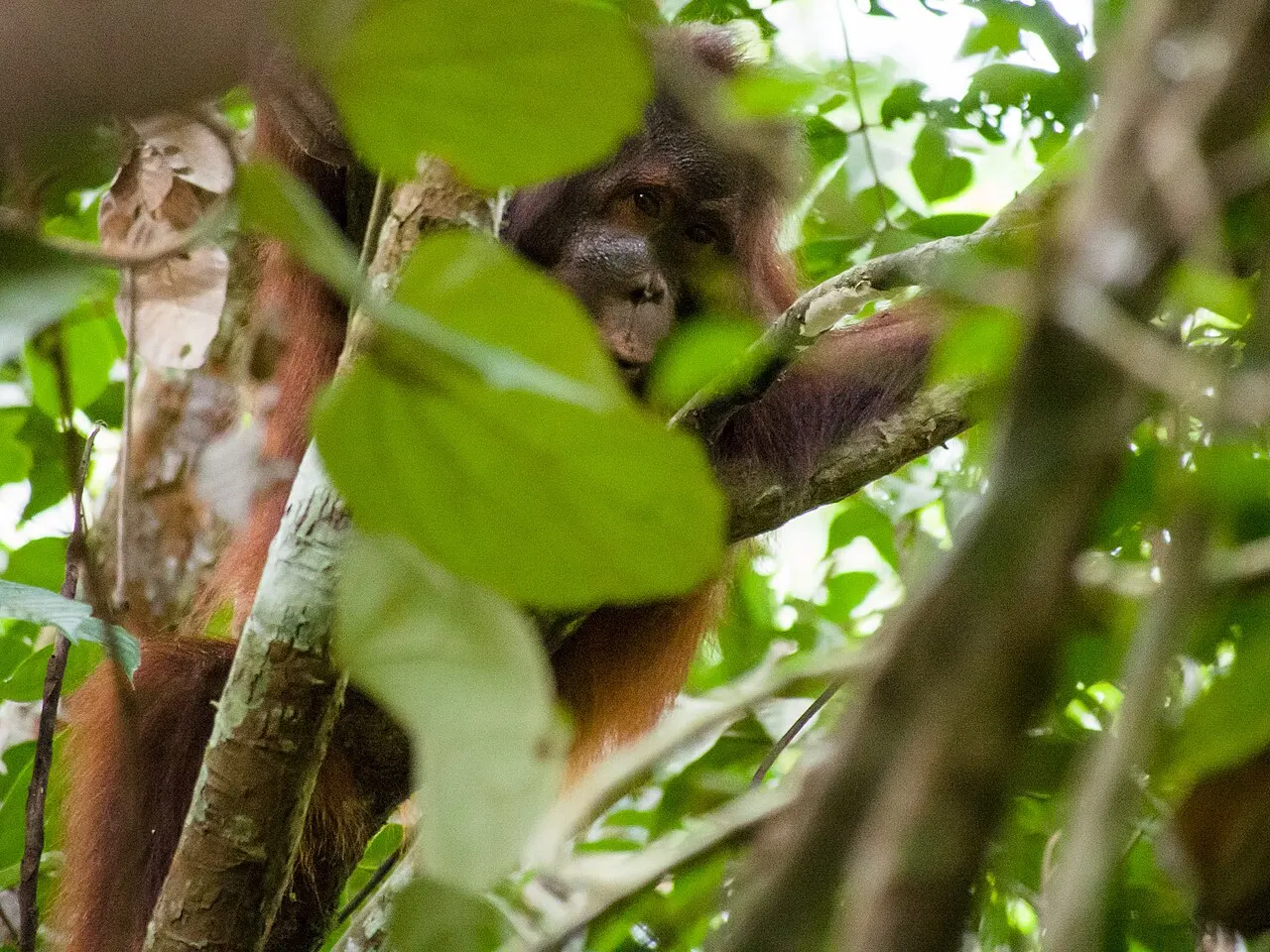
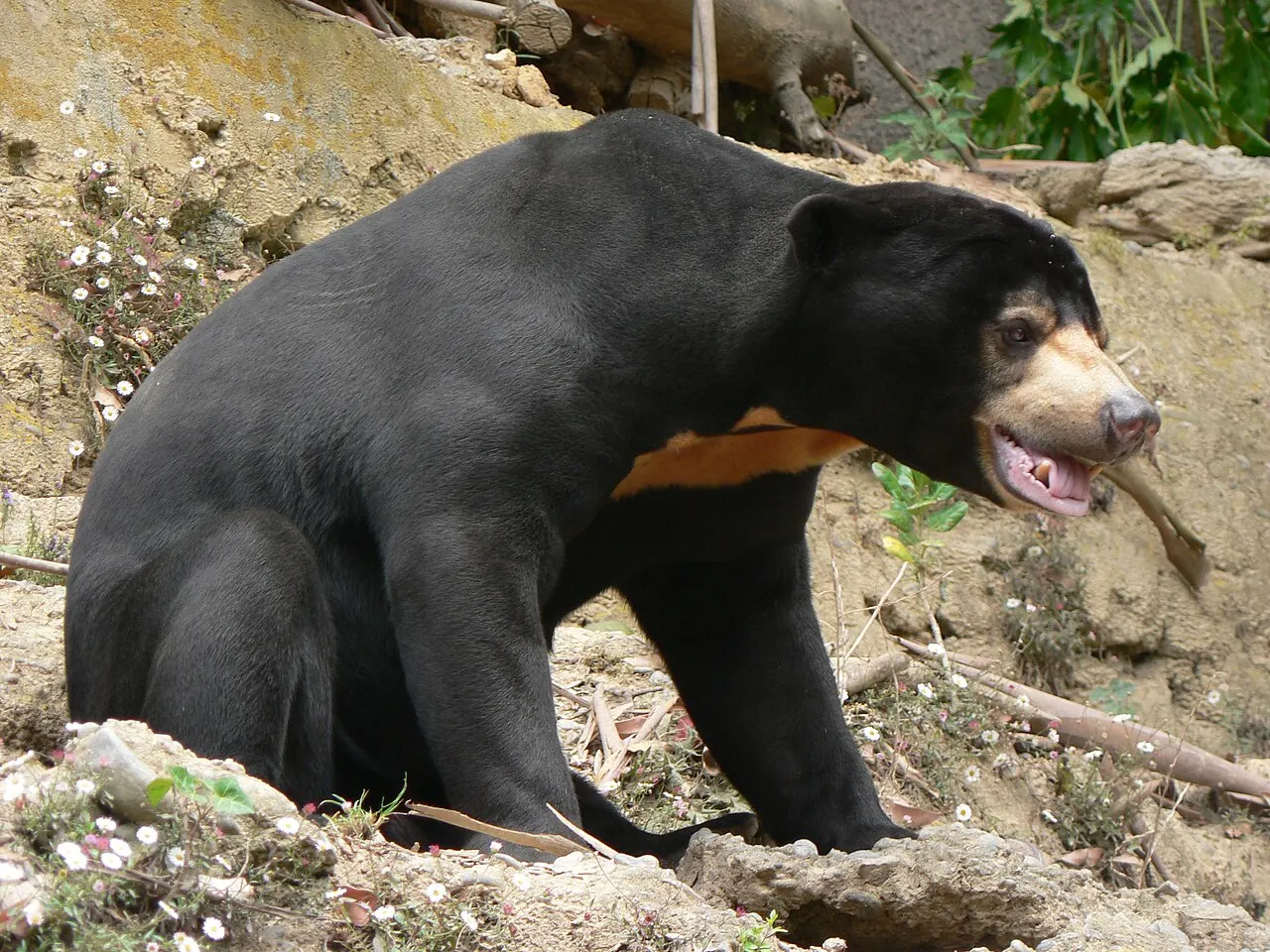
Gunung Palung is an important landscape for the Bornean orangutan. The Gunung Palung Orangutan Conservation Program describes long-running work on behaviour, feeding and habitat use at Cabang Panti. Its conservation accounts also identify sun bears, gibbons, proboscis monkeys and other forest wildlife. These records explain ecological significance; they are not a promise of sightings on a visitor walk.
Cabang Panti is a research station. Its presence in descriptions of the park does not make its buildings or research trails freely accessible. Plan around authorised visitor arrangements and leave research access to the relevant permissions. Keep distance from wildlife and let your guide decide how to respond to an encounter.
Arrange the visit before leaving the gateway
Use Sukadana as the planning gateway for the Lubuk Baji side and ask the park or a local guide about the current approach through Sedahan Jaya. Ketapang may form part of the wider regional journey, but it is not interchangeable with the trail meeting point. Confirm transport, admission arrangements, guide, walking distance and return time before departure.
A full day is a sensible planning allowance for an agreed forest outing, not a published minimum or a guarantee that every route fits into one day. Camping requires its own confirmation of shelter, meals, water and what equipment to bring. Ask about recent rain, slippery sections and any closures. Published local price and opening-time fields should be checked directly rather than treated as a permanent timetable.
Choose the experience the forest can support
A visit suits travellers who value forest scenery and interpretation even when animals remain out of sight. Reading about lowland rainforest before walking helps explain why trees, watercourses and less conspicuous wildlife matter as much as the larger mammals.
Bring back everything you carry in, stay on the agreed route and do not feed or pursue animals. Avoid publishing precise locations of sensitive wildlife. A carefully arranged visit to one accessible sector is more useful than an ambitious plan built around unspecified access to the whole national park.