Cave ecosystems
BorneoBorneo’s caves are living environments as well as geological spaces. Research at Mulu documents underground food webs linked to bats, swiftlets, microbial activity and water moving through limestone.
A habitat explains how landscapes, animals and plants fit together. Follow its links to the places where it occurs.
12 discoveries

Borneo’s caves are living environments as well as geological spaces. Research at Mulu documents underground food webs linked to bats, swiftlets, microbial activity and water moving through limestone.
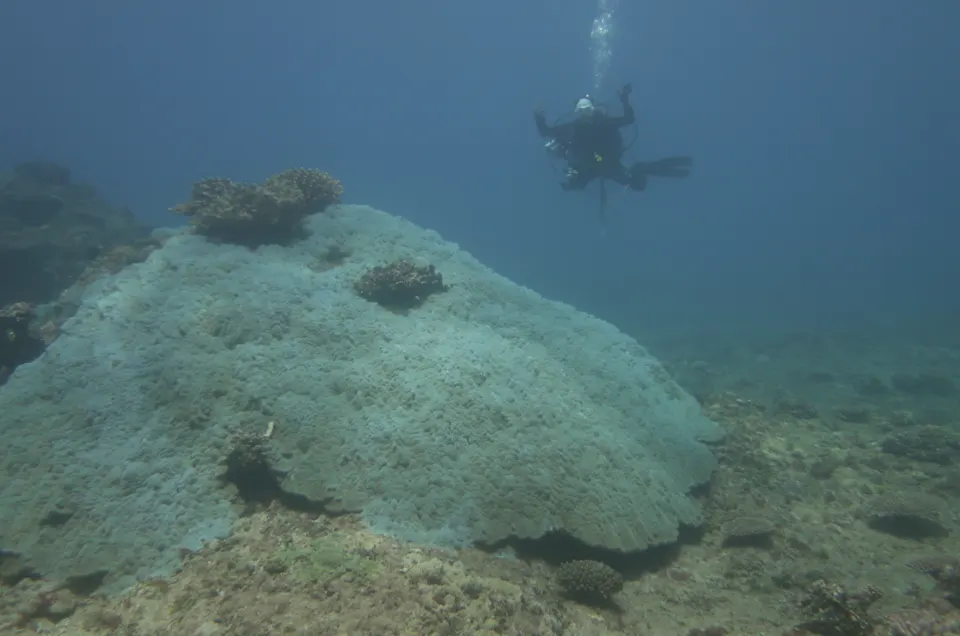
Living coral communities create marine structure across reef settings, including the distinct coastal and island seascapes documented in East and South Kalimantan.

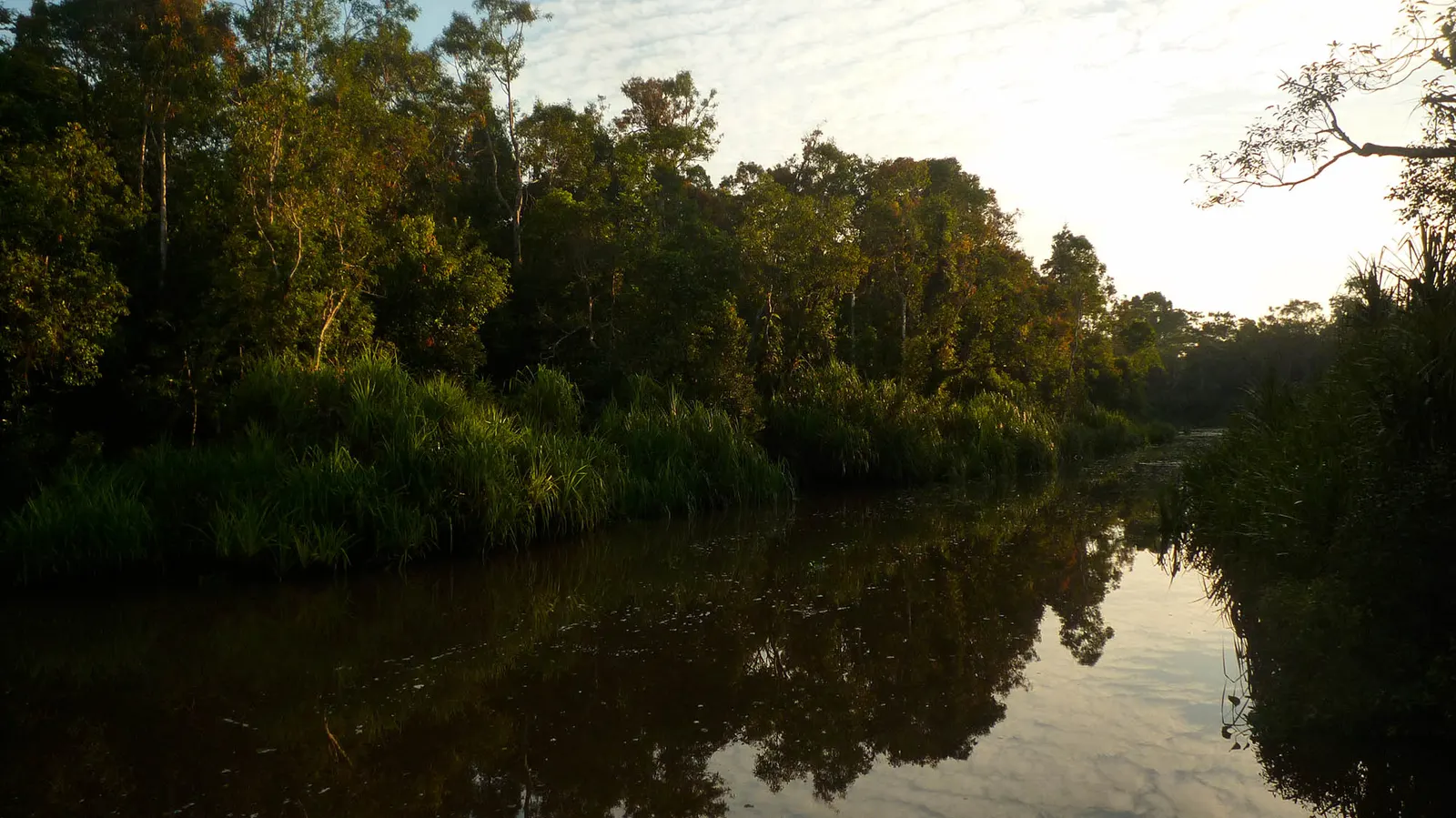
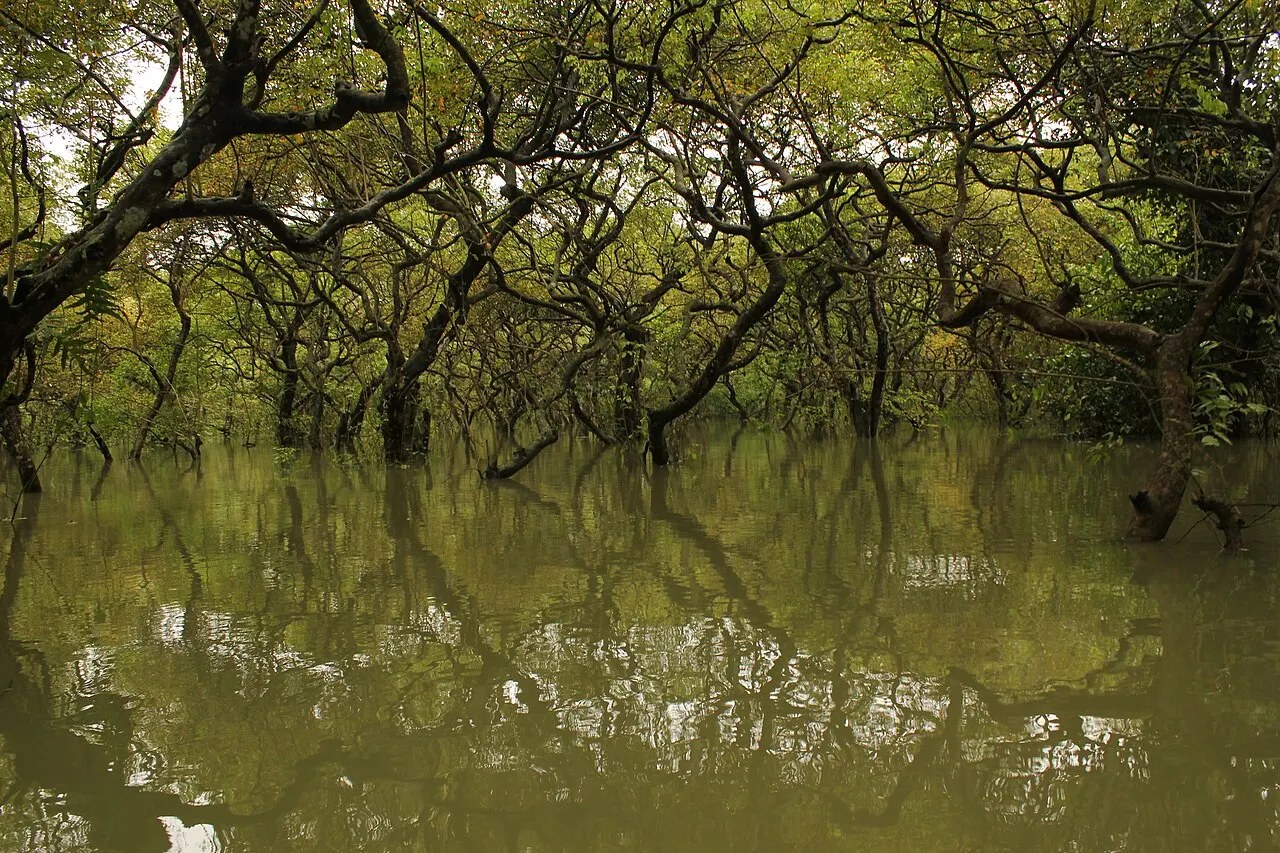
A freshwater-influenced forest habitat documented within Tanjung Puting’s protected-area mosaic.

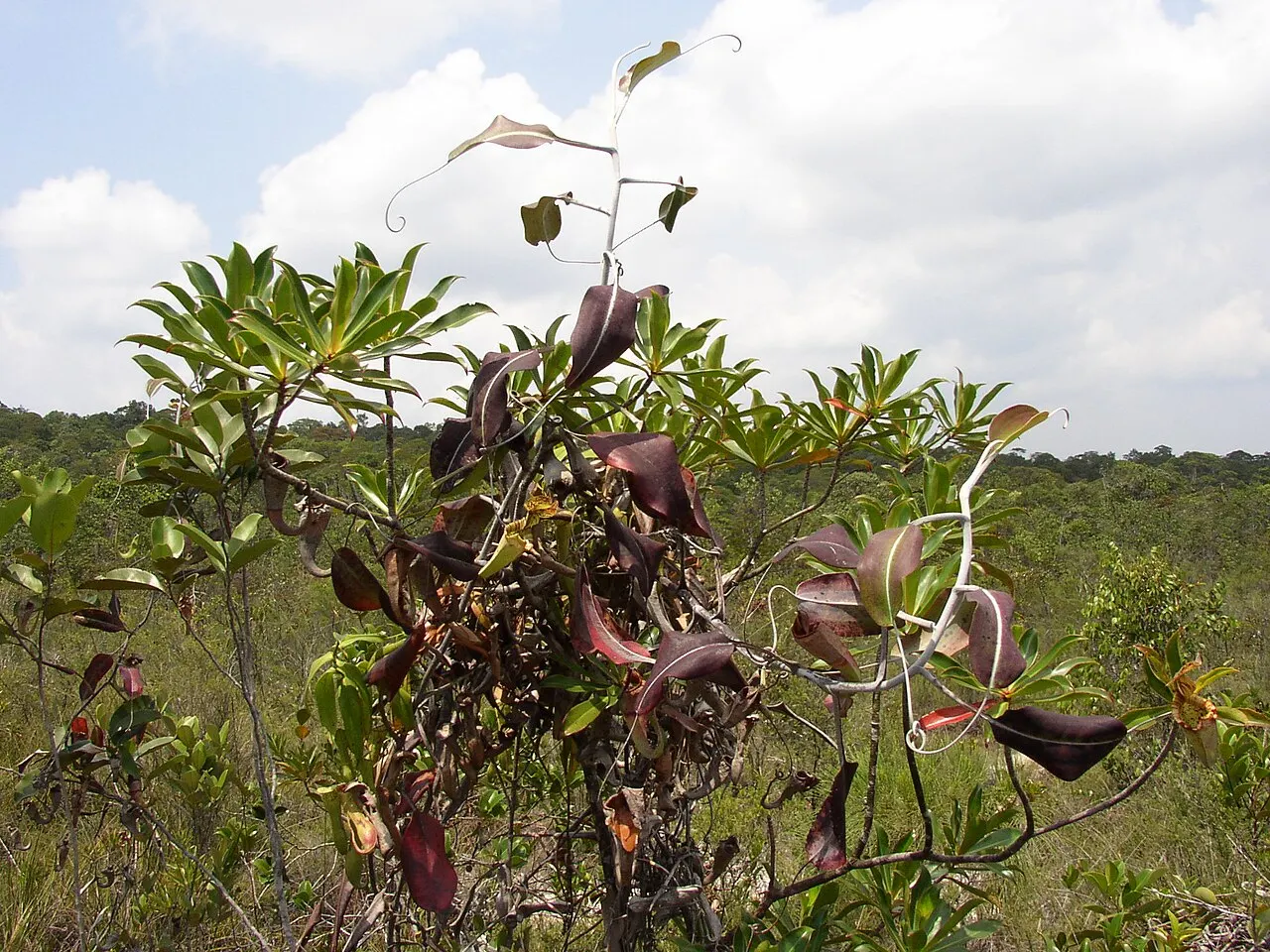
Tropical heath forest, locally called kerangas, forms part of Tanjung Puting’s habitat diversity.

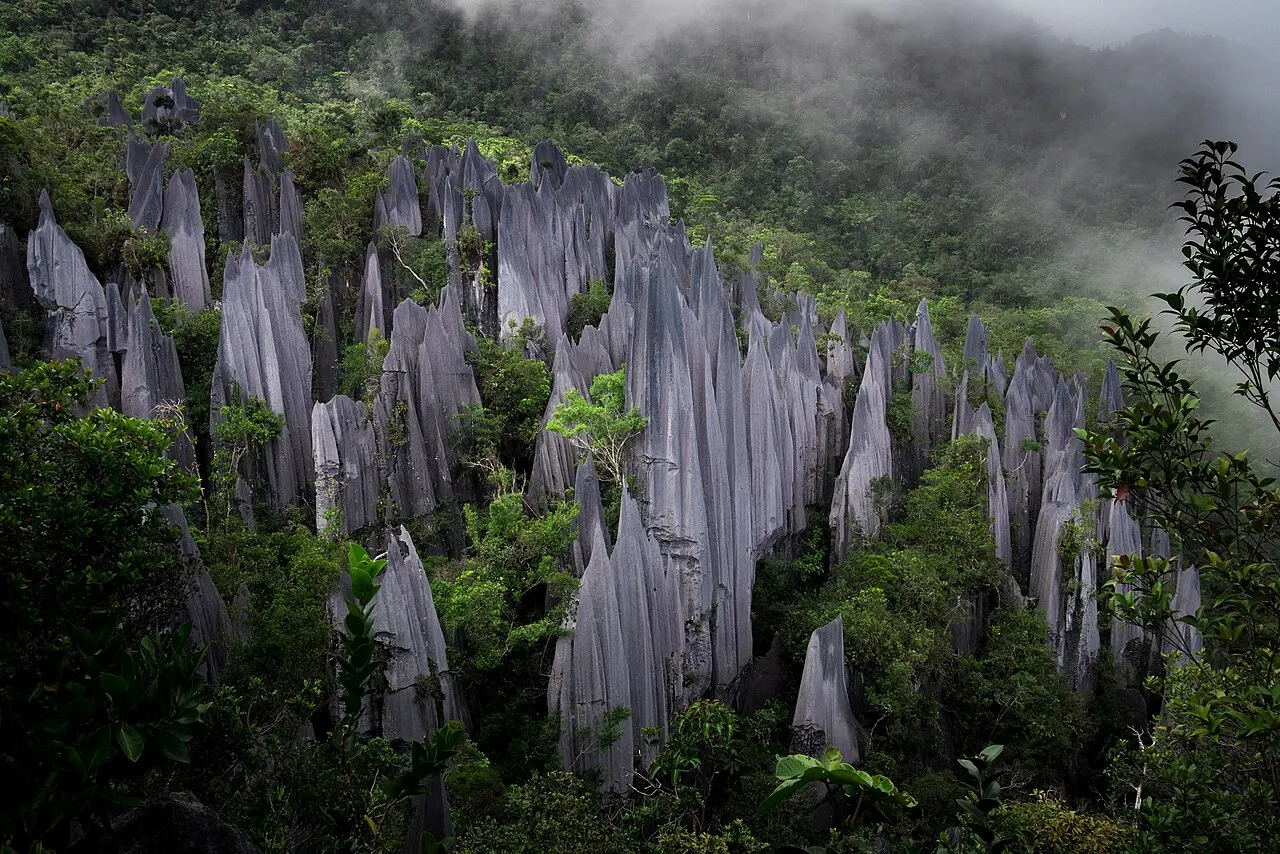
Karst connects rock, water and living communities. Sarawak’s Mulu landscape shows how limestone ridges, pinnacles and underground drainage belong to one landscape while supporting different ecological settings.

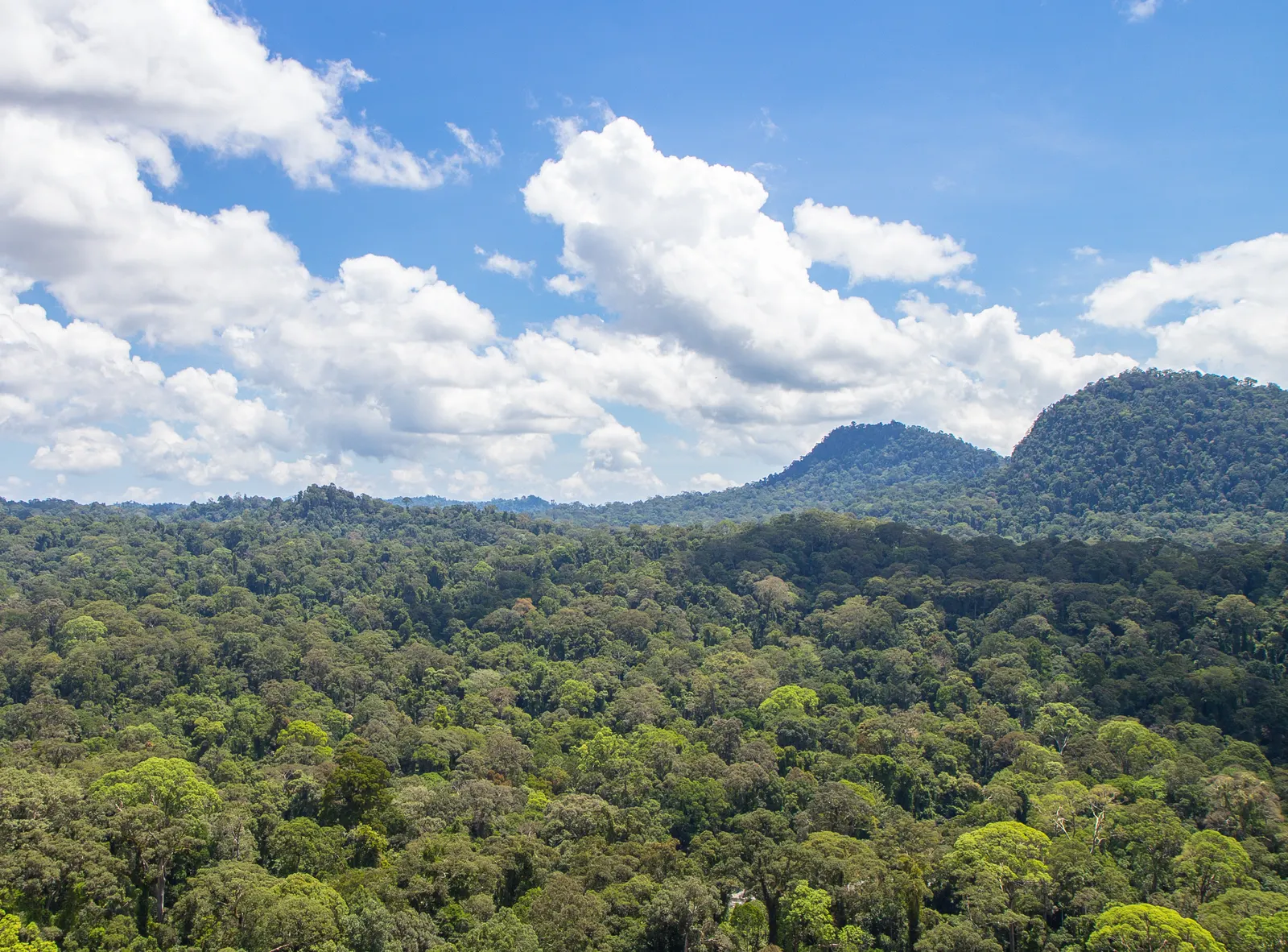
Lowland forest is one part of Tanjung Puting’s wider ecological mosaic, distinct from its waterlogged and coastal habitats.

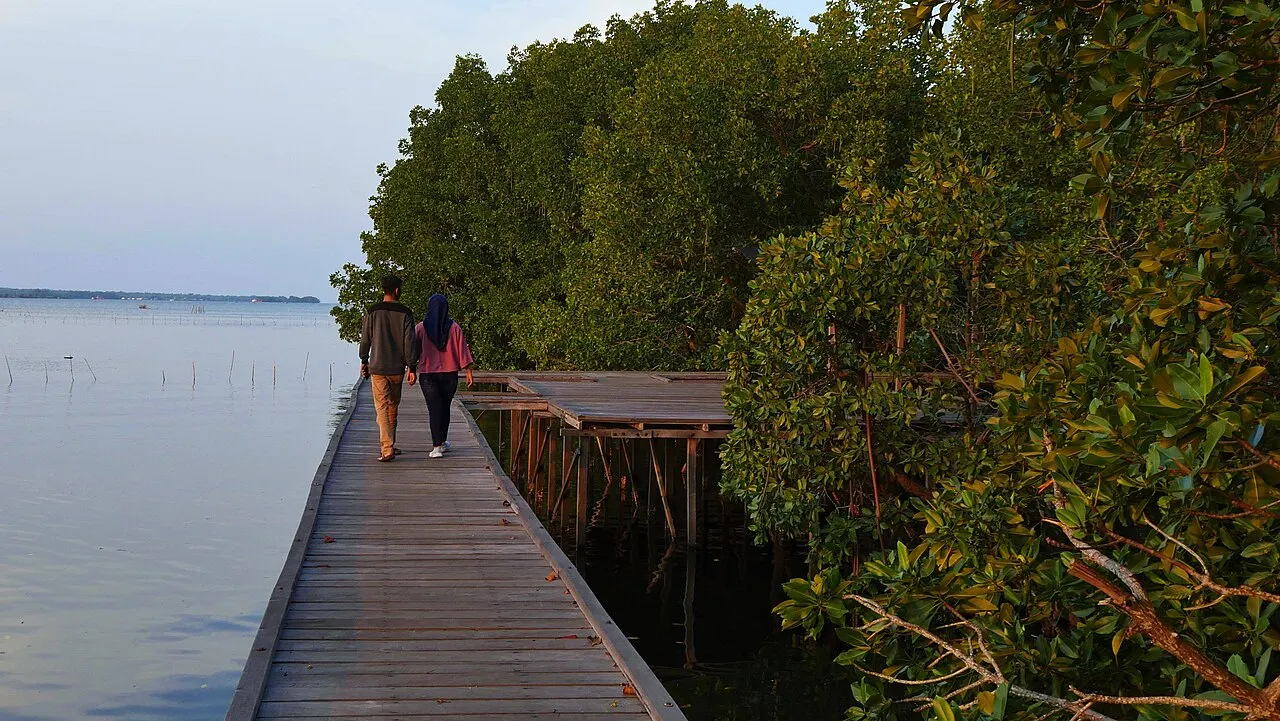
A coastal forest habitat documented in Tanjung Puting, rather than an assumed feature of every inland destination.

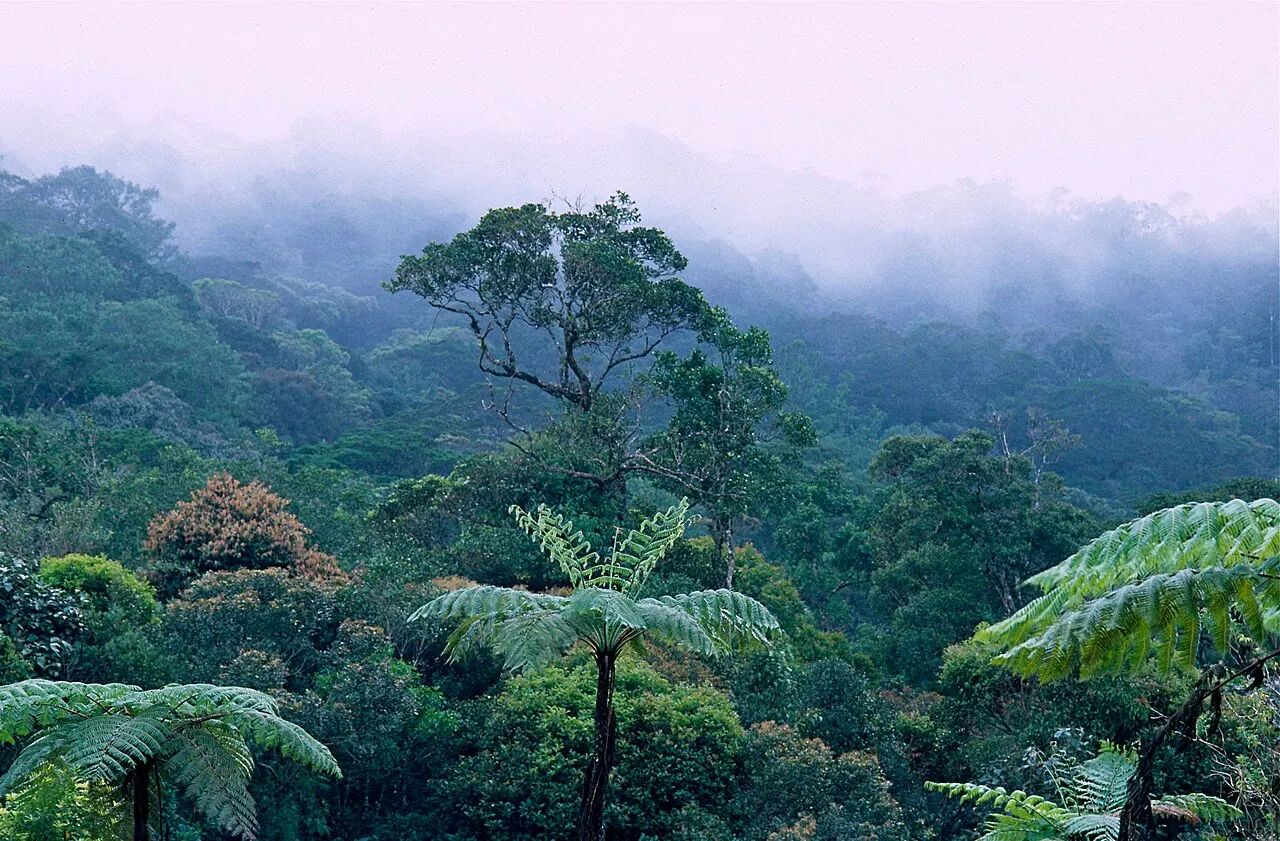
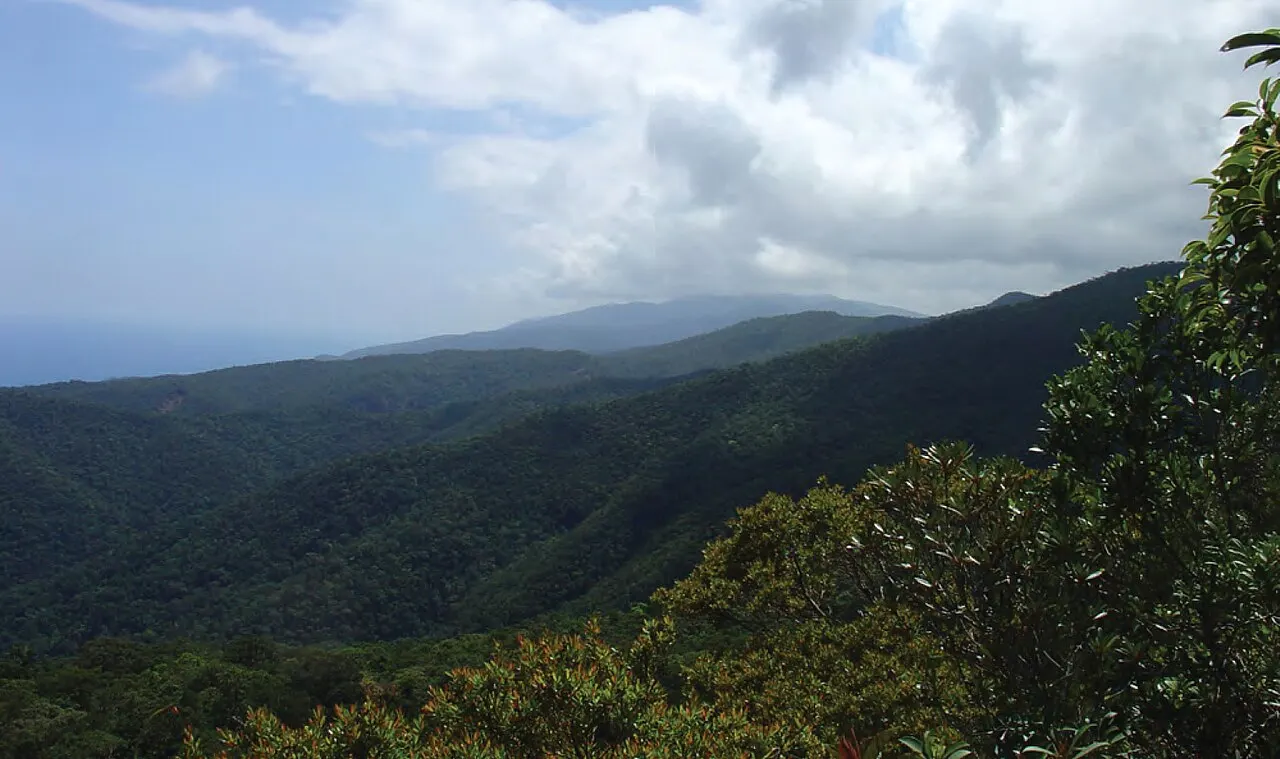
Mountain forest connects Borneo’s uplands with distinctive plant communities. Kayan Mentarang in North Kalimantan and Kinabalu in Sabah provide documented protected landscapes.

A forest rooted in waterlogged peat, where living trees and the saturated organic soil form one ecological system.

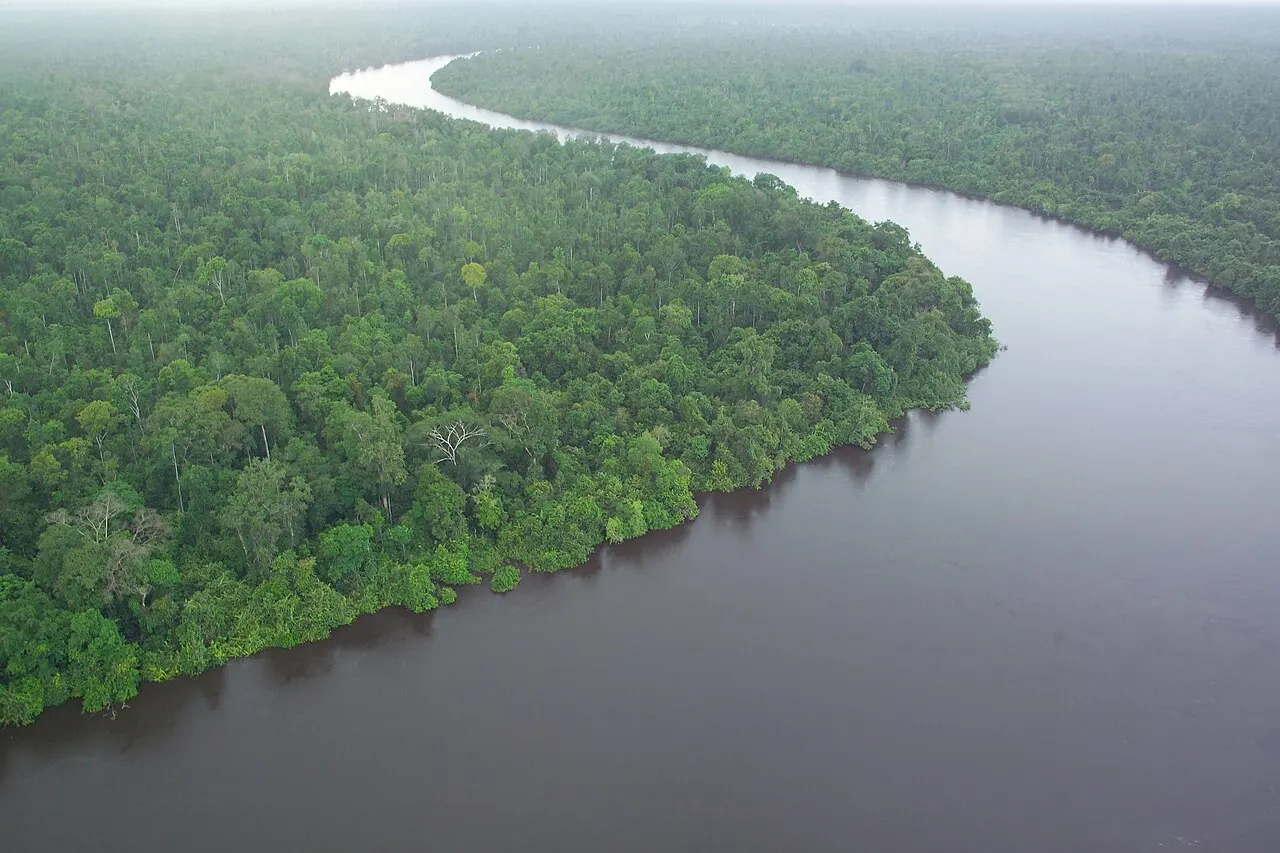
Rivers connect forest habitats, fish communities and travel routes in Central Kalimantan.

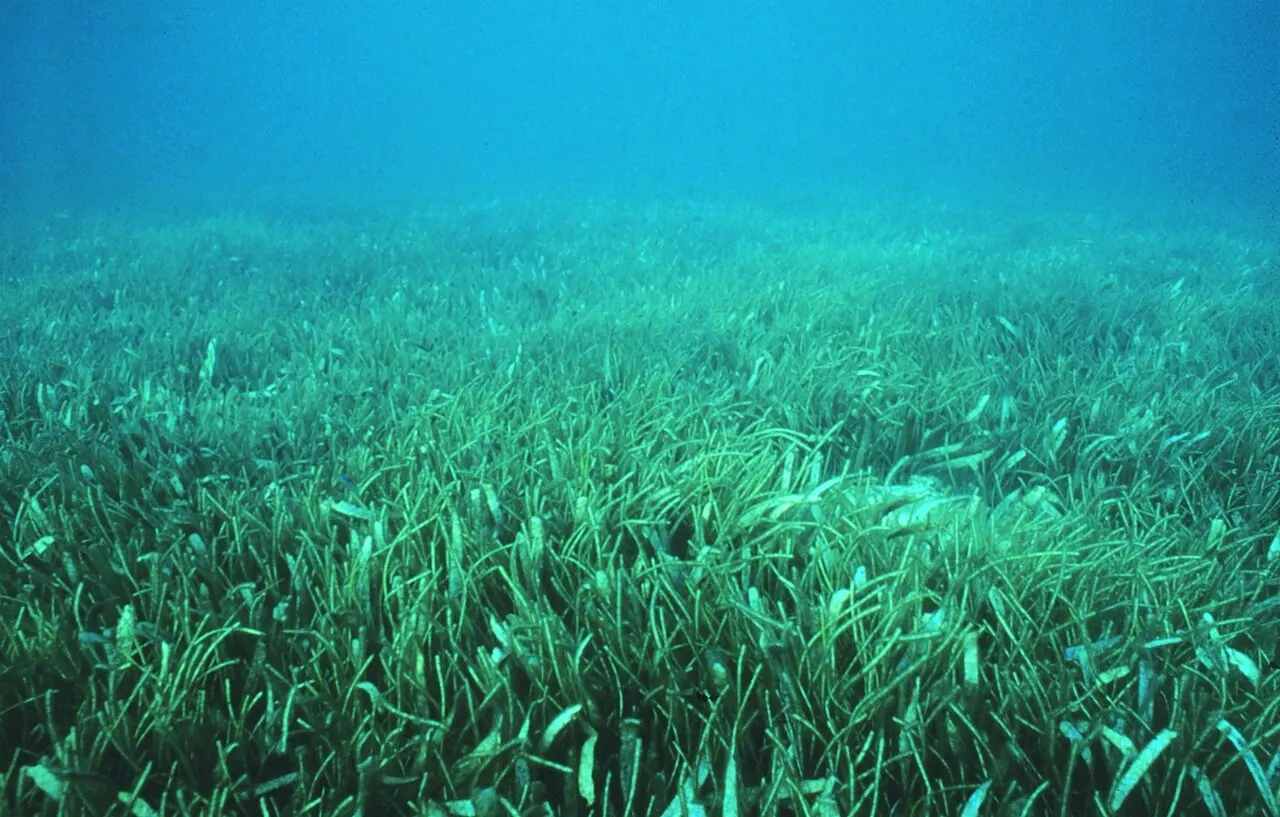
Submerged flowering plants form coastal meadows distinct from both algae and coral reefs; Berau research connects this habitat with blue carbon and turtle landscapes.

Vegetation growing on ultramafic substrates adds a geological dimension to Borneo’s habitats. In Kinabalu Park, researchers describe distinct plant communities shaped by both the substrate and elevation.