Characteristics
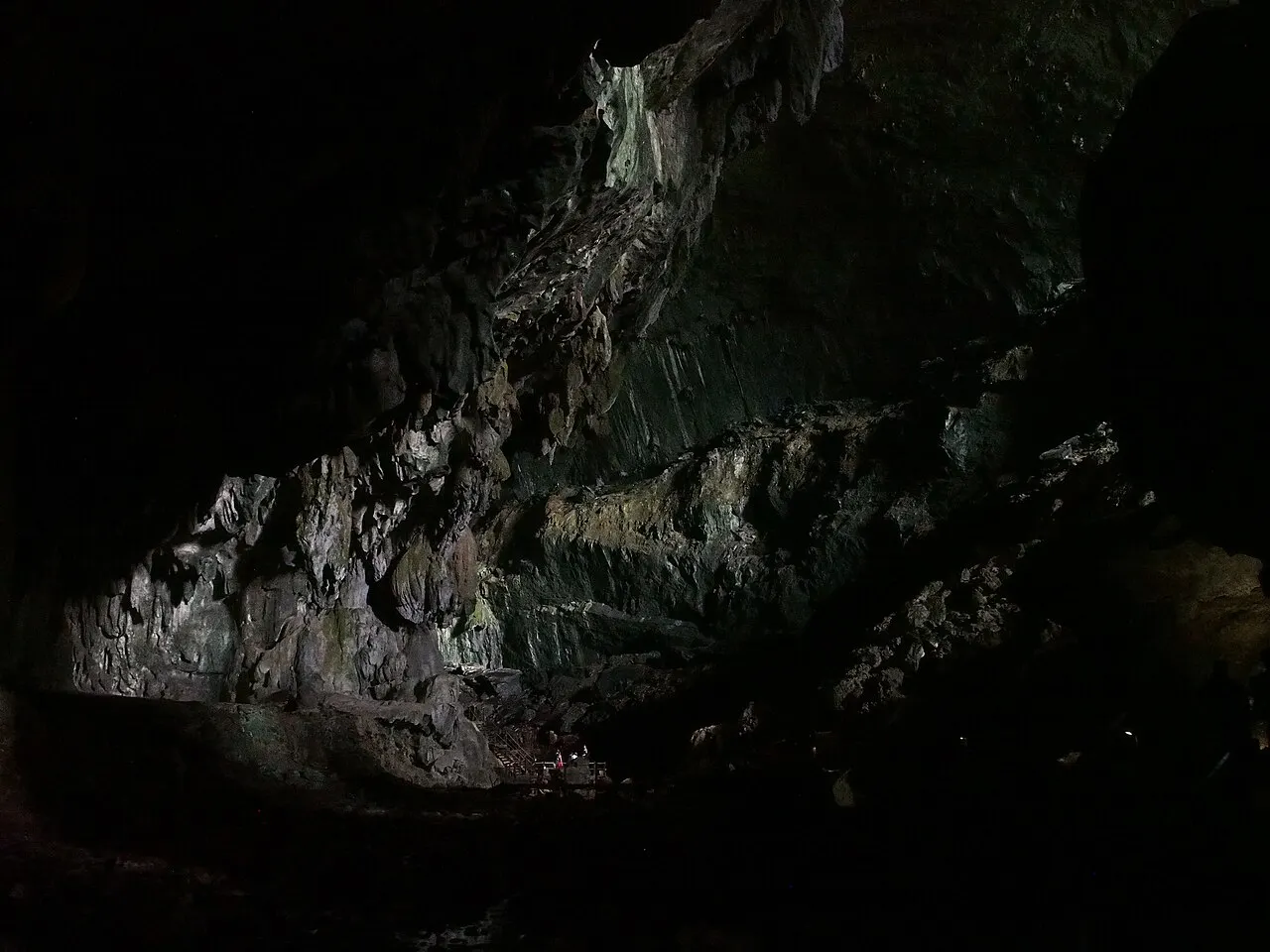
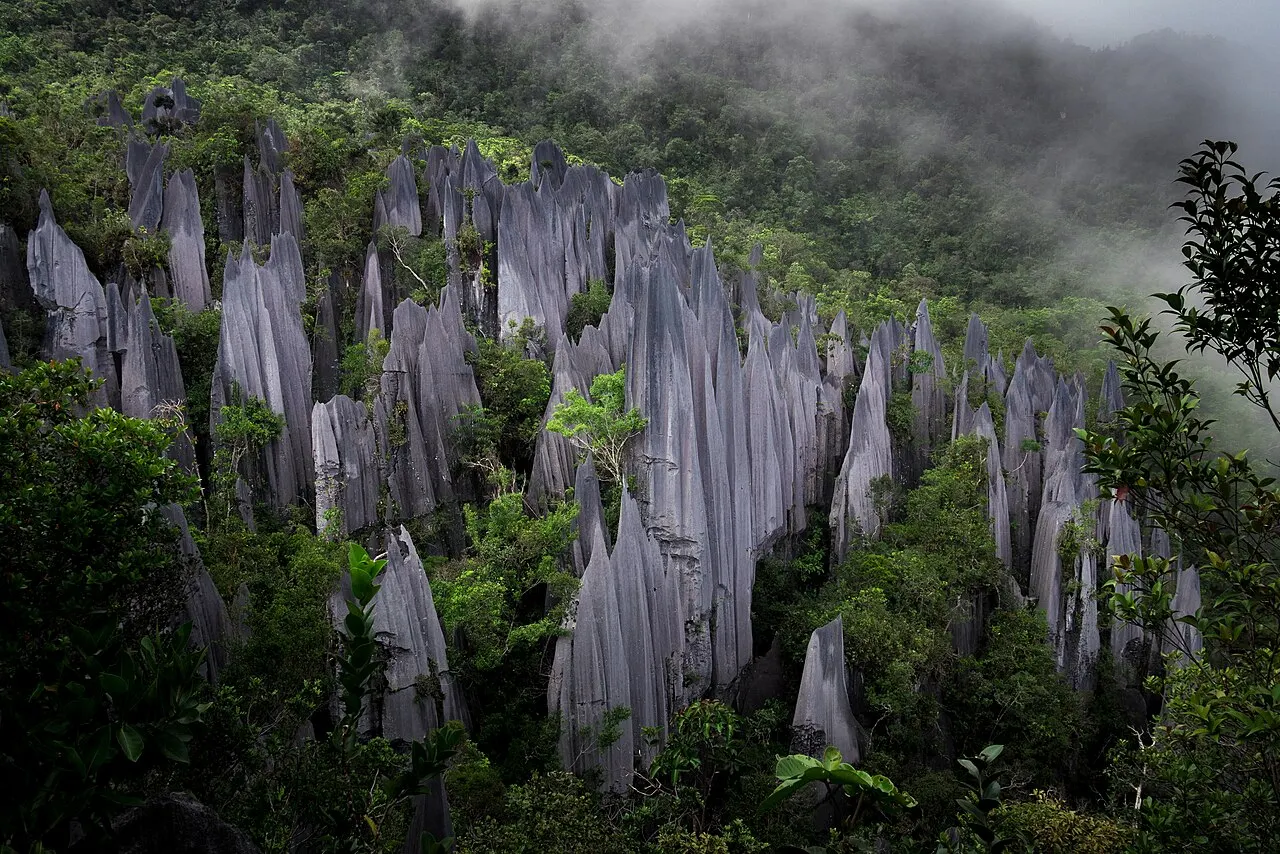
Water dissolving limestone shapes connected surface and underground features. At Mulu, the limestone of Gunung Api and its caves provide a documented example. A pinnacles photograph illustrates an above-ground karst formation; it should not be presented as a view of a cave interior or evidence of a particular animal population.
Conservation
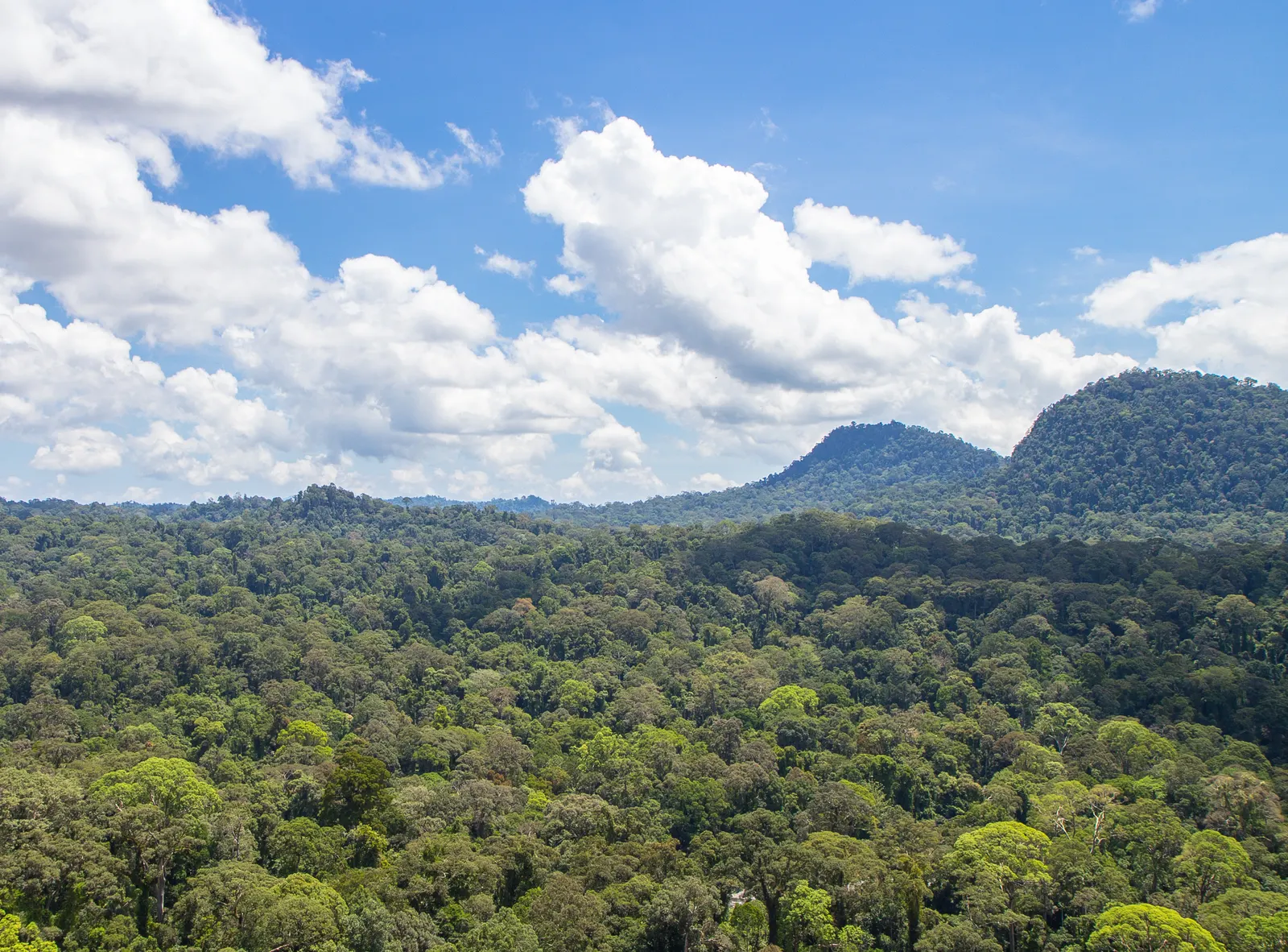
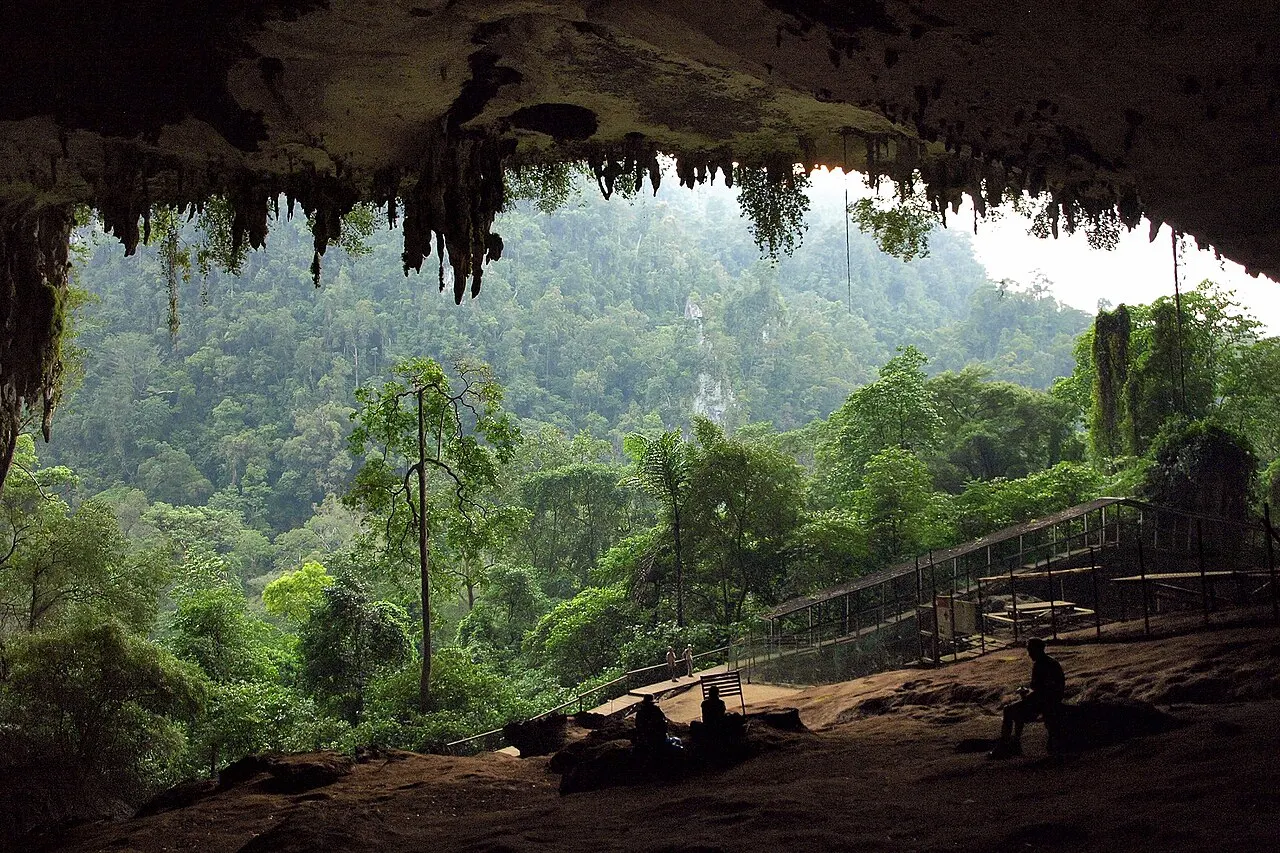
Conservation must protect cave systems and their surface surroundings together. At Mulu, biological inputs from the forest influence cave conditions; at Niah, visitor care also protects archaeological deposits. Follow designated routes and leave rock formations intact.
Species found here
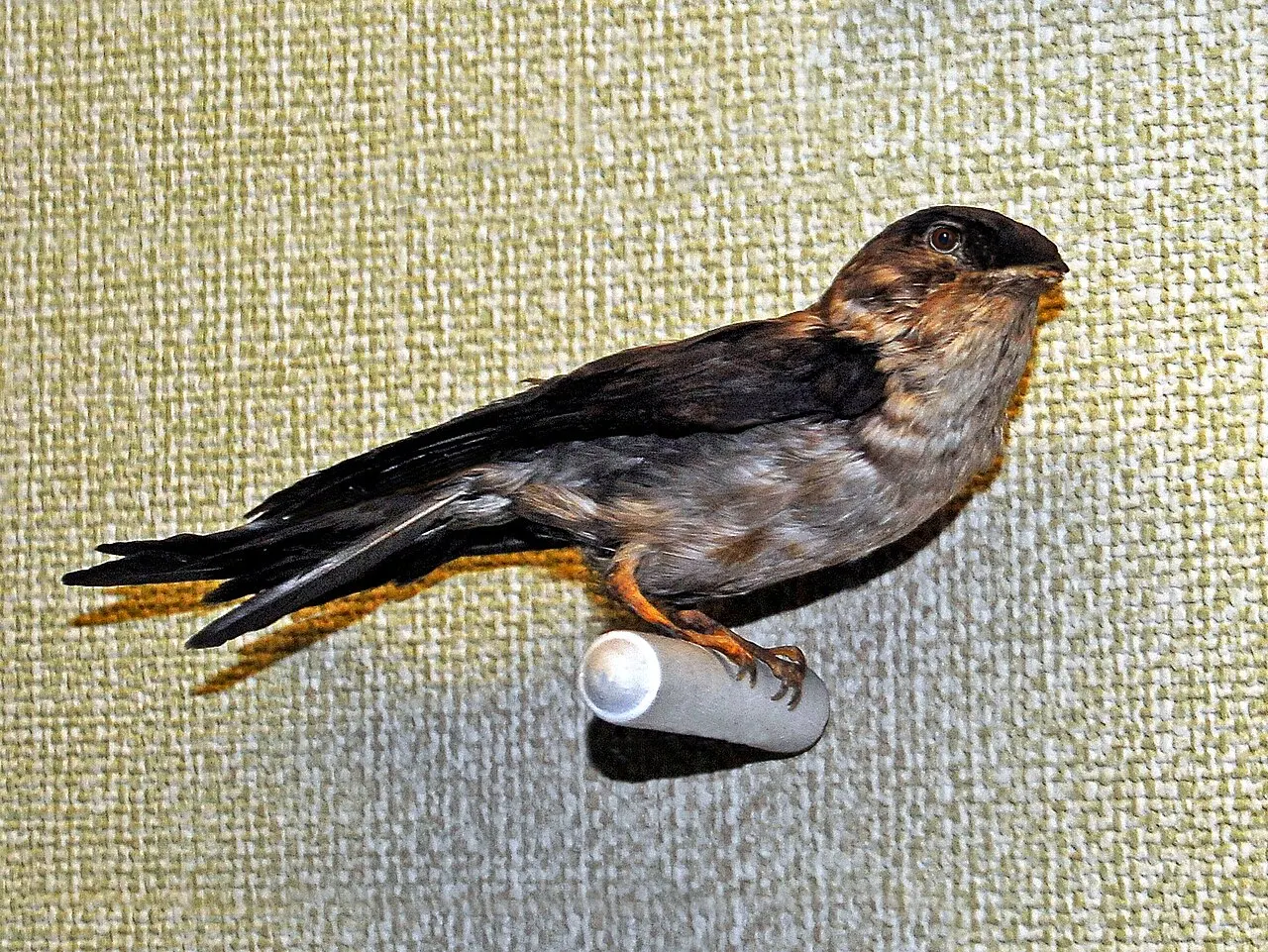
Examples in the linked species profiles include Edible-nest swiftlet. Their profiles identify the particular locality and evidence. A habitat association does not mean the species occurs in every patch of that habitat.
Sources & references · 5
IOC World Bird List · IOC species updates: Germain’s Swiftlet lumped with Edible-nest SwiftletJournal of Avian Biology / Price, Johnson and Clayton; University of Utah repository · The evolution of echolocation in swiftletsRaffles Bulletin of Zoology / Goh et al. / National University of Singapore · Genetic diversity among white-nest swiftlets of the genus Aerodramus of house-farms in MalaysiaNotornis 68(1) / Birds New Zealand · Arthropods in the diets of swiftlets in SabahOryx / study authors · Protection of the white-nest swiftlet in the Andaman Islands, India: an assessmentWhere this habitat occurs
The Mulu and Niah records connect this habitat with two researched Sarawak landscapes. Their heritage values differ: Mulu’s recognition centres on nature, while Niah’s focuses on archaeological evidence in a limestone massif. Neither designation means every limestone exposure in Sarawak has the same species, access rules or protection boundary.
Protected areas
Documented landscapes to explore include Gunung Mulu National Park, Niah National Park. These areas contain habitat mosaics; the habitat does not cover their entire surface. Check each area’s access information before a visit.
Ecological importance
Surface forests, streams and caves exchange water and biological inputs. Changes above ground can affect the underground environment. Karst therefore asks for attention to the whole drainage system, not only spectacular rocks. In caves, darkness and the supply of food create conditions very different from those experienced in the surface forest.