Ecosystems
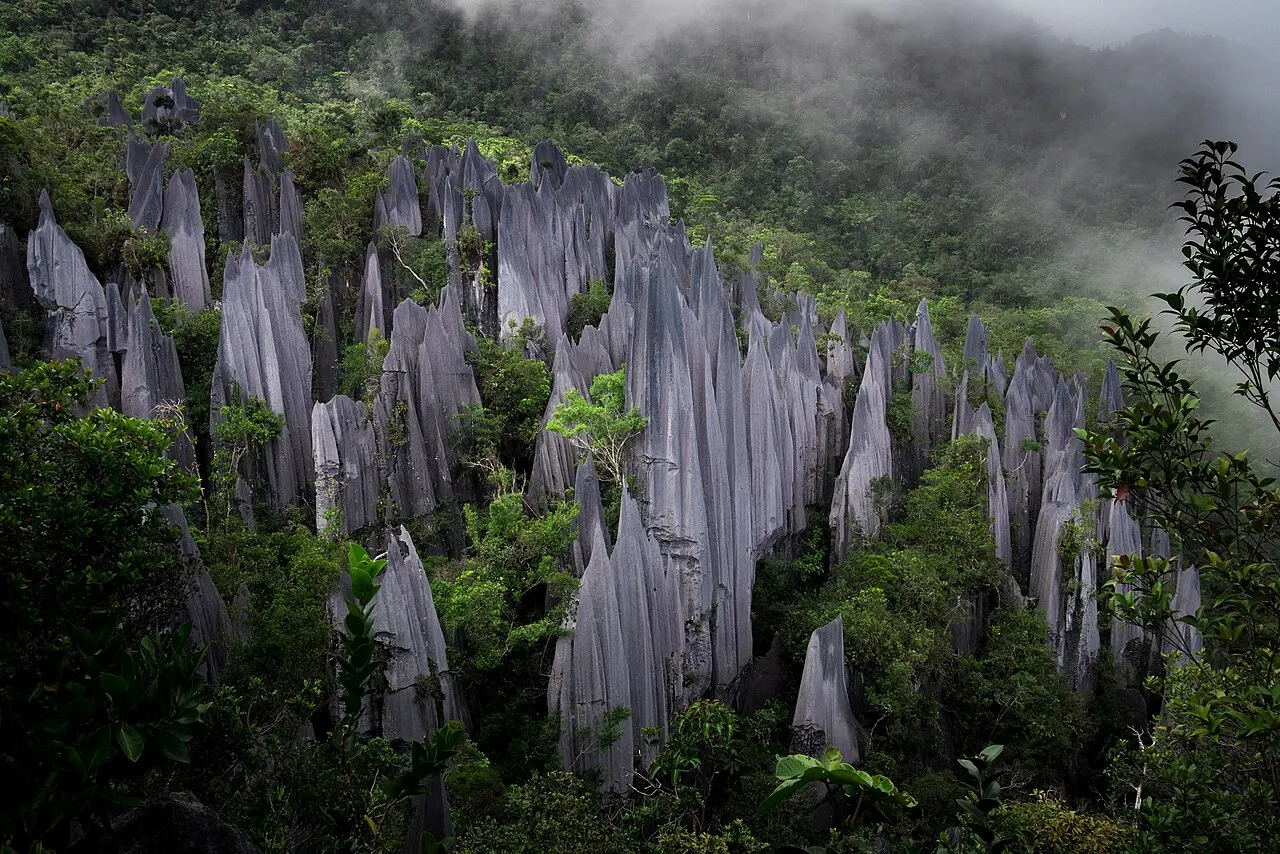
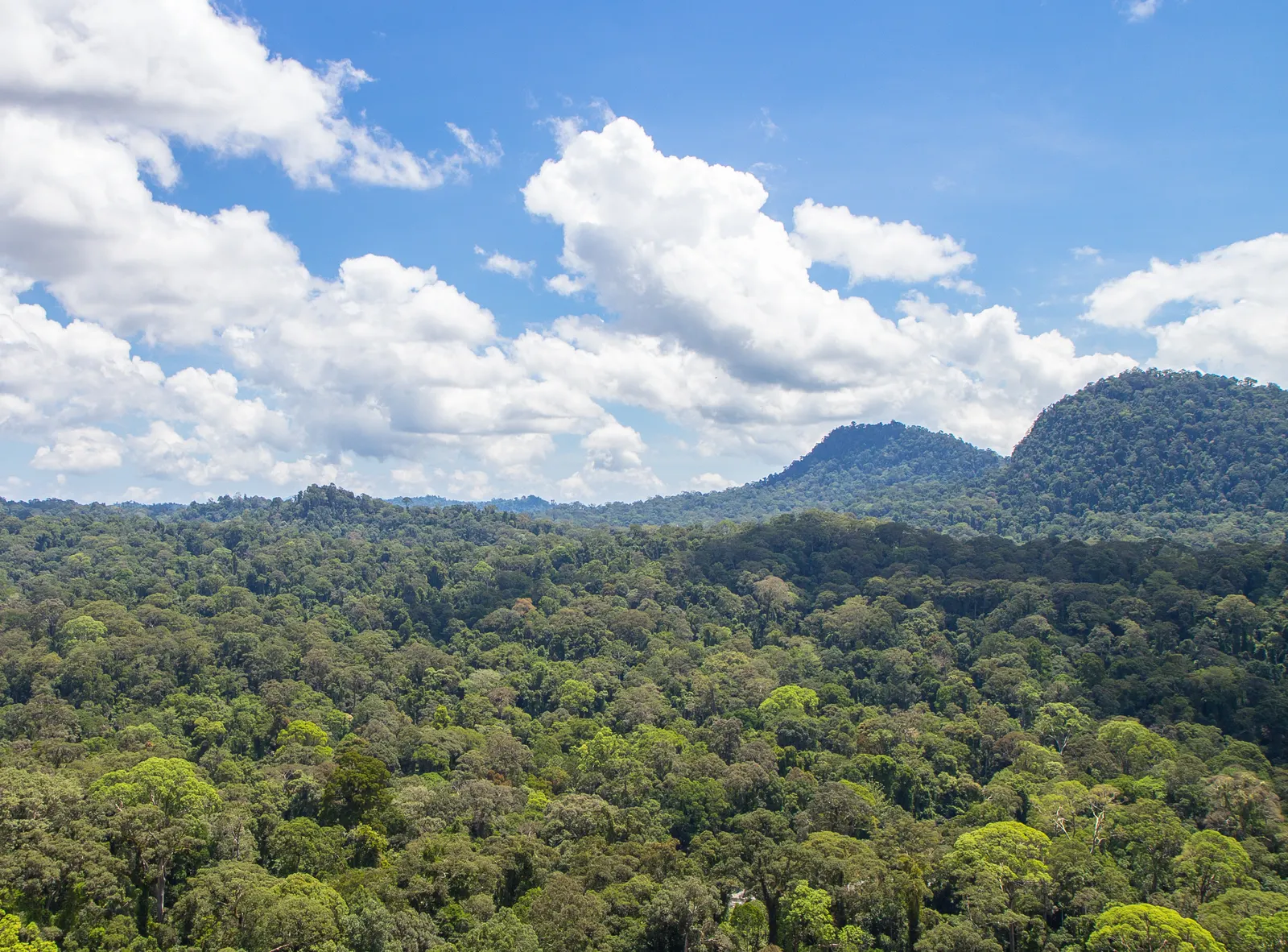
The cave experience begins in the forest. Sarawak Forestry describes a raised walkway through primary rainforest leading toward the Great Cave, with further forest routes complementing the underground visit. This transition helps visitors understand the caves as part of a living landscape, where forest habitats and sheltered cave spaces meet rather than as isolated monuments.
Conservation
The Archaeological Heritage of Niah National Park’s Caves Complex entered the World Heritage List in 2024. Its significance includes long records of human interaction with rainforest, archaeological deposits, rock paintings and boat-shaped burials. This is a cultural World Heritage designation with its own property and buffer boundaries; it should not be substituted for the national park’s legal boundary.
Practical information
Niah combines walking, darker cave passages and archaeological interpretation, so plan beyond a brief stop at an entrance. Sarawak Forestry notes that a torch is essential in dark sections. Confirm the current river crossing and route arrangements before travelling, and give paintings and burial areas the same care as the surrounding forest and cave wildlife.
Start at headquarters, not the cave pin
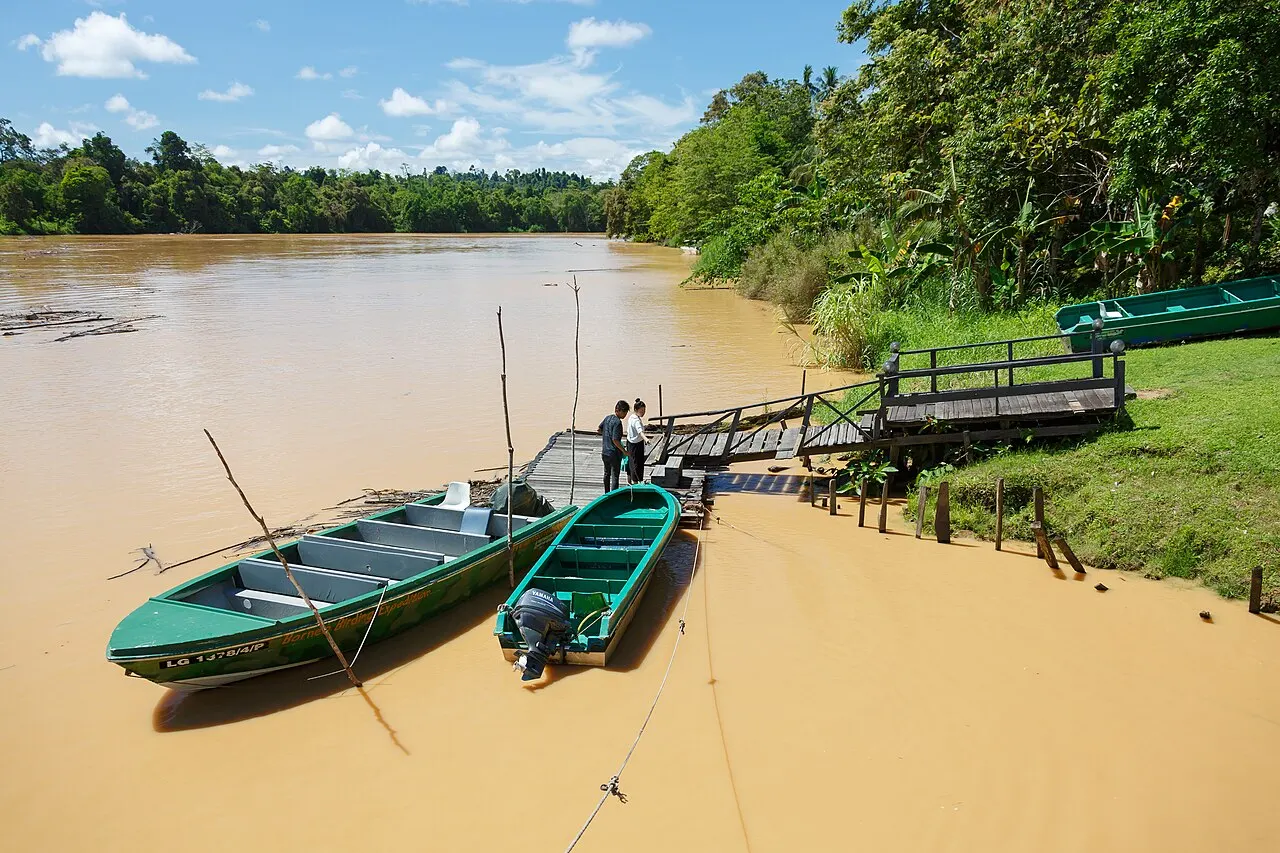
From Miri, arrange road transport towards the park headquarters near Batu Niah and agree a return collection. SFC describes the approach as roughly two hours from Miri or Bintulu, followed by a motorised river crossing and a forest boardwalk of about 3.5 km to the Great Cave. These are planning indications, not a timetable: confirm the crossing, current route condition and operating hours before departure. The walk is part of the visit and must also be allowed for on the return. Miri Airport is a regional transport link, not the entrance to the caves.
A walking and heritage day
The Great Cave and, where open, the onward Painted Cave route offer a visit focused on scale, human history and the transition from daylight into darkness. A full day from Miri leaves more breathing room than a short stop between long road transfers. Decide at headquarters which sections are currently accessible and how long the return will take. The park's forest trails are additional choices, not an obligation to complete every route. Combine this with Sarawak's two cave stories to understand how Niah's archaeological importance differs from Mulu's natural World Heritage values. Both deserve their own travel time.
Admission, guidance and equipment
Service Sarawak lists Niah in its admission-ticket system and asks visitors to pre-register. Confirm with the park whether your chosen route needs a guide and whether any section is closed; do not turn the absence of a published universal guide rule into a claim of unrestricted access. A knowledgeable guide also helps distinguish archaeological interpretation from guesses about features in the cave. Carry a torch with spare power, water and shoes with good grip. Daylight at the entrance is not enough for the dark sections, and a phone should not be your only light. Keep your hands free where practical and turn back with enough time for the river crossing and transfer.
Overnight options and a living landscape
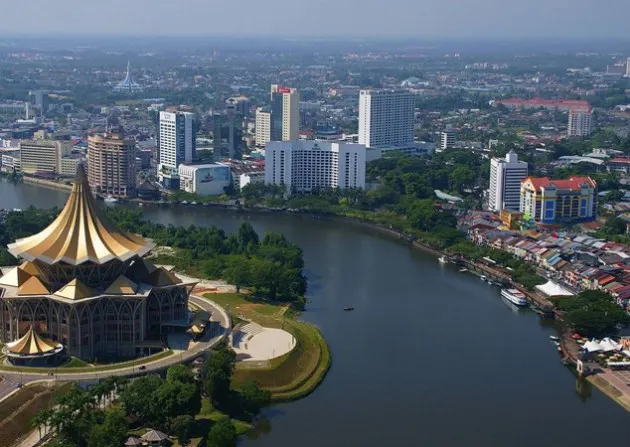
SFC lists park chalet or hostel accommodation and a longhouse homestay connection; reserve and confirm what is actually operating before relying on an overnight stay. Pullman Miri Waterfront is a city-base alternative, not a park property. The lowland forest and caves also support wildlife and living traditions, including birds' nest collection described by the authority. Visitors should not approach working structures or treat local livelihoods as a staged show. Respect barriers around deposits, paintings and burial remains, and avoid directing lights at roosting wildlife. Longer hours do not override park closing arrangements.