Characteristics
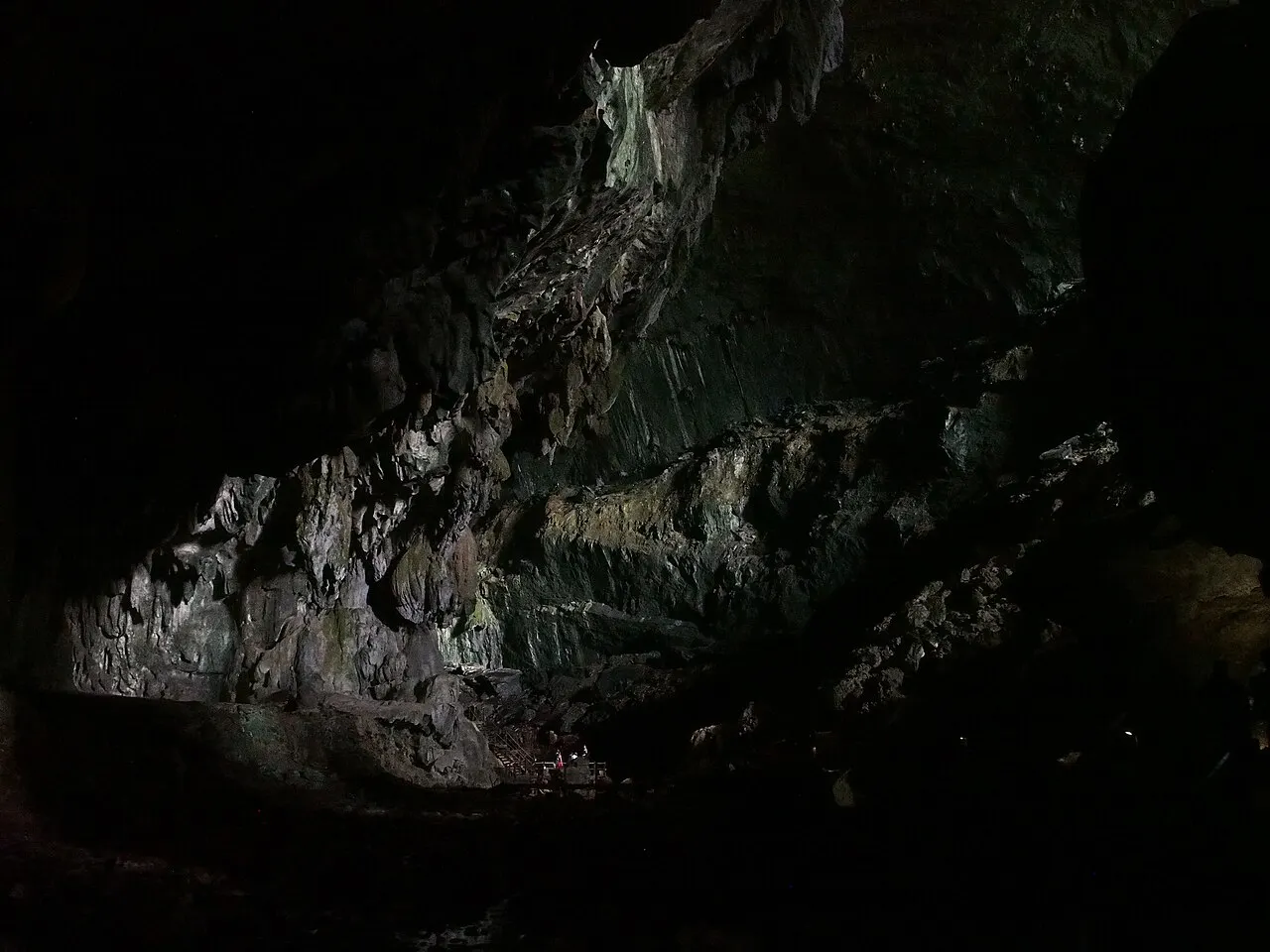
Research also shows that biological activity can influence cave formation: products of guano breakdown contribute to limestone dissolution in studied passages. This is a finding from particular surveyed systems, not a claim that every Bornean cave forms identically. Light levels, entrances, water and food supply distinguish the ecological zones within a cave.
Sources & references · 1
British Geological Survey (2025) · How bat excrement is sculpting Borneo’s hidden cavesDistribution
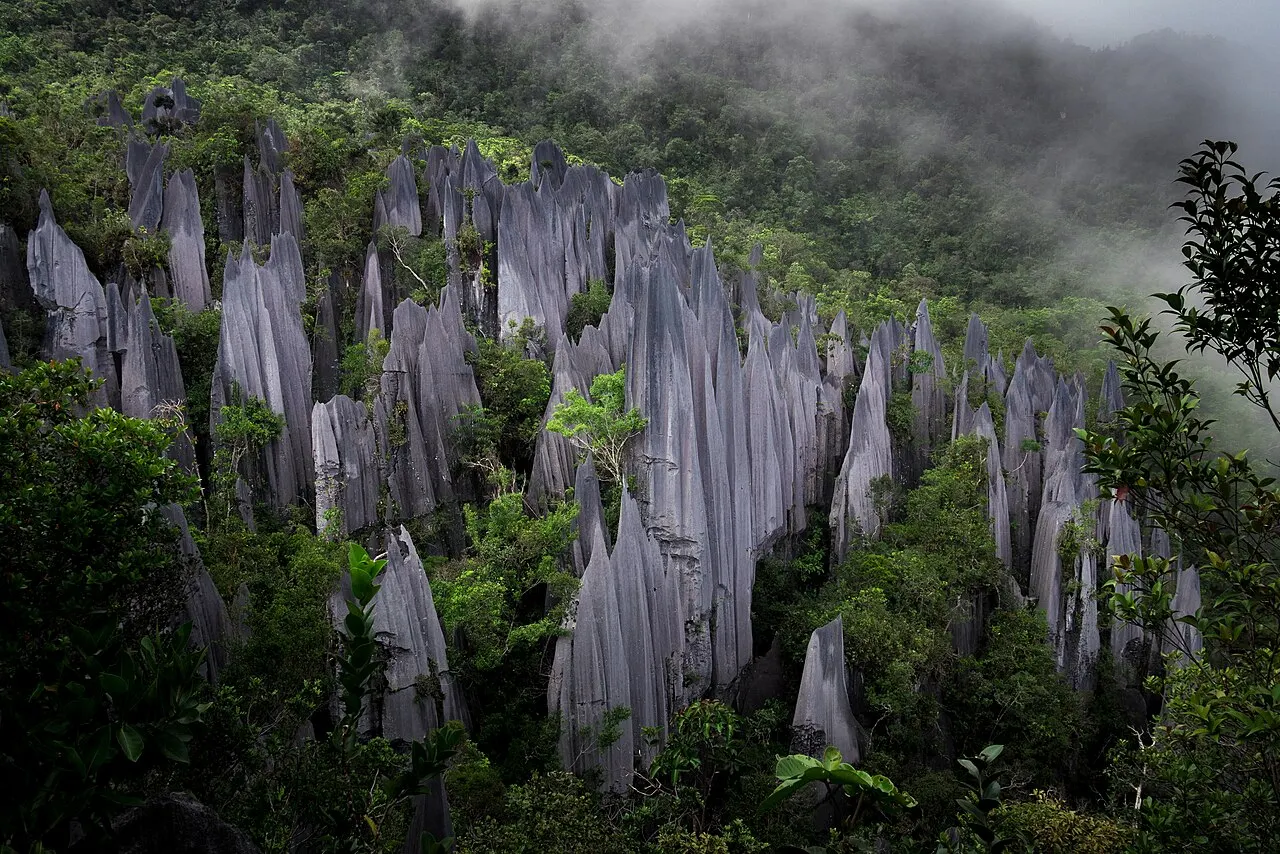
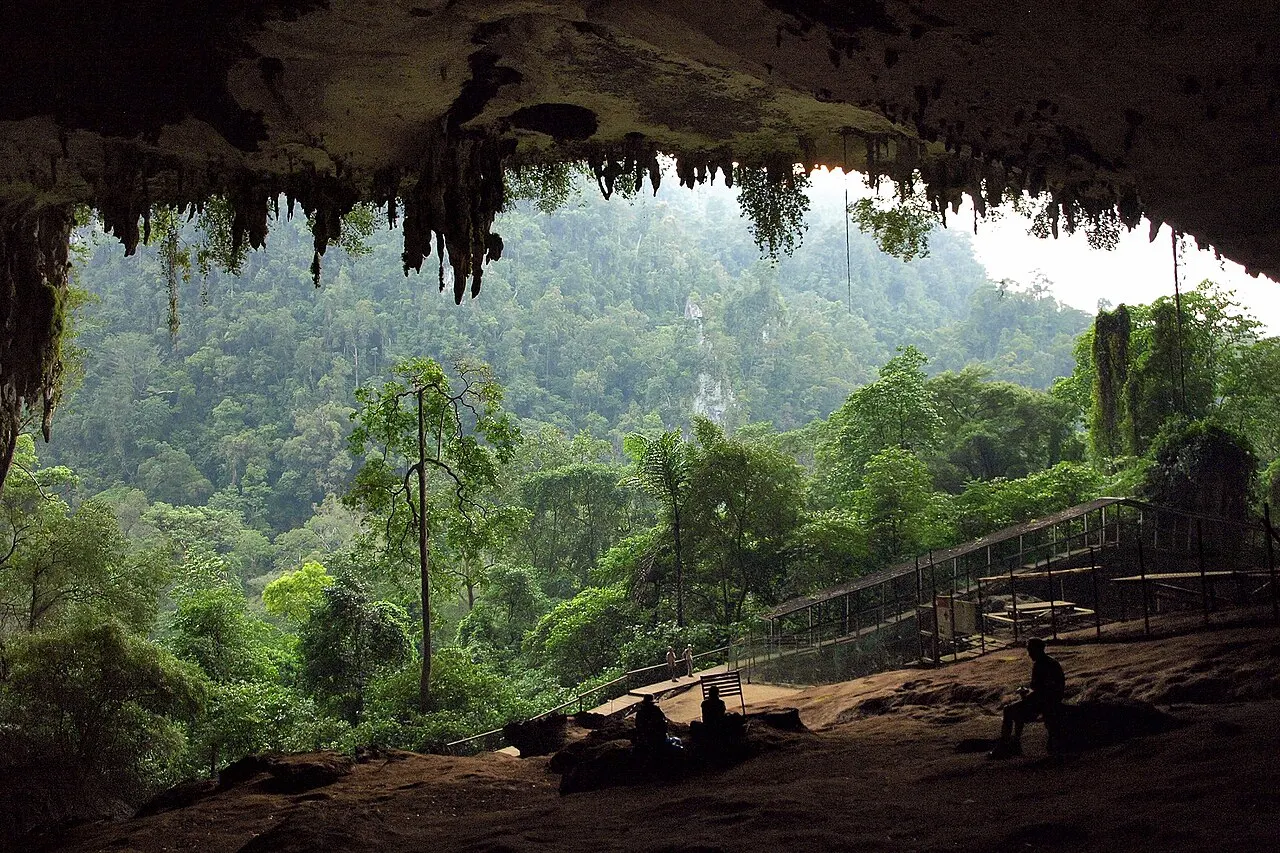
Mulu and Niah in Sarawak provide documented cave landscapes on Borneo. These named systems are useful starting points for understanding cave ecology; their evidence does not describe every cave on the island.
Conservation
Follow the park’s current visitor route and avoid handling wildlife or touching protected formations and archaeological deposits. Mulu and Niah connect ecology with different heritage values. Species-level links need separate identification evidence; a general account of swiftlets or bats in a cave is not enough to assign every named species to it.
Species found here
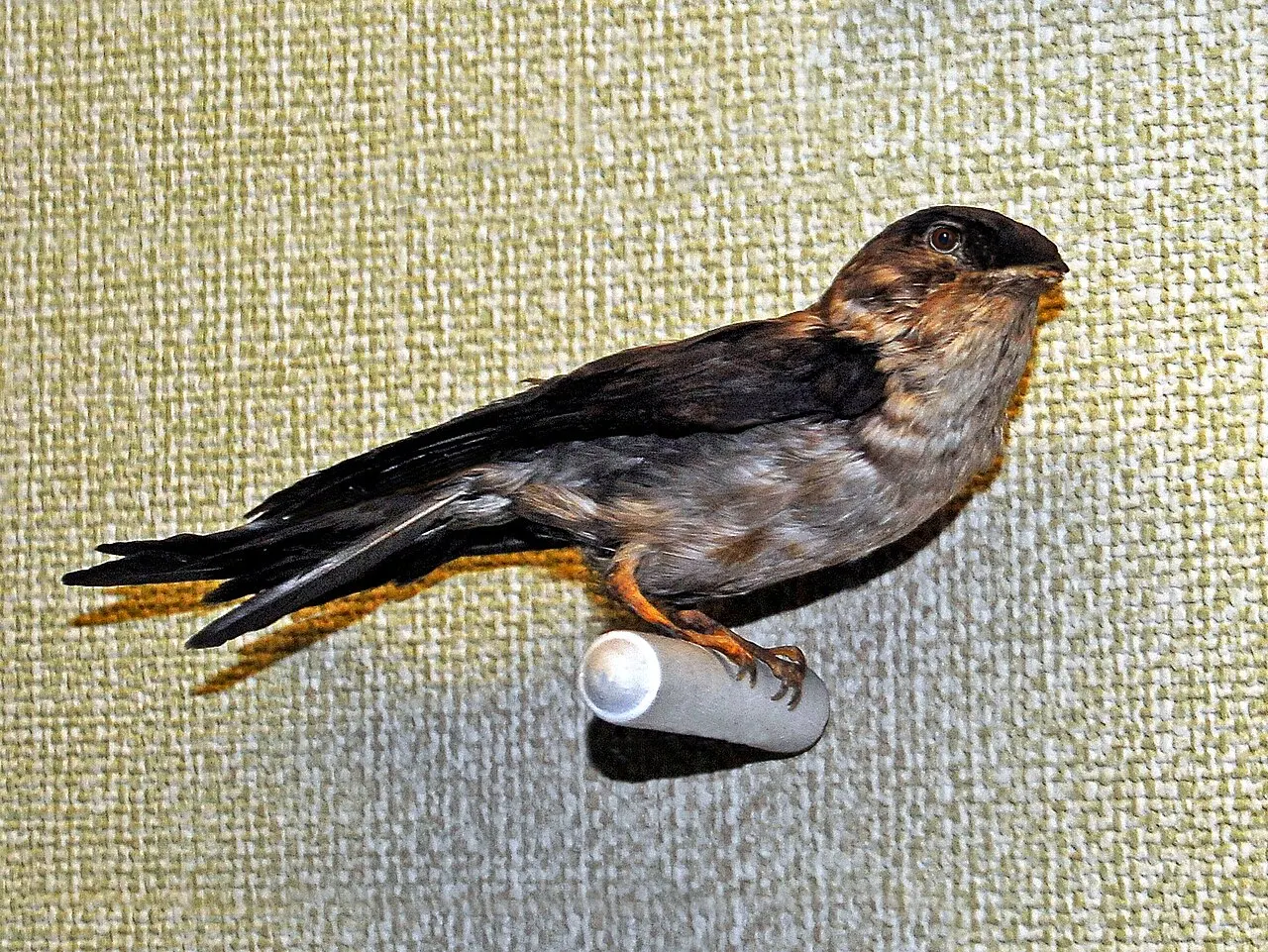
Examples in the linked species profiles include Edible-nest swiftlet. Their profiles identify the particular locality and evidence. A habitat association does not mean the species occurs in every patch of that habitat.
Sources & references · 5
IOC World Bird List · IOC species updates: Germain’s Swiftlet lumped with Edible-nest SwiftletJournal of Avian Biology / Price, Johnson and Clayton; University of Utah repository · The evolution of echolocation in swiftletsRaffles Bulletin of Zoology / Goh et al. / National University of Singapore · Genetic diversity among white-nest swiftlets of the genus Aerodramus of house-farms in MalaysiaNotornis 68(1) / Birds New Zealand · Arthropods in the diets of swiftlets in SabahOryx / study authors · Protection of the white-nest swiftlet in the Andaman Islands, India: an assessmentProtected areas
Documented landscapes to explore include Gunung Mulu National Park, Niah National Park. These areas contain habitat mosaics; the habitat does not cover their entire surface. Check each area’s access information before a visit.
Ecological importance
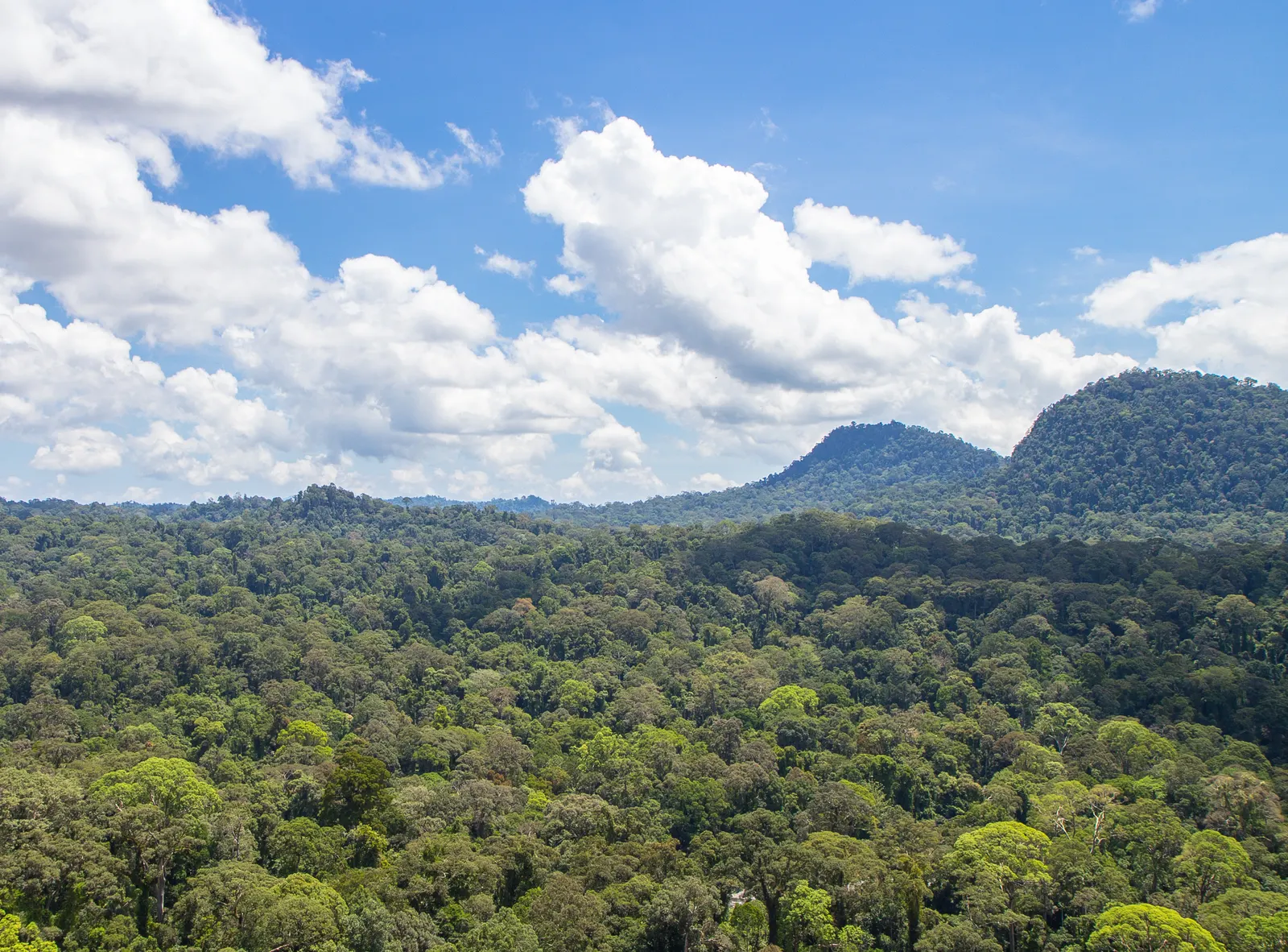
Guano brought into caves by animals feeding outside supports underground organisms. The British Geological Survey describes invertebrate communities and microbial processes in Mulu’s caves, linking the forest above to conditions below. This makes the surrounding landscape relevant even when the visitor’s immediate view is a dark chamber rather than trees.