Where the visit is based
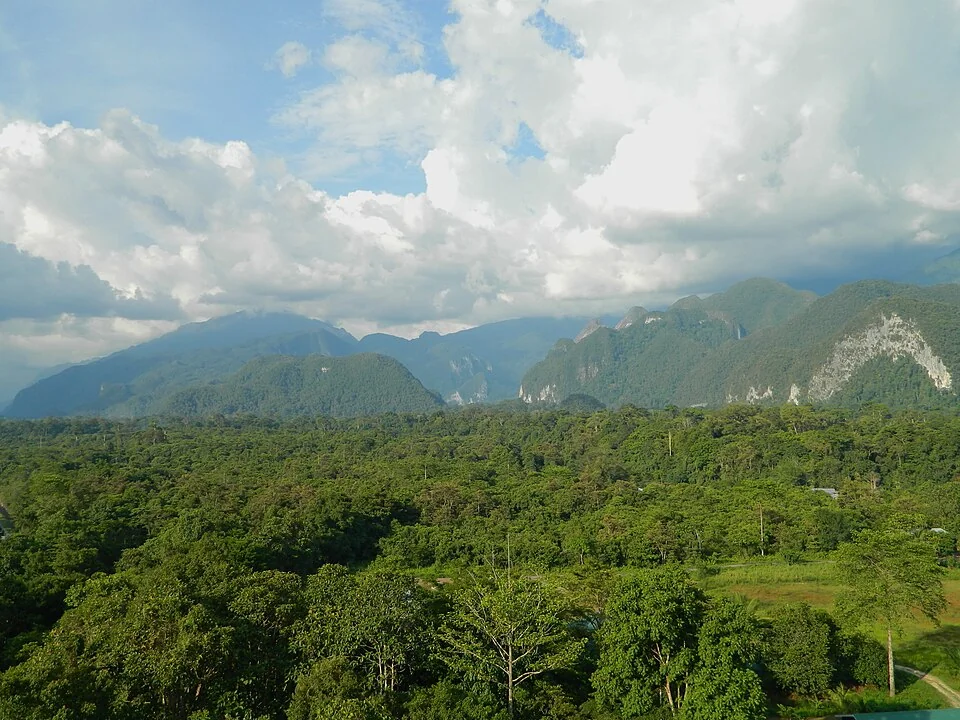
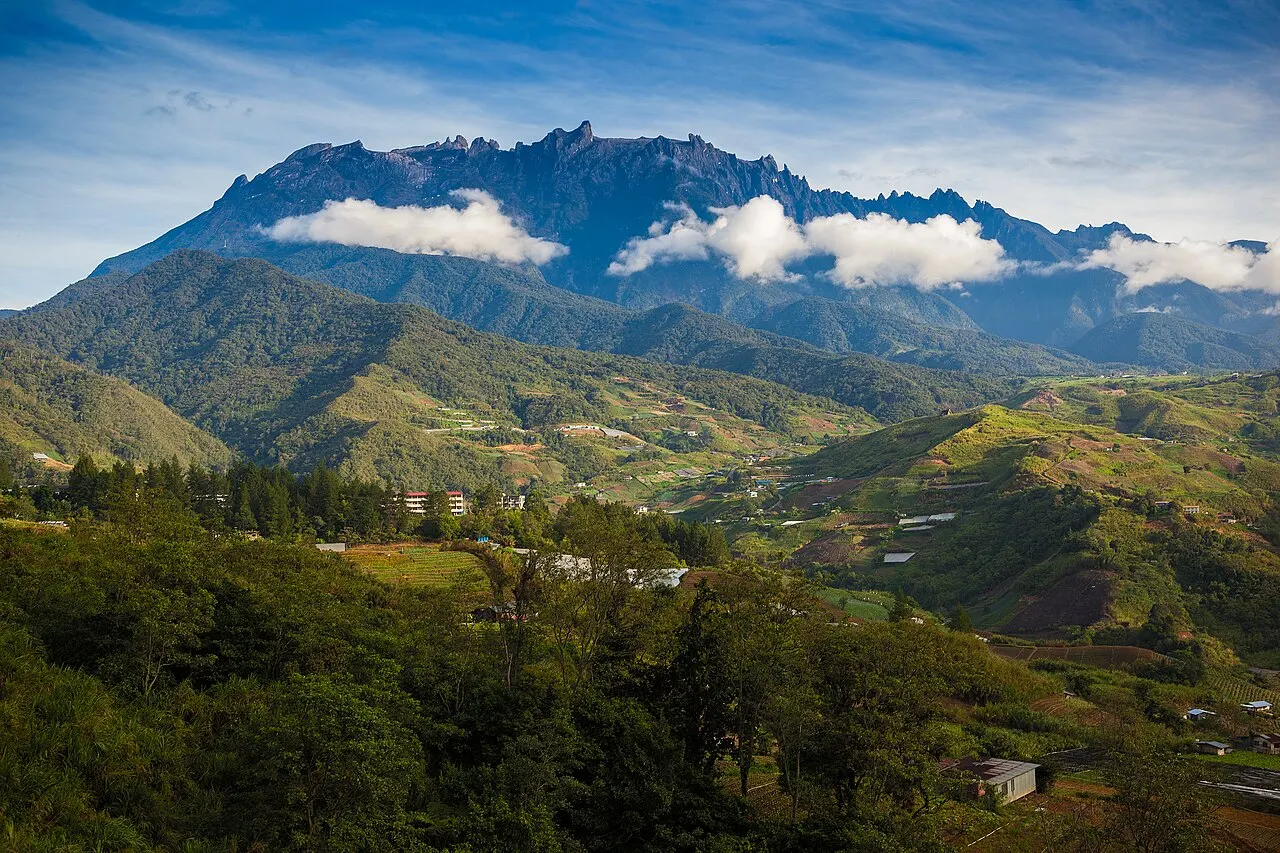
Gunung Mulu National Park is in Sarawak, Malaysia. The headquarters area is the practical base for its show caves. Miri is an important travel gateway, but it is not the place to sleep if you want easy access to an early park activity the following morning.
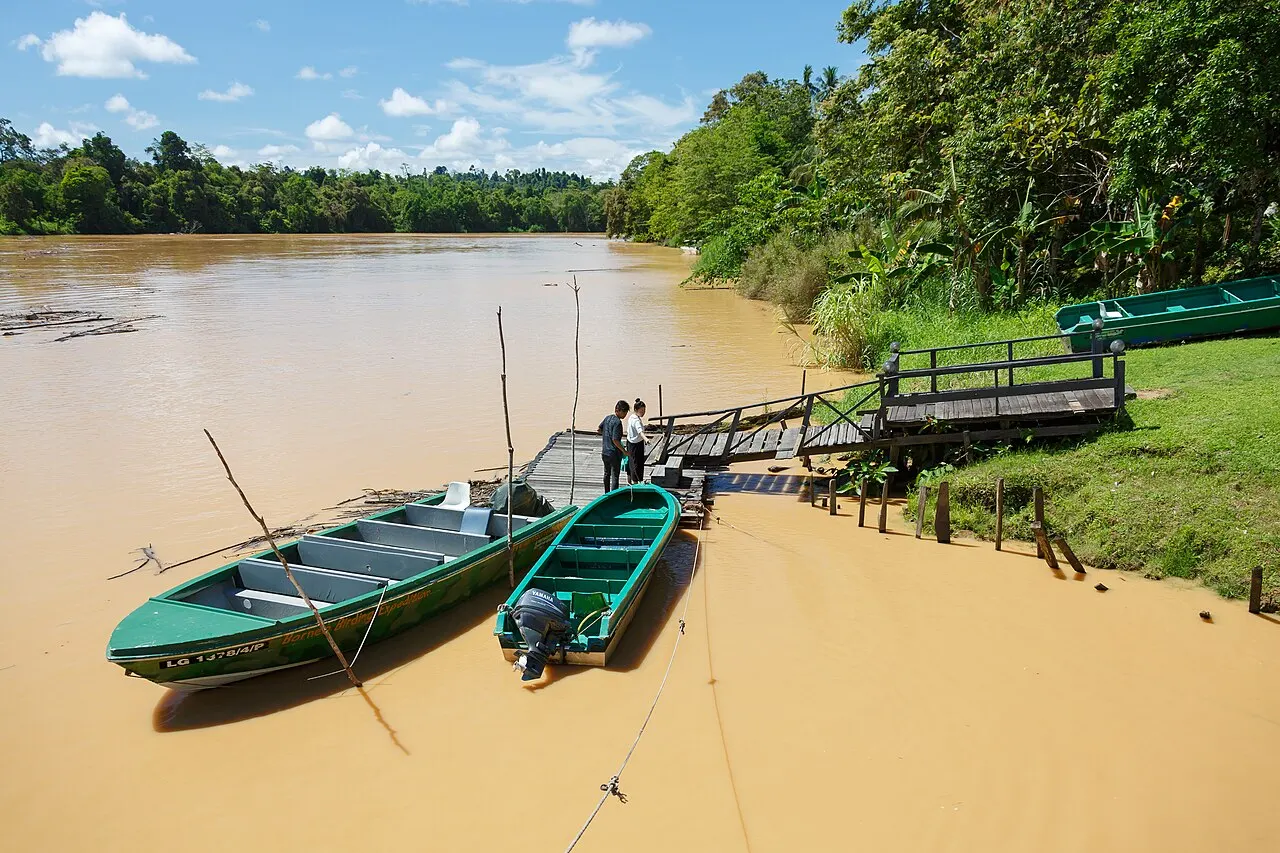
The established visitor routes pair Deer and Lang caves with a forest-boardwalk approach, while Wind and Clearwater are commonly reached through a river-and-walking arrangement. Confirm the currently operating route with park visitor services when booking. The distinction matters for footwear, transfers and how you organise each day.
Two contrasting cave outings
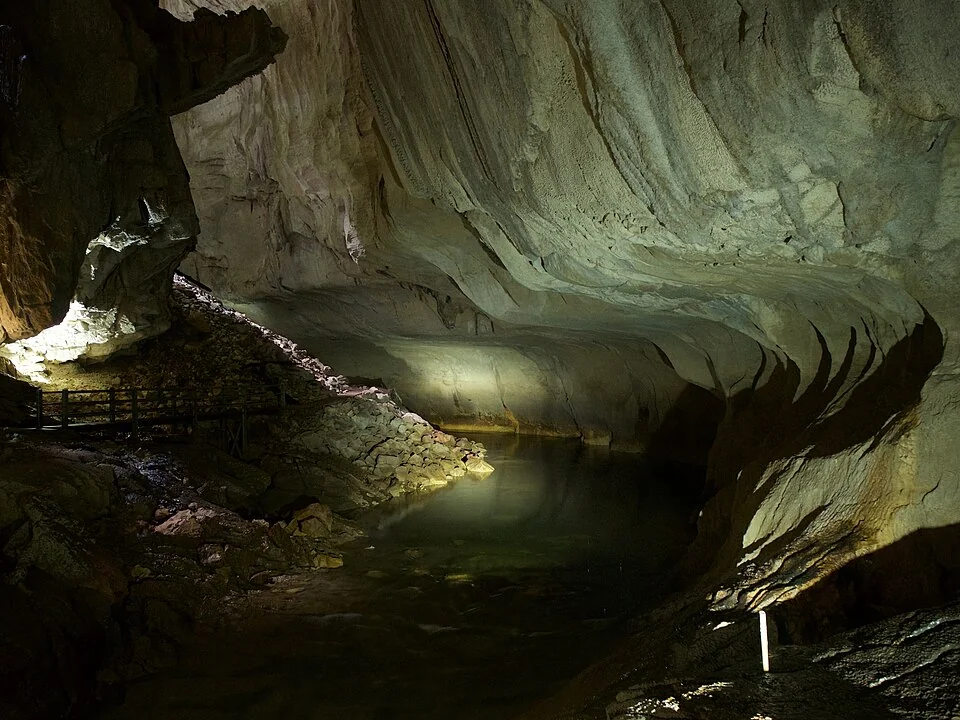
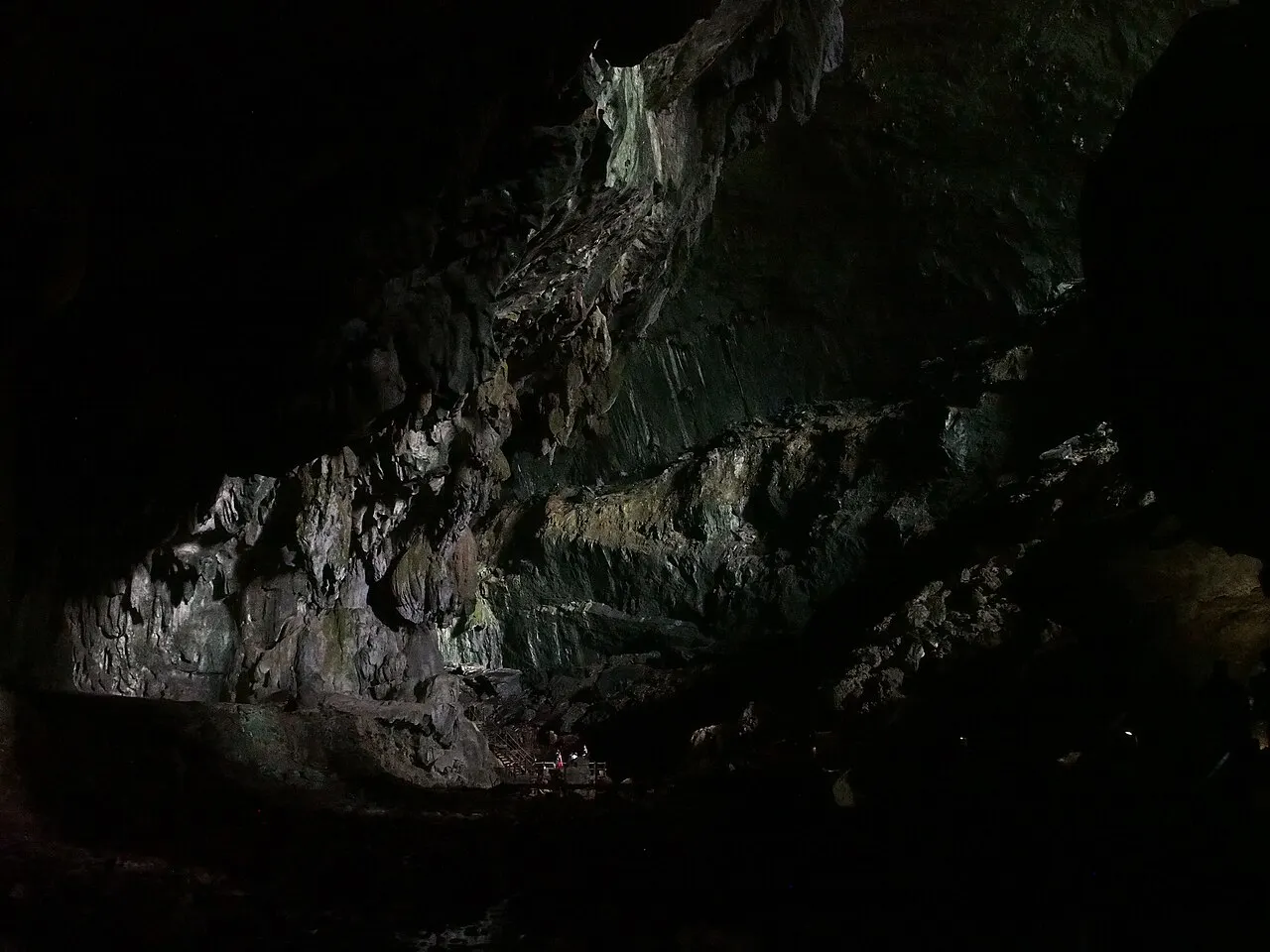
For Deer and Lang, the approach through rainforest is part of the outing. Inside the caves, the guide interprets the chambers and formations while keeping the group on the visitor route. Deer Cave's scale contrasts with the closer detail of Lang, so allow time to look at both rather than comparing only their dimensions.
Wind and Clearwater add a river journey and steps to the experience. The cave system is part of a much larger limestone landscape, but the visitor route covers a managed portion of it. Research accounts of extensive passages do not mean visitors can enter those passages independently. The show caves give an introduction to the system through routes designed and managed for visitors.
The dusk bat emergence near Deer Cave is another reason to leave time in the area when conditions allow. Weather and animal behaviour affect what happens on a given evening. Treat it as an opportunity to watch a natural event, rather than an event with a guaranteed start and finish. Cave ecology and limestone karst provide useful background for understanding both the living and geological sides of the visit.
Getting there and how long to stay
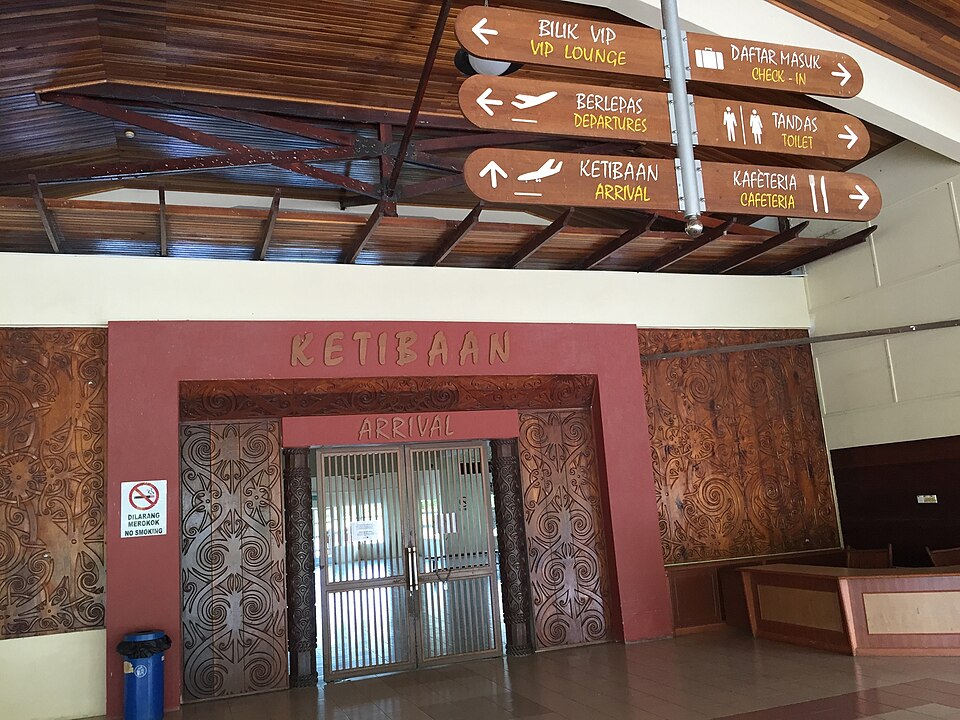
Plan the air connection to Mulu around the current operator's schedule, commonly through Miri, and arrange the short local transfer to your accommodation. Regional air operations have changed, so use current airline information rather than an old brochure's flight frequency or carrier name. A stay in Miri can be useful before or after, but Mulu needs its own accommodation nights.
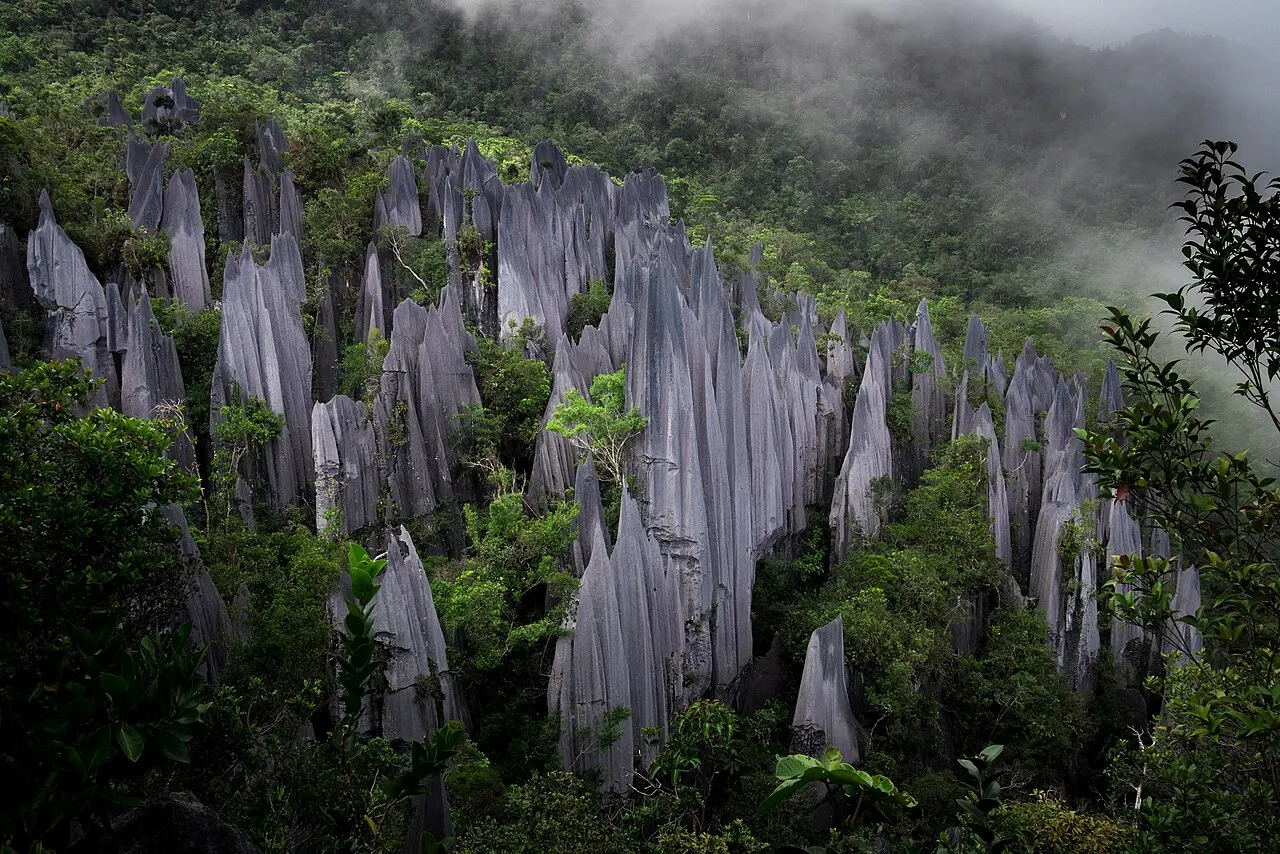
Two nights and three days is a useful minimum planning pattern for the two cave pairings, provided flight times fit. An extra night gives more flexibility for weather, interpretation and a slower pace. Each pairing can occupy a substantial part of a day once the approach and guided visit are included. Do not add a demanding Pinnacles trek into the same time allowance.
Guides, tickets and accommodation
Arrange the cave visits through the park's visitor booking arrangements or an operator coordinating those services. Guided access is part of the managed show-cave experience. Ask separately about the park entrance pass, guide arrangements, boat transfers and any activity-specific charges, since one payment should not be assumed to cover all of them.
Stay near the headquarters in park accommodation, a local guesthouse or another suitable Mulu property, checking how you reach the activity meeting point. Confirm meals and transfers where they matter to your schedule. The existing Miri hotel pages support the gateway stage of the trip; they are not substitutes for a Mulu base.
Effort and a realistic programme
The routes involve walking, humid conditions and, on some approaches, substantial steps. Surfaces can be damp and light levels change inside the caves. Wear footwear with grip and follow the guide's lighting and equipment advice. Ask about the exact route if anyone has mobility limitations; the term show cave does not mean the entire visit is step-free.
A useful programme gives one day to each cave pairing, with rest and forest time around the outings. Travellers with children can ask for the most suitable guided options and walking distances. Photographers should follow the cave rules and avoid delaying or obstructing the group. Combine the caves with the park's available lowland forest activities, and use Miri as a separate gateway stop. More specialised caving or trekking deserves a distinct booking and additional days.