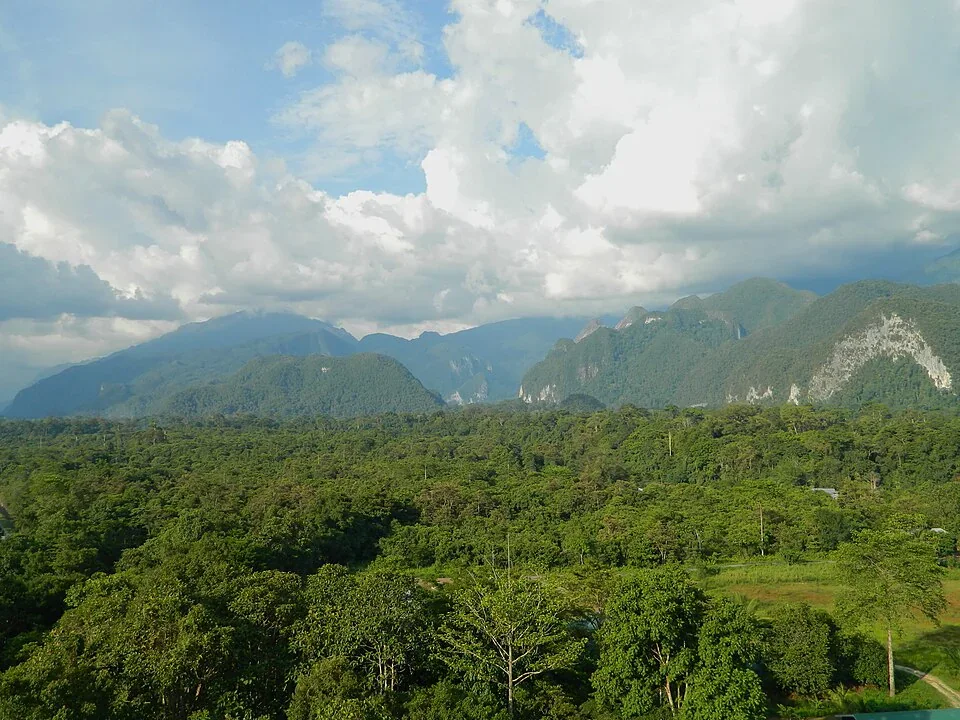
Choose the mountain you intend to climb
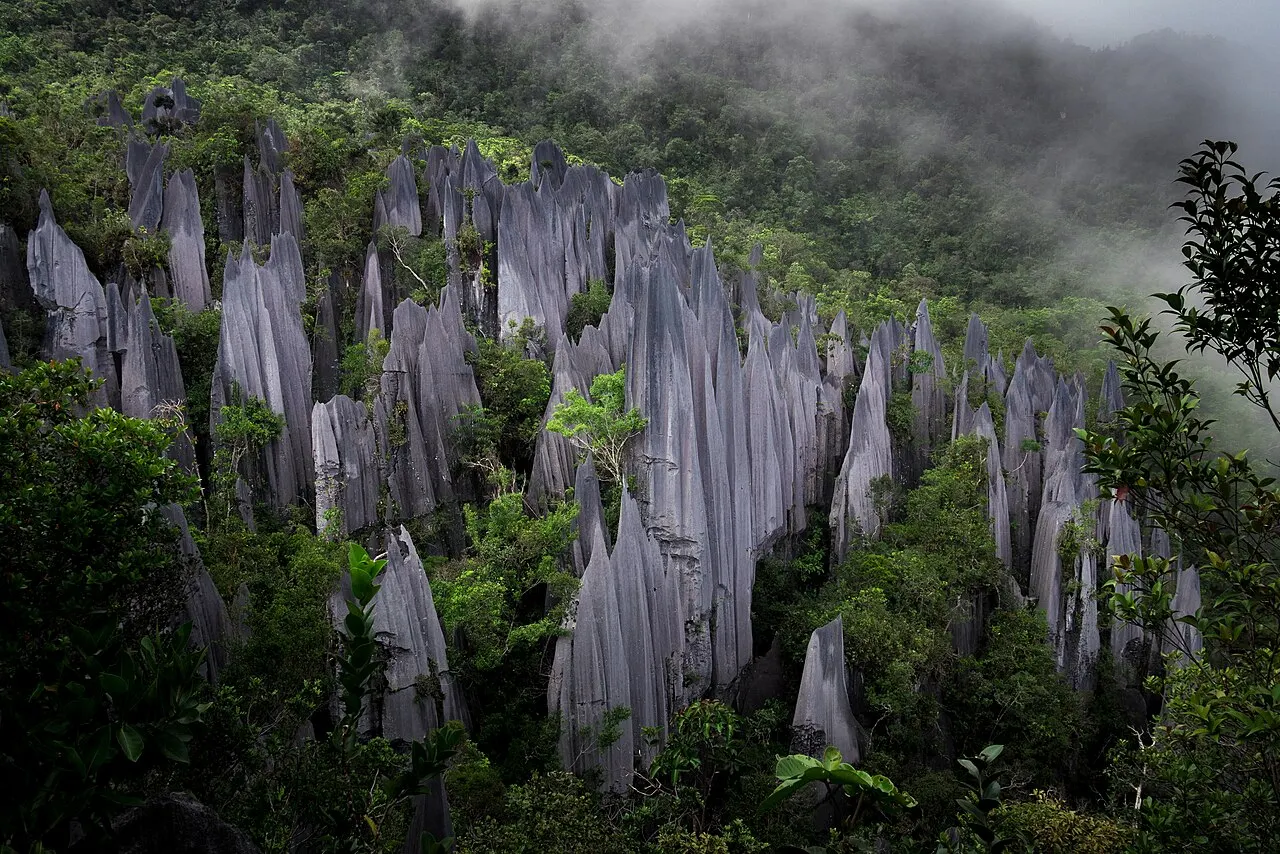
Gunung Mulu's summit expedition and the Pinnacles trek are different undertakings. The Pinnacles viewpoint is on Gunung Api and uses the Camp 5 approach. A Mulu summit programme follows the mountain trail from the park headquarters through a sequence of higher camps. A photograph labelled simply 'Mulu summit' may show either experience, so read the actual itinerary before reserving. Choose this journey for sustained mountain walking and changing forest environments, rather than expecting it to reproduce the limestone-blade view.
A multi-day progression
Sarawak Tourism describes a challenging four-day summit trek. Operators may sell a longer package that adds arrival accommodation and transfers; those extra days do not mean every day is spent climbing. Published programmes differ in their overnight sequence, using camps such as Camp 1, Camp 3 and Camp 4. Treat your organiser's confirmed camp plan as the working itinerary rather than mixing stages from several websites.
The experience develops with height: long forest approaches lead into steeper ground and upper forest. Moving through this change is a substantial part of the appeal. Allow the guide to set a pace that the group can maintain across consecutive days, including the descent.
Terrain and the summit decision
Expect prolonged effort on uneven forest terrain, with mud, roots and steep sections rather than a smooth mountain path. Operators describe rope-assisted parts of the upper approach. Confidence on a short city hill does not necessarily translate into comfort here, particularly when carrying equipment and walking again after a basic night's sleep. Discuss recent trekking experience honestly before committing.
The summit remains conditional on weather, trail conditions and the group's progress. Clouds may hide the panorama even when the climb can proceed. A turnaround is part of responsible mountain guiding, not a failure to deliver a promised view. Save energy and attention for the descent, where fatigue changes balance and judgement.
What a camp night means
Published programmes use simple wooden mountain shelters. These are places to rest during an expedition, not hotel rooms with a standard set of services. Clarify the sleeping arrangement, bedding or sleeping bag, cooking equipment and responsibility for preparing meals. A package described as full board can still have a separate personal-equipment list; resolve that distinction before packing.
Higher camps can feel cool and damp after the heat of the lower forest. Protect dry clothing and sleeping equipment inside waterproof storage. Discuss drinking-water collection and treatment as part of the actual camp plan, rather than assuming a hut has a dependable tap or that all collected water is ready to drink.
Guides, loads and preparation
Arrange the trek in advance with a provider coordinating the park's guiding and access requirements. Confirm who leads the mountain stages and how group size, porter support and emergency arrangements are managed. Porters, when available, should be explicitly booked with a clear load arrangement; their presence is not implied by the word expedition.
Prepare a personal kit suited to several wet walking days: secure footwear, rain protection, warm dry layers, a headlamp and protected essentials. The organiser should supply a detailed list matching the camps and services being provided. Keep the load realistic and test footwear before travel, rather than discovering a poor fit on the first long ascent.
Flights and nights around the trek
Mulu needs its own arrival night and a practical plan after the mountain stages. Miri is a useful flight gateway, but a Miri hotel cannot support an early start from Mulu park headquarters. Use current airline schedules and confirm the local airport-to-accommodation transfer. Do not attach an inflexible flight immediately to the expected finish of a demanding forest descent.
Park accommodation, a local guesthouse or a suitable Mulu lodge can serve the nights outside the expedition. Confirm how you reach the briefing point and whether extra luggage can remain securely at the base. The camp nights and those accommodation nights should be distinguishable in the booking.
Keep the journey considerate
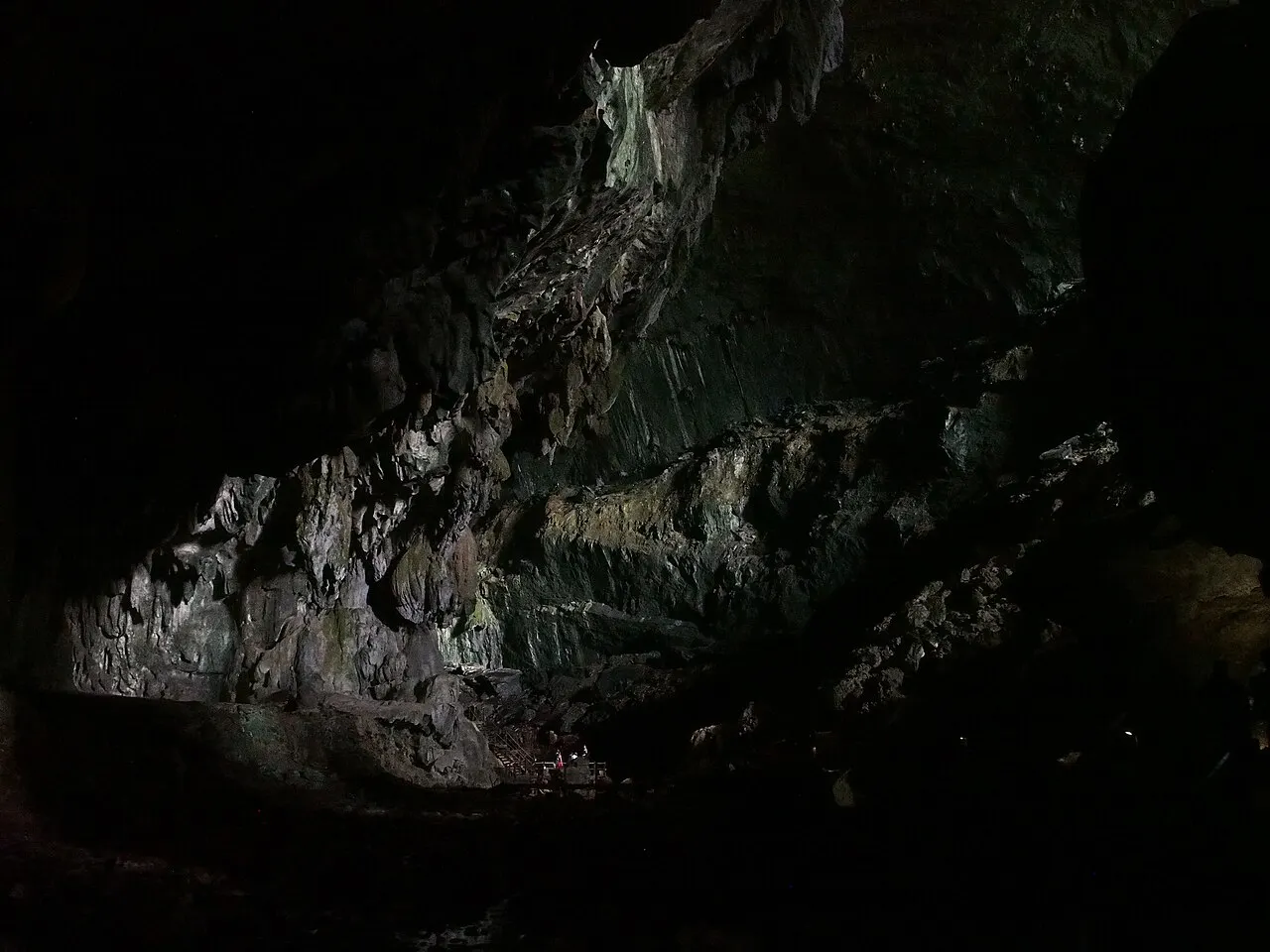
Follow the guide's route, take all litter back and leave plants and other forest material in place. Wildlife may be heard or occasionally seen, but the trek is not a guaranteed animal-viewing programme. Avoid pursuing animals or leaving food available to them at camps. A show-cave visit can complement the mountain on a separate day if energy, access and flight timings allow. Give the summit expedition enough space to remain the main commitment, with rest and flexibility around it instead of stacking strenuous outings back to back.