An expedition with a clear objective
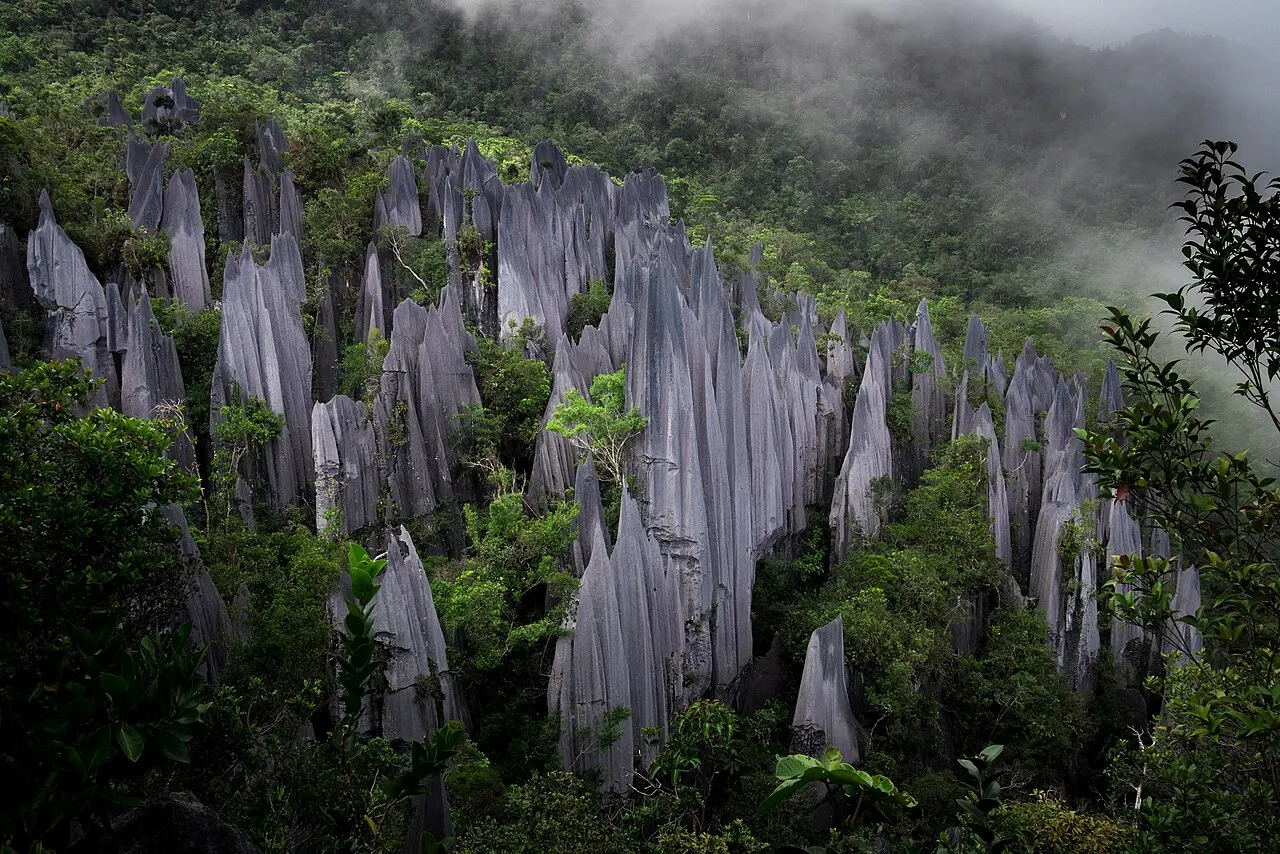
The Pinnacles rise from the forest of Gunung Api as a field of sharp limestone blades. Reaching their viewpoint is an active mountain undertaking within Gunung Mulu National Park. The reward comes after the approach, the camp stay and a sustained climb. Choose it because you enjoy difficult terrain and the process of travelling through it, as well as the prospect of the view.
The established core is three days and two nights, with both nights at Camp 5. Longer packages combine the climb with Mulu’s show caves and accommodation near headquarters. Keep those components separate when comparing programmes: a cave booking alone does not reserve a camp place or include the Pinnacles climb.
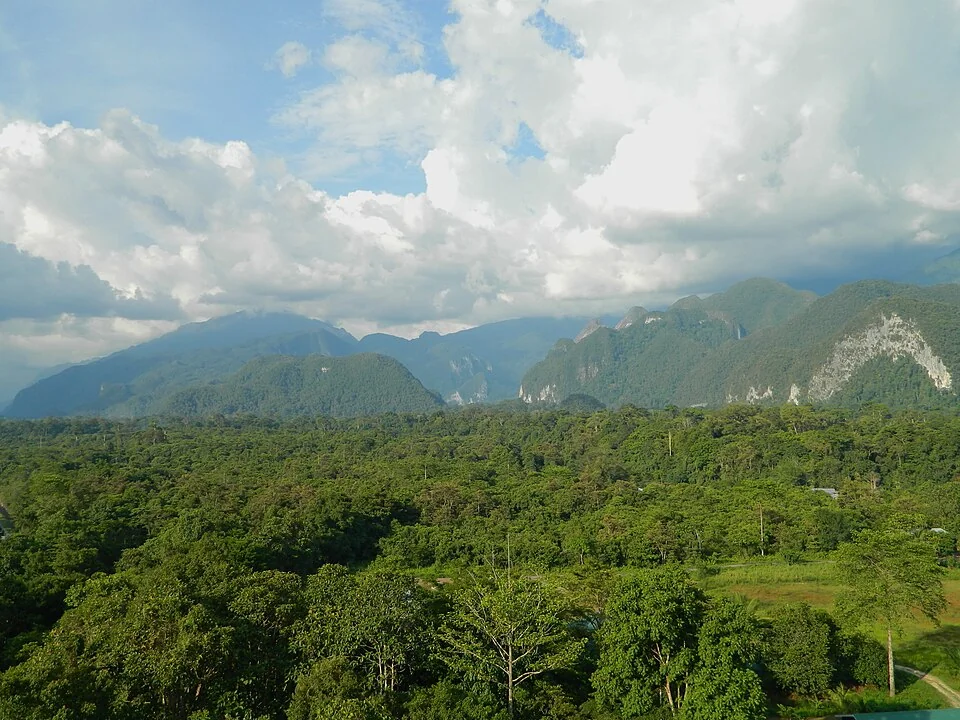
The river and forest approach
The approach combines a longboat journey with a forest walk from the Kuala Litut area to Camp 5. One current operator describes the walking leg as nine kilometres. This is already a substantial stage with luggage in humid conditions, before the steep climbing day begins. River levels can affect boat travel, so the sequence and timing belong to the guide’s operational plan.
Pack what you need for the camp in a manageable bag and arrange storage for the rest at your Mulu accommodation. Waterproof important items and keep drinking water accessible. A porter, where available, is a separate arrangement; having baggage carried does not remove the physical demands of the climb itself.
Understand the climb and descent
From Camp 5 the route rises steeply towards the viewpoint. The operator’s published description gives a 2.4-kilometre ascent with rugged sections, ropes and ladders, taking roughly four to five hours uphill. That short distance is misleading if compared with an ordinary walking path. Confidence on steep ground and the ability to move carefully when tired matter throughout.
The descent is part of the same demanding day. Preserve energy for it and follow the guide’s spacing and instructions on assisted sections. Rangers apply time limits, and groups may have to turn back. Heavy continuous rain can make the sharp rock and steep terrain unsafe. Reaching the viewpoint is conditional on progress and weather, even with a confirmed reservation.
Sleeping at Camp 5
Camp 5 provides a basic forest base. The published facilities include sleeping mats, shared toilets and cold-water showers. Bedding arrangements need attention: some programmes require you to bring it or arrange a loan separately. Establish which sleeping items your package supplies before leaving headquarters. A resort room elsewhere in the itinerary does not describe the comfort level at camp.
Meals may be organised by a package even though the camp has self-catering facilities. Check the actual meal plan, dietary needs and drinking-water arrangement together. Bring a light for moving around after dark and keep the shared space tidy. Expect the remote stages to offer little opportunity for charging devices or communicating; tell people your route before departure.
Build a workable Mulu itinerary
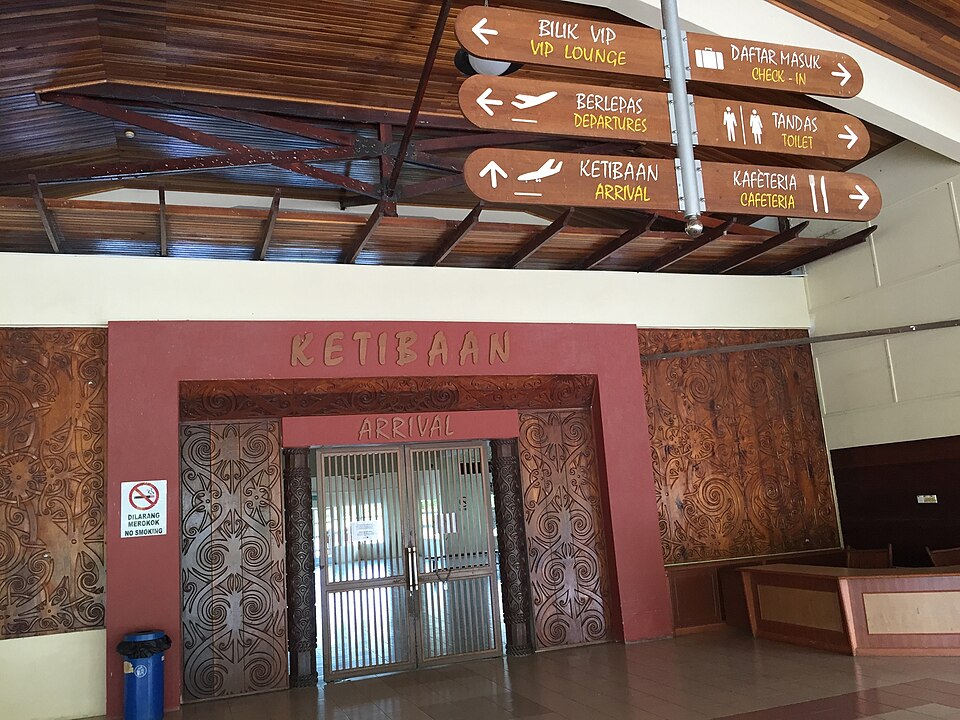
Reserve the guide, camp nights and boat stages as one coherent plan, then match flights and local accommodation to it. Mulu is the expedition gateway. A product filed under Miri may still begin at Mulu Airport, with the flight excluded. Read the meeting arrangements carefully rather than treating the regional search label as a transfer promise.
A night near headquarters before starting can give time to organise baggage and receive instructions. After the trek, leave space to recover and allow for transport changes. If adding the show caves, allocate their own time. The canopy walk has had maintenance restrictions; do not make it an assumed component simply because an older combination itinerary includes it.
Prepare for the experience you are choosing
Discuss recent hiking experience and comfort with heights honestly when booking. The guide needs to know the abilities of the whole group. Obtain the current equipment list, check that footwear is suitable for wet and uneven ground, and understand arrangements if someone cannot continue. The expedition is a poor fit for travellers seeking an easy scenic walk or predictable access throughout.
The forest approach and camp setting remain worthwhile parts of the journey. Observe quietly, keep to the route and leave plants and animals undisturbed. Any community stop must be an agreed visit, with permission for photographs. Carry out waste, respect the guide’s decisions and judge success by a well-managed return as much as by reaching the viewpoint. Check the operator’s minimum age and group requirements before making arrangements.