Ecosystems
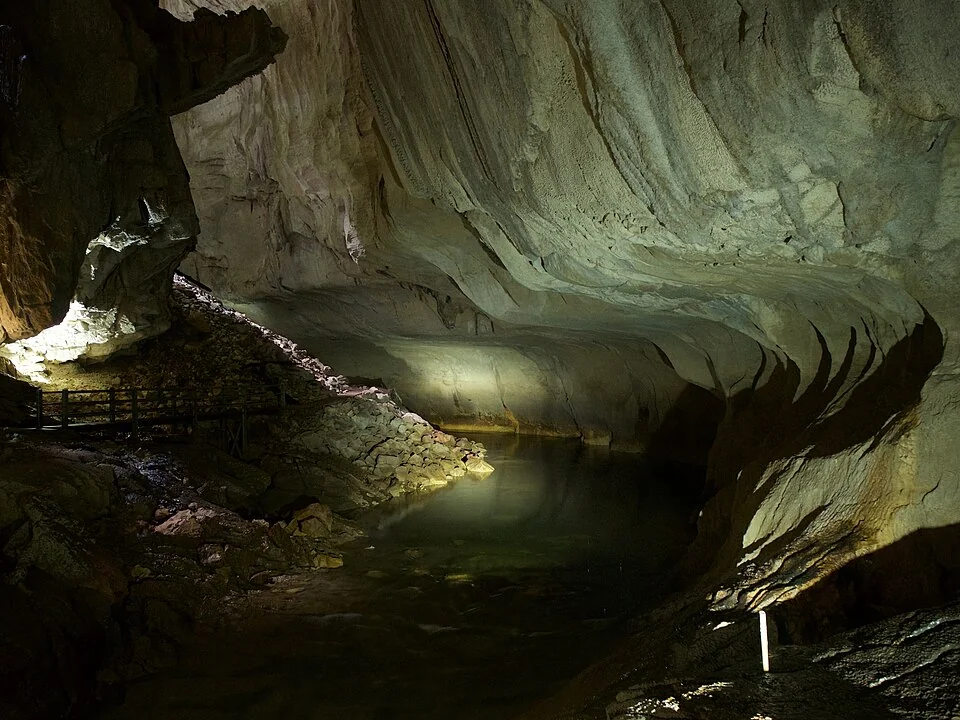
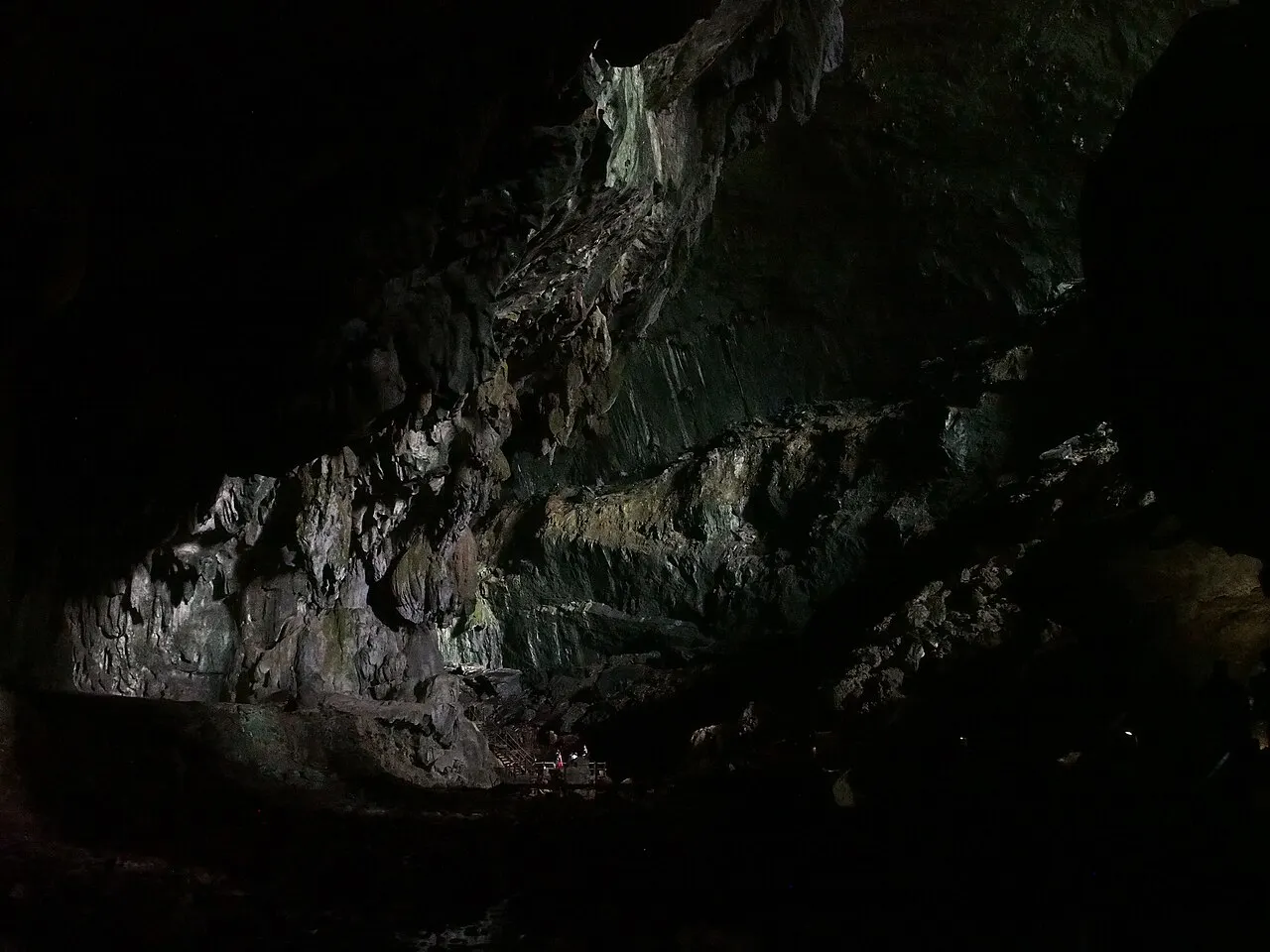
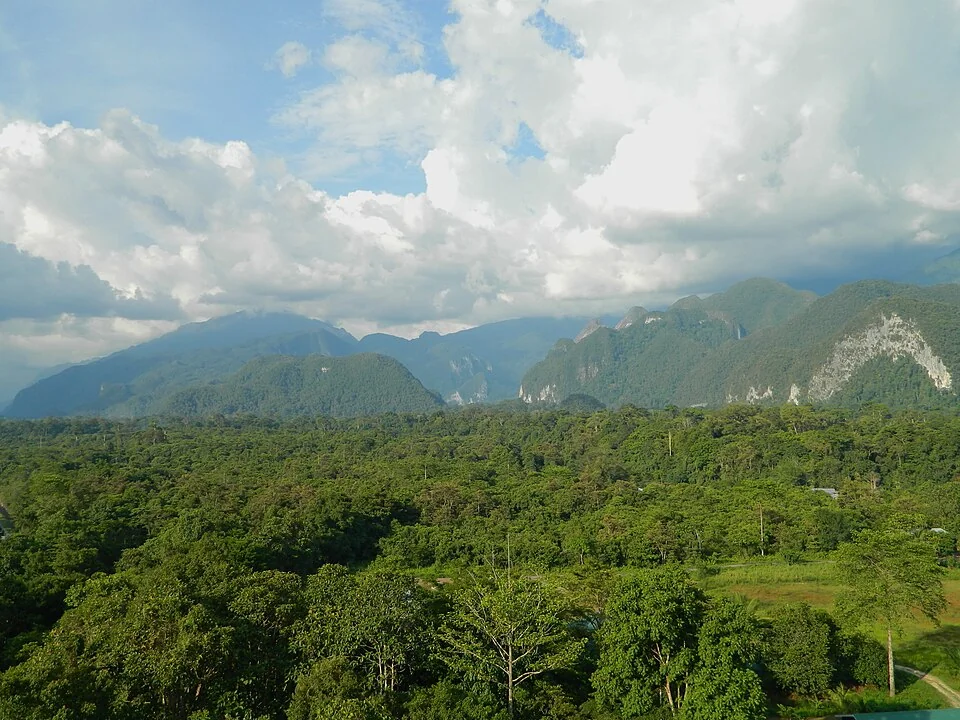
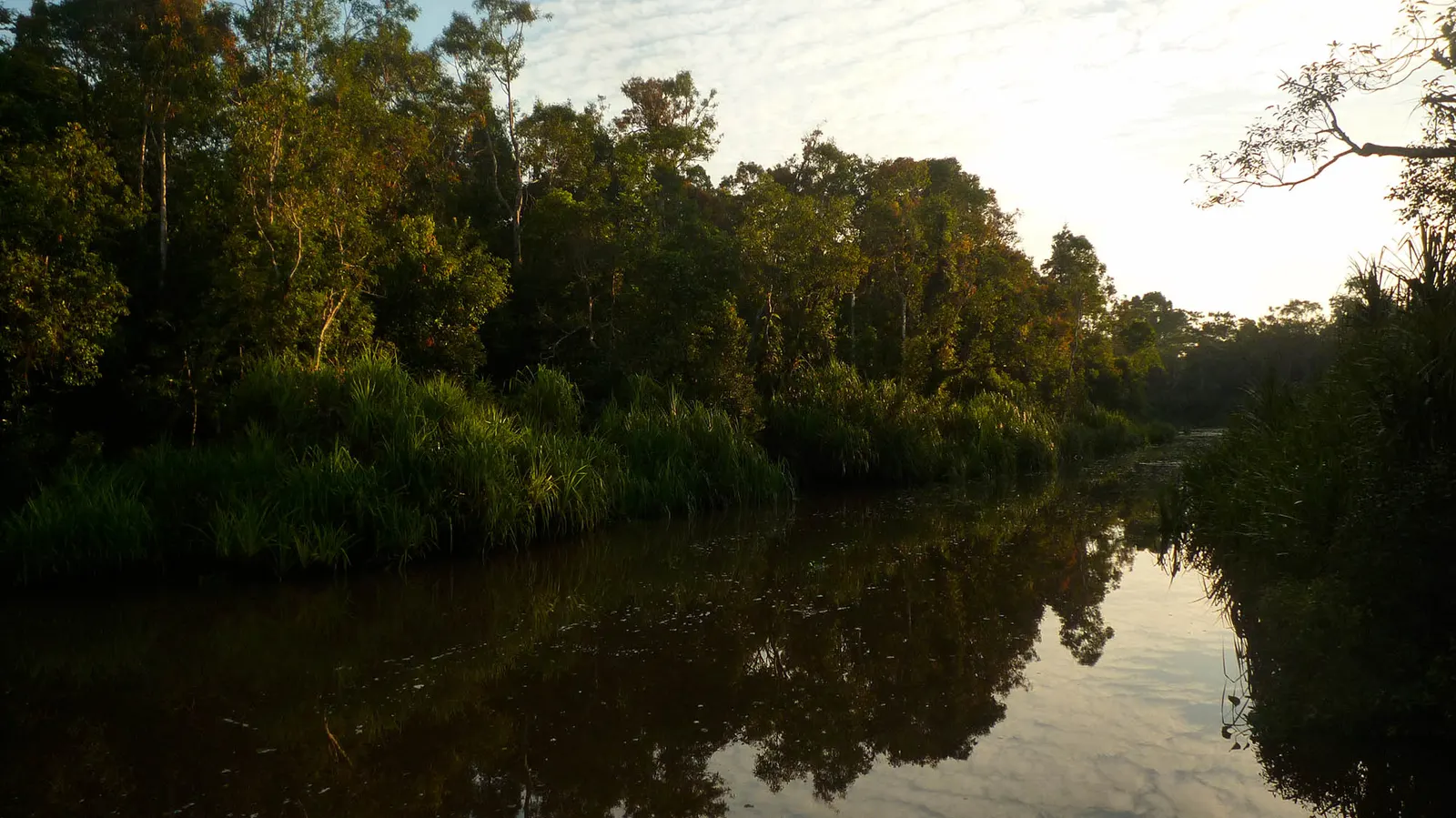
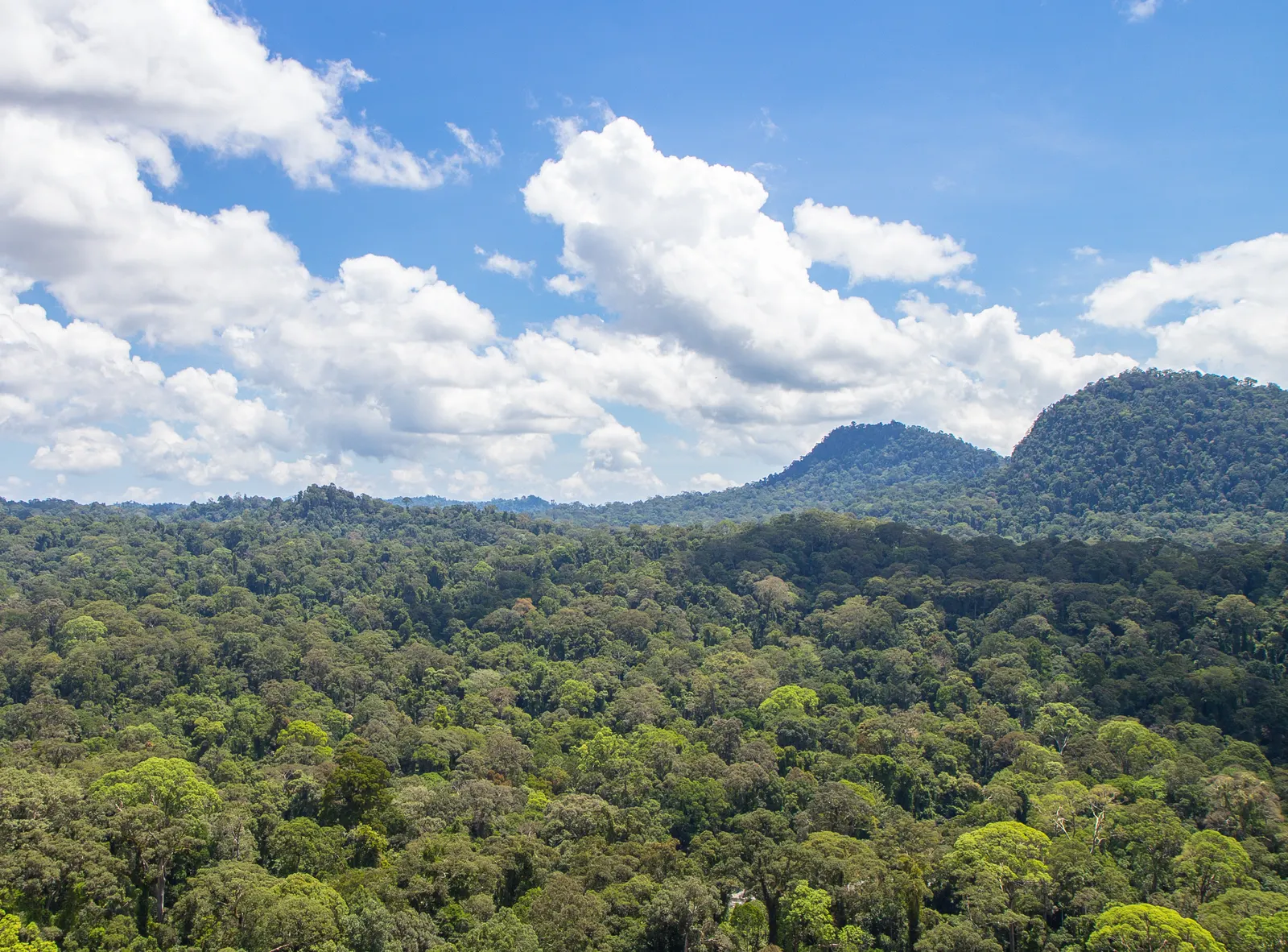
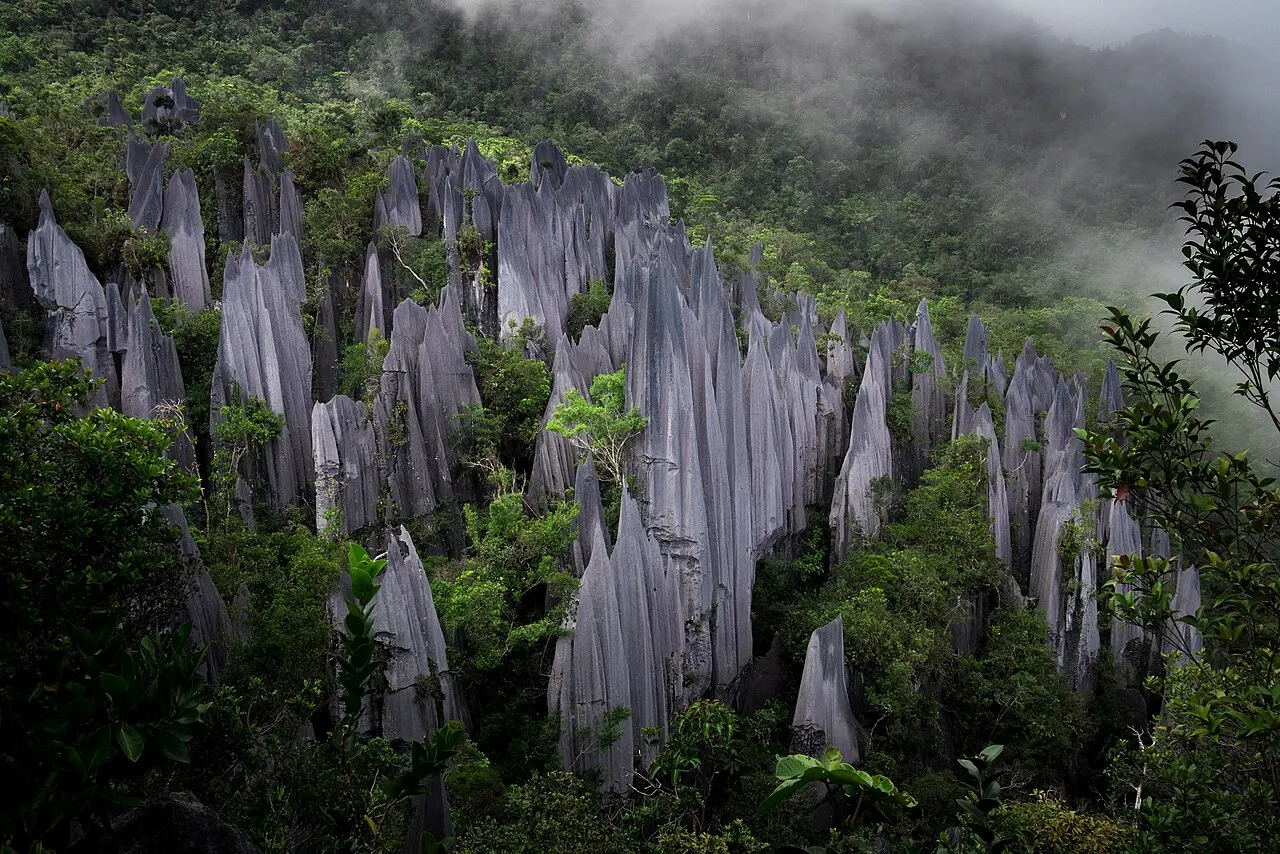
Mulu is a landscape of connected surface and underground environments. Forested mountains, rivers, deeply cut canyons and limestone pinnacles sit above extensive cave passages. Think of karst as a landscape shaped by rock and water, rather than simply a collection of spectacular formations; cave environments are a distinct part of that larger system.
Conservation
UNESCO inscribed Gunung Mulu National Park in 2000 for its natural values, including landscape, geological processes and biodiversity. That recognition places the forest and cave systems within one conservation story. A useful visit therefore connects visible scenery with ecological processes, rather than treating the underground attractions as separate from the surrounding forest.
Practical information
A cave visit and a mountain itinerary ask different things of a traveller. Choose activities according to your interests and ability, and confirm current arrangements with the park before departure. Keep the distinction between scenery and access clear: a feature’s importance in the World Heritage account does not by itself mean unrestricted public entry.
Fly to Mulu, then start locally
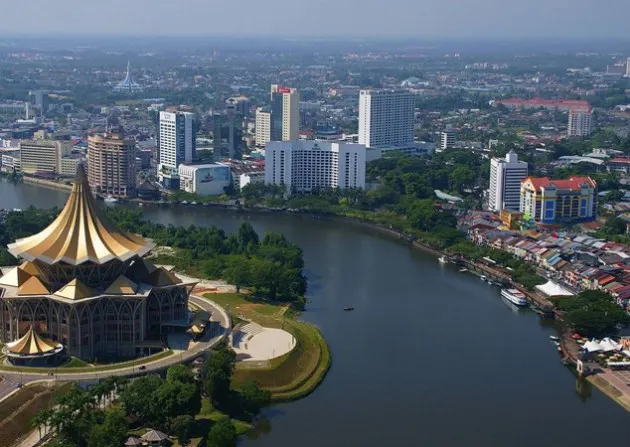
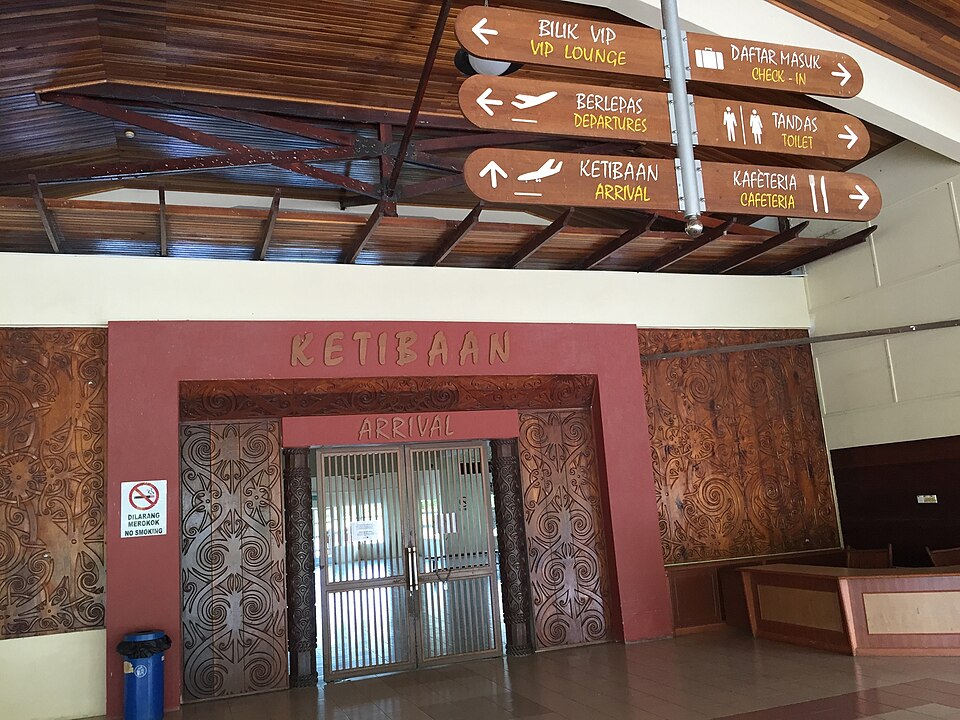
Miri and Miri Airport are useful regional connections; check actual flights to Mulu for your dates rather than assuming a daily frequency or a same-day connection. Arrange the short local transfer with the booked accommodation or activity provider. Miri is not a road-side park base from which you simply drive to the caves each morning. A hotel such as Imperial Hotel Miri is useful before or after the Mulu stay, not inside the national park. For a first cave-focused visit, two or three local nights offer a more workable structure than trying to fit all four show caves around one flight turnaround.
Show caves and adventure caves are different visits
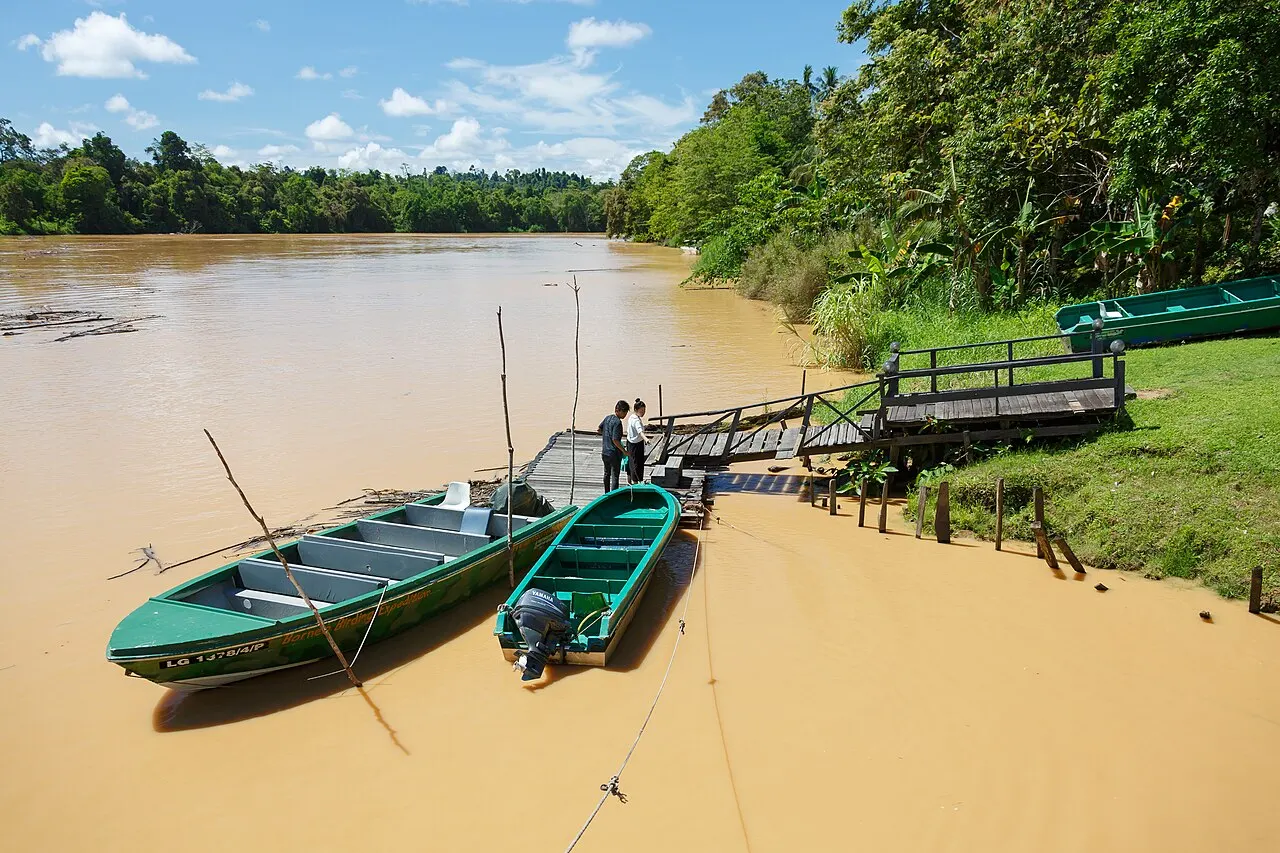
The established Mulu cave activity explains the main choice. Deer and Lang's caves are approached along a forest boardwalk; Clearwater and Wind are commonly combined with a river journey. Book the guided outing and confirm its meeting place and inclusions. Developed paths and lighting do not remove steps, wet surfaces or the need to walk. Adventure caving leaves those prepared paths and can involve scrambling, narrow passages or water. It needs a separate suitability discussion, equipment and guide arrangement. Choose it for the activity itself, not because a famous cave name appears in the World Heritage description.
Reservations, nights and the Pinnacles
Confirm accommodation, park admission and guided activity places before committing to a short stay; a room reservation does not automatically reserve every cave departure. The Pinnacles are a strenuous guided multiday trek, commonly structured around two nights at Camp 5, rather than an easy viewpoint beside the headquarters. Discuss current route availability, fitness expectations, meals and equipment with the organiser. Overnight arrangements for a remote trek differ from a room in Mulu's visitor area. Do not infer a current permit price, age limit or departure time from an older itinerary; obtain the applicable booking conditions for the exact tour.
Caves depend on the forest above
The limestone karst and cave ecosystems are connected to rainfall, rivers and the surface forest. Bats and swiftlets are central to that connection; a possible emergence is wildlife behaviour, not a performance with guaranteed timing. Remain on authorised paths, avoid touching formations and do not disturb roosts for photographs. Water conditions can change the suitability of a cave activity, so leave room for a guide to change or cancel it. For a contrasting Sarawak cave story, Niah foregrounds archaeology and long human use; it is a separate visit reached from the Miri region, not another chamber of Mulu.
Mountain plants have their own habitat
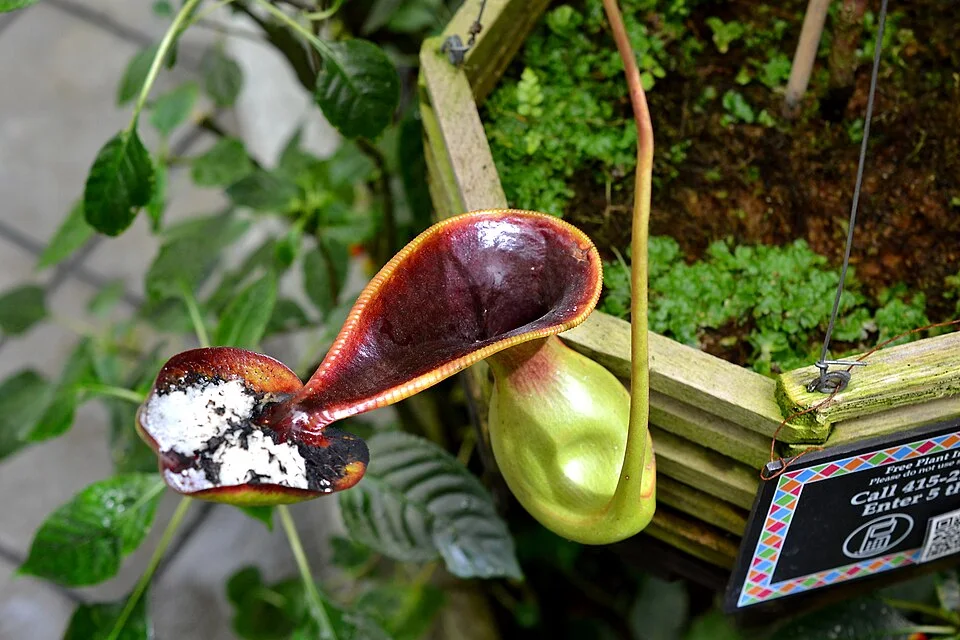
Nepenthes lowii belongs to Mulu's mountain flora. Its presence in the park does not mean it grows beside every show-cave boardwalk; different elevations support different plant communities. Do not leave an authorised route to search for pitcher plants.