Recognition
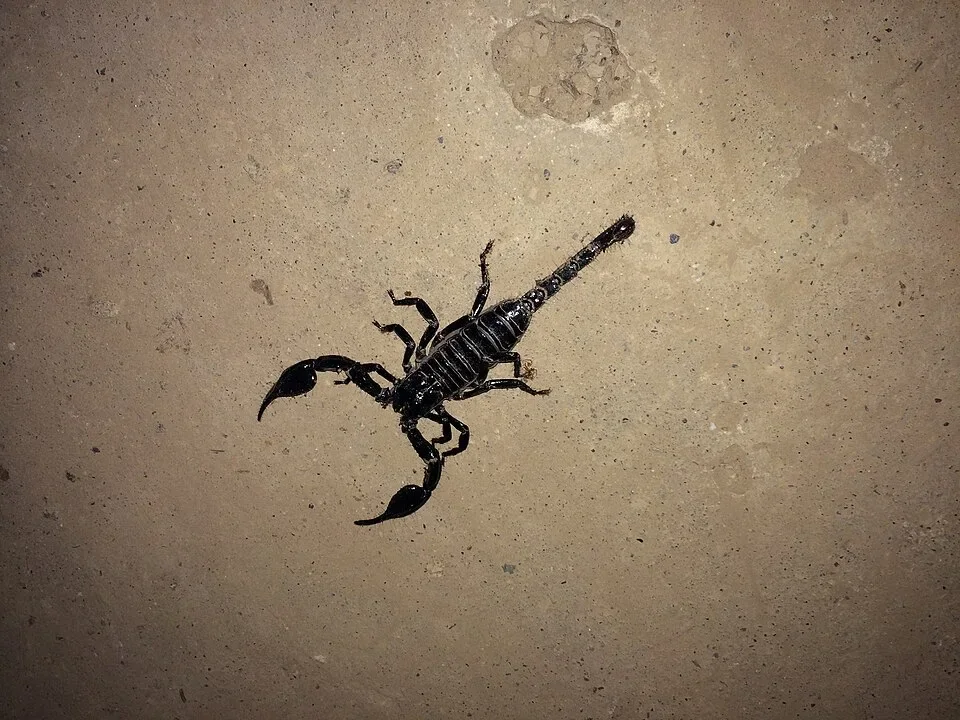
Long claw-bearing arms in adult males are a useful feature of Heterometrus longimanus, although separating forest scorpions reliably takes more than judging their size. The sting-bearing end of the tail is dark reddish brown, paler than the preceding tail segment. Fine sculpturing on the carapace and claws is also important. A major museum revision in 2020 brought several formerly named subspecies and older names into this species. It remains Heterometrus longimanus, rather than every large black scorpion sold under an Asian forest scorpion label.
Sources & references · 2
American Museum of Natural History · Prendini & Loria (2020): Systematic revision of Asian forest scorpionsNorwegian University of Science and Technology · The Scorpion Files: ScorpionidaeHabitat and Borneo range
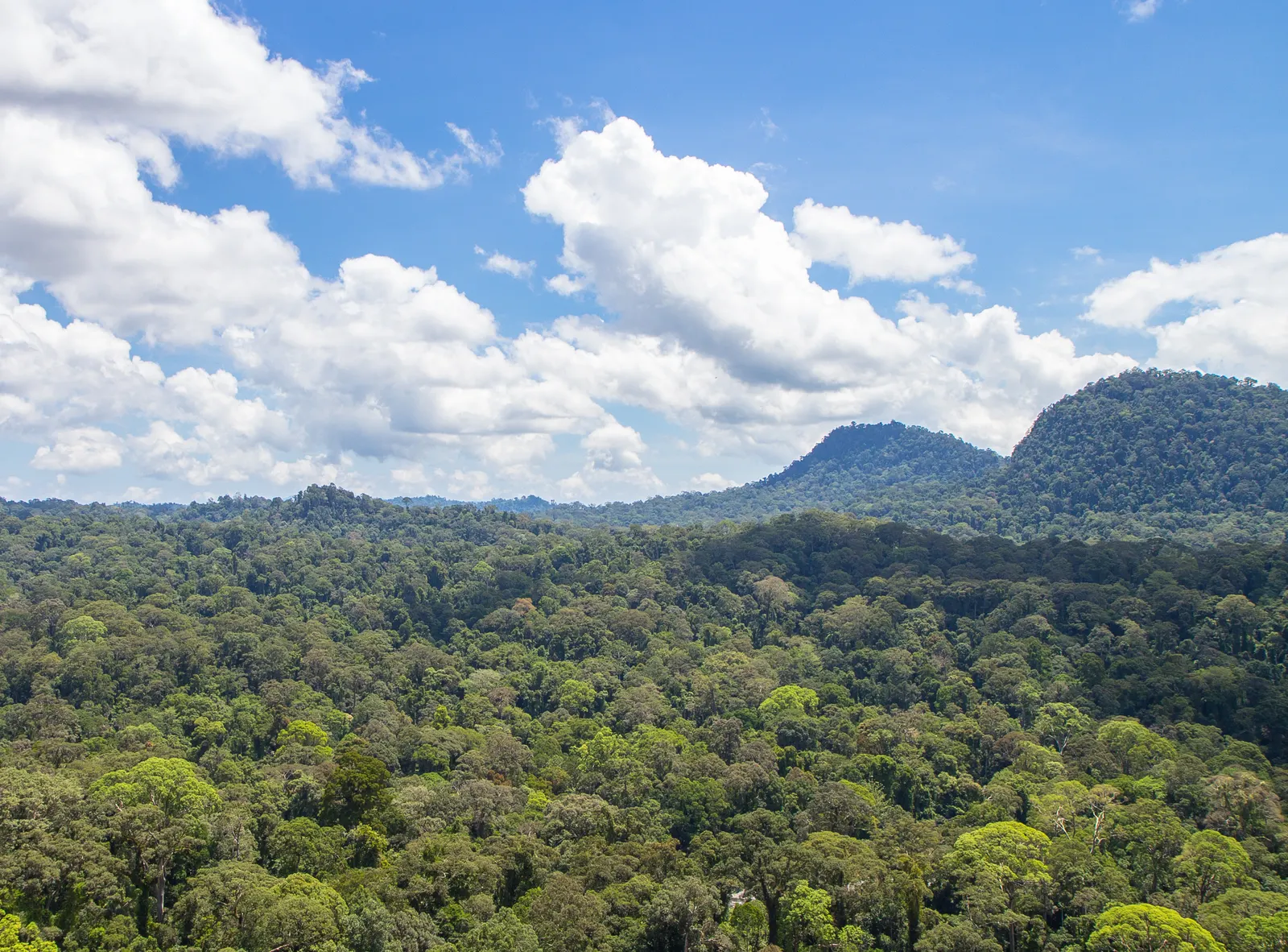
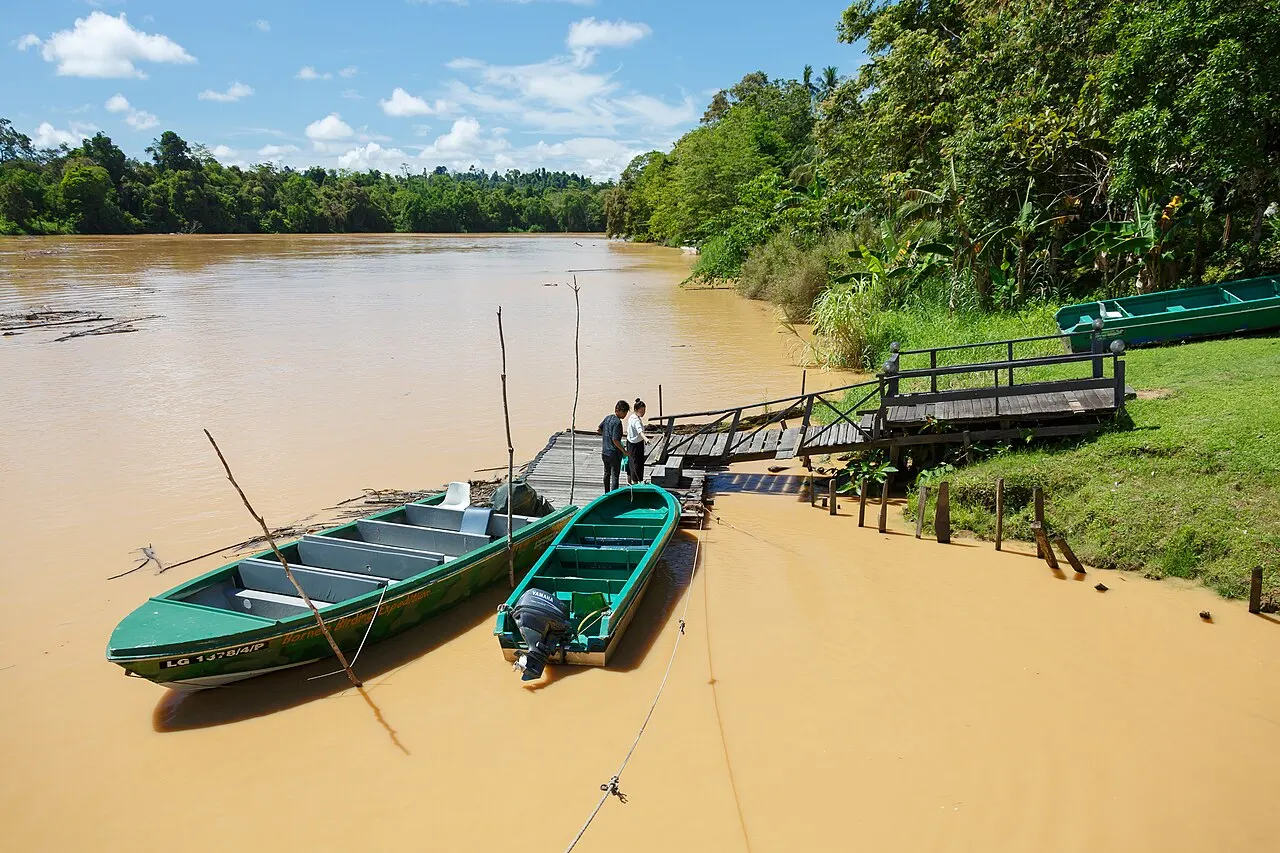
Museum specimens confirm Bornean occurrences in Brunei, Kalimantan, Sabah and Sarawak. Detailed records include the Kinabatangan area, Kubah near Kuching, and Gunung Mulu. Its wider range extends beyond Borneo into other parts of Southeast Asia. Documented collecting environments include primary and secondary forest, small hills, limestone, tree holes, rock walls and areas near gardens. Records from Kuching show that it is not confined to remote forest. The habitat accounts reach from sea level to about 657 metres.
Sources & references · 2
American Museum of Natural History · Prendini & Loria (2020): Systematic revision of Asian forest scorpionsAmerican Museum of Natural History / Cladistics · Loria & Prendini (2021): Burrowing into the forest — Asian forest scorpionsBehaviour and daily life
Shelter is an important part of the known ecology. Philippine observations reviewed by the museum authors describe animals beneath loose bark, inside dead standing trees and stumps, and under rotting logs in humid forest. Two or more individuals sometimes shared a shelter there. These observations give useful regional context without showing that every Bornean population behaves identically. The authors explicitly leave open whether this species builds burrows. It is therefore better described through its documented use of existing crevices than as a confirmed specialist burrow-digger.
Sources & references · 1
American Museum of Natural History · Prendini & Loria (2020): Systematic revision of Asian forest scorpionsConservation and observation
The detailed Kinabatangan, Kubah and Mulu records are good starting points for understanding its Bornean environment, not a promise that visitors will find a scorpion. Quiet observation from a distance preserves both the animal and its shelter. Bark and logs should stay in place. No verified global threat category or Bornean breeding calendar is assigned here. Older pet-trade names and studies involving other forest scorpions can confuse identification, so neither captivity labels nor general scorpion folklore substitutes for a species-level account.