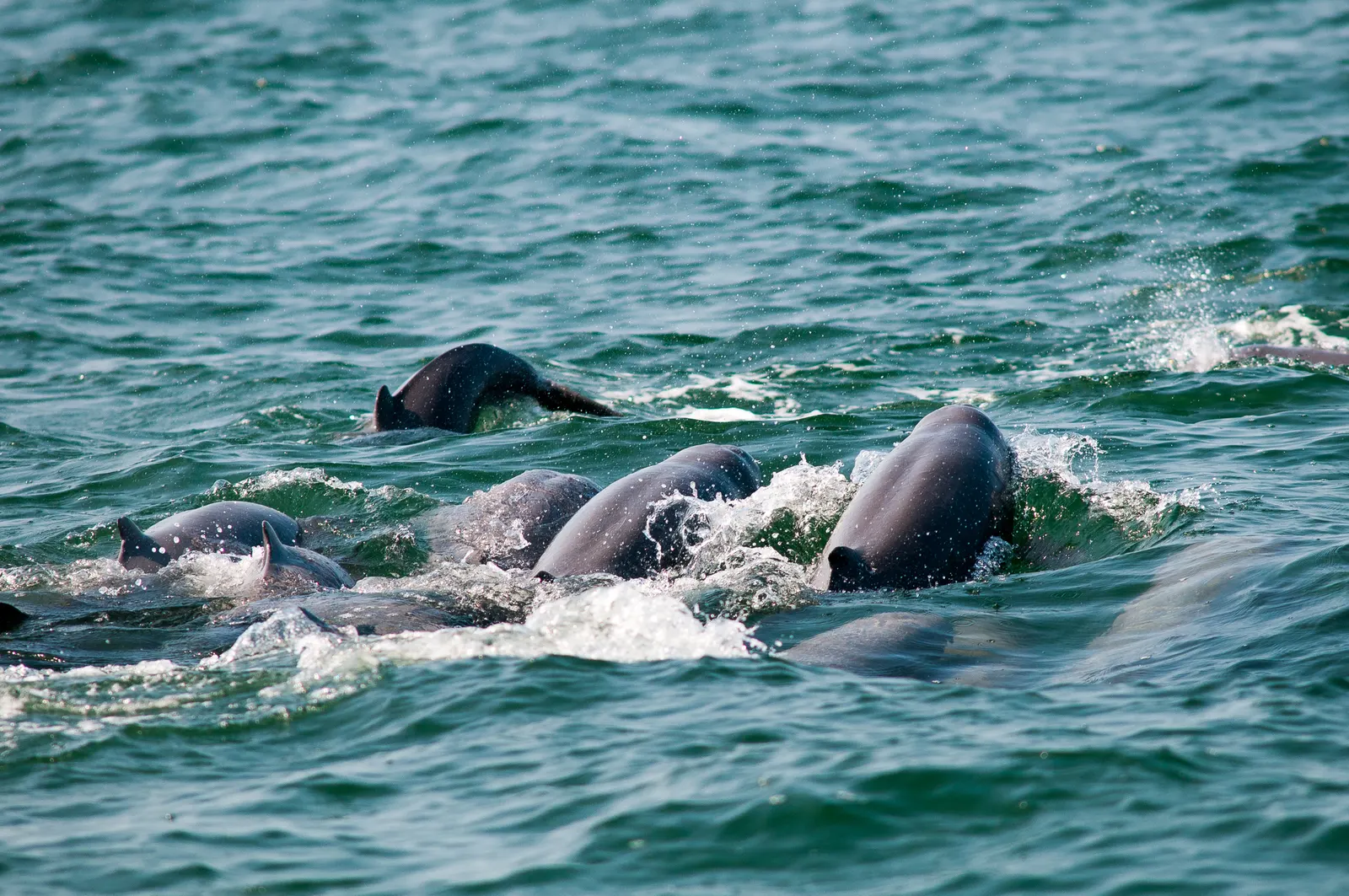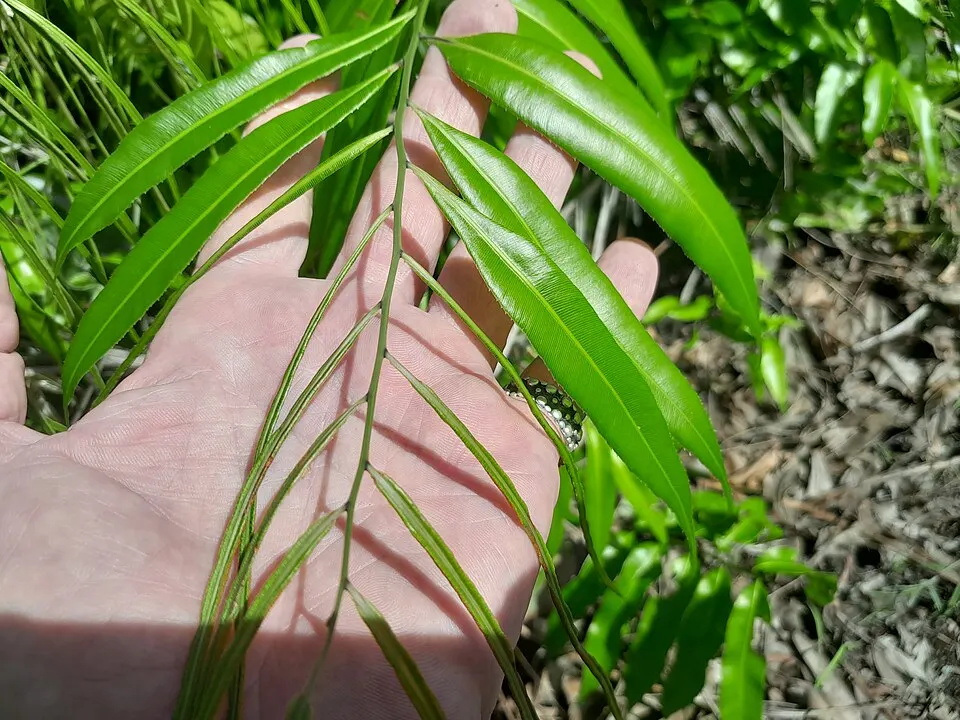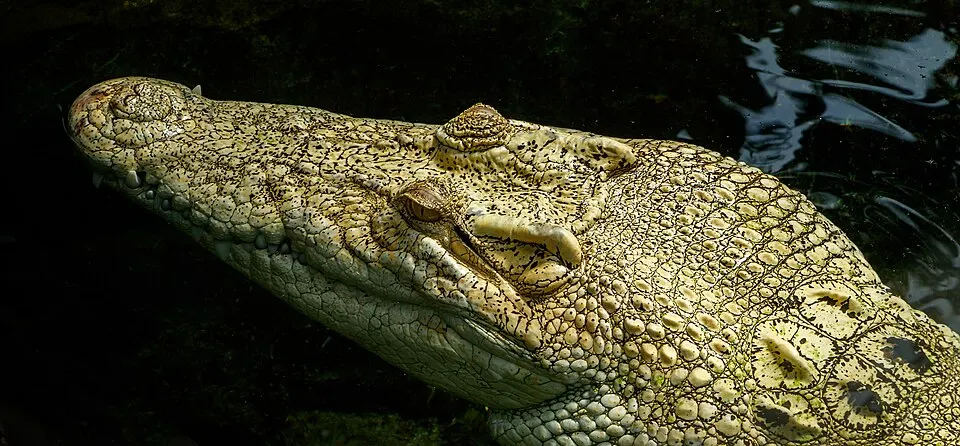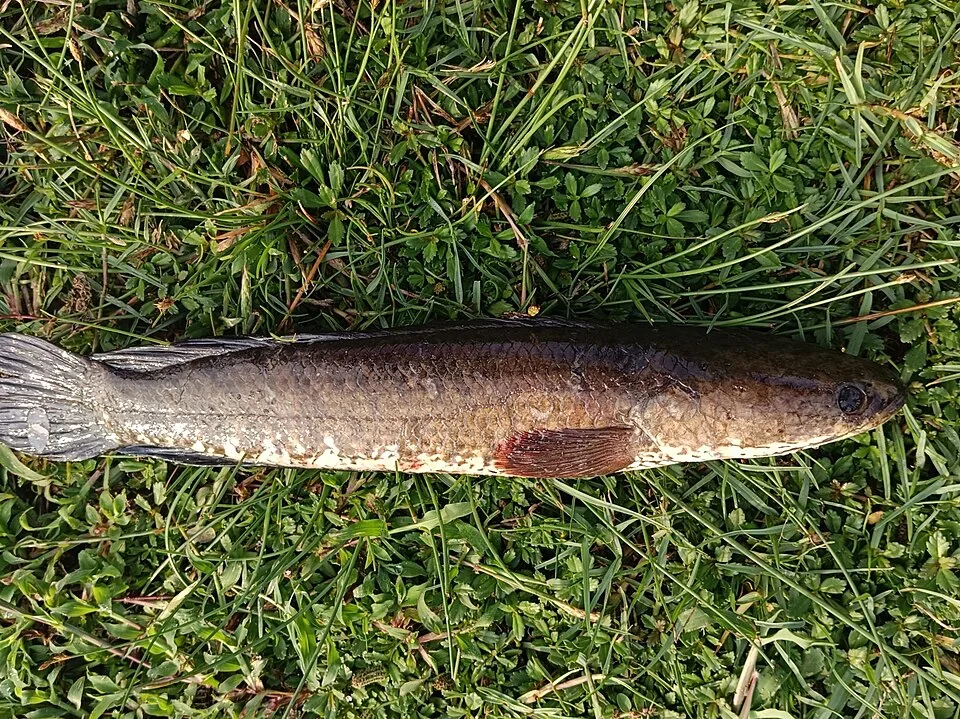
Characteristics
The Sebangau catchment fish study sampled river and forest environments separately. Its records demonstrate why a river occurrence should retain its sampling locality rather than become a blanket national-park assertion.
Sources & references · 1
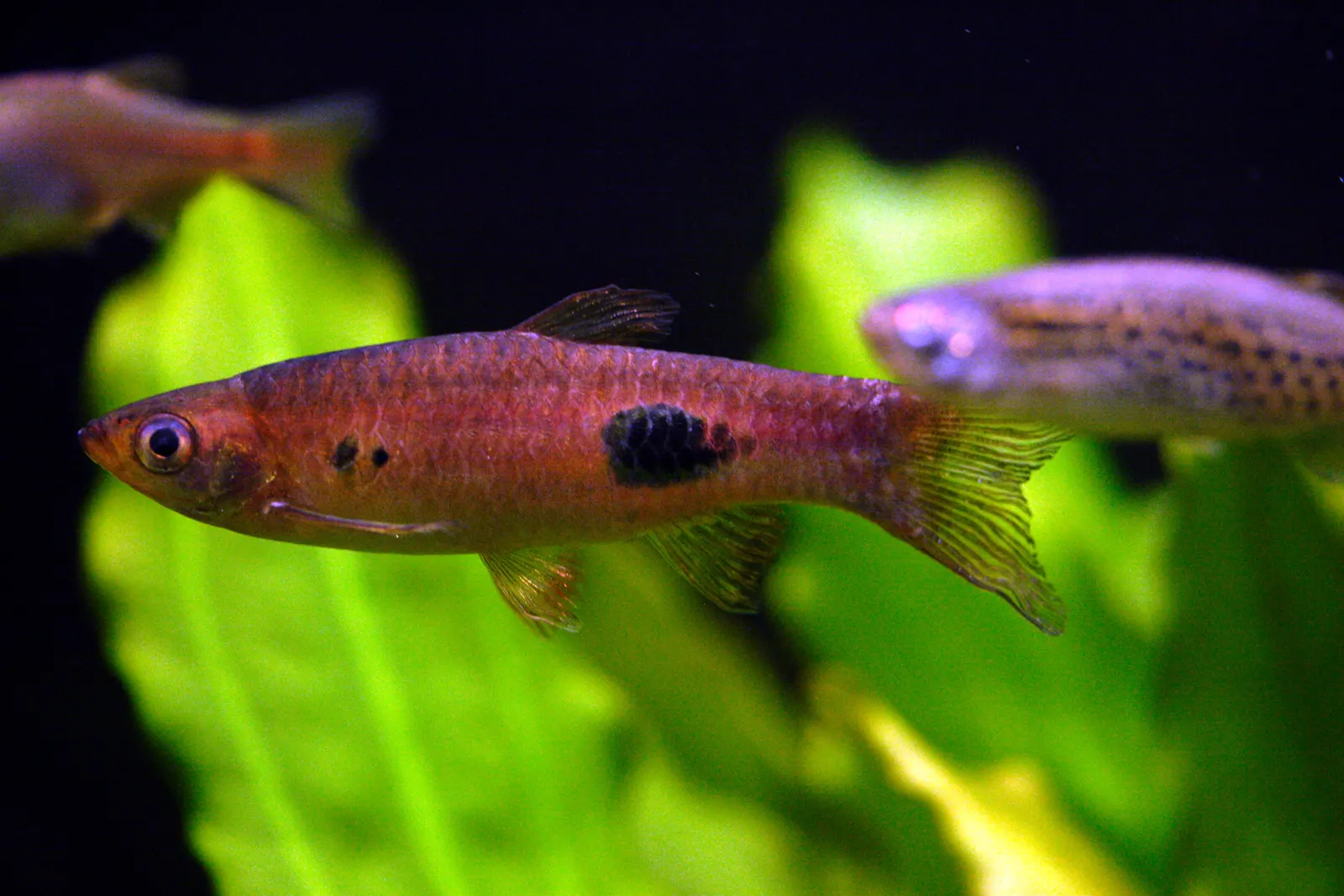
Mires and Peat · Rasbora kalochroma: documented occurrenceDistribution
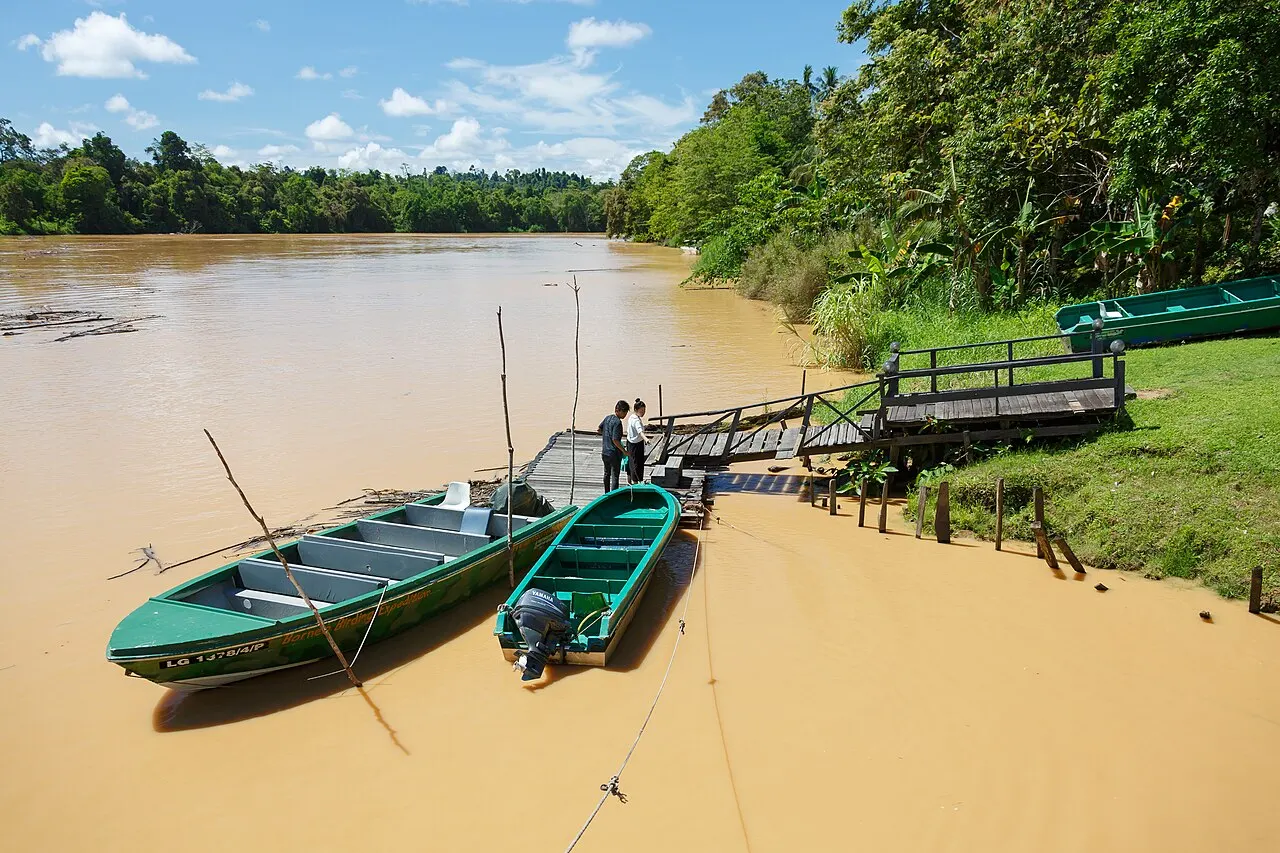
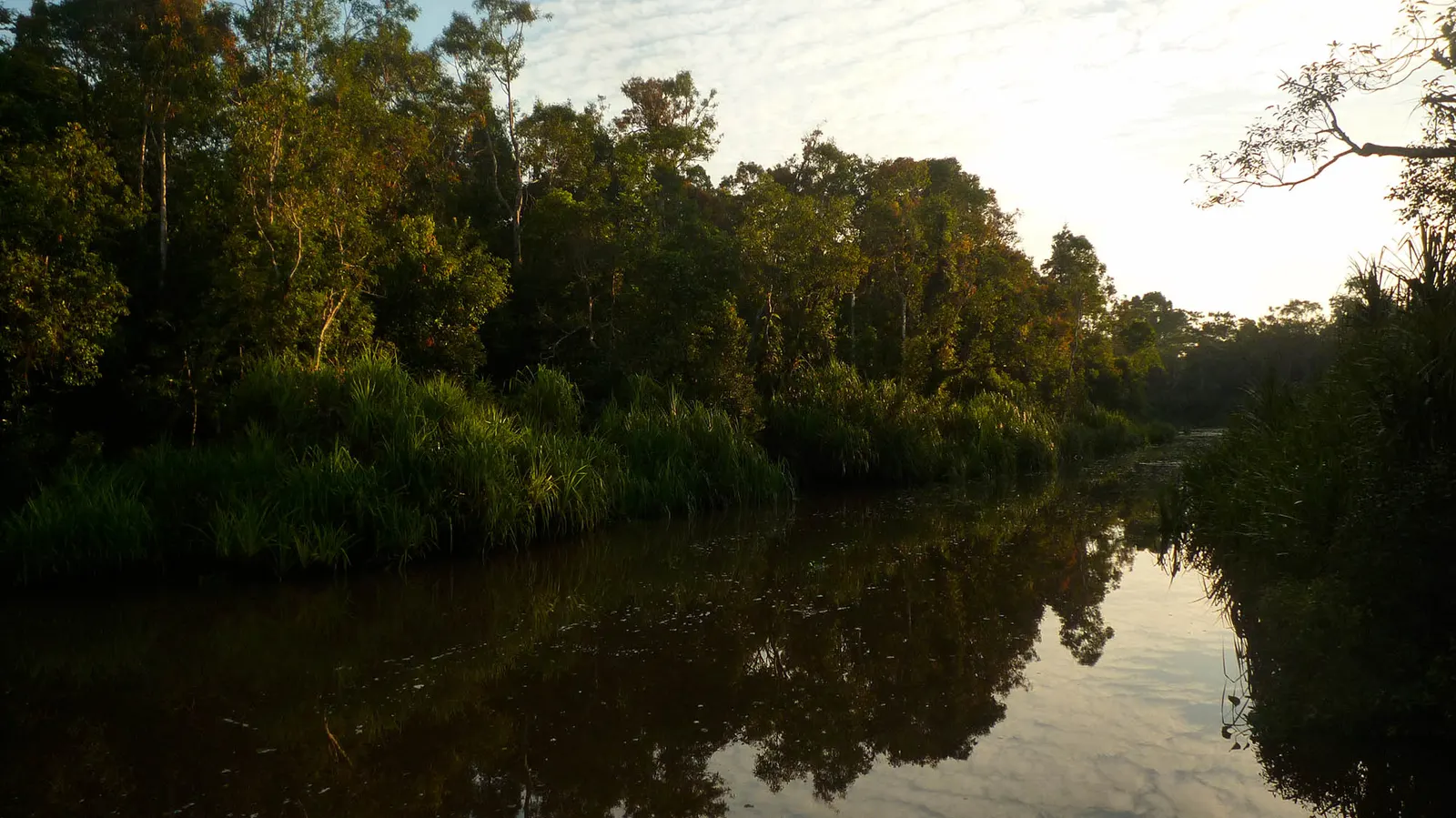
The Sebangau catchment in Kalimantan and the Kinabatangan floodplain in Sabah provide distinct documented river environments. Brunei’s biodiversity report includes rivers and inland waters. Differences in catchment, flooding and adjacent forest matter when comparing these places.
Ecological importance
Rivers connect forest and wetland habitats. The Sebangau fish study distinguishes river catches from forest sampling, showing that aquatic diversity depends on the specific environment rather than a single park-wide species list.
Sources & references · 1
Mires and Peat · Rasbora kalochroma: documented occurrenceThreats
River conservation includes the surrounding catchment. Brunei’s biodiversity report identifies development and pollution pressures on freshwater environments; site-specific water quality should be checked before interpreting a historic fish record as a sign of present river health.
Species found here
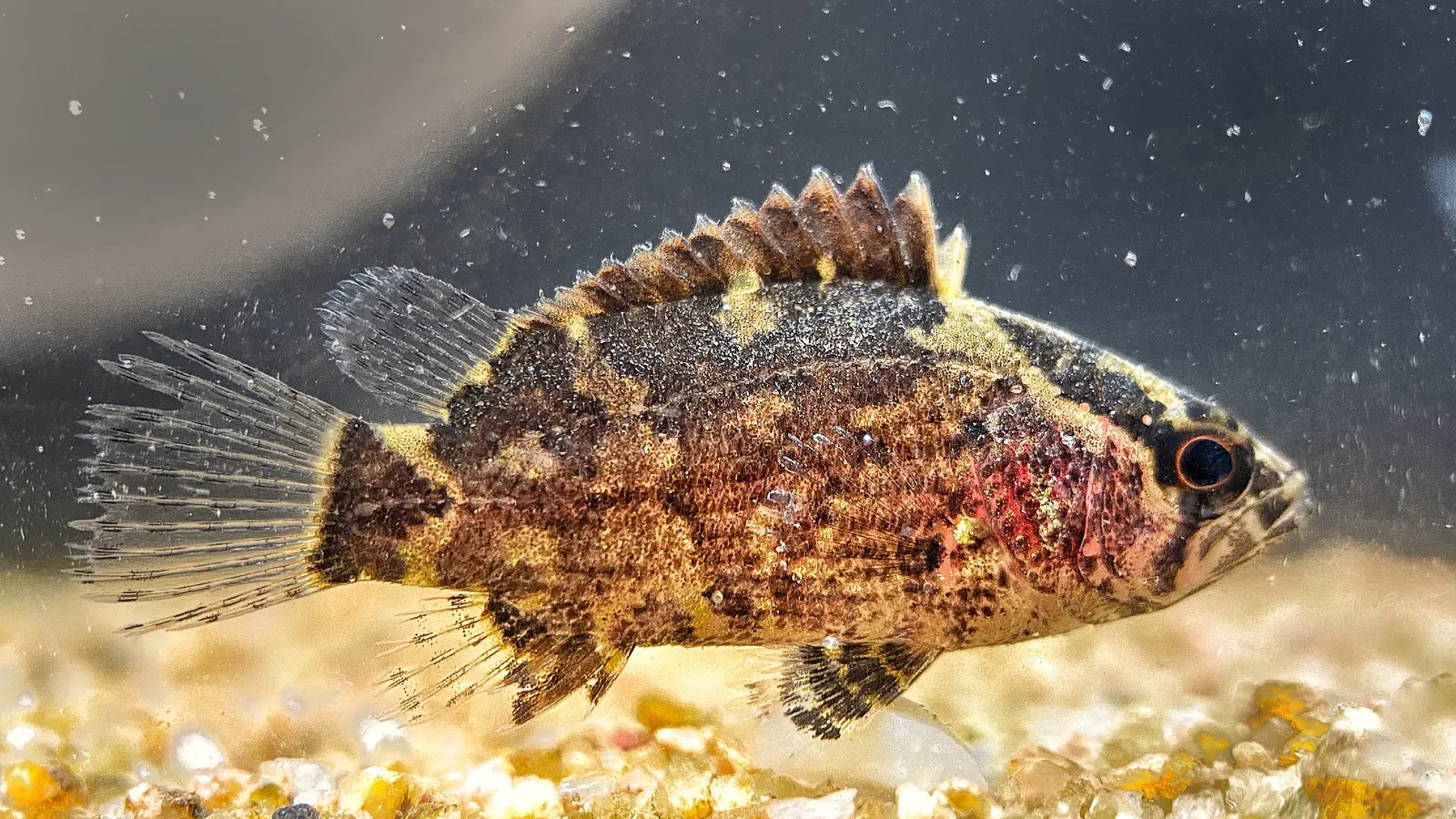
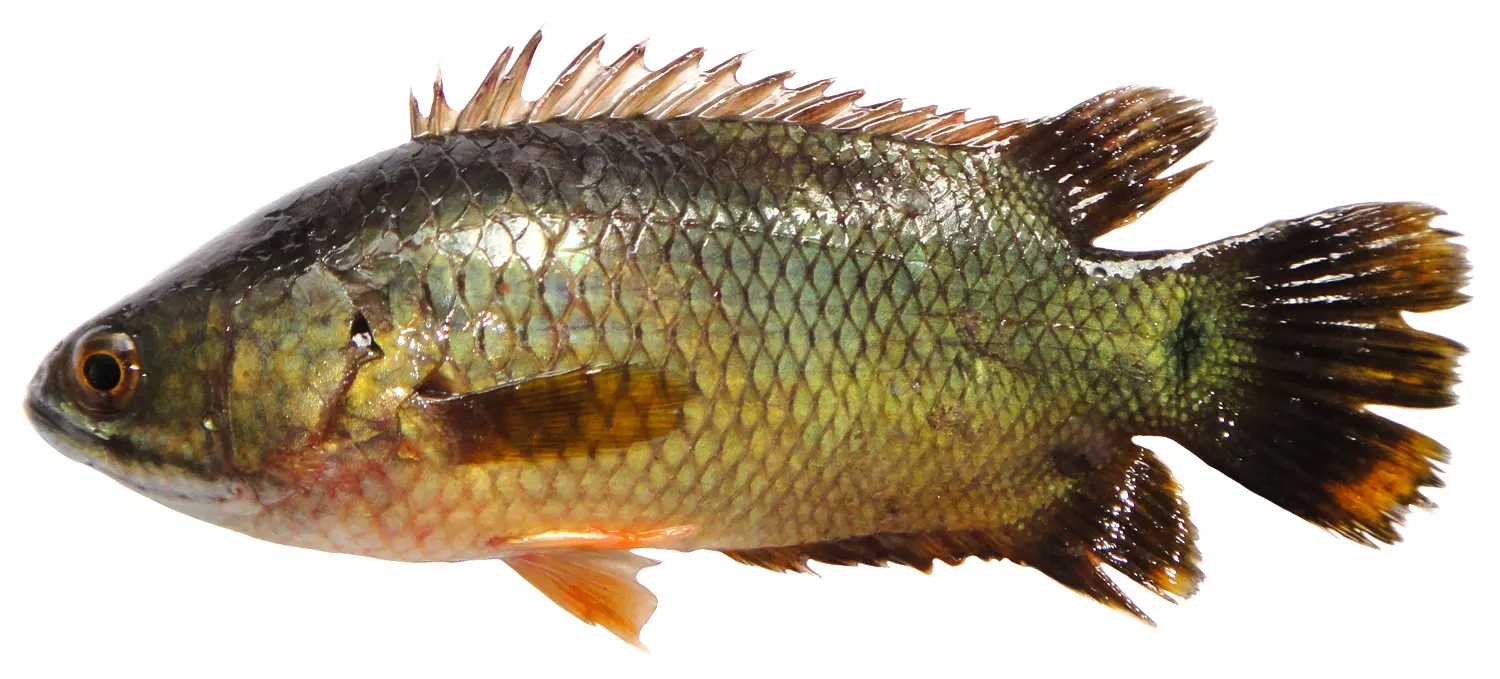
Examples in the linked species profiles include Clown rasbora, Bornean leaffish, Kissing gourami. Their profiles identify the particular locality and evidence. A habitat association does not mean the species occurs in every patch of that habitat.
Protected areas
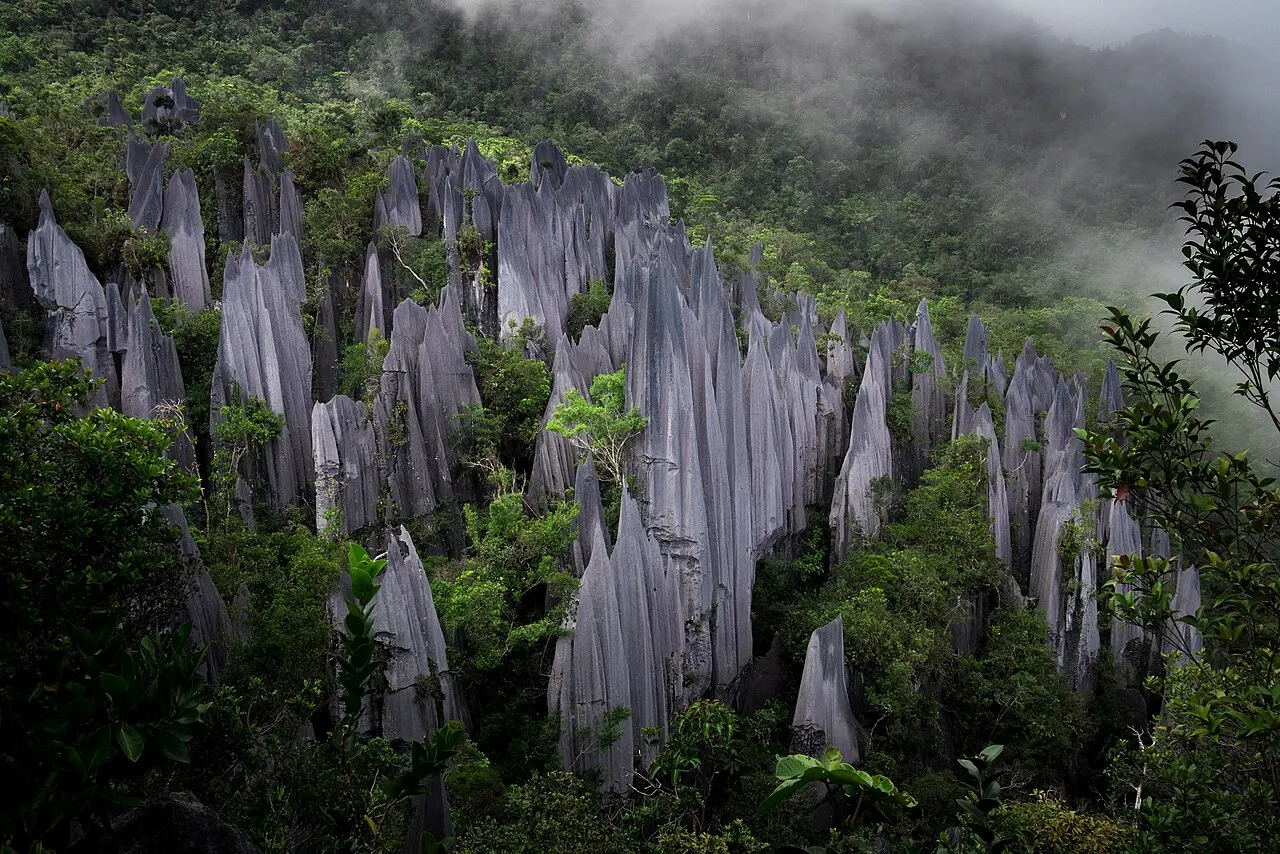
Documented landscapes to explore include Sebangau National Park, Tanjung Puting National Park, Danau Sentarum National Park, Betung Kerihun National Park, Mahakam River, Kayan Mentarang National Park, Gunung Mulu National Park, Batang Ai National Park, Lower Kinabatangan Wildlife Sanctuary. These areas contain habitat mosaics; the habitat does not cover their entire surface. Check each area’s access information before a visit.