Overview
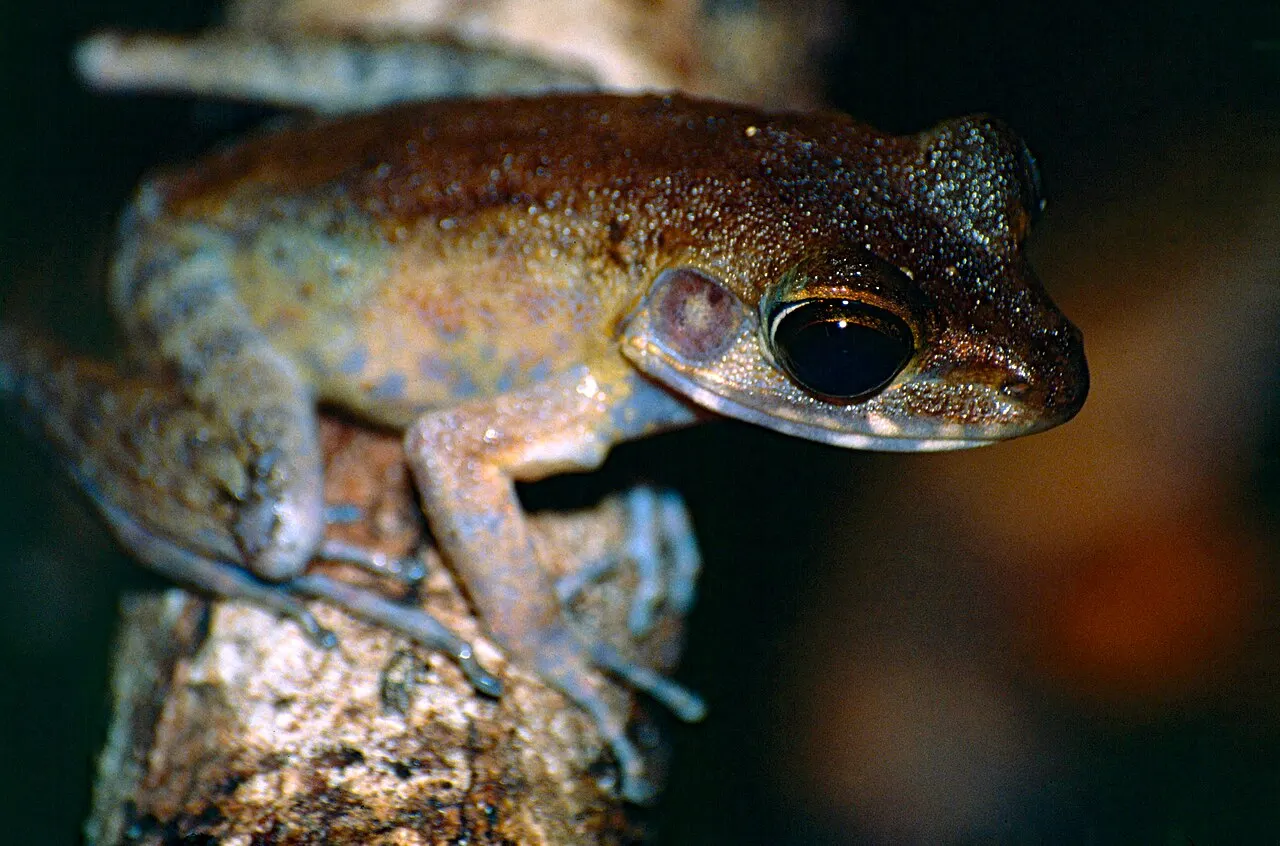
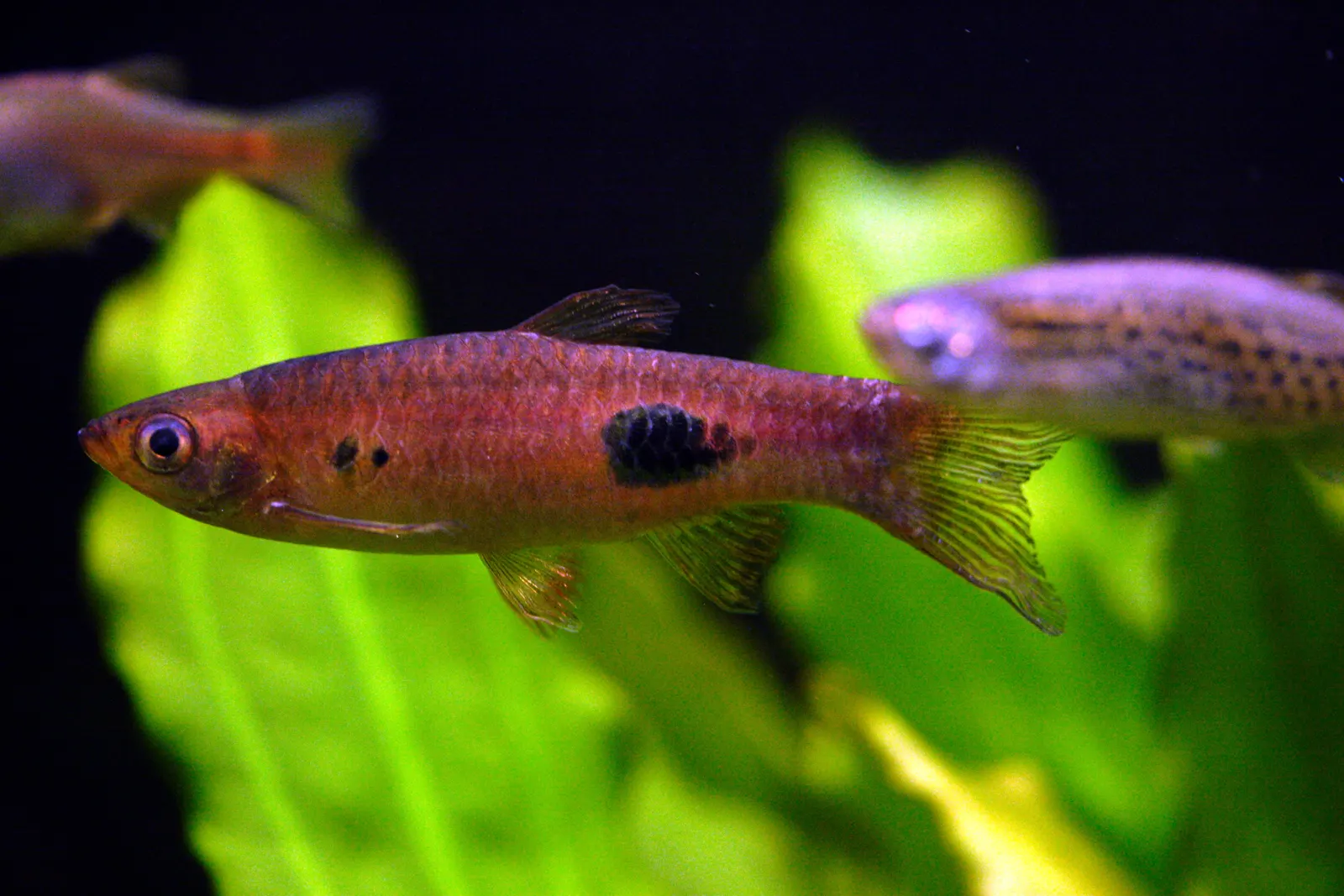
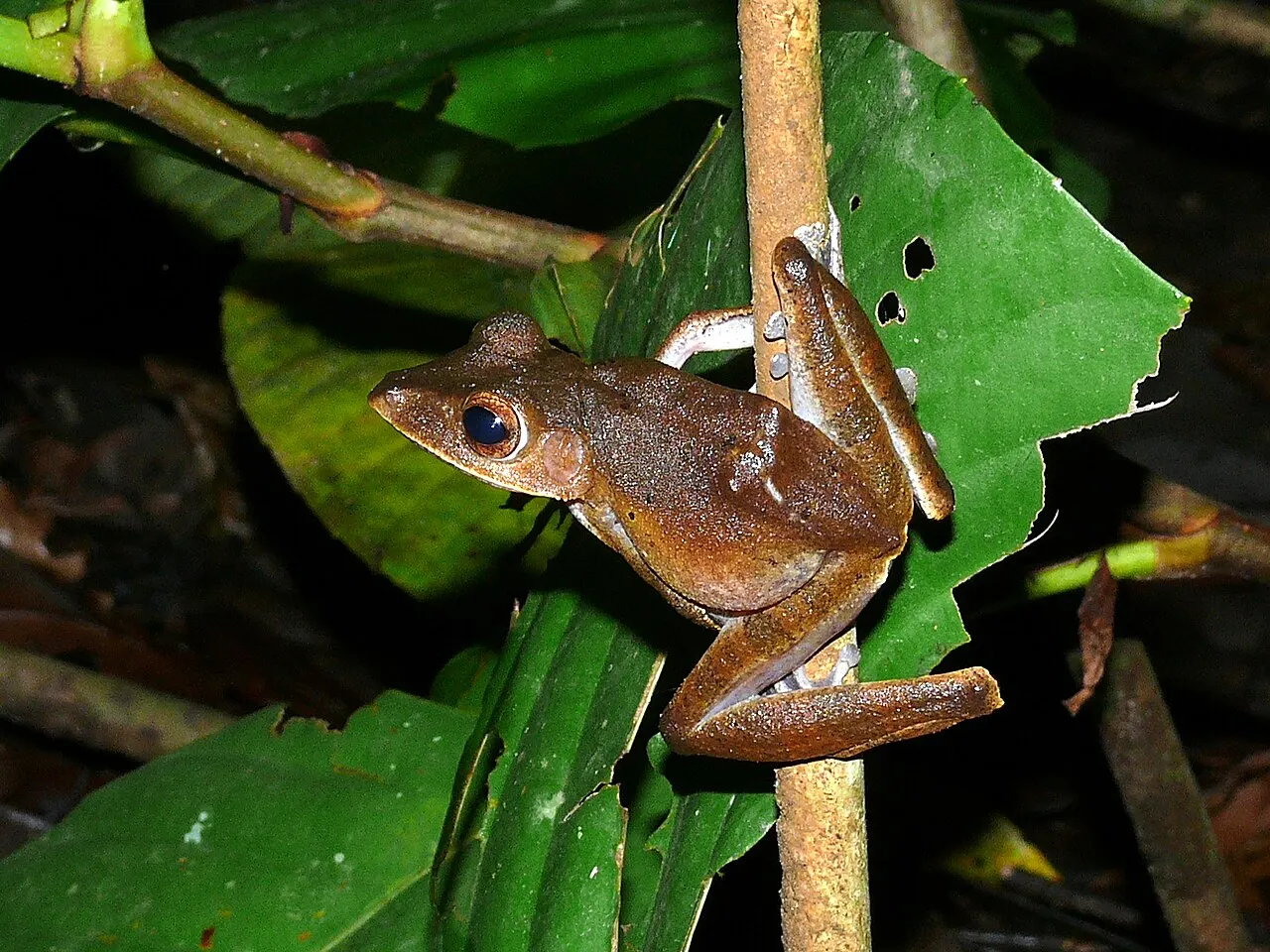
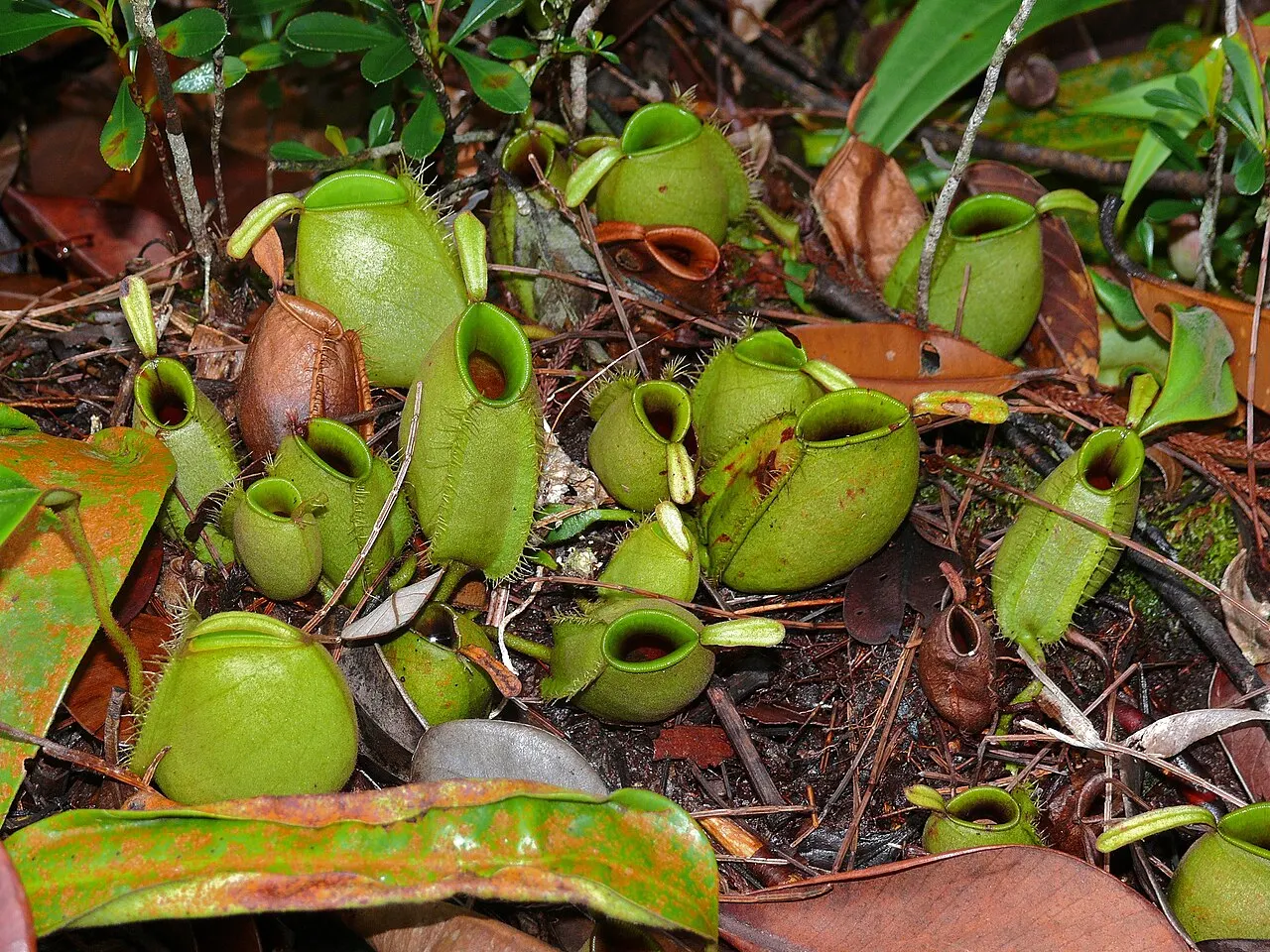
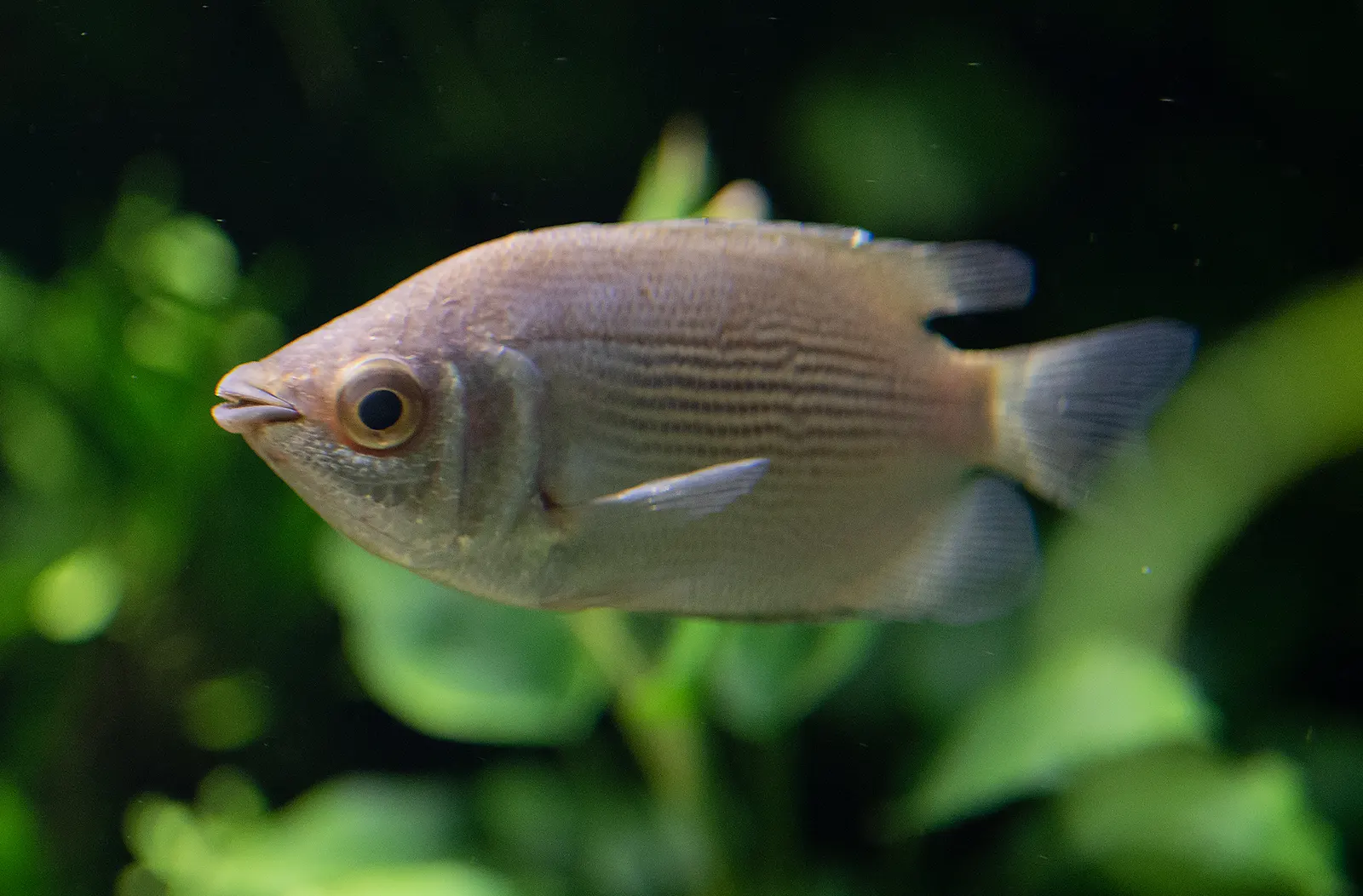
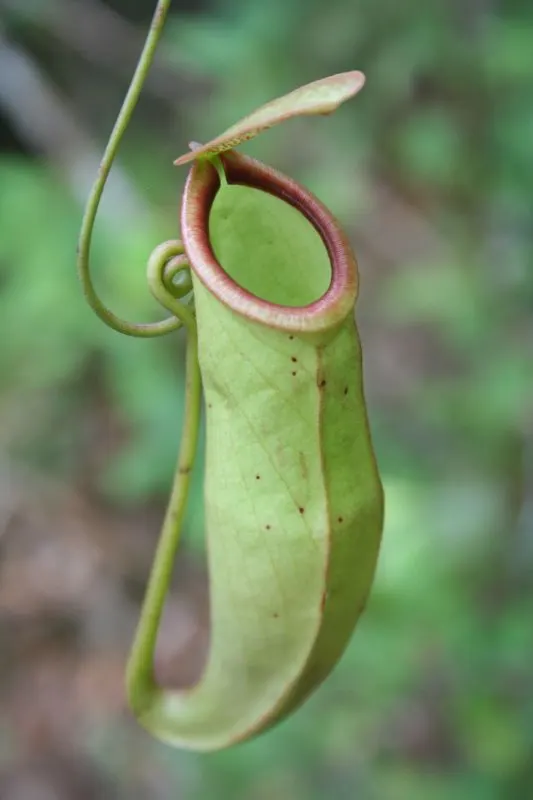
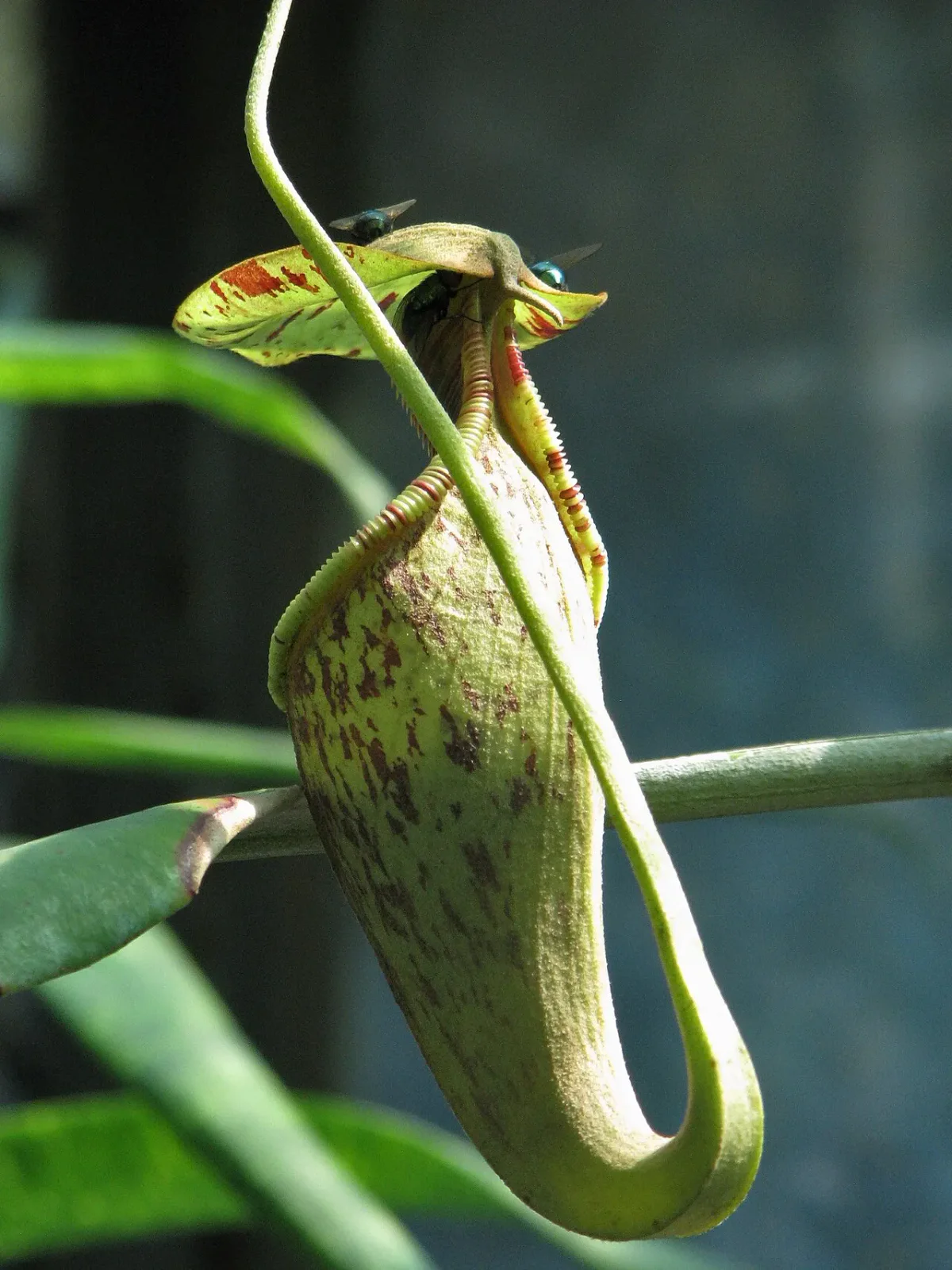
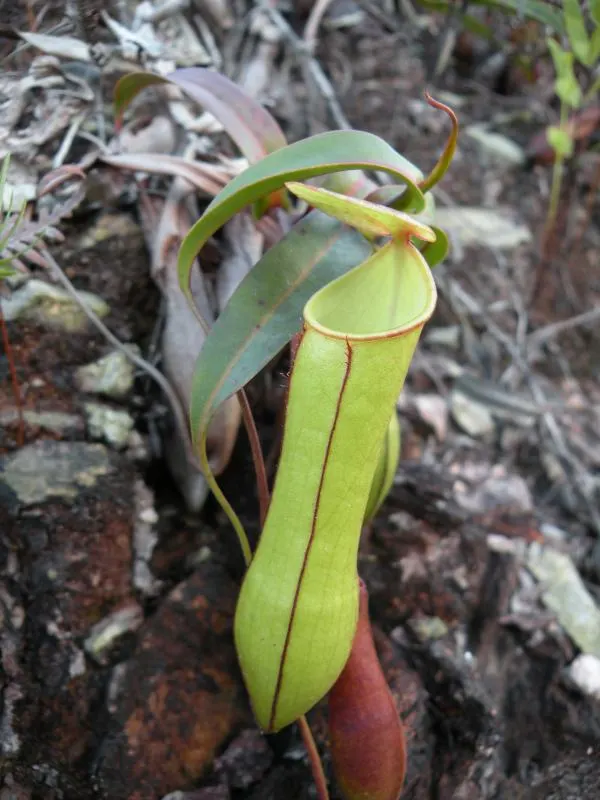
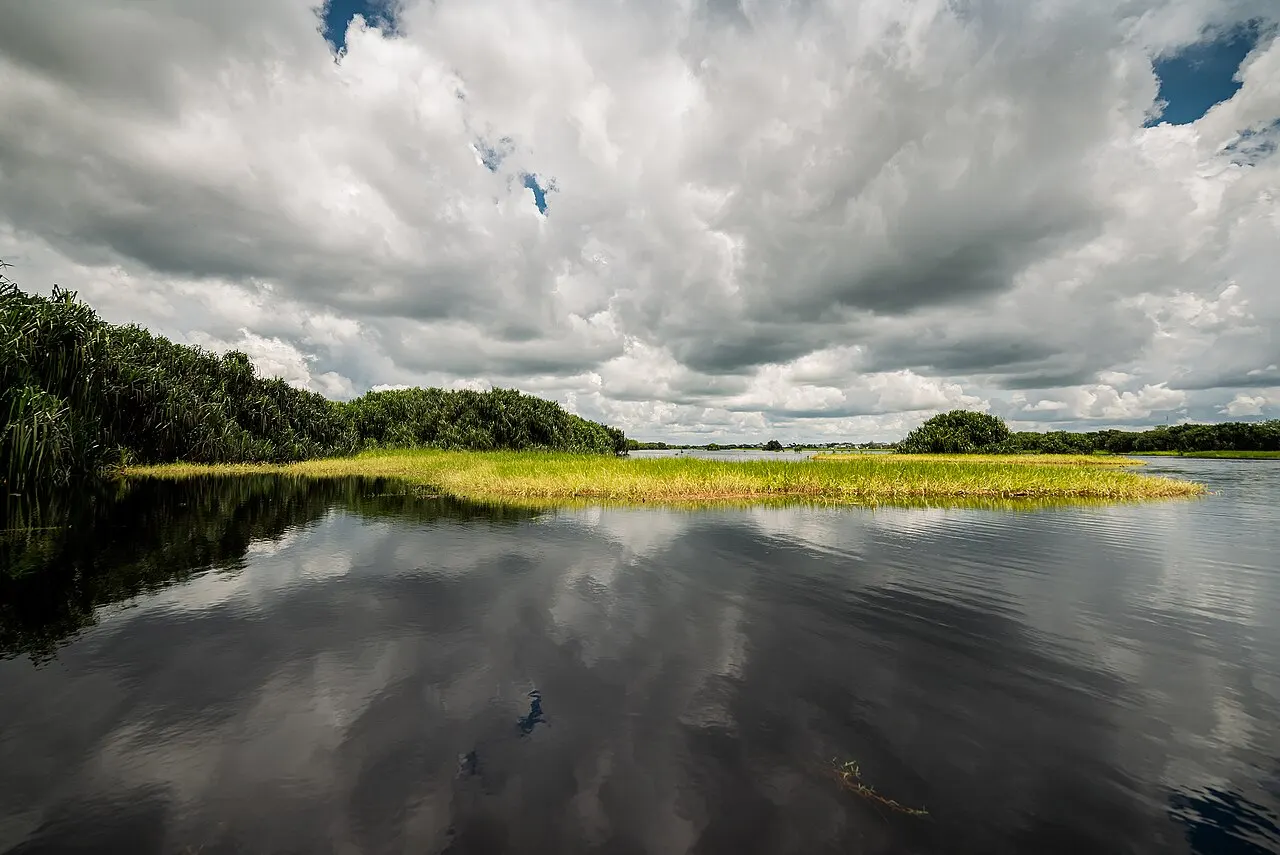
An iconic mammal can introduce a landscape, but it cannot represent all of its biodiversity. Central Kalimantan’s smaller organisms invite us to look at different scales. A pitcher near the ground, a frog heard at night and a fish sampled in blackwater each provides another way to understand the relationships between forest and water.
Sources & references · 14
Directorate General KSDAE, Ministry of Forestry · Profil TN SebangauDirectorate General KSDAE · Pembahasan Revisi Zona Taman Nasional SebangauSebangau National Park Authority · Menteri LHK Berkunjung ke Taman Nasional SebangauIndonesia Ministry of Tourism, JADesta · Explore Taman Nasional SebangauBMKG Tjilik Riwut Meteorological Station · Seasonal climate information for Central KalimantanIAIN Palangka Raya · Nepenthes ampullaria: documented occurrenceRoyal Botanic Gardens, Kew · Nepenthes ampullaria: accepted name and rangeSingapore National Parks Board · Nepenthes ampullaria: reference profileUniversitas Gadjah Mada · Simson (2023), Spatial and temporal acoustic distribution of Polypedates colletti and Pulchrana baramica in Tahawa Village Forest, Central KalimantanUniversitas Palangka Raya · Maulidi et al. (2020), Inventory and Conservation Status of Herpetofauna in Punggualas, Sebangau National Parkwww.ncbi.nlm.nih.gov · Pulchrana baramica: taxonomyamphibian-reptile-conservation.org · Pulchrana baramica: rangeMires and Peat · Rasbora kalochroma: documented occurrenceFishBase · Rasbora kalochroma: reference profilePlants and places
The Habaring Hurung pitcher-plant study identifies four Nepenthes species and distinguishes open from closed forest settings. That is stronger evidence than assuming that a photograph from somewhere on Borneo establishes a local occurrence. Kew’s accepted names and ranges answer a different question: which species name and broader distribution should be attached to the observation. Locality research and taxonomic references work together.
Sources & references · 8
IAIN Palangka Raya · Nepenthes ampullaria: documented occurrenceRoyal Botanic Gardens, Kew · Nepenthes ampullaria: accepted name and rangeSingapore National Parks Board · Nepenthes ampullaria: reference profileRoyal Botanic Gardens, Kew · Nepenthes gracilis: accepted name and rangeSingapore National Parks Board · Nepenthes gracilis: reference profileRoyal Botanic Gardens, Kew · Nepenthes rafflesiana: accepted name and rangeSingapore National Parks Board · Nepenthes rafflesiana: reference profileRoyal Botanic Gardens, Kew · Nepenthes mirabilis: accepted name and range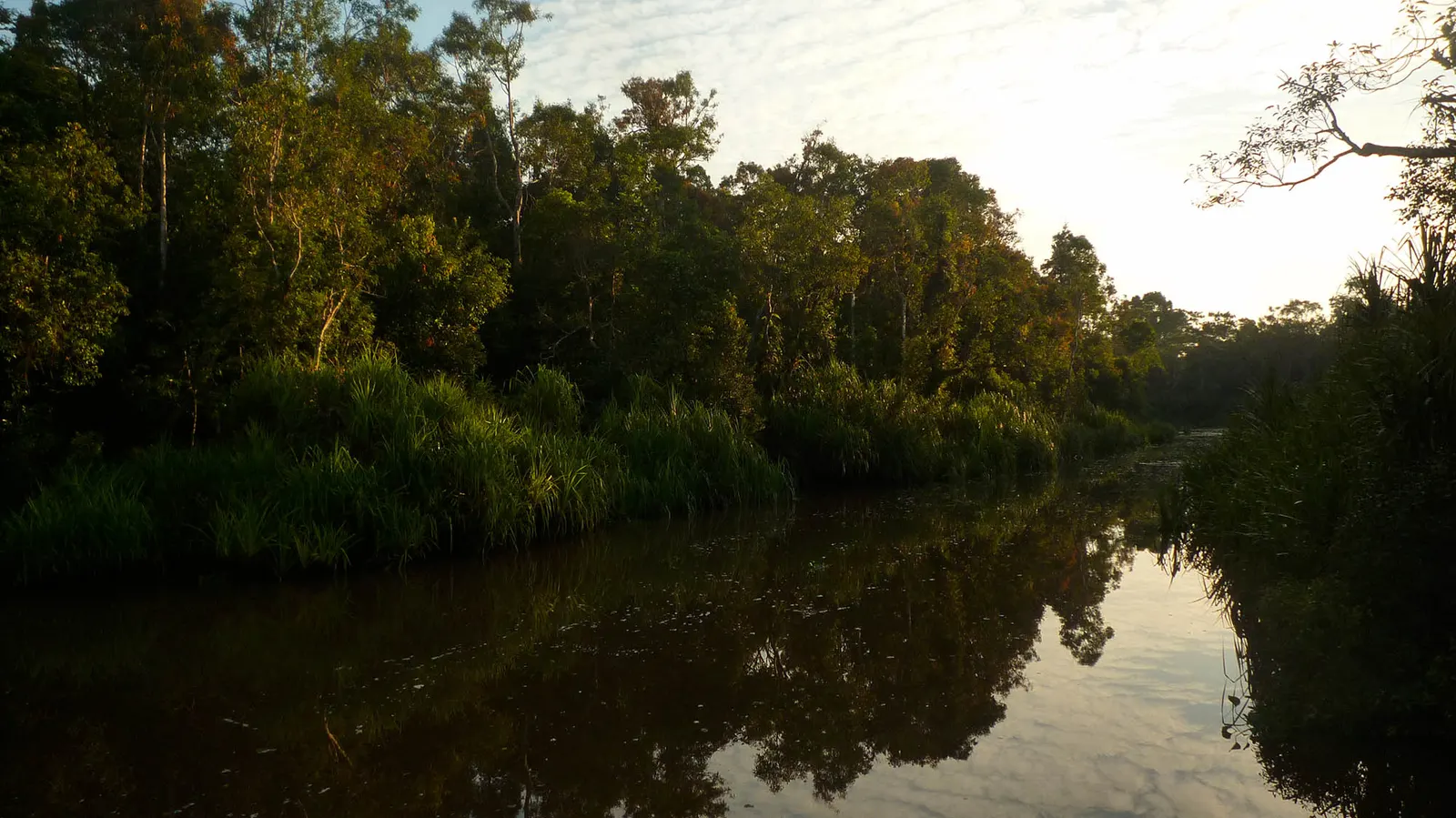
Listening and sampling
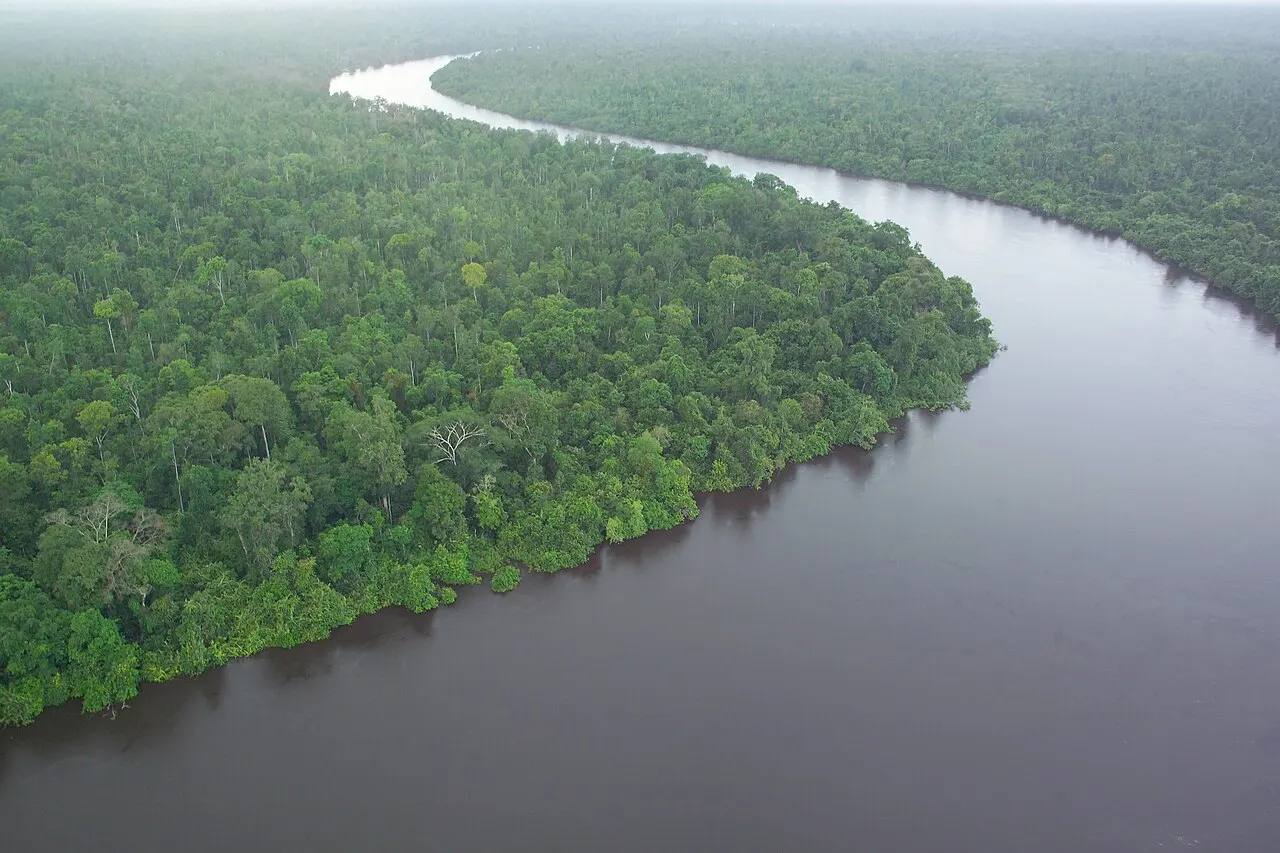
The frog records combine documented Punggualas occurrences with separate acoustic work at Tahawa. Fish research in the Sebangau catchment distinguishes river and forest samples. These methods do not produce identical kinds of evidence. An acoustic detection, an inventory listing and a caught fish have their own location and date. Keeping those details attached prevents an attractive general wildlife list from overstating what was actually observed.
Sources & references · 10
Universitas Gadjah Mada · Simson (2023), Spatial and temporal acoustic distribution of Polypedates colletti and Pulchrana baramica in Tahawa Village Forest, Central KalimantanUniversitas Palangka Raya · Maulidi et al. (2020), Inventory and Conservation Status of Herpetofauna in Punggualas, Sebangau National Parkwww.ncbi.nlm.nih.gov · Pulchrana baramica: taxonomyamphibian-reptile-conservation.org · Pulchrana baramica: rangewww.researchgate.net · Collett's tree frog: natural historywww.gbif.org · Polypedates colletti: taxonomyamphibiansoftheworld.amnh.org · Polypedates colletti: rangeMires and Peat · Rasbora kalochroma: documented occurrenceFishBase · Rasbora kalochroma: reference profileFishBase · Helostoma temminckii: reference profileWhat a record can say
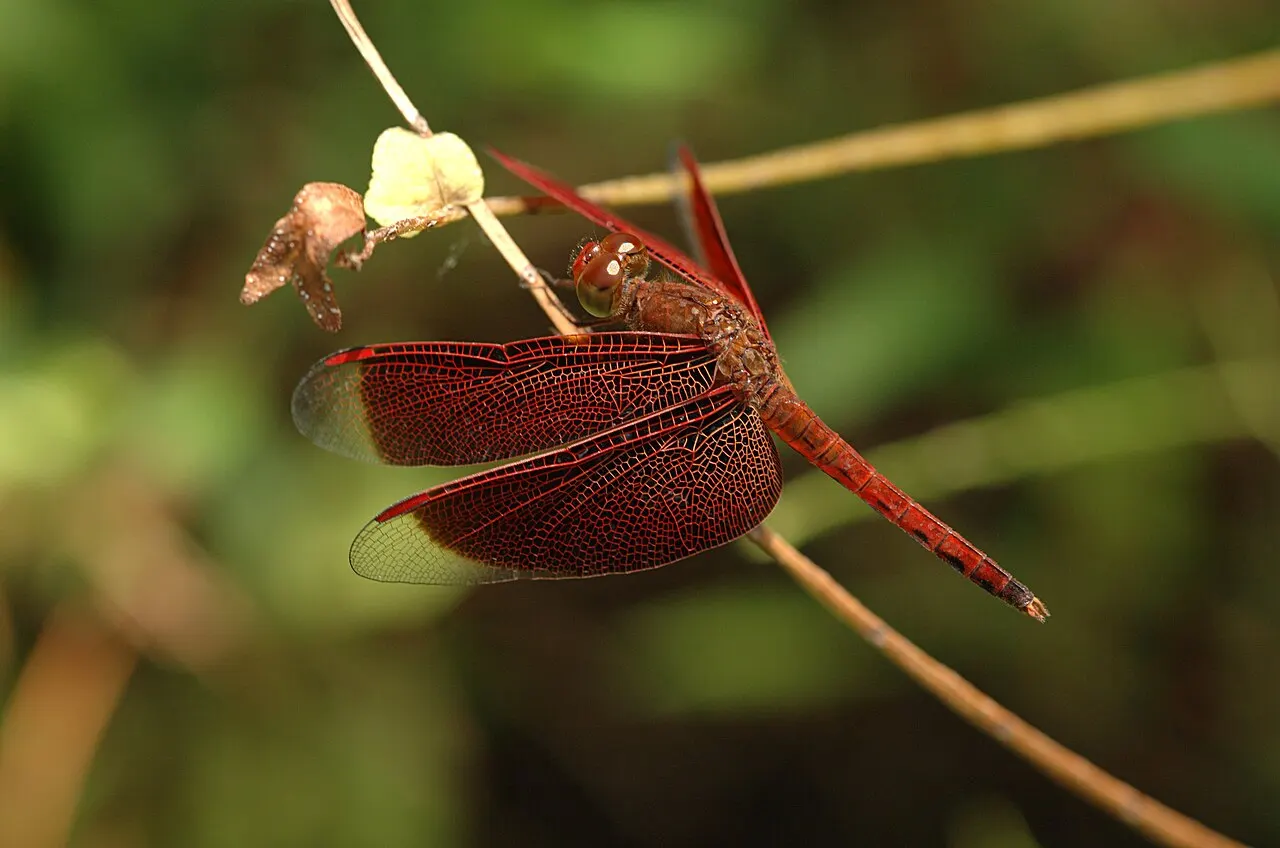
The dragonfly record adds insects to the collection without claiming that every larval habitat has been mapped. A well-designed species page can say what is known and leave measurements or current conservation categories unknown when they have not been verified. That restraint matters more than filling every box. The resulting connections remain useful for research and discovery without becoming a sighting guarantee.