Appearance & recognition
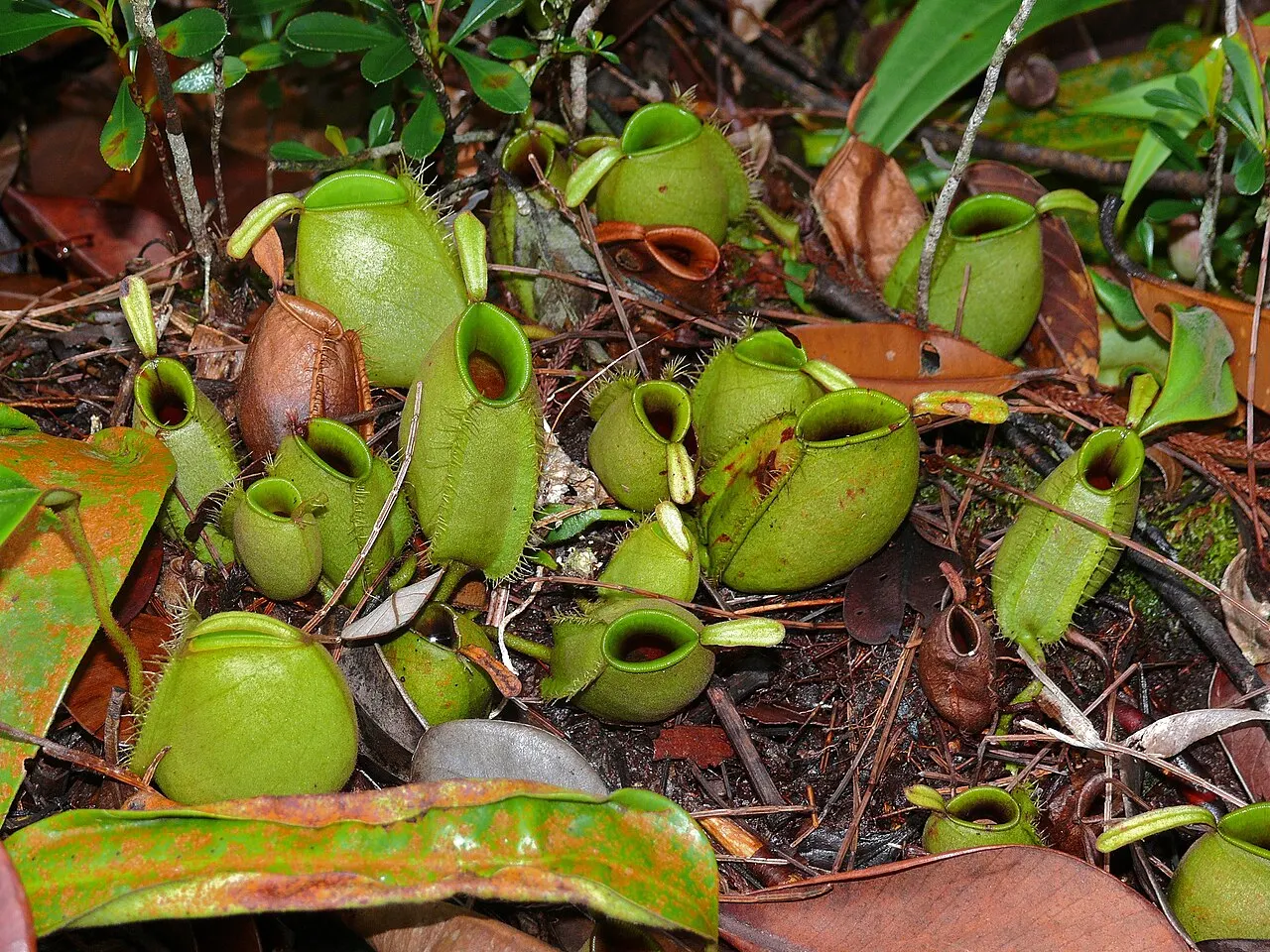
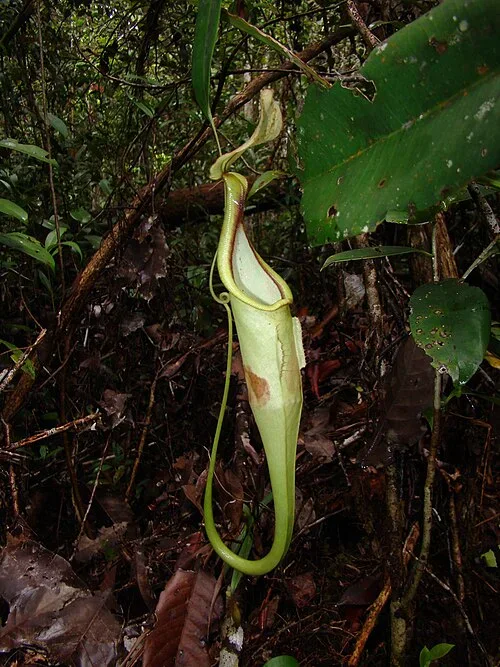
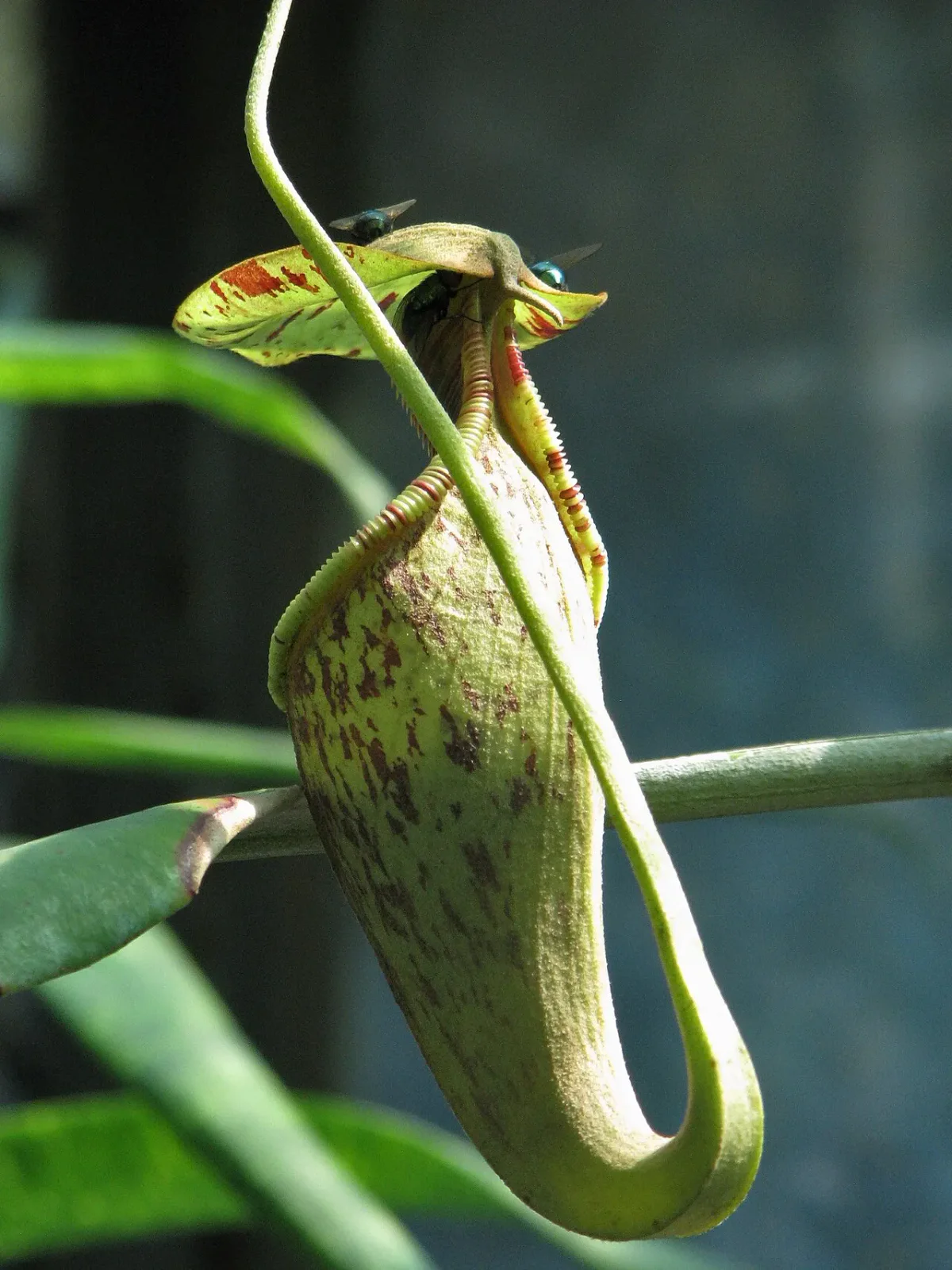
Lower pitchers are egg-shaped; upper pitchers are funnel-shaped.
Sources & references · 2
Royal Botanic Gardens, Kew · Nepenthes rafflesiana: accepted name and rangeSingapore National Parks Board · Nepenthes rafflesiana: reference profileGrowth & ecology
Leathery leaves end in tendrils carrying prey-catching pitchers. Male and female flowers grow on separate plants. Recorded in both open and closed forest in the Habaring Hurung study.
Sources & references · 2
Royal Botanic Gardens, Kew · Nepenthes rafflesiana: accepted name and rangeSingapore National Parks Board · Nepenthes rafflesiana: reference profileHow the plant grows
Lower and upper pitchers have different shapes: the lower traps are more rounded, while climbing shoots carry funnel-shaped upper traps. Leathery leaves end in tendrils supporting the pitchers. Their slippery surfaces, fluid and attraction of insects work together, so the trap is more than a passive cup of water. Flowers occur separately from these modified leaves, with male and female flowers on different plants.
Sources & references · 2
Royal Botanic Gardens, Kew · Nepenthes rafflesiana: accepted name and rangeSingapore National Parks Board · Nepenthes rafflesiana: reference profileRange & habitat
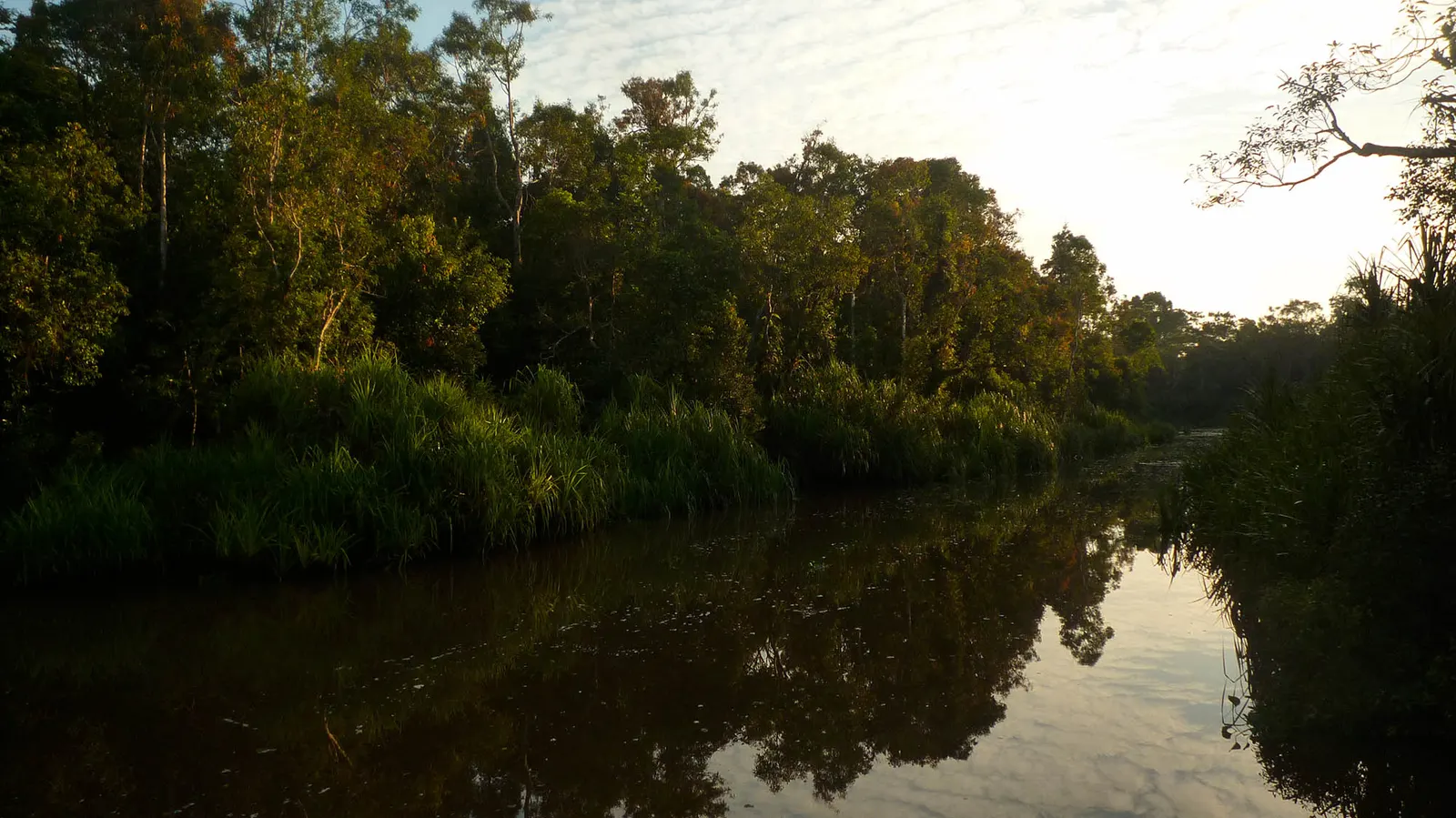
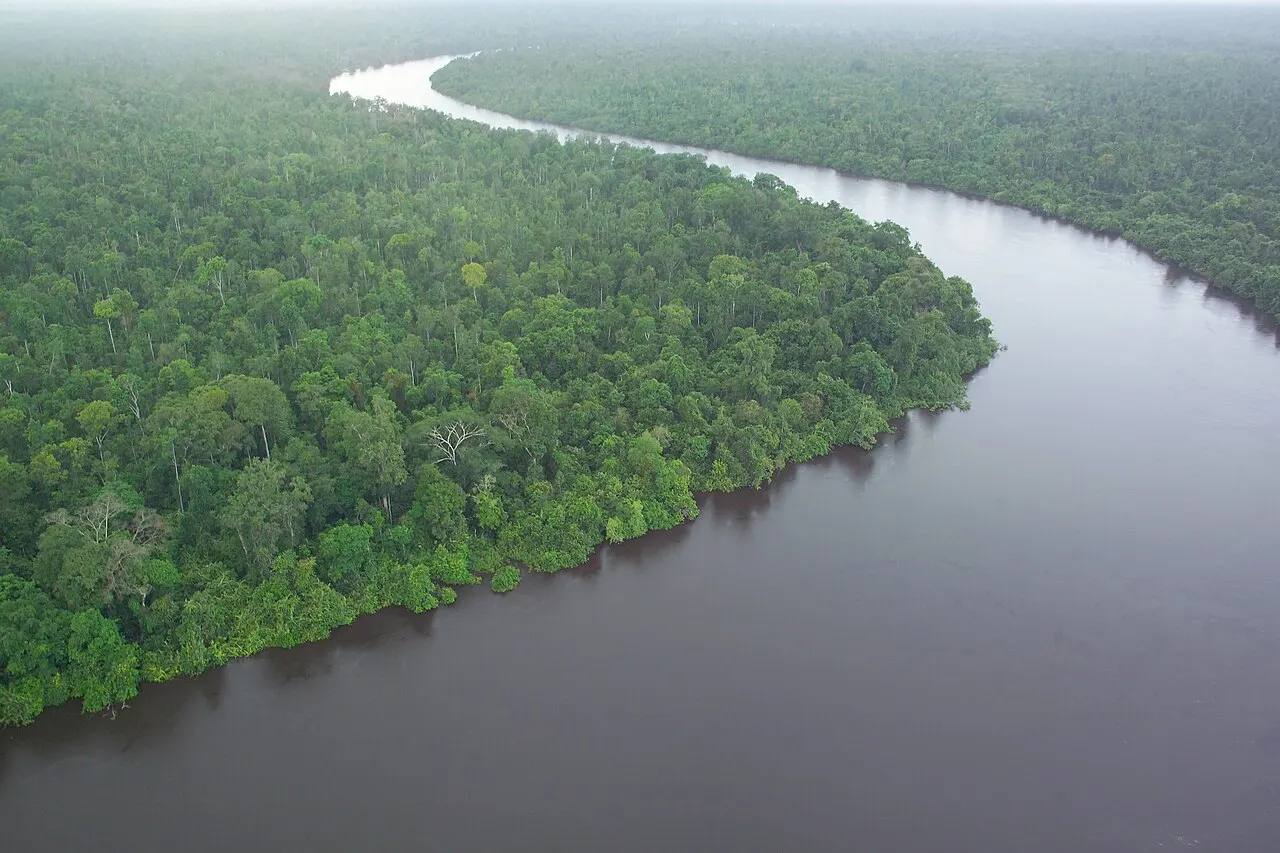
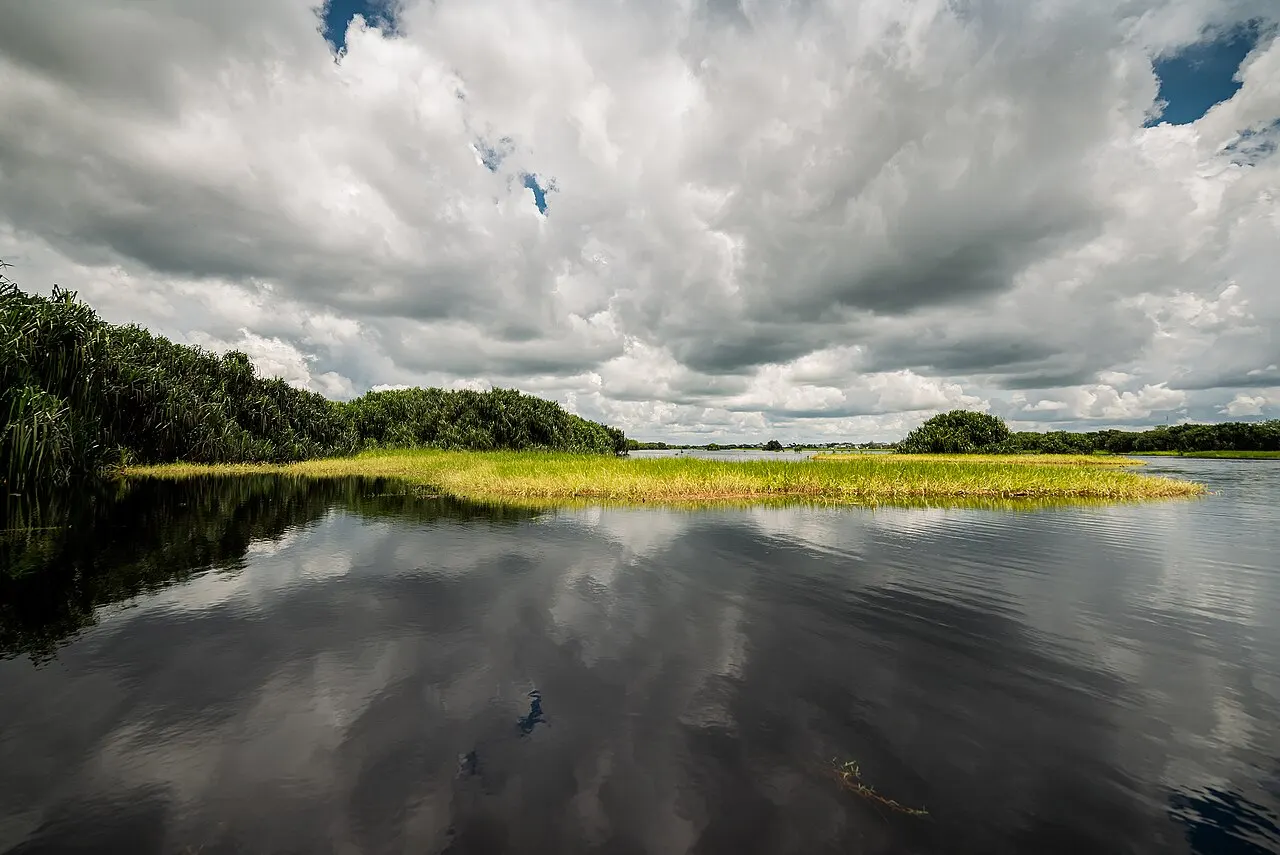
The Sebangau study records this species in both open and closed forest at Habaring Hurung. Kew documents a native range including Borneo, Sumatra and Malaya. The specialised bat shelter relationship belongs to Nepenthes hemsleyana, now recognised separately, rather than automatically to this species. Comparing it with Flask-shaped pitcher plant also shows how related plants can use different nutrient sources in the same forest landscape.