Characteristics
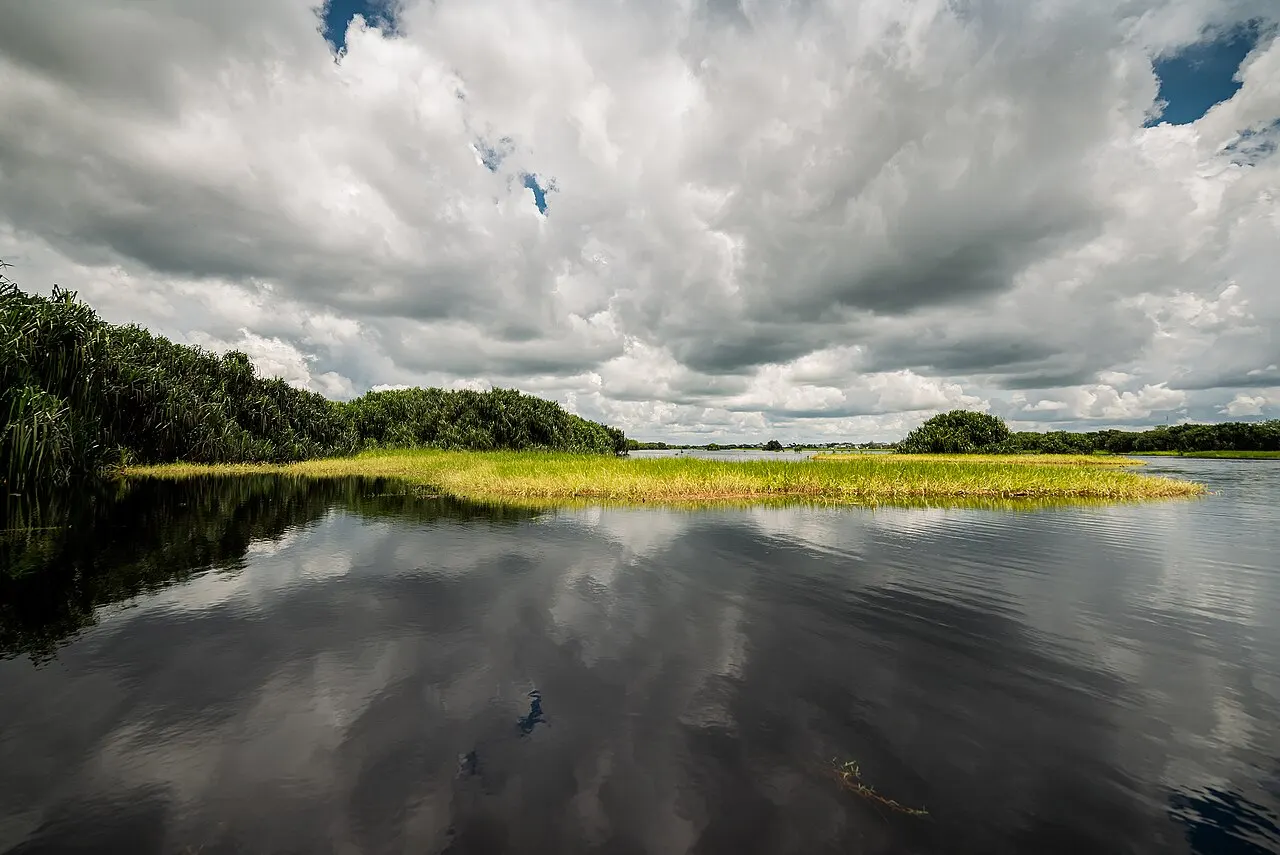
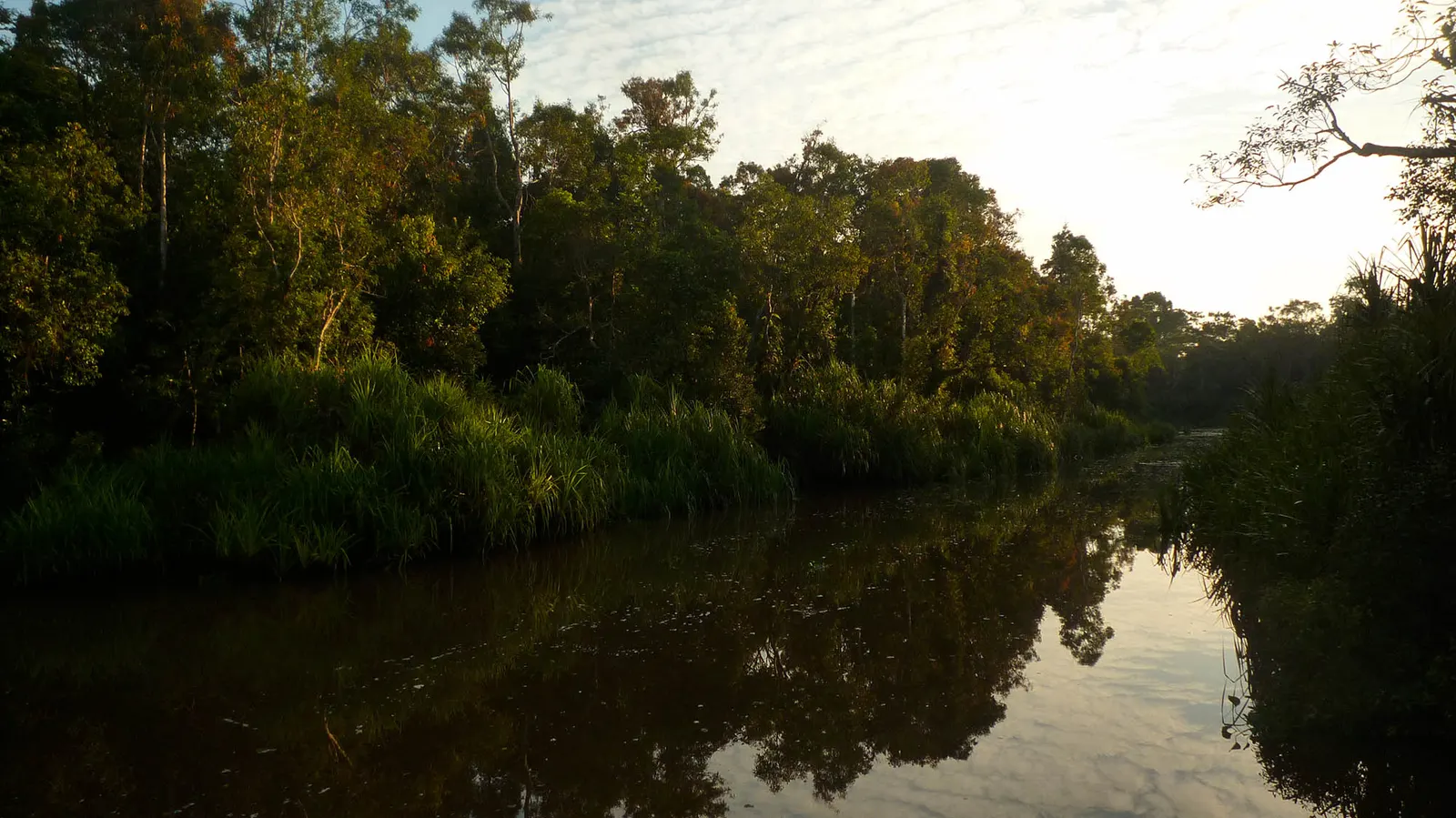
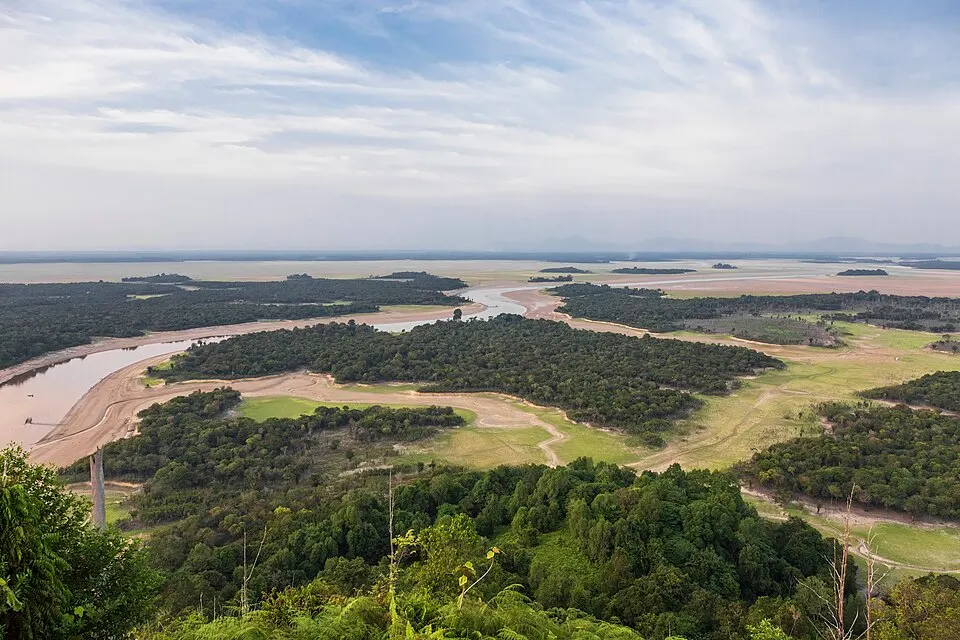
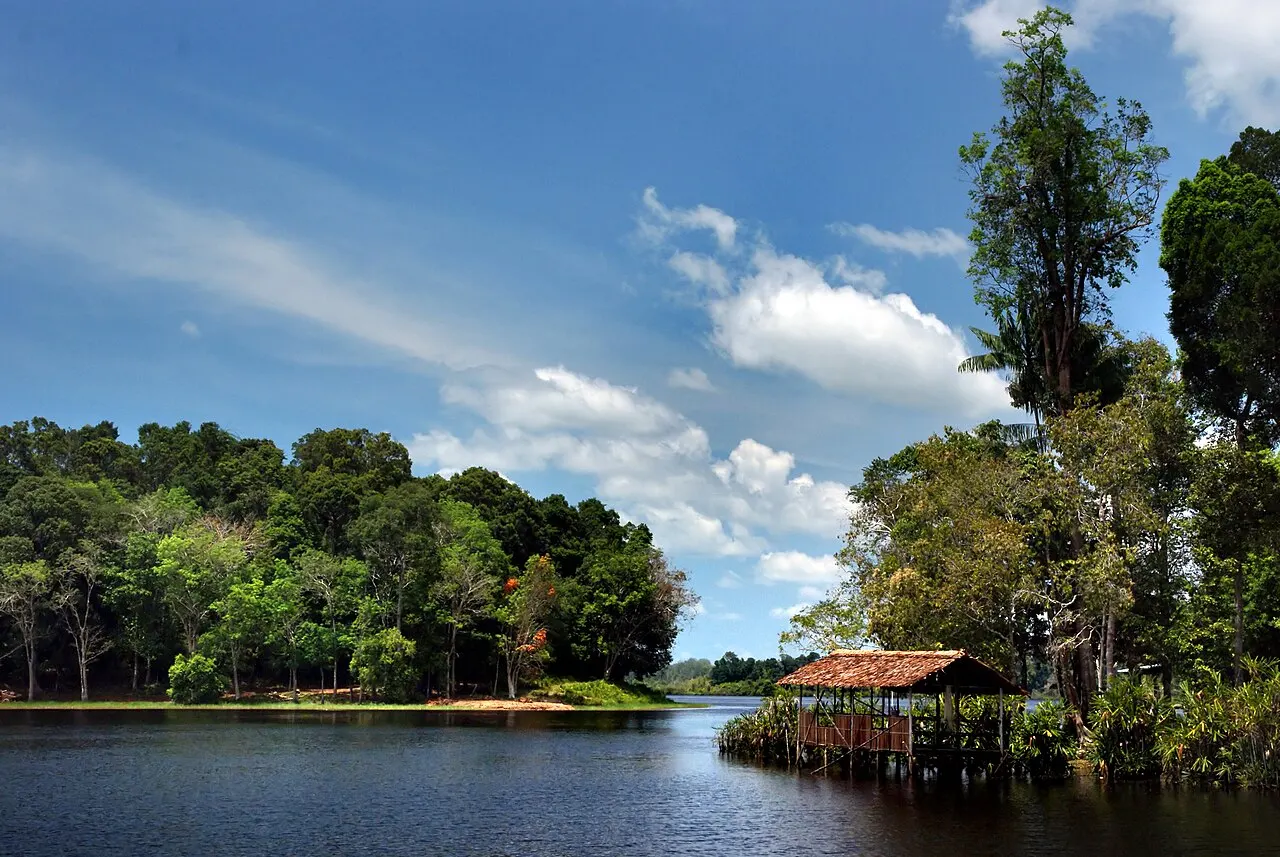
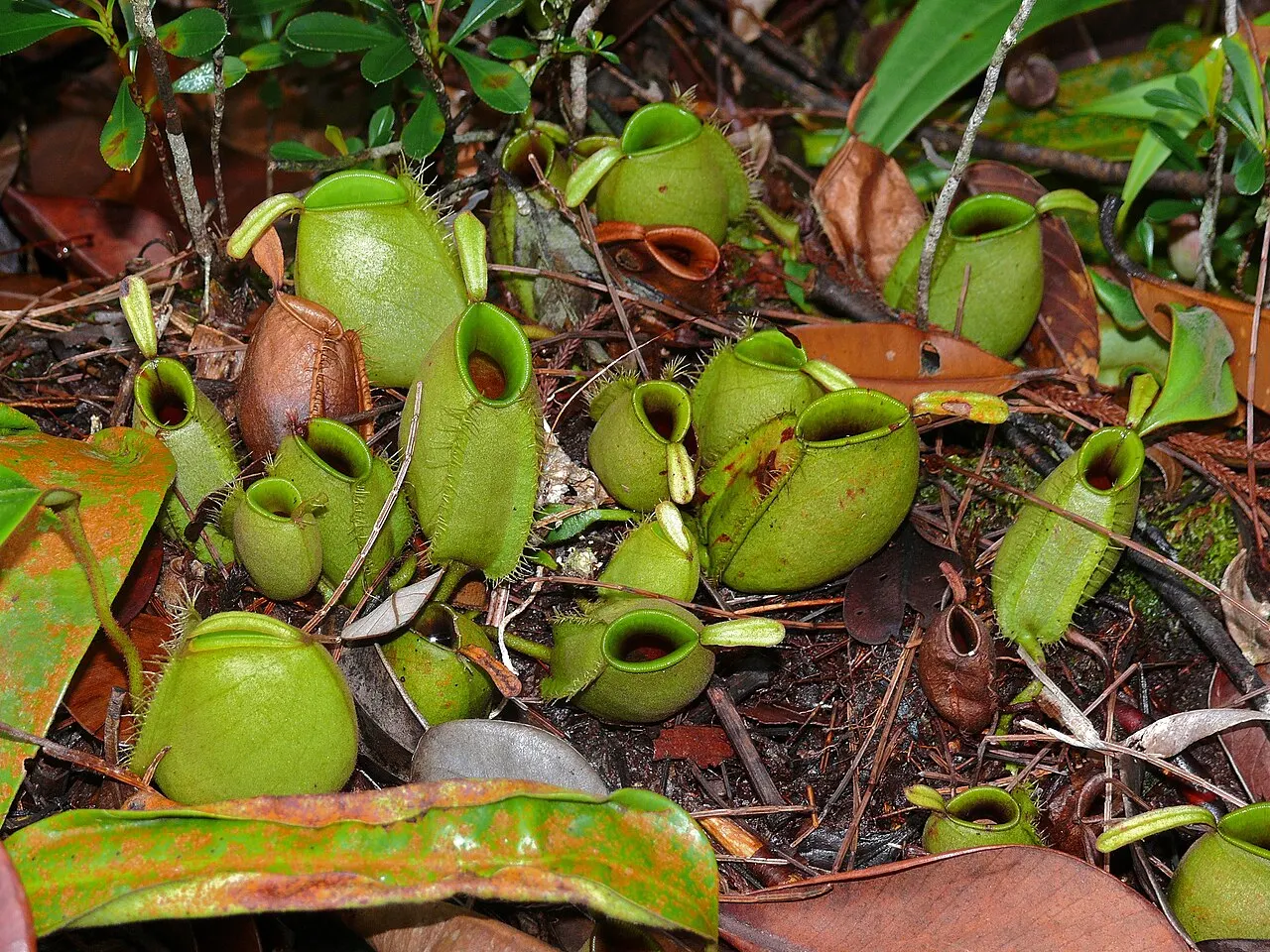
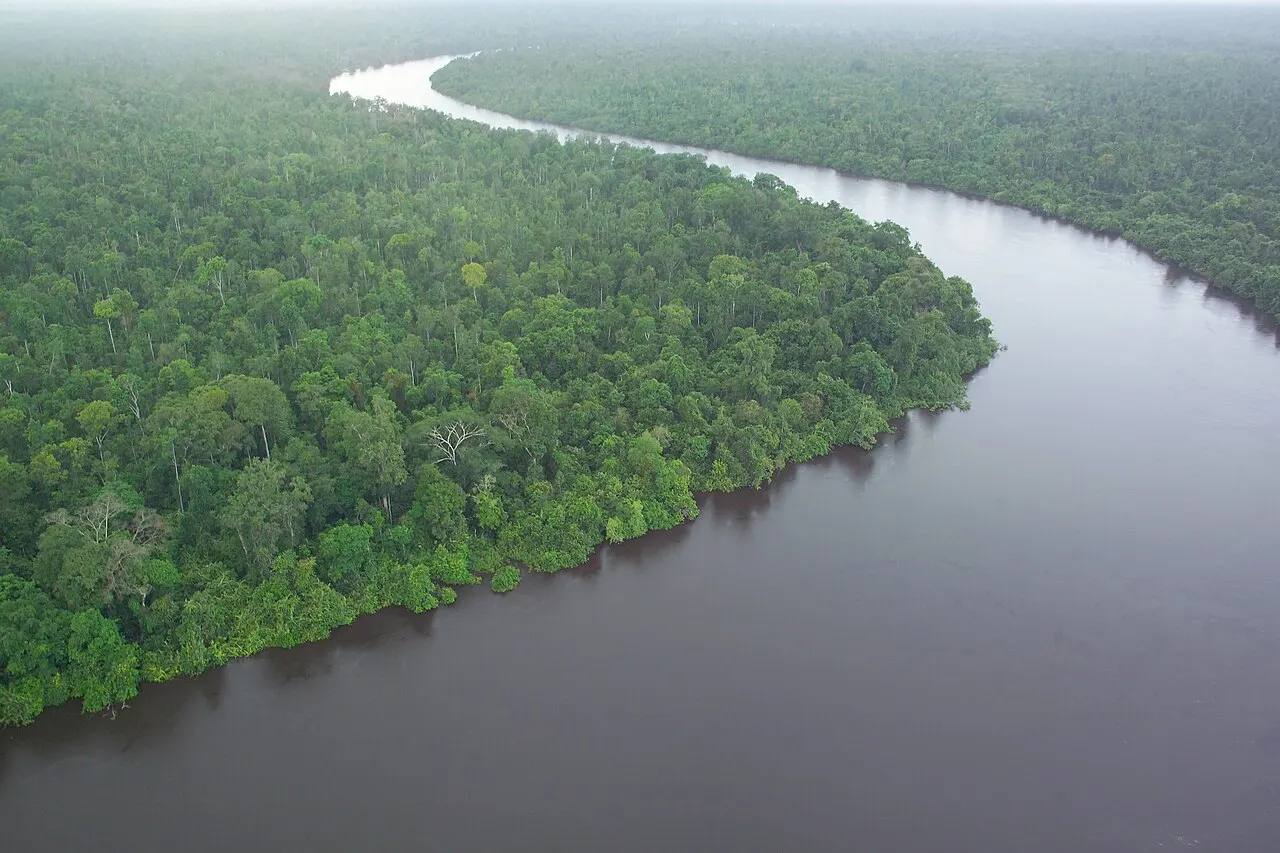
Sebangau provides a documented peat-swamp landscape; UNESCO also identifies this habitat in Tanjung Puting. Peat is more than a wet forest floor: its accumulated organic material and water regime are central to carbon storage and habitat integrity.
Distribution
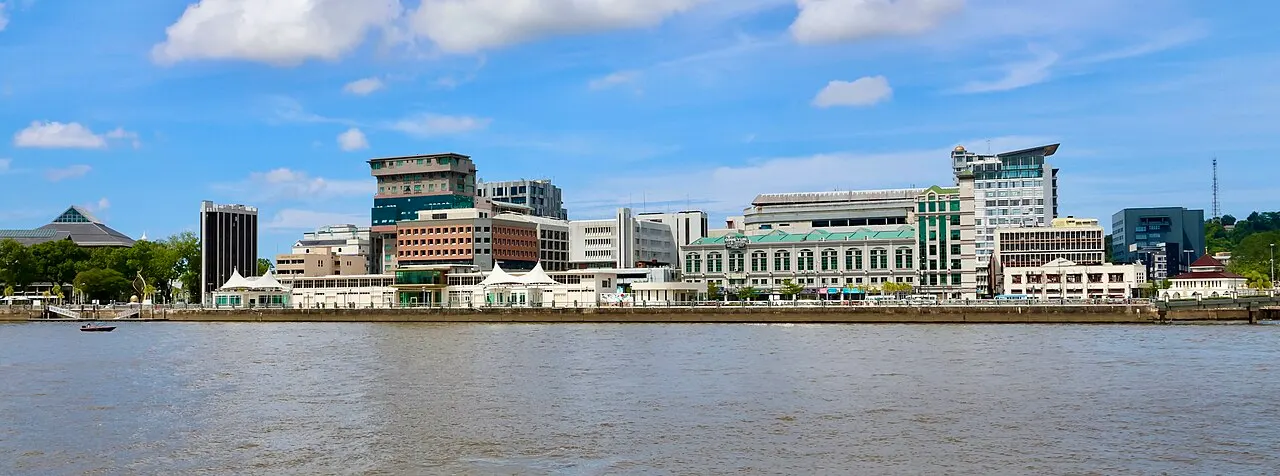
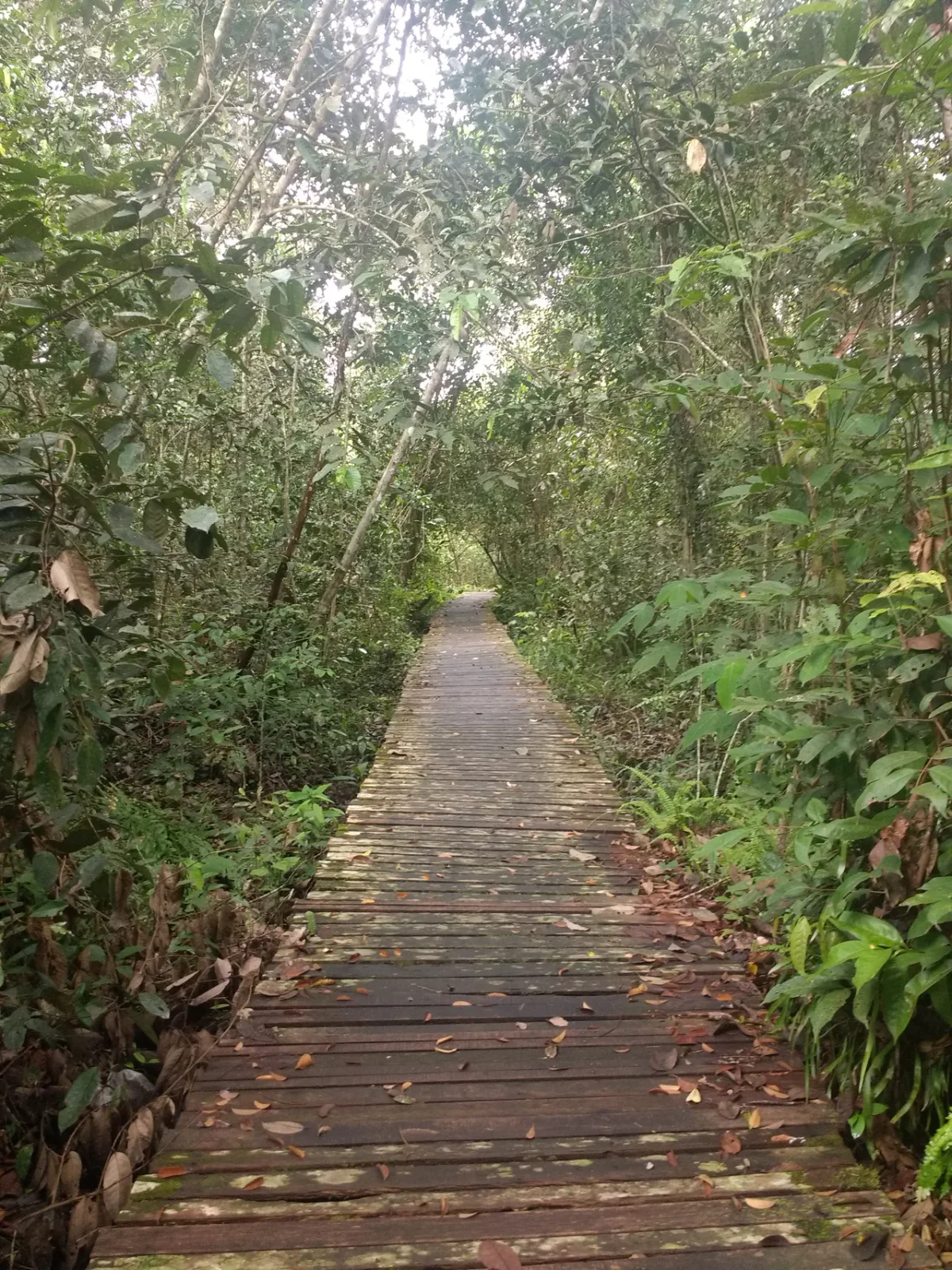
Documented examples include Sebangau and Tanjung Puting in Kalimantan, Bako in Sarawak, and the Belait basin and Tasek Merimbun in Brunei. These are examples of a wider habitat, not a complete island-wide extent map.
Sources & references · 4
Borneo Nature Foundation · Peatland restoration: rewetting the peatUNESCO Man and the Biosphere Programme · Tanjung Puting Biosphere ReserveGovernment of Brunei Darussalam / Forestry Department · Fourth National Report to the Convention on Biological Diversity: Brunei DarussalamSarawak Forestry Corporation · Bako National ParkEcological importance
Waterlogged peat stores accumulated organic carbon and supports forest wildlife. Protecting the trees also requires retaining water in the peat beneath them.
Threats
Old logging canals drain Sebangau’s peat, increasing drying and fire risk. Canal blocking by conservation teams and local communities helps retain water; restoration depends on sustained monitoring.
Sources & references · 1
Borneo Nature Foundation · Peatland restoration: rewetting the peatSpecies found here
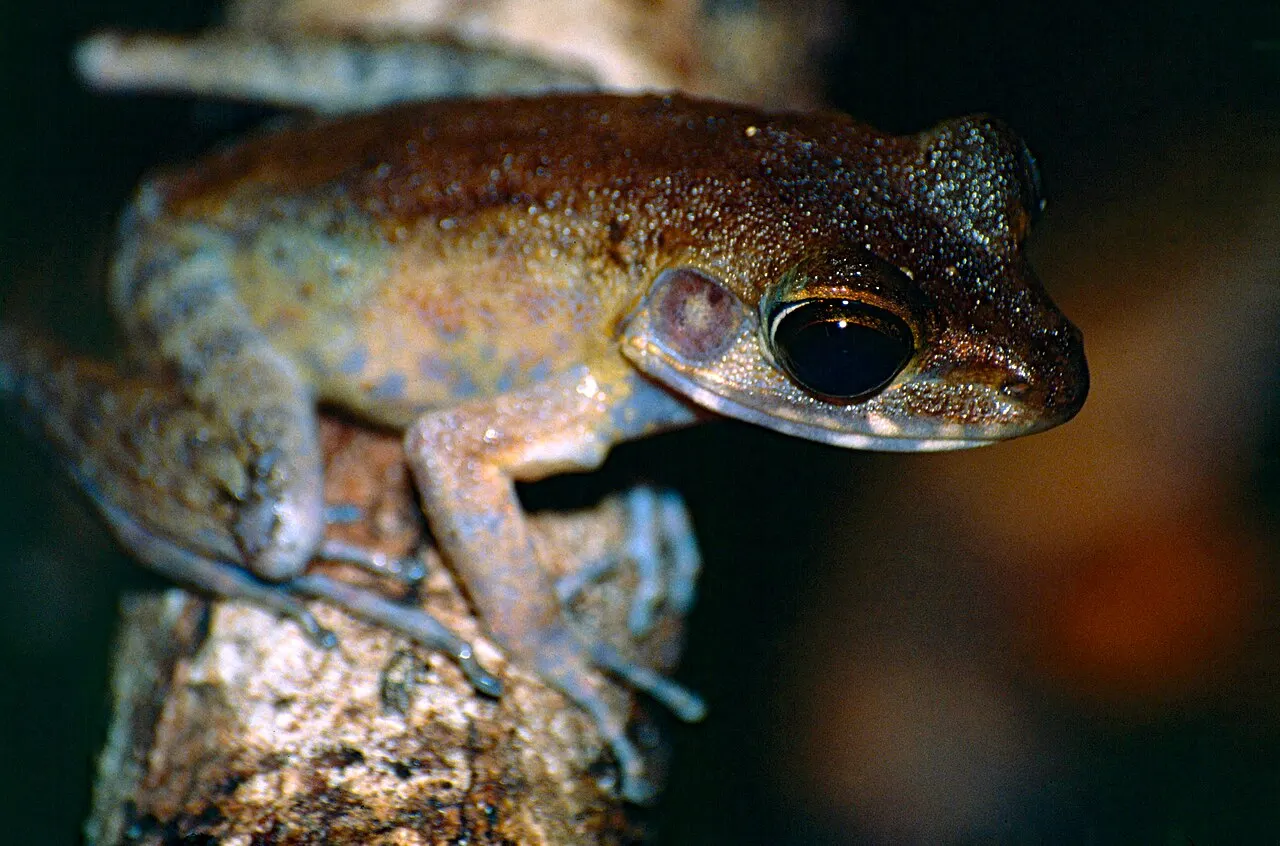
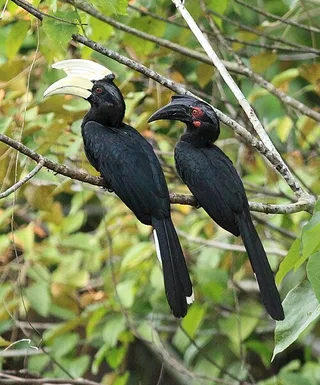
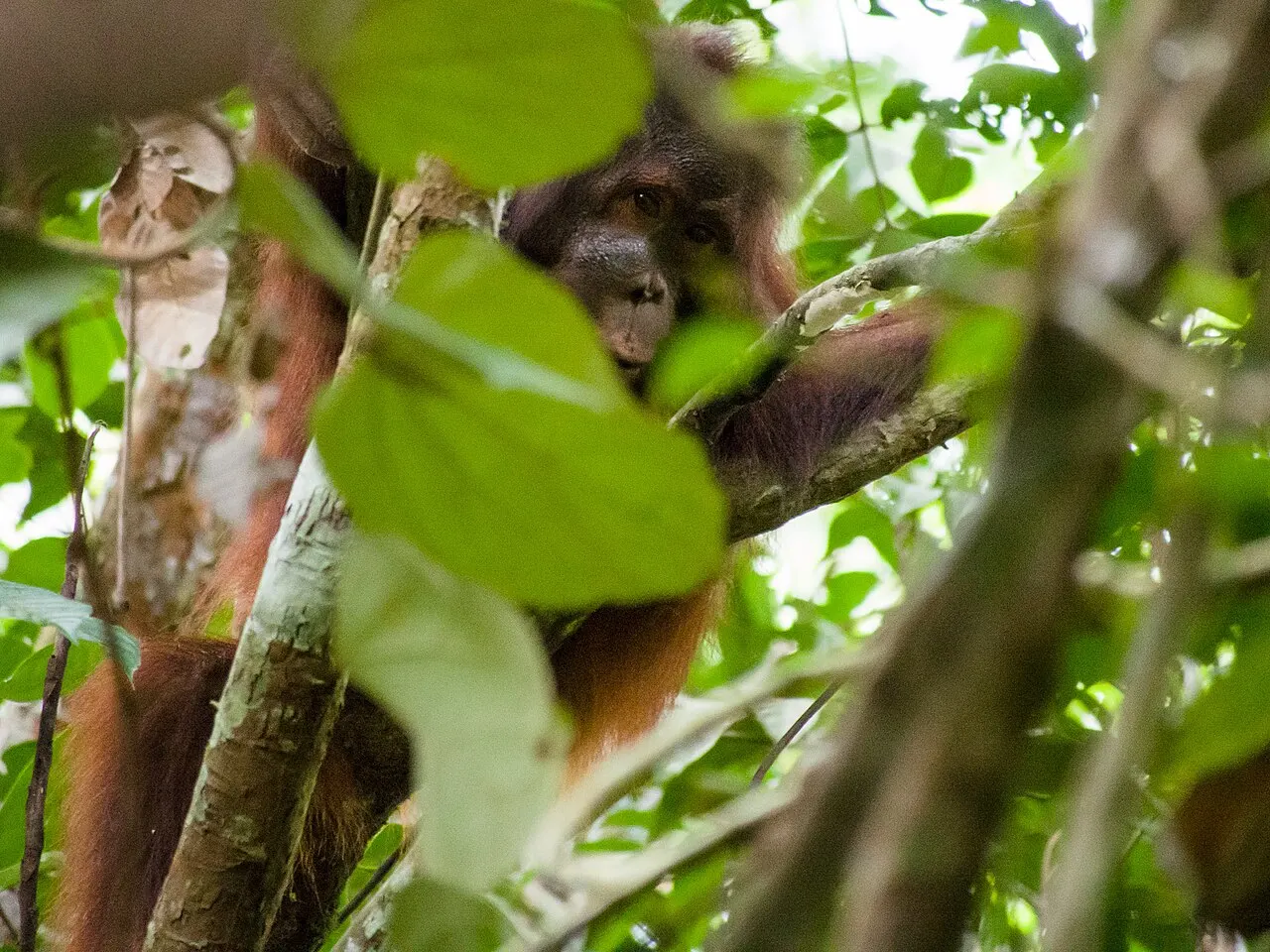
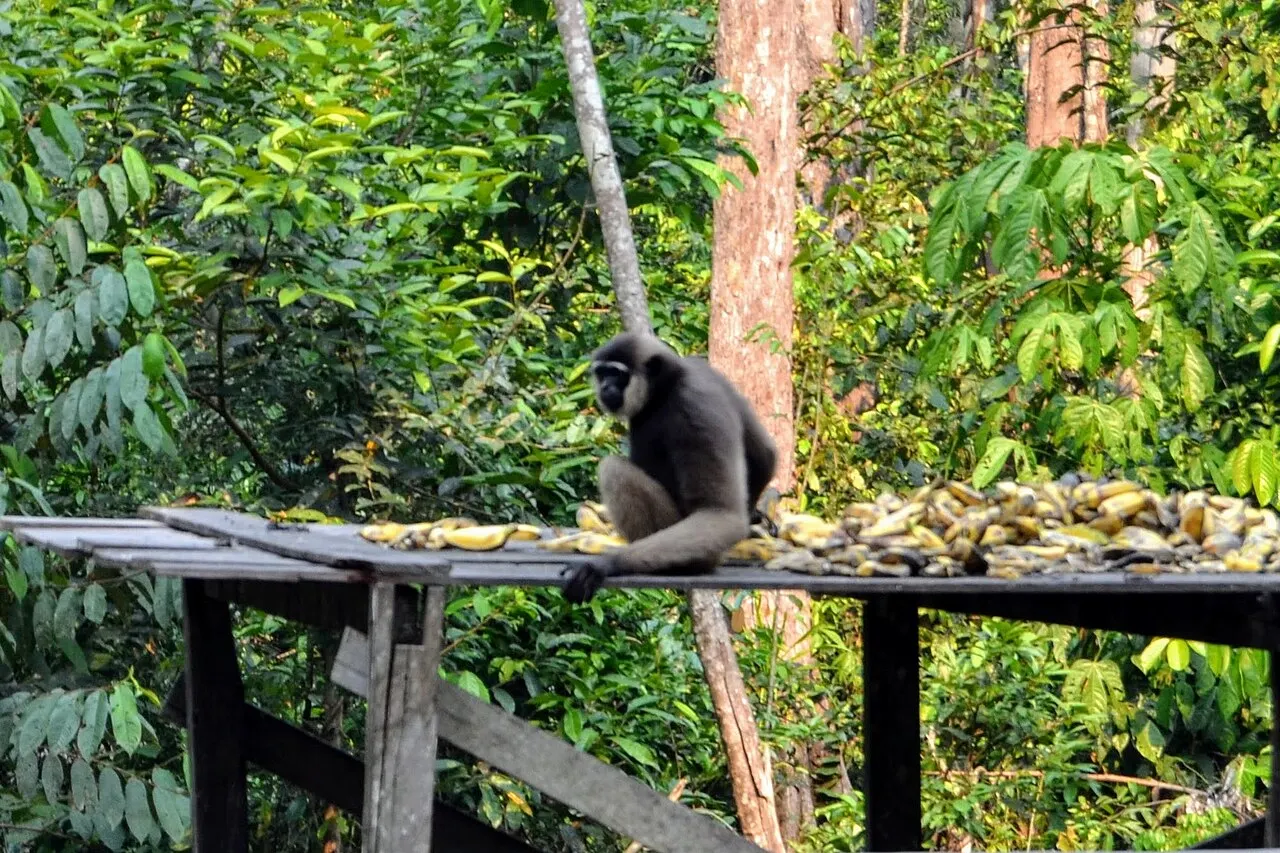
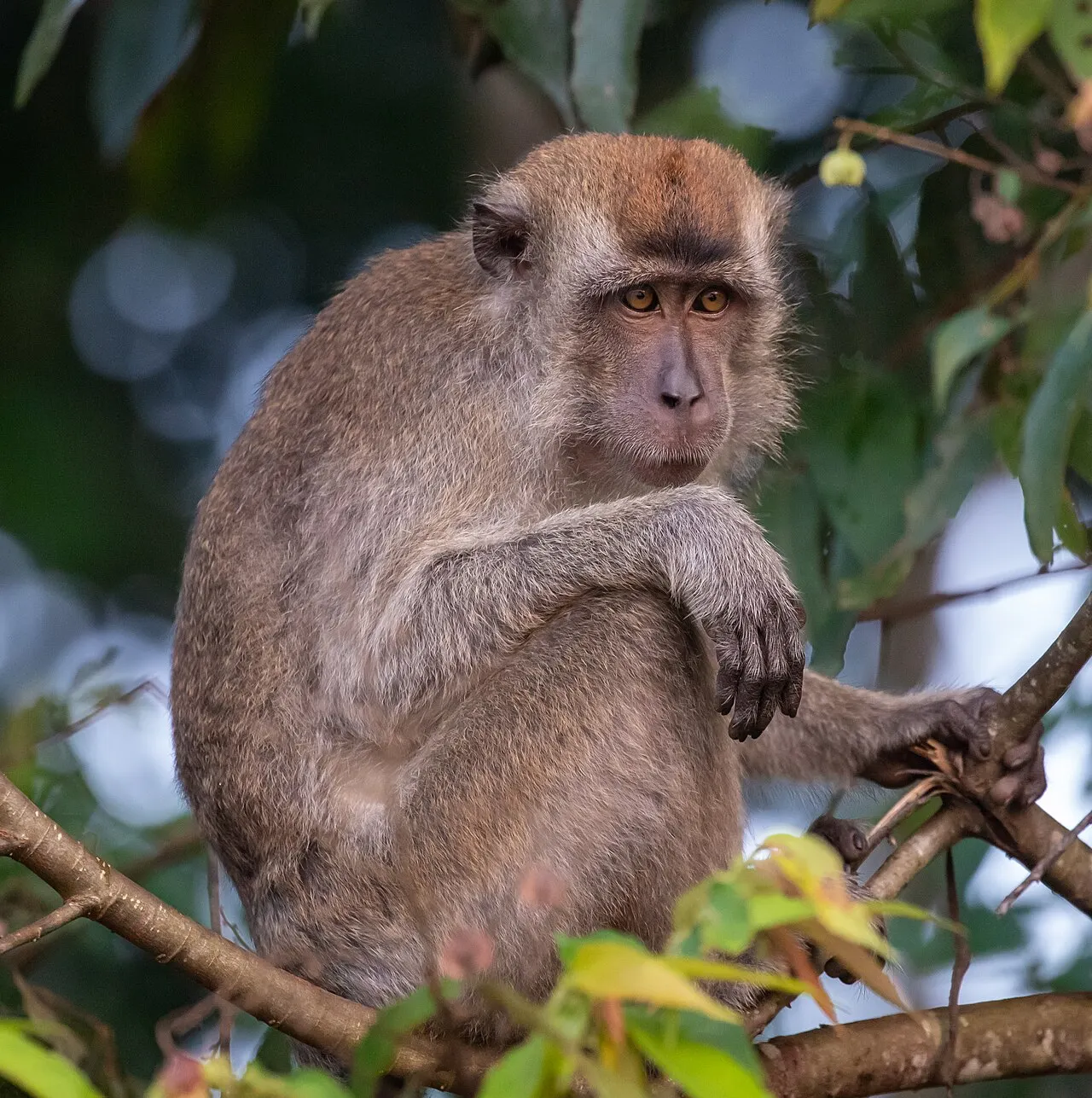
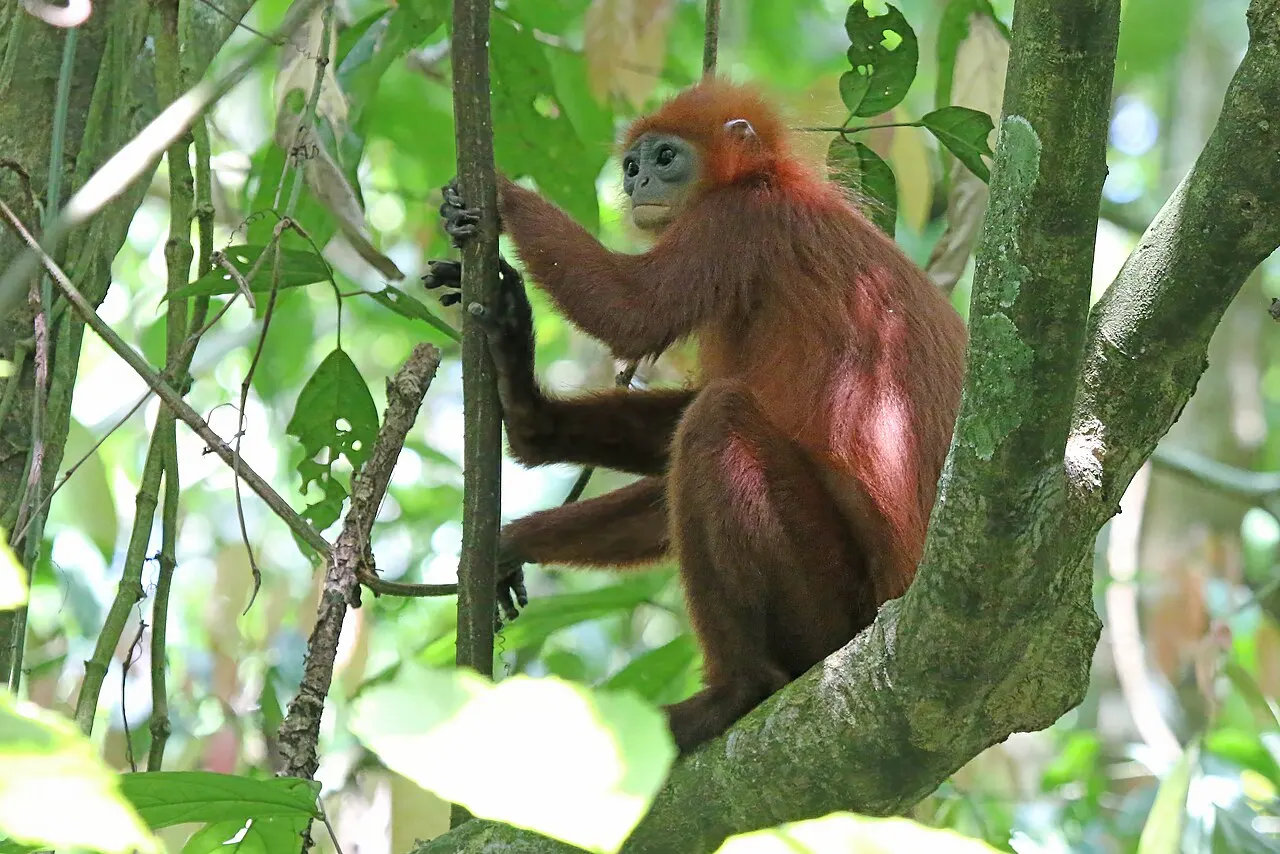
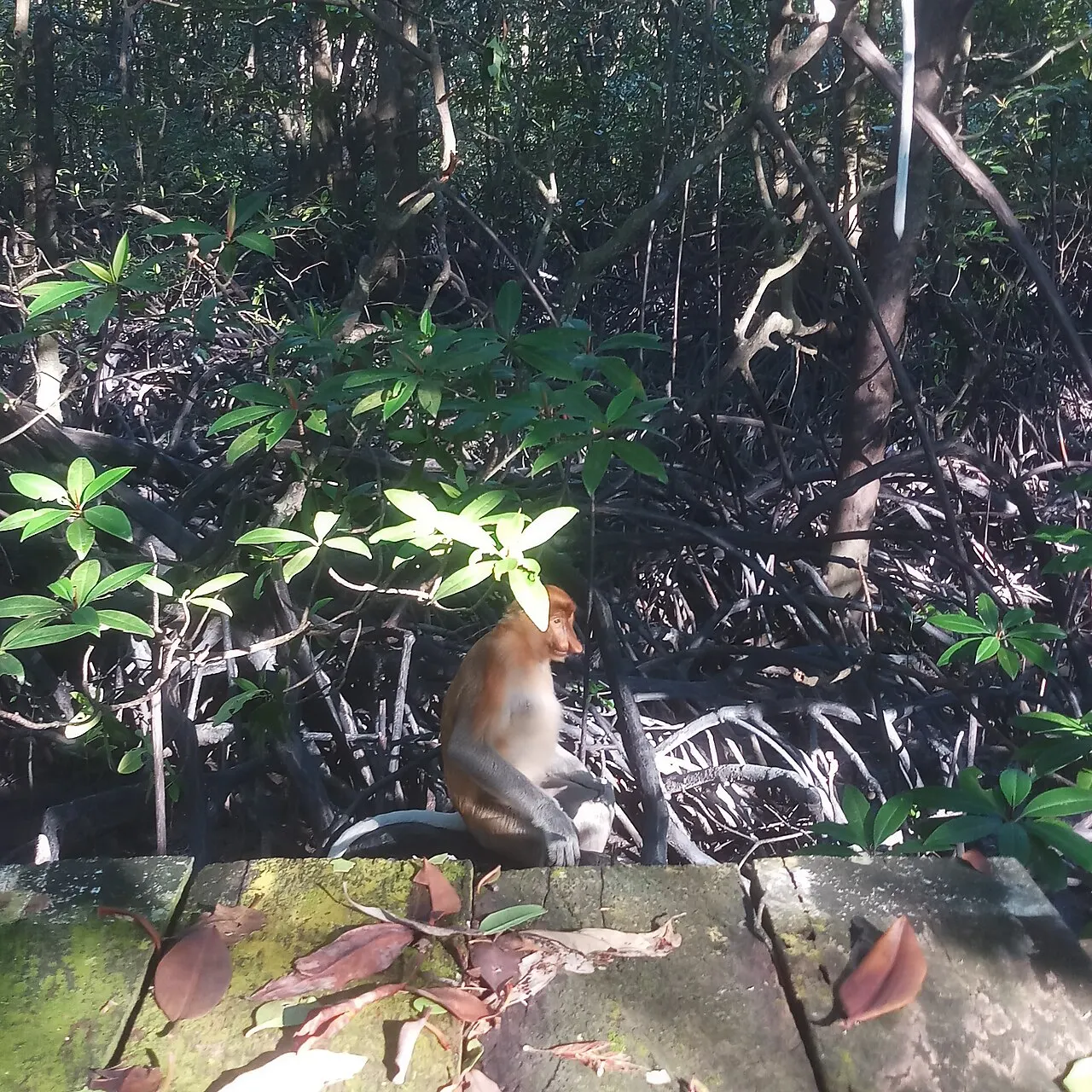
Examples in the linked species profiles include Bornean orangutan, Proboscis monkey, Bornean white-bearded gibbon, Maroon langur. Their profiles identify the particular locality and evidence. A habitat association does not mean the species occurs in every patch of that habitat.
Sources & references · 25
WWF · Bornean orangutanUniversity of Michigan, Animal Diversity Web · Bornean orangutan: natural historyOrangutan Foundation International Australia · Orangutan behaviourMires and Peat · Husson et al. (2018), Biodiversity of the Sebangau tropical peat swamp forest, Indonesian BorneoDirectorate General KSDAE, Ministry of Forestry · Profil TN SebangauUNESCO Man and the Biosphere Programme · Tanjung Puting Biosphere ReserveAmerican Society of Mammalogists, Mammal Diversity Database · Pongo pygmaeus: taxonomyWWF · Bornean orangutan: conservation and threatsKSDAE, Ministry of Forestry · Mengenal flora dan fauna Taman Nasional KutaiMinistry of Environment and Forestry · Conservation sector work planSarawak Forestry Corporation · Batang Ai National ParkUniversiti Malaysia Sarawak / Conservation and Society · Research article by Zander et al., 2015Sabah Forestry Department · Wildlife ManagementUniversity of Michigan, Animal Diversity Web · Proboscis monkey: natural historyAmerican Society of Mammalogists, Mammal Diversity Database · Nasalis larvatus: taxonomyRamsar Secretariat · Indonesia annotated Ramsar sitesMinistry of Forestry · World Wetlands Day 2026 in TarakanUniversiti Malaysia Sarawak · Population and Density Estimation of Proboscis Monkey (Nasalis larvatus) at Bako National Park, Sarawak, MalaysiaGovernment of Brunei Darussalam / Forestry Department · Fourth National Report to the Convention on Biological Diversity: Brunei Darussalamwww.esabii.biodic.go.jp · Bornean white-bearded gibbon: natural historyonlinelibrary.wiley.com · Bornean white-bearded gibbon: natural historyAmerican Society of Mammalogists, Mammal Diversity Database · Hylobates albibarbis: taxonomypubmed.ncbi.nlm.nih.gov · Maroon langur: natural historypubmed.ncbi.nlm.nih.gov · Maroon langur: natural historyAmerican Society of Mammalogists, Mammal Diversity Database · Presbytis rubicunda: taxonomyProtected areas
Documented landscapes to explore include Sebangau National Park, Tanjung Puting National Park, Danau Sentarum National Park, Bako National Park, Tasek Merimbun Heritage Park. These areas contain habitat mosaics; the habitat does not cover their entire surface. Check each area’s access information before a visit.