Recognition
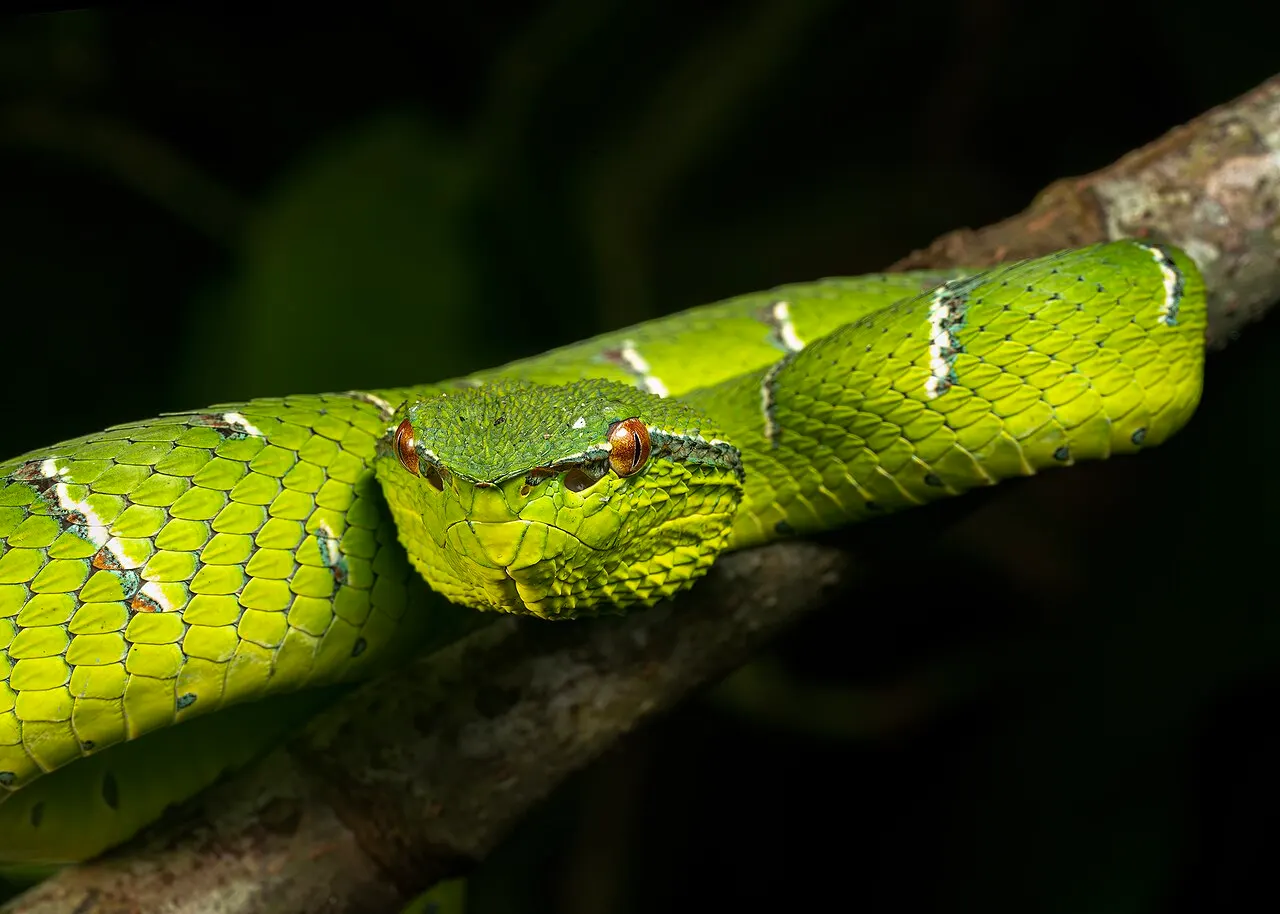
This arboreal pit viper is documented in Punggualas.
Sources & references · 2
Universitas Palangka Raya · Maulidi et al. (2020), Inventory and Conservation Status of Herpetofauna in Punggualas, Sebangau National Parkreptile-database.reptarium.cz · Bornean keeled pit viper: natural historyDaily life
Males, juveniles and adult females differ in their patterns and coloring. Its range also includes islands outside Borneo. It is venomous and must be observed without approaching or handling it.
Sources & references · 2
Universitas Palangka Raya · Maulidi et al. (2020), Inventory and Conservation Status of Herpetofauna in Punggualas, Sebangau National Parkreptile-database.reptarium.cz · Bornean keeled pit viper: natural historyRange and local records
Published research has documented this species at Punggualas, Sebangau National Park. These observations provide a historical picture of its Bornean forest range.
Sources & references · 1
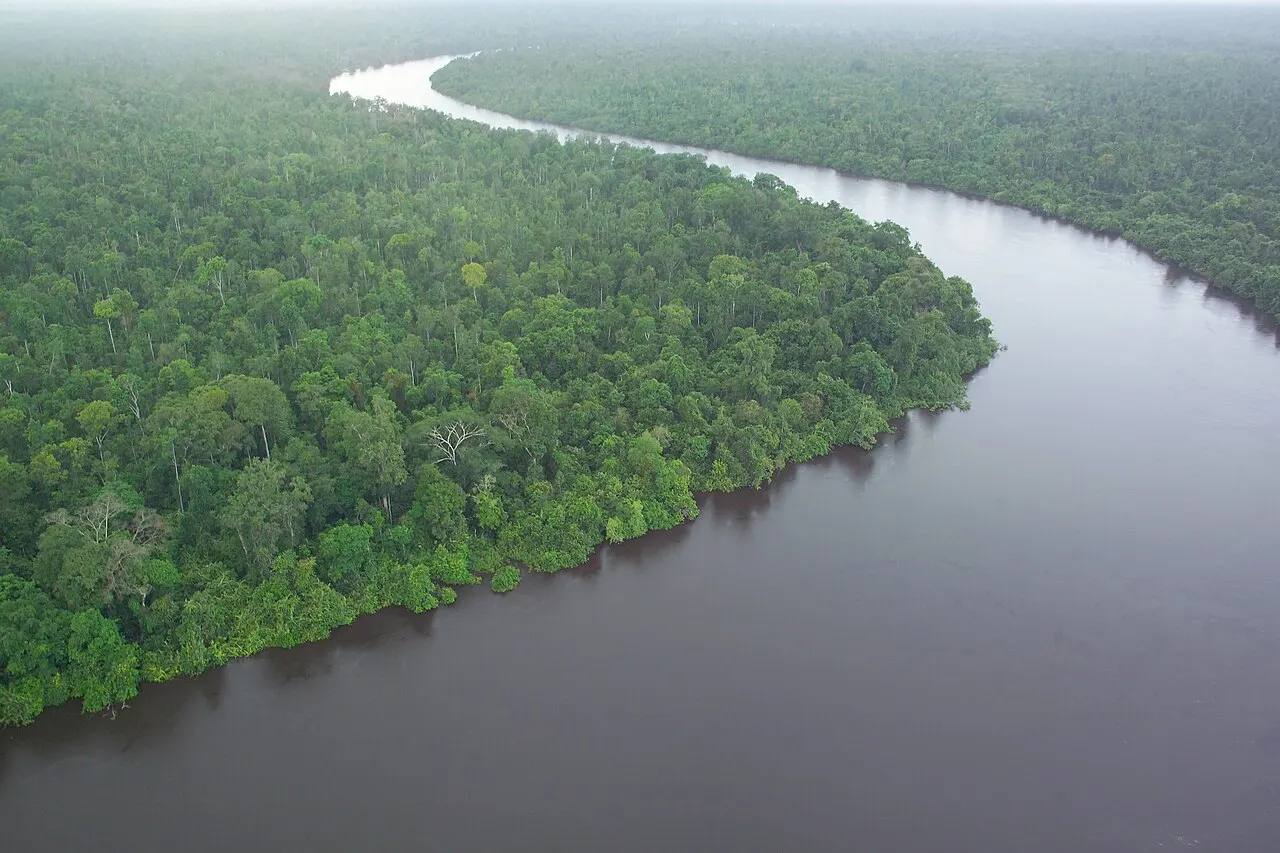
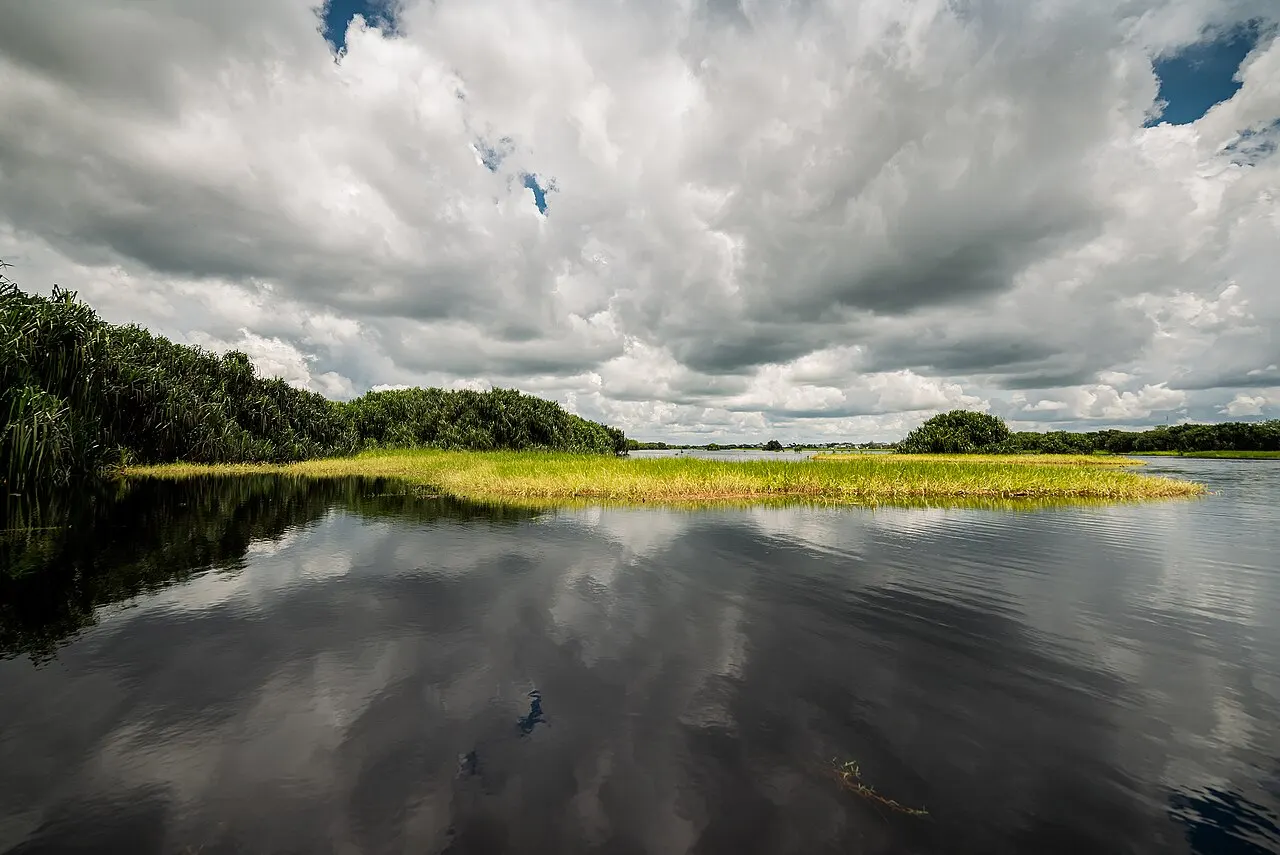
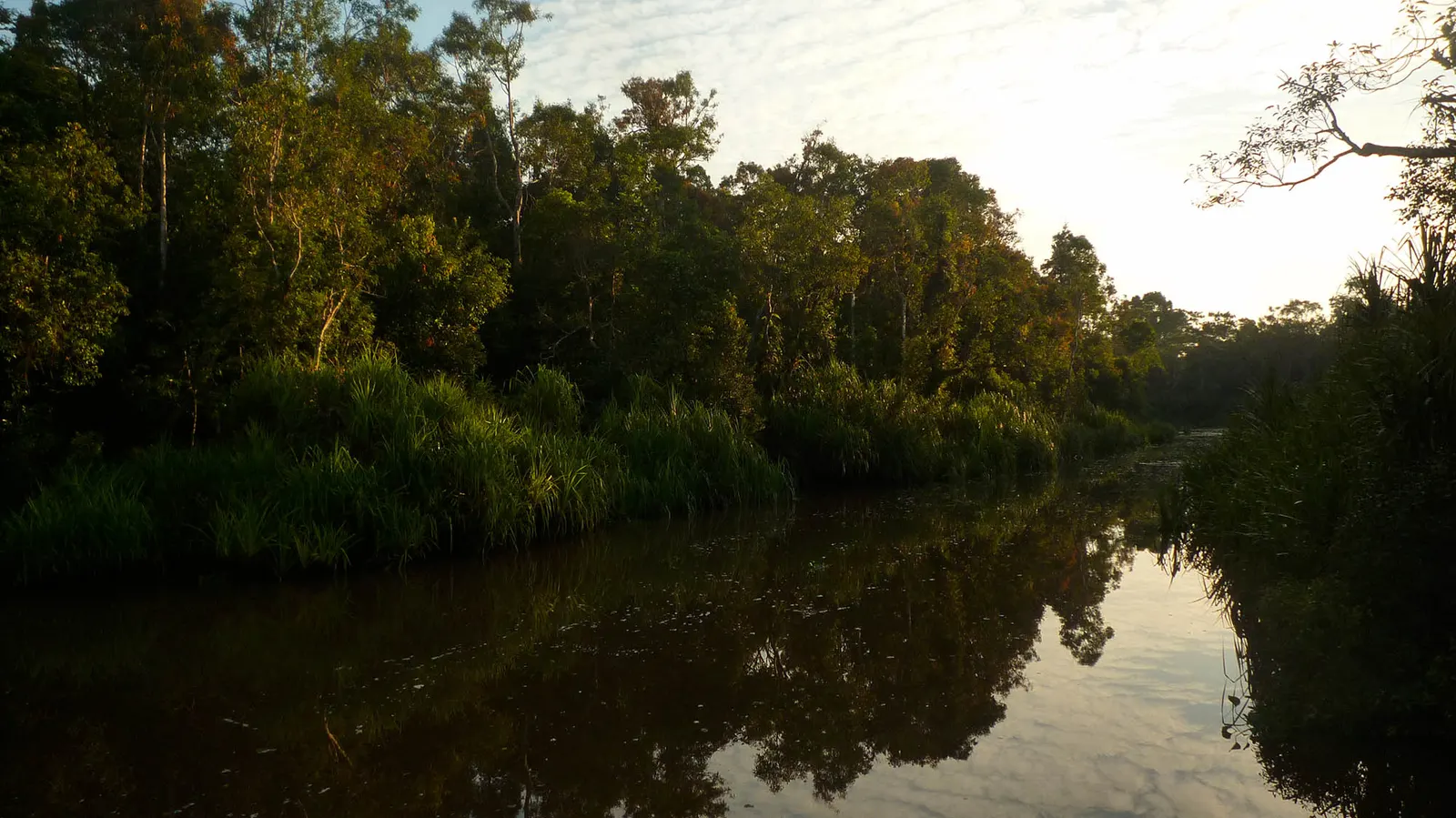
Universitas Palangka Raya · Maulidi et al. (2020), Inventory and Conservation Status of Herpetofauna in Punggualas, Sebangau National ParkForest and water
The linked habitat is the documented Sebangau peat-swamp landscape. Observation dates and locality remain attached to the evidence, so a park-wide abundance or sighting probability is not inferred.
Sources & references · 1
Universitas Palangka Raya · Maulidi et al. (2020), Inventory and Conservation Status of Herpetofauna in Punggualas, Sebangau National ParkStillness among the branches
Radio tracking at Kubah followed five snakes in 2019–2020. Branches were their most frequently used supports; horizontal movement was limited, and animals could remain motionless for days or weeks. Dense foliage sometimes hid tracked snakes high in the canopy. Stillness therefore should not be mistaken for absence or inactivity everywhere.
Sources & references · 1
Veronica Anak Martin / Universiti Malaysia Sarawak MSc thesis · Spatial Ecology, Thermal Biology and Prey Behaviour of the Bornean Keeled Pit-viperA strike followed by patient handling
Experiments with four wild-collected females documented prey watching, repositioning, striking, waiting and swallowing. The offered prey were laboratory rats, so the work reveals handling behaviour rather than wild prey proportions. A brief strike is only part of feeding; careful processing continues after capture.
Sources & references · 1
Veronica Anak Martin and Indraneil Das / Malayan Nature Journal74:337–346 · Prey-handling in the Bornean Keeled Pit-viper Tropidolaemus subannulatusMore than one kind of forest
The researcher's Bako account describes a strictly tree-dwelling viper with heat-sensitive facial pits. Documented Sarawak localities span sandstone hills, Mulu's alluvial forest and Kota Samarahan peat swamp. These habitat differences show why a single forest label is restrictive. The name Bornean does not imply island endemism.