Range & habitat
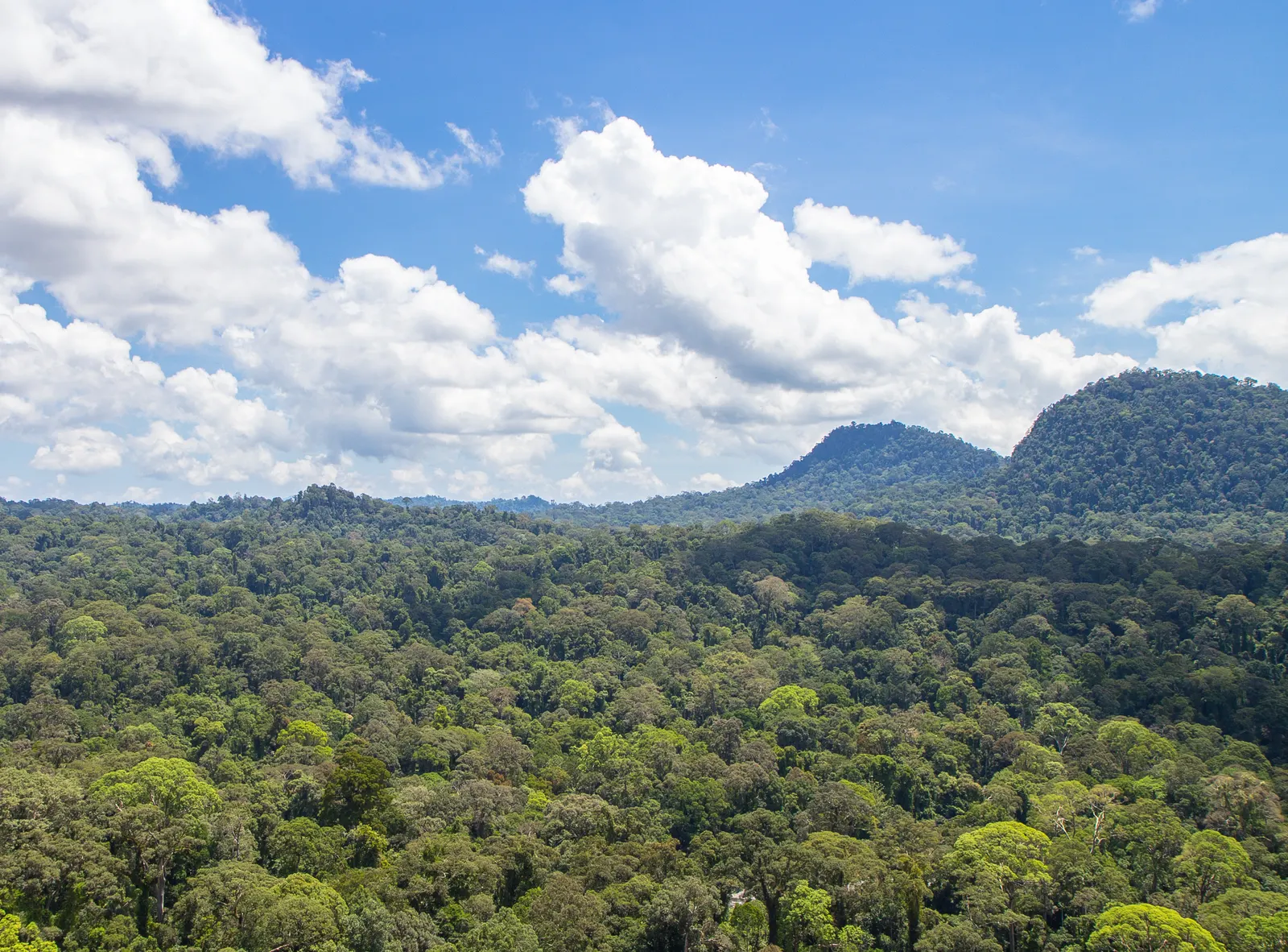
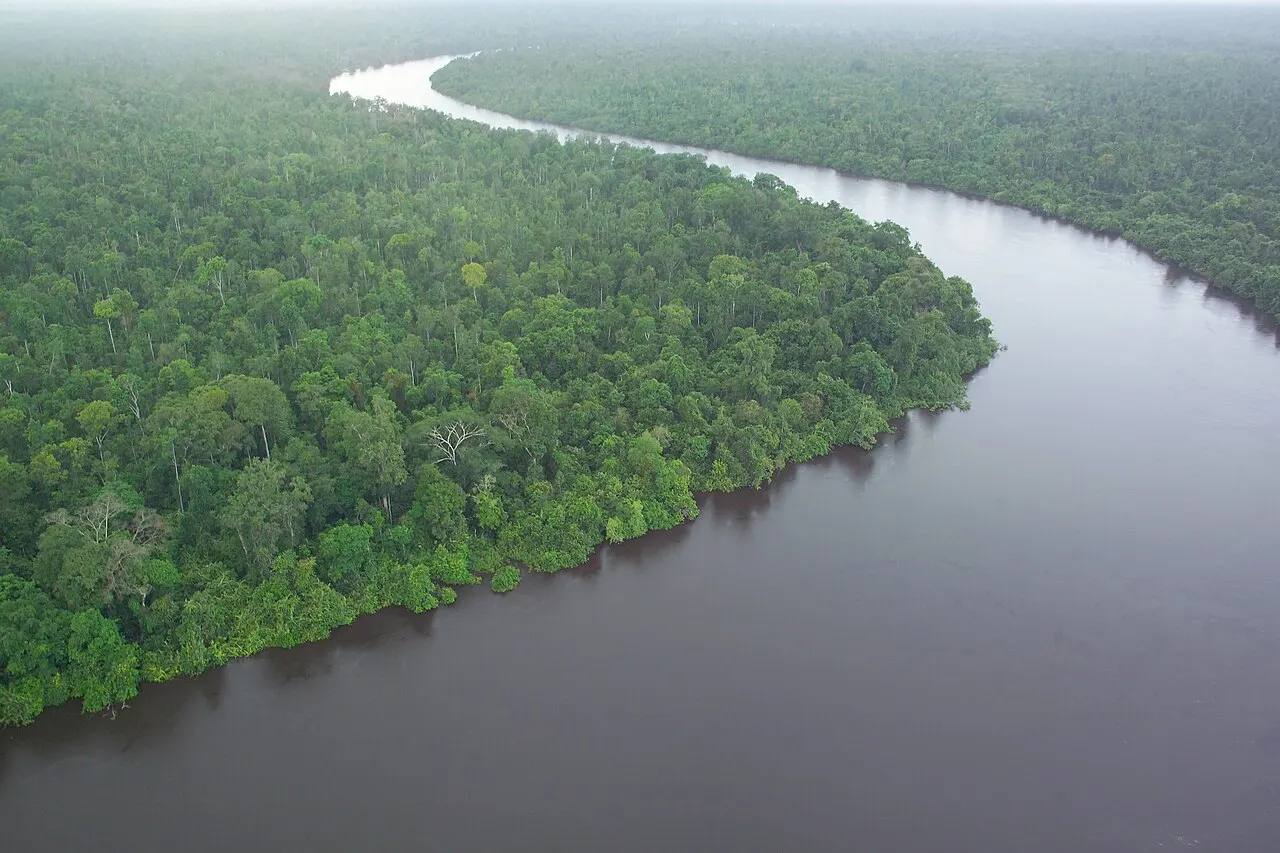
Terentang is a swamp-forest tree in Anacardiaceae, the same family as mangoes but with a very different role in the landscape. Brunei’s forest inventory lists it among characteristic peat-swamp trees alongside Combretocarpus and swamp dipterocarps. Its occurrence illustrates that a peat forest is a mixed community, rather than a stand of one famous timber species.
Sources & references · 1
FAO · Brunei Darussalam: forest resources and peat-swamp forest typesProtecting the plant and its habitat
The surrounding peat and water regime are central to conserving this forest community. Drainage exposes peat to drying and fire, while replacing forest with a uniform plantation removes much of its botanical variety. Terentang belongs in a discussion of whole wetland systems, together with alan and swamp kapur. The regional forest inventory describes forest composition, rather than an up-to-date count of individual trees.
Sources & references · 1
FAO · Brunei Darussalam: forest resources and peat-swamp forest typesAppearance & recognition
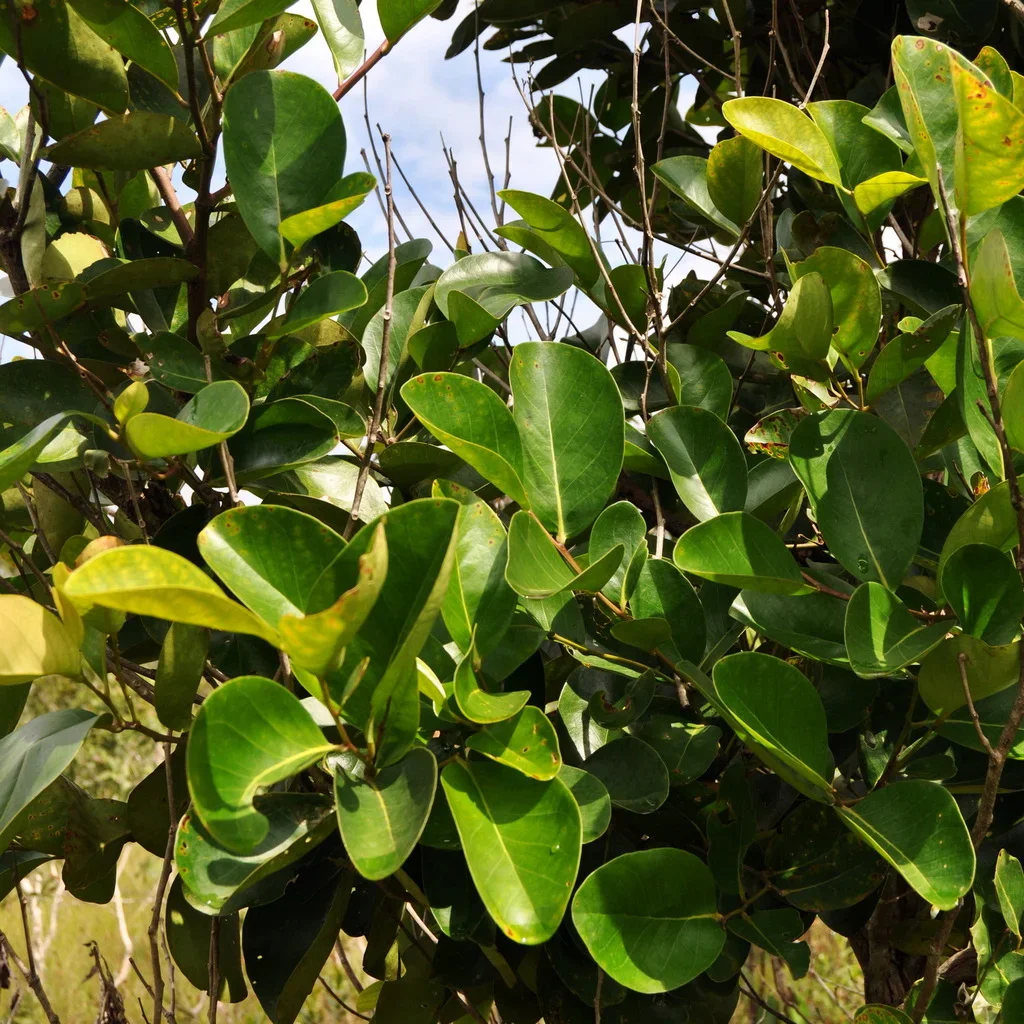
Terentang can reach about 40 metres. Large leaves have hairy undersides and lack the ear-like basal lobes found in some relatives. Branching flower clusters develop small fruits that turn black. In swamp conditions the tree may form supporting roots and breathing roots. These features give a clearer picture than the timber name alone: the tree is adapted to wet, nutrient-poor ground, while occasional populations also occur in mixed forest.
Sources & references · 1
PROSEA, Ani Sulaiman · Campnosperma coriaceum: description and forest ecologyEcological relationships
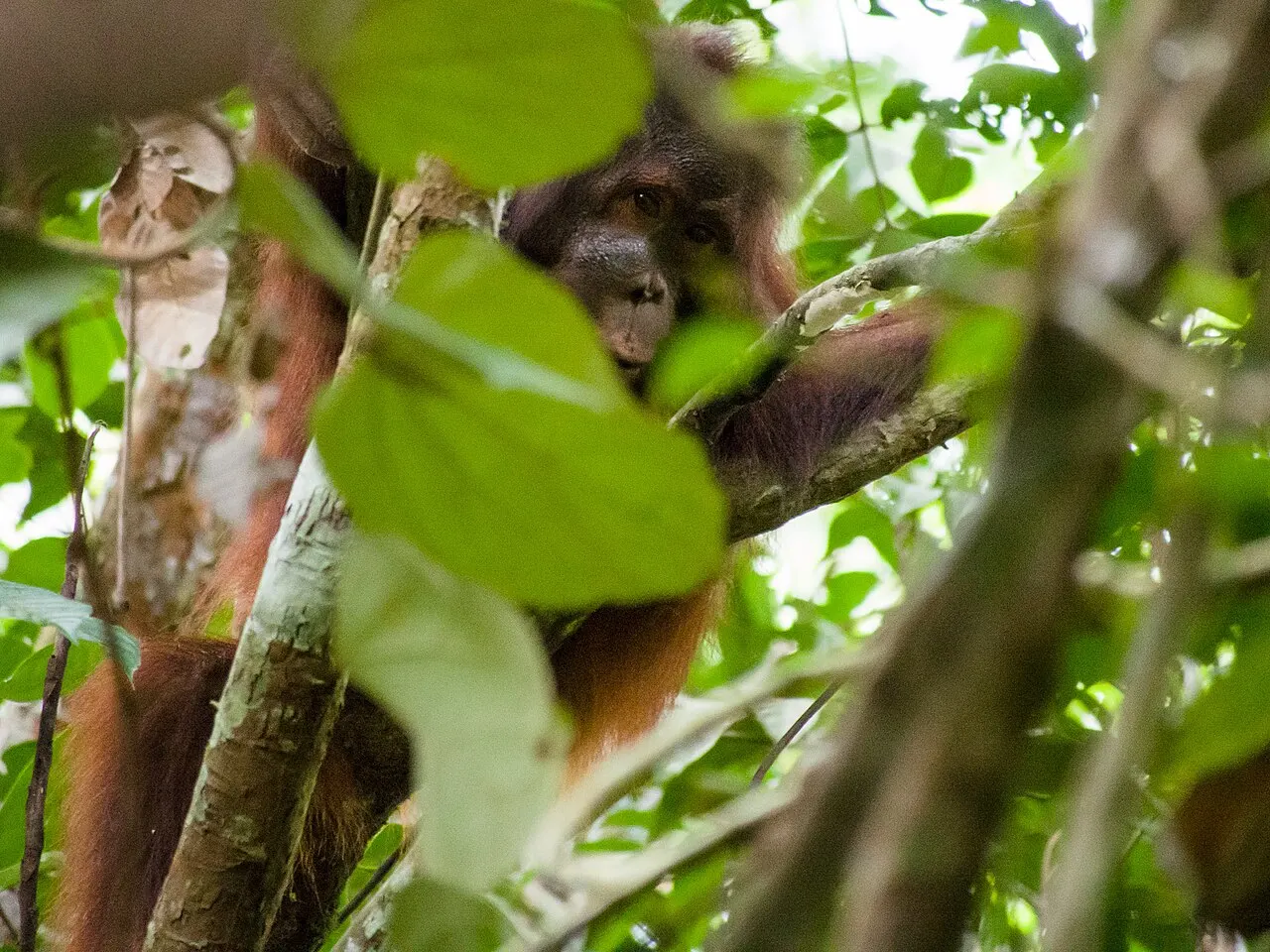
In Sebangau’s peat-swamp forest, Bornean orangutans consume cambium, the growing tissue beneath the bark. A field study distinguished Campnosperma coriaceum from tree species whose cambium was not eaten.