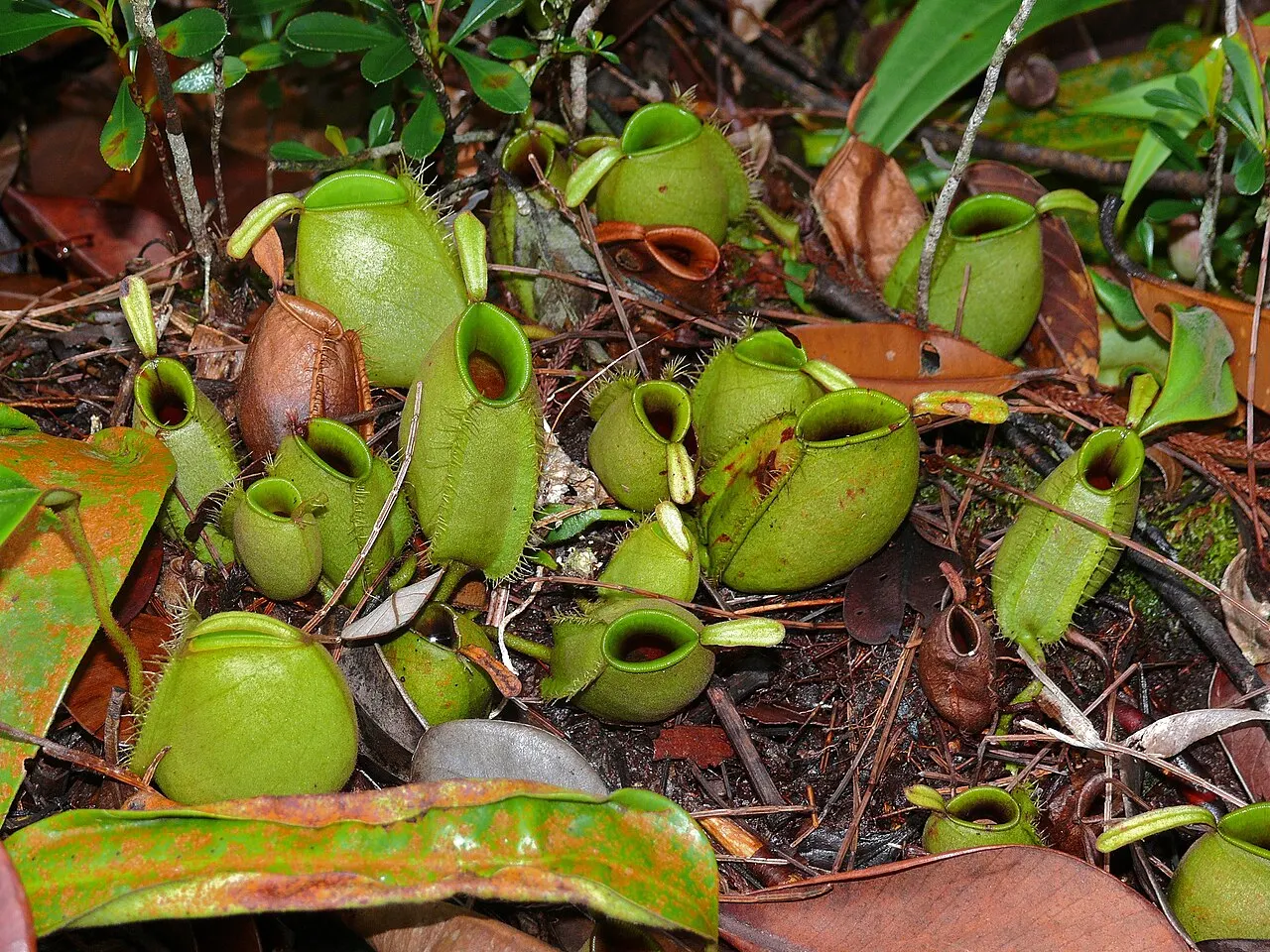
Merkmale
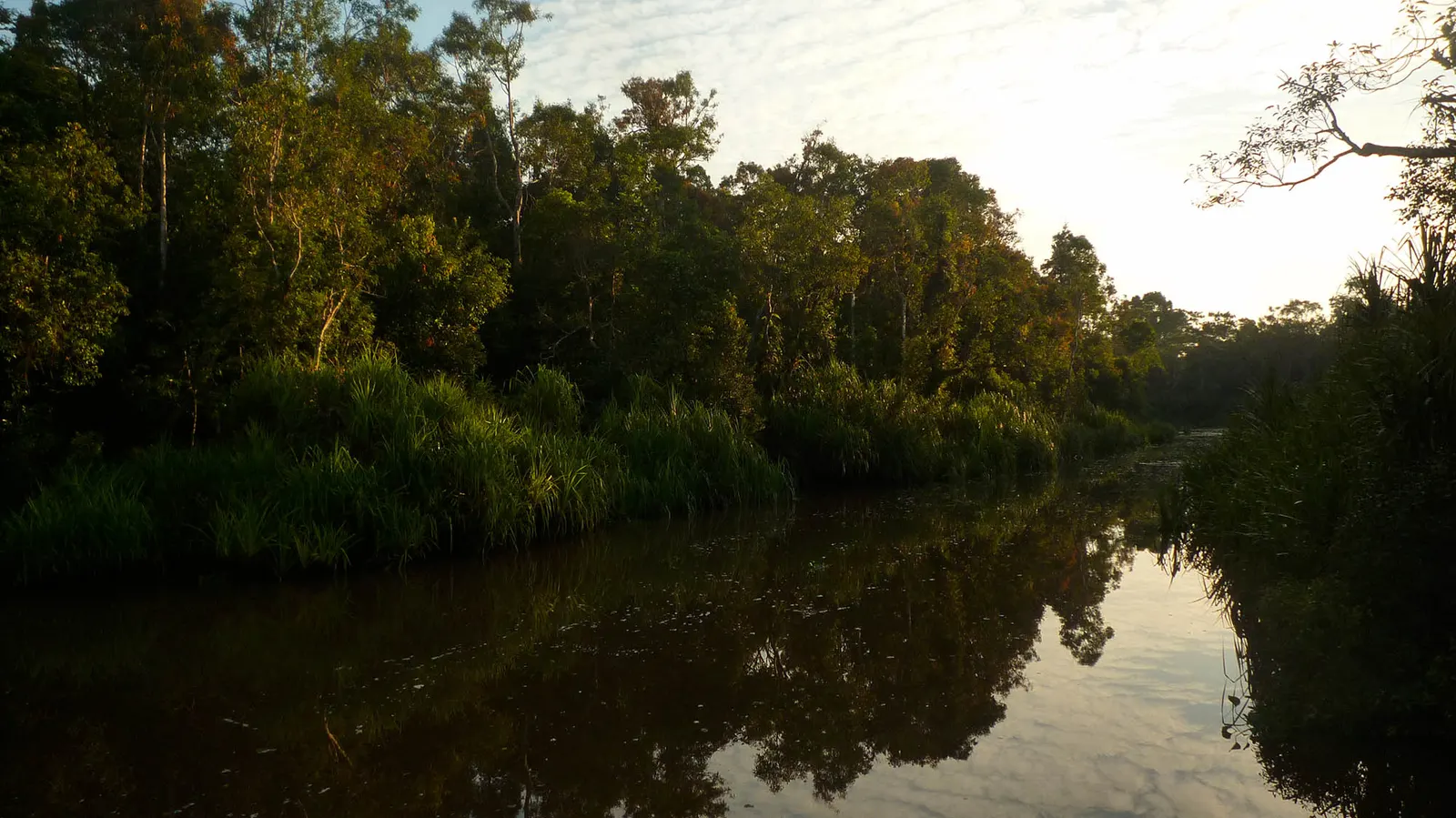
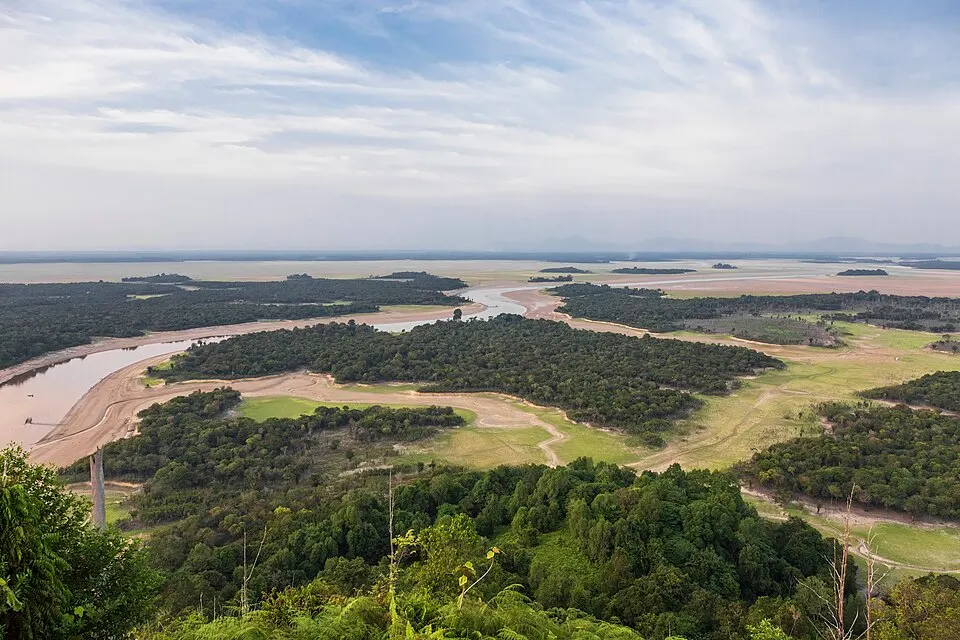
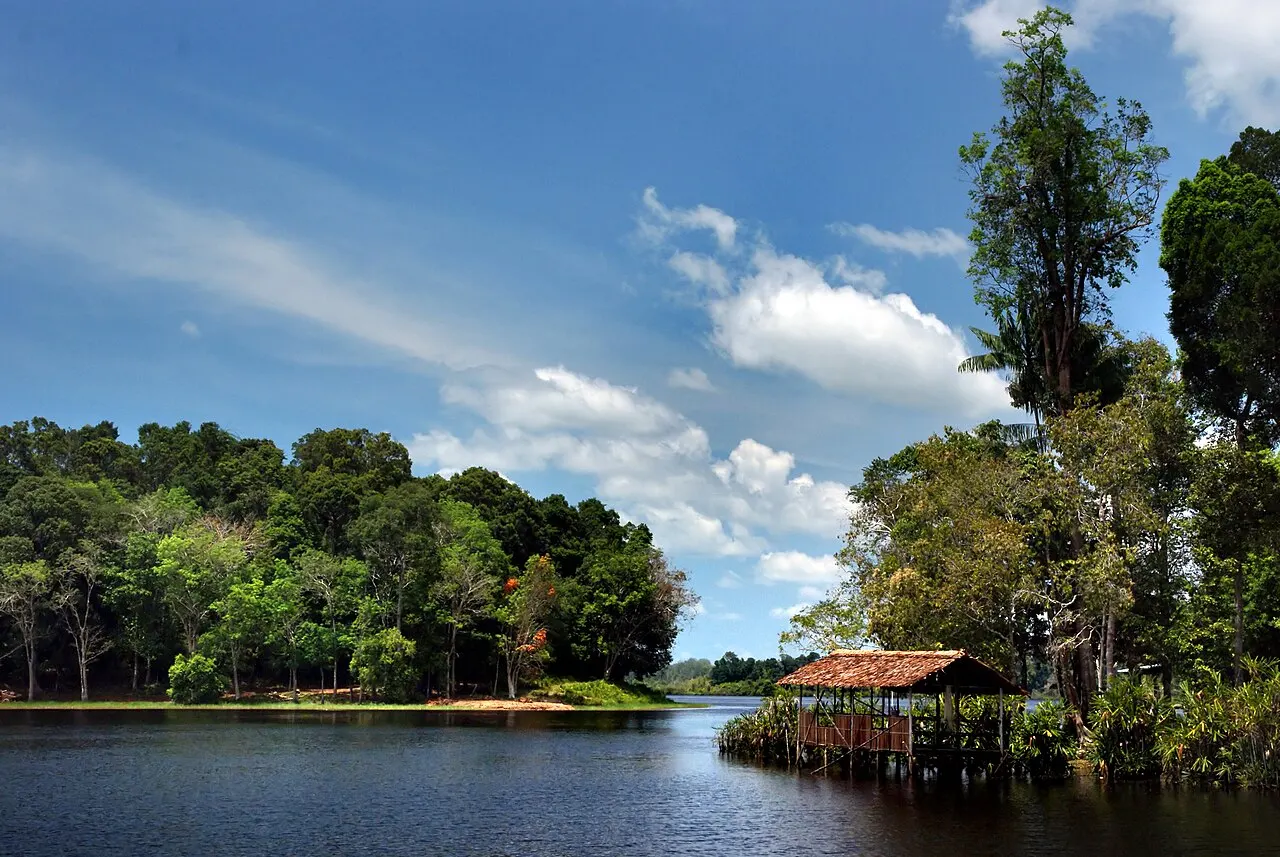
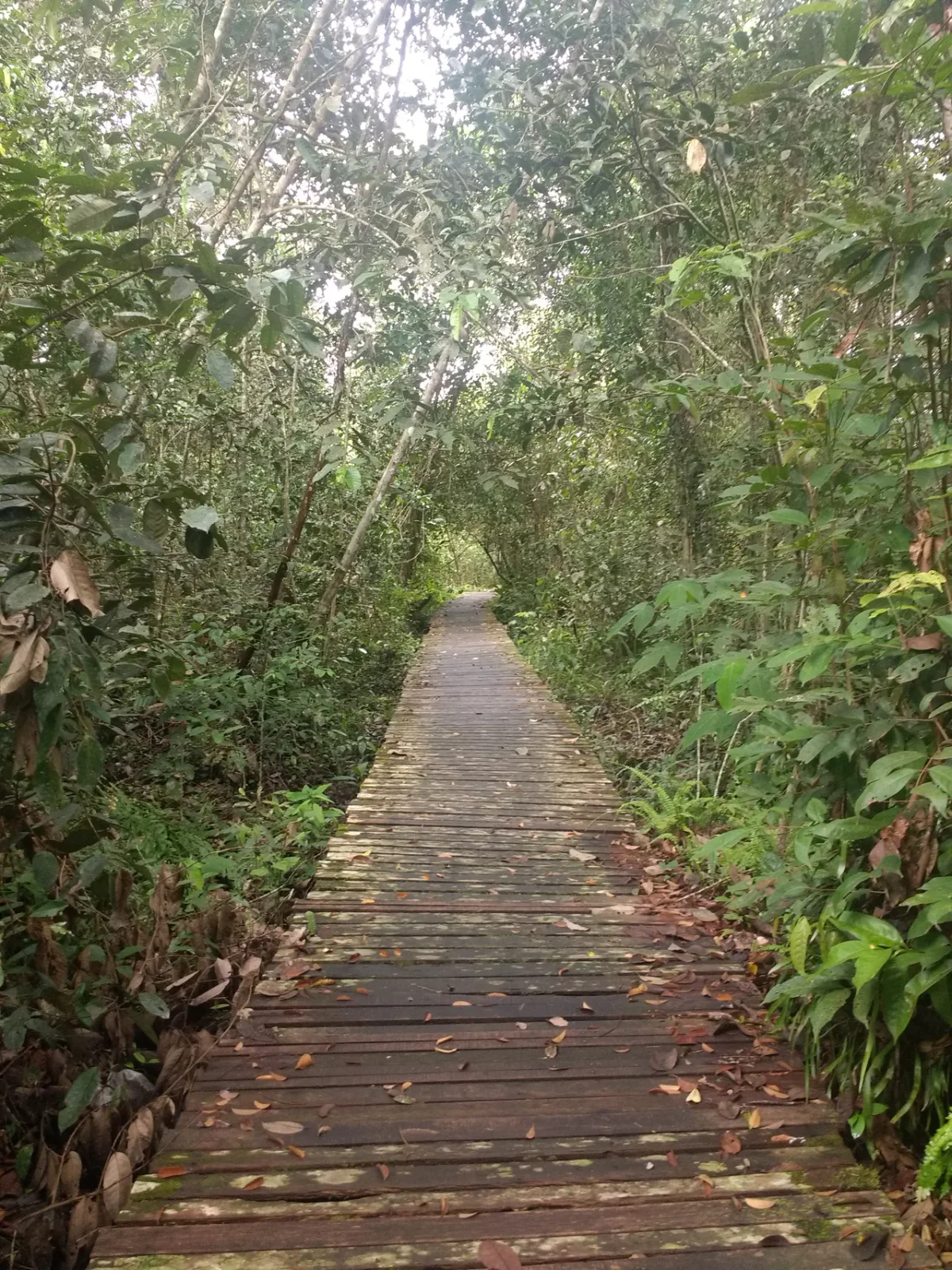
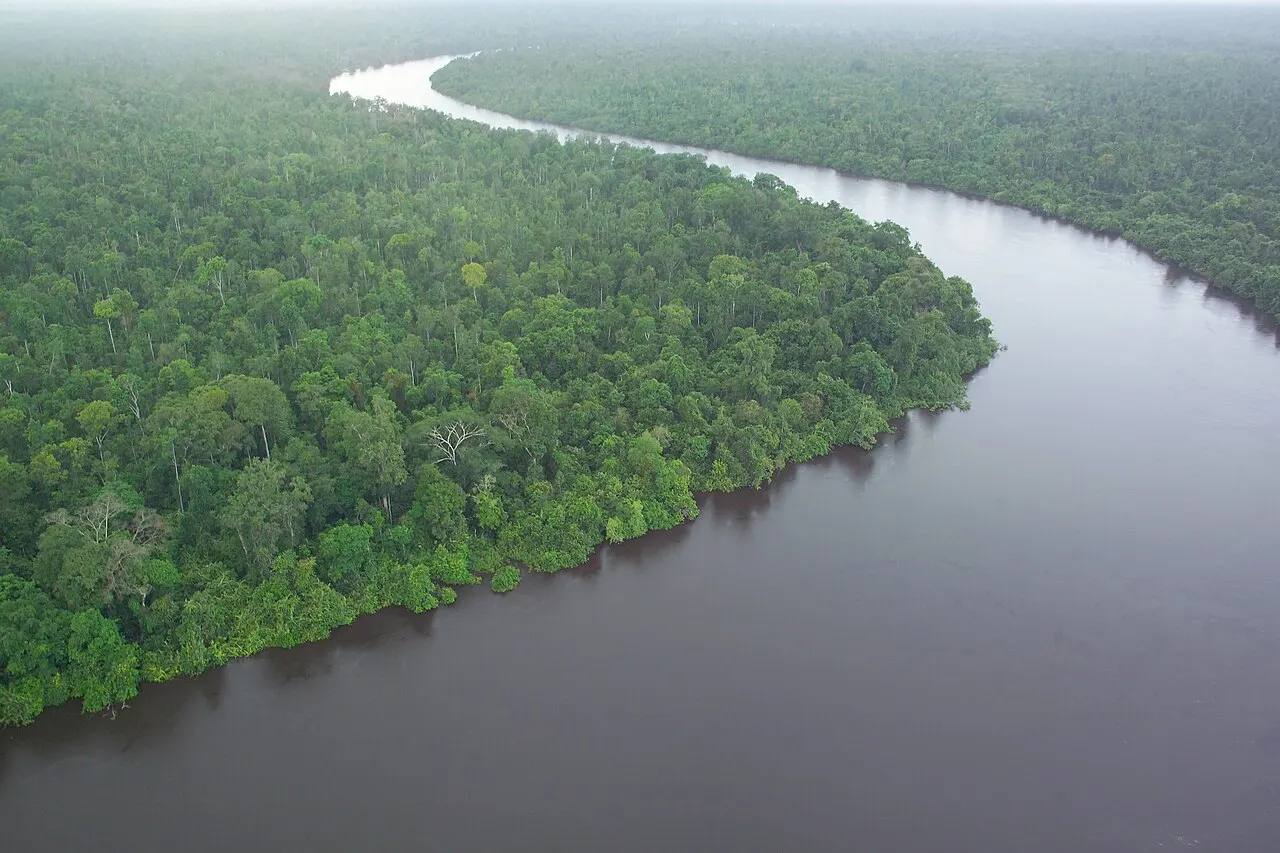
Sebangau bietet eine dokumentierte Torfsumpflandschaft; UNESCO nennt diesen Lebensraum auch in Tanjung Puting. Torf ist mehr als ein nasser Waldboden: Sein angesammeltes organisches Material und sein Wasserhaushalt sind zentral für Kohlenstoffspeicherung und die Unversehrtheit des Lebensraums.
Verbreitung
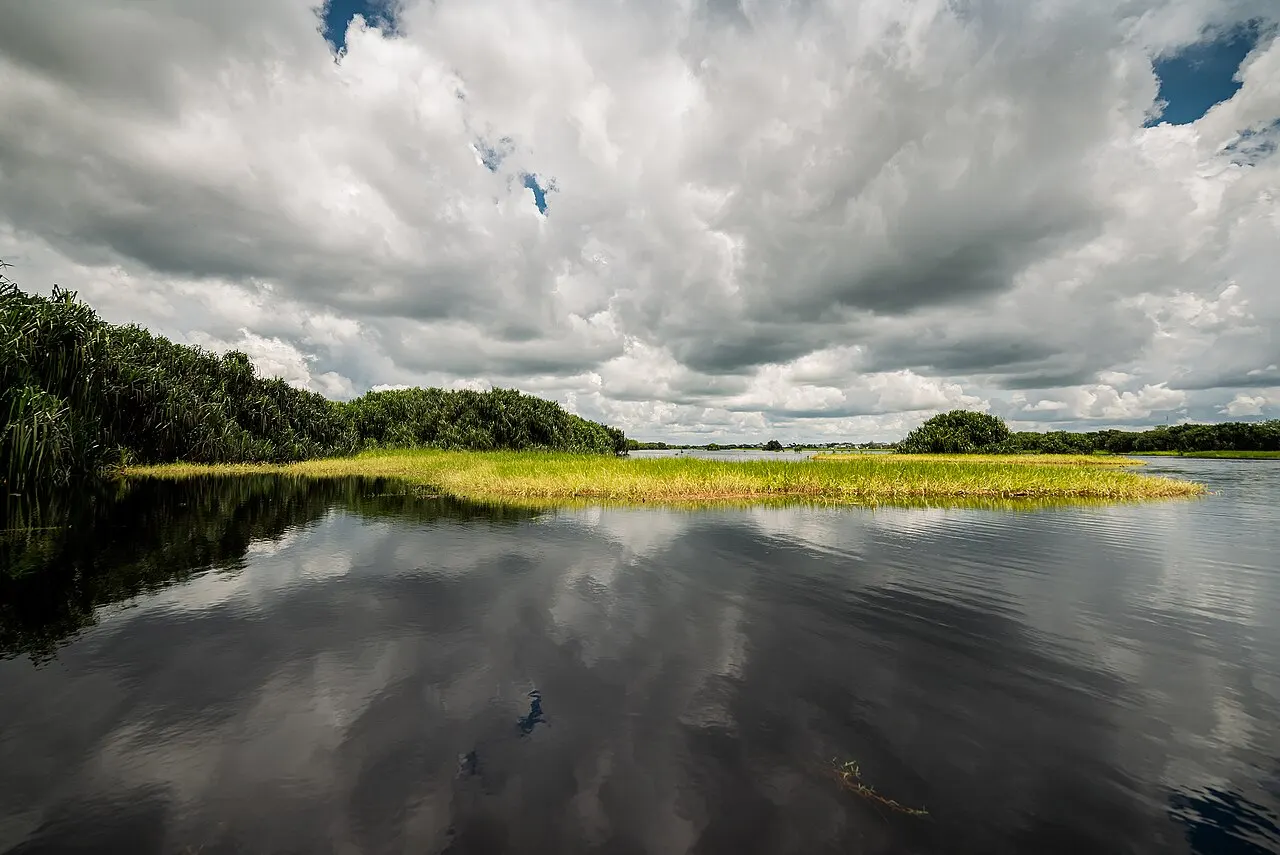
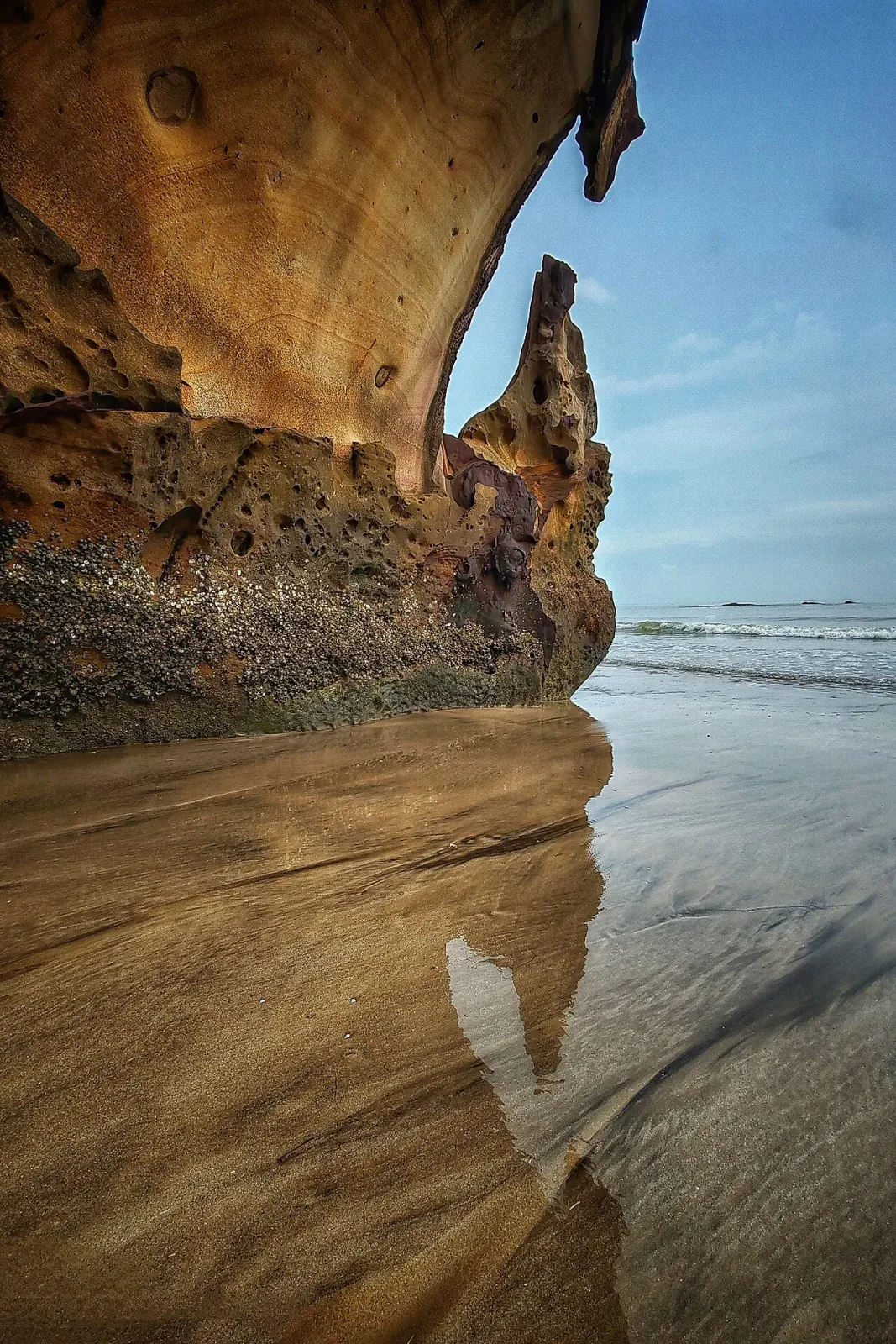
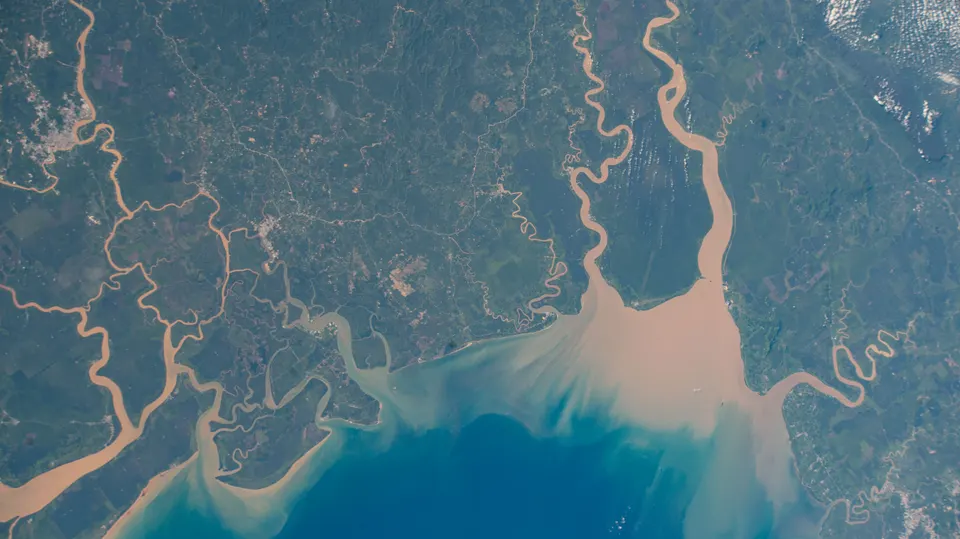
Dokumentierte Beispiele sind Sebangau und Tanjung Puting in Kalimantan, Bako in Sarawak sowie das Belait-Becken und Tasek Merimbun in Brunei. Sie bilden keine vollständige Verbreitungskarte der Insel.
Quellen & Referenzen · 4
Borneo Nature Foundation · Peatland restoration: rewetting the peatUNESCO Man and the Biosphere Programme · Tanjung Puting Biosphere ReserveGovernment of Brunei Darussalam / Forestry Department · Fourth National Report to the Convention on Biological Diversity: Brunei DarussalamSarawak Forestry Corporation · Bako National ParkÖkologische Bedeutung
Nasser Torf speichert organischen Kohlenstoff und trägt Waldlebensräume. Zum Schutz der Bäume muss auch Wasser im darunterliegenden Torf erhalten bleiben.
Bedrohungen
Alte Holztransportkanäle entwässern Sebangaus Torf und erhöhen das Brandrisiko. Kanalstaue von Naturschutzteams und Gemeinden halten Wasser zurück; Wiederherstellung verlangt fortlaufende Kontrolle.
Quellen & Referenzen · 1
Borneo Nature Foundation · Peatland restoration: rewetting the peatHier lebende Arten
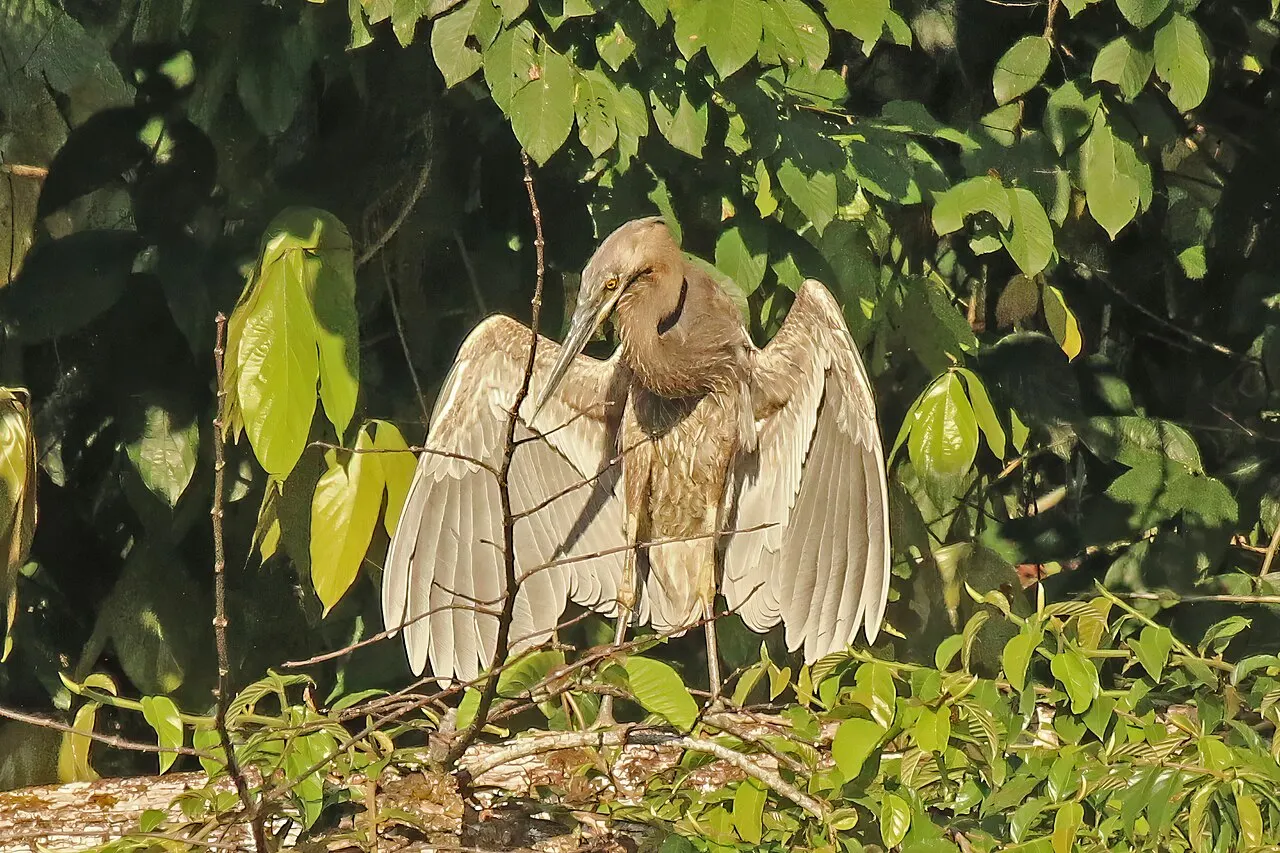
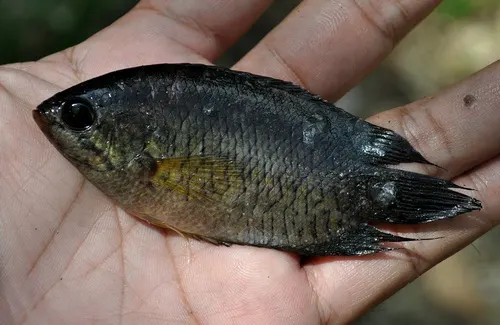
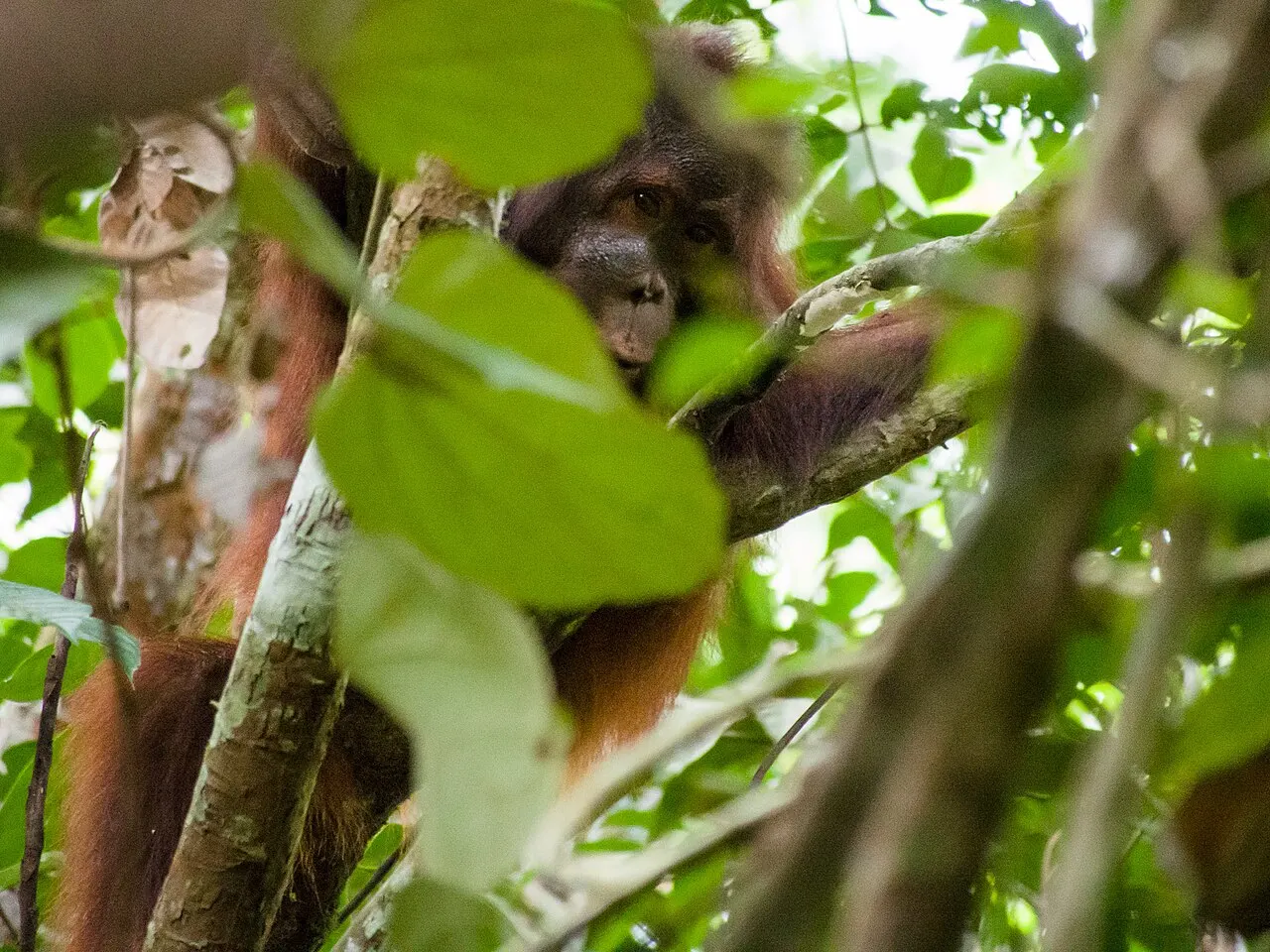
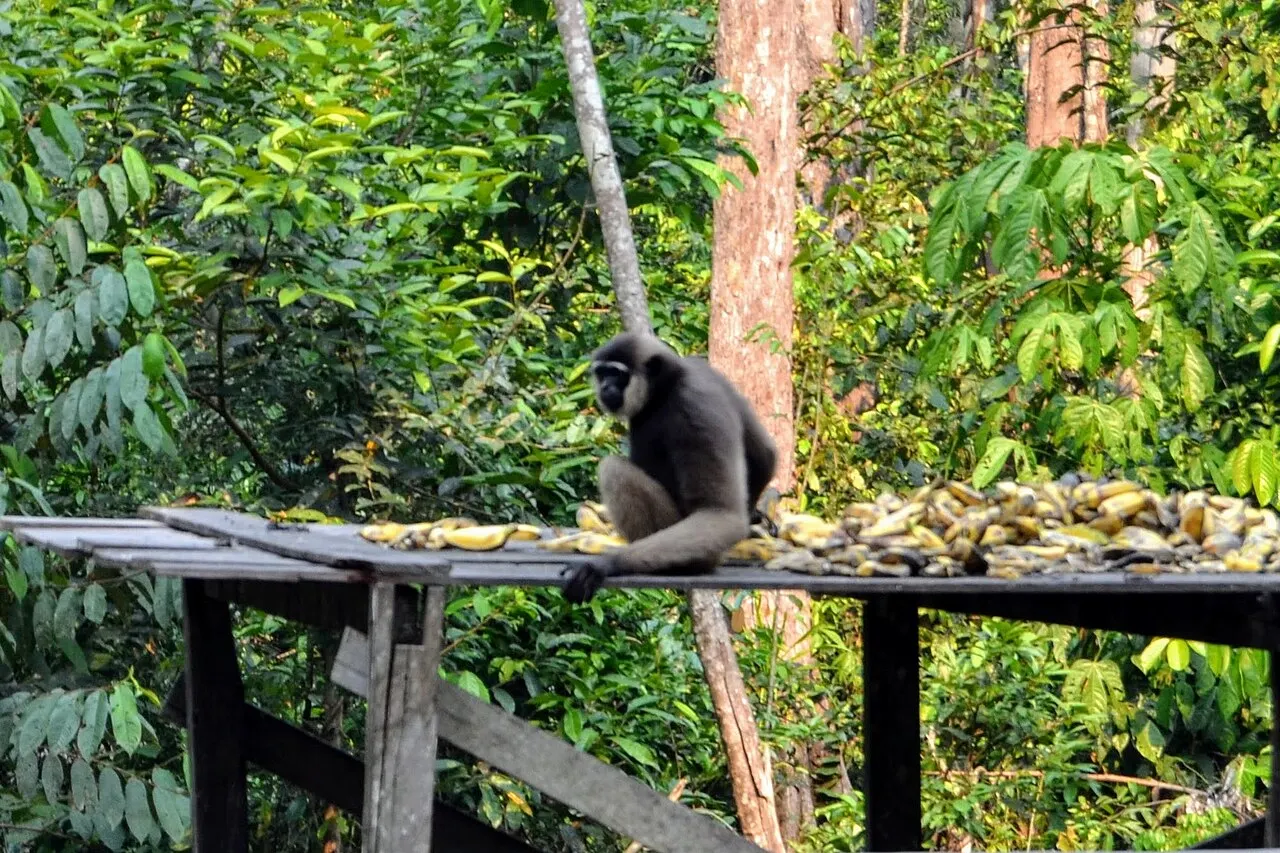
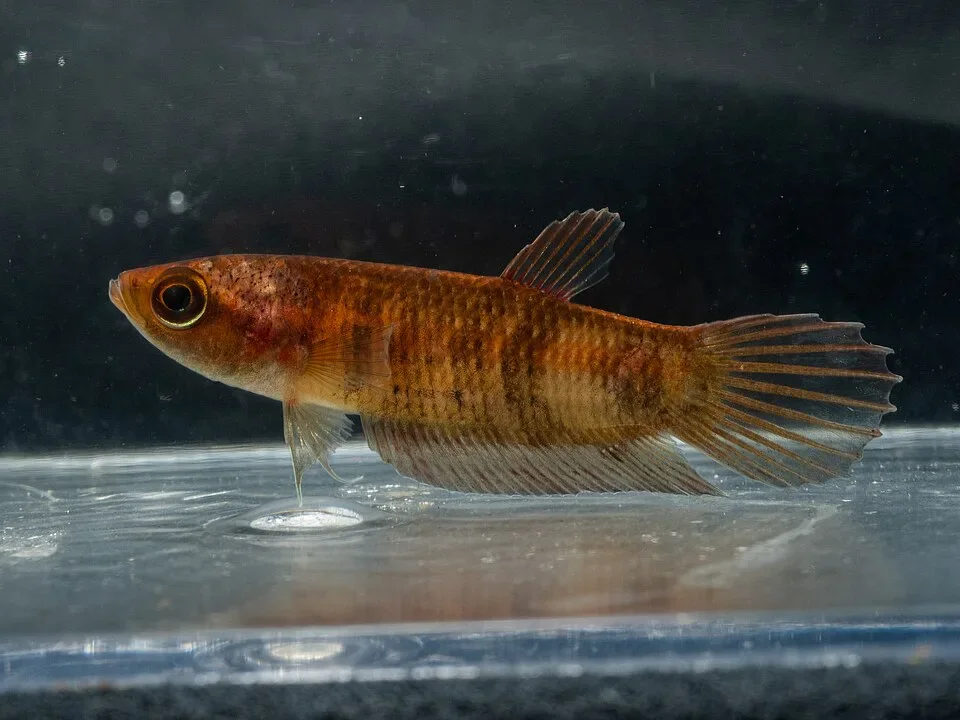
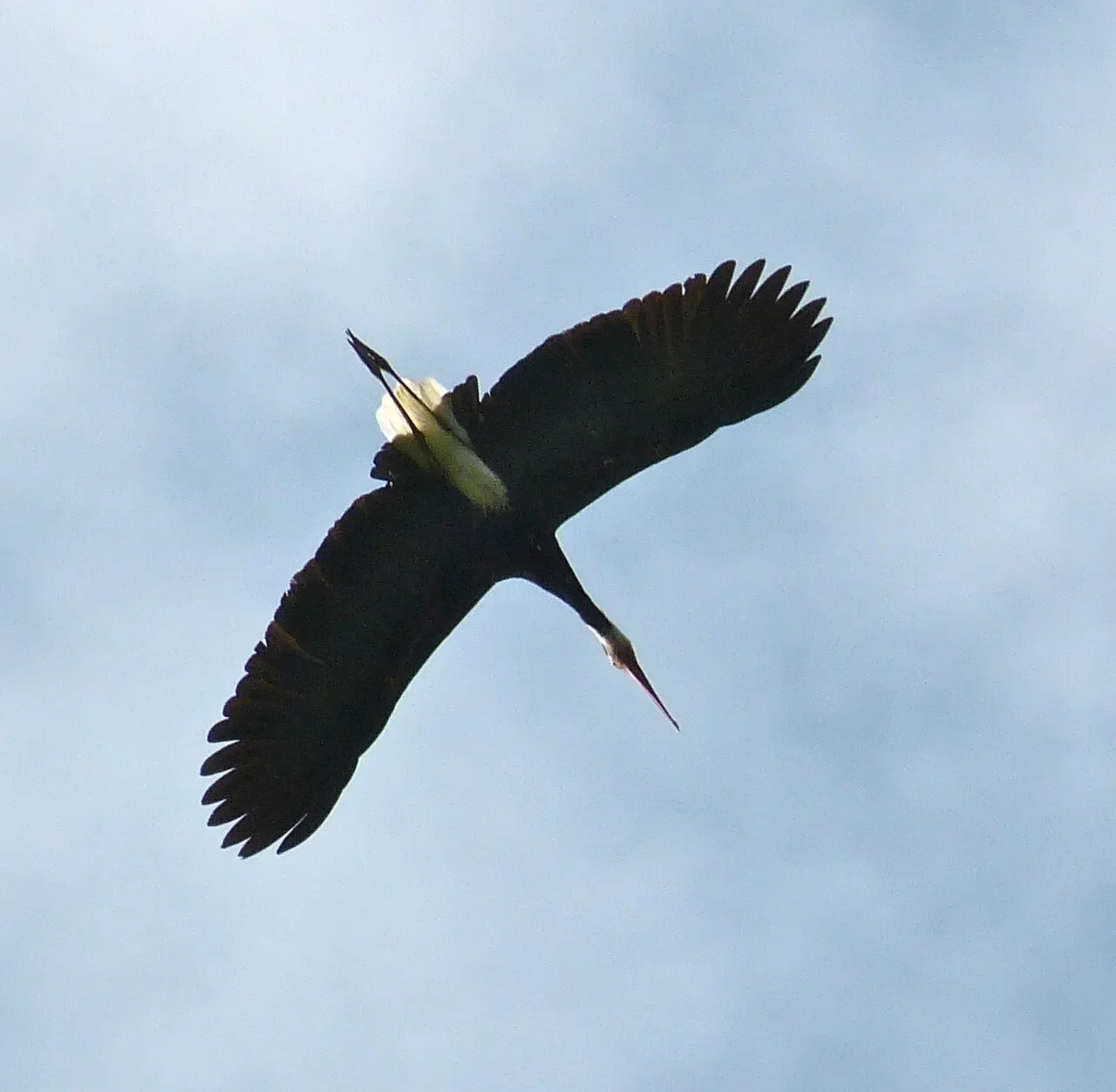
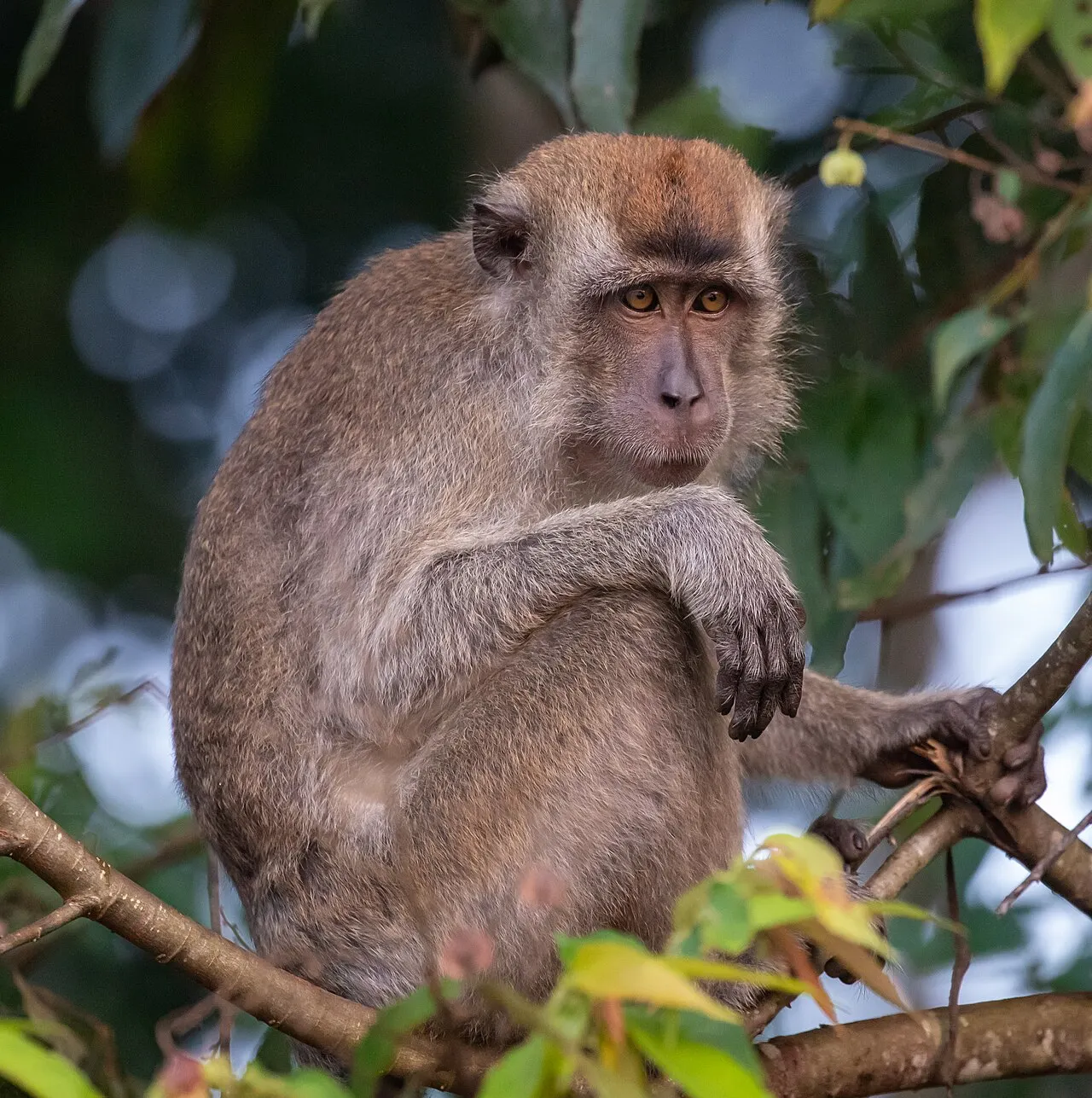
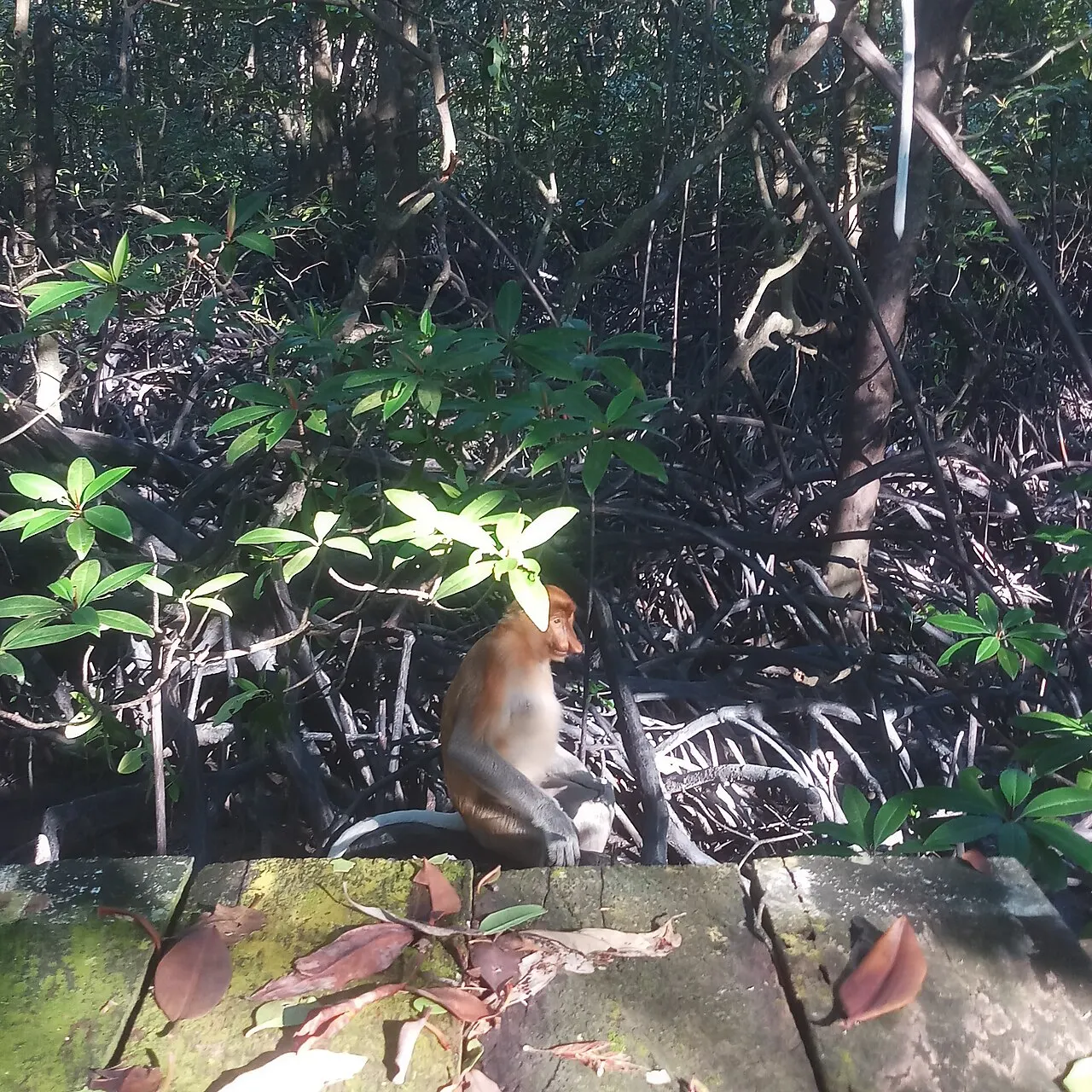
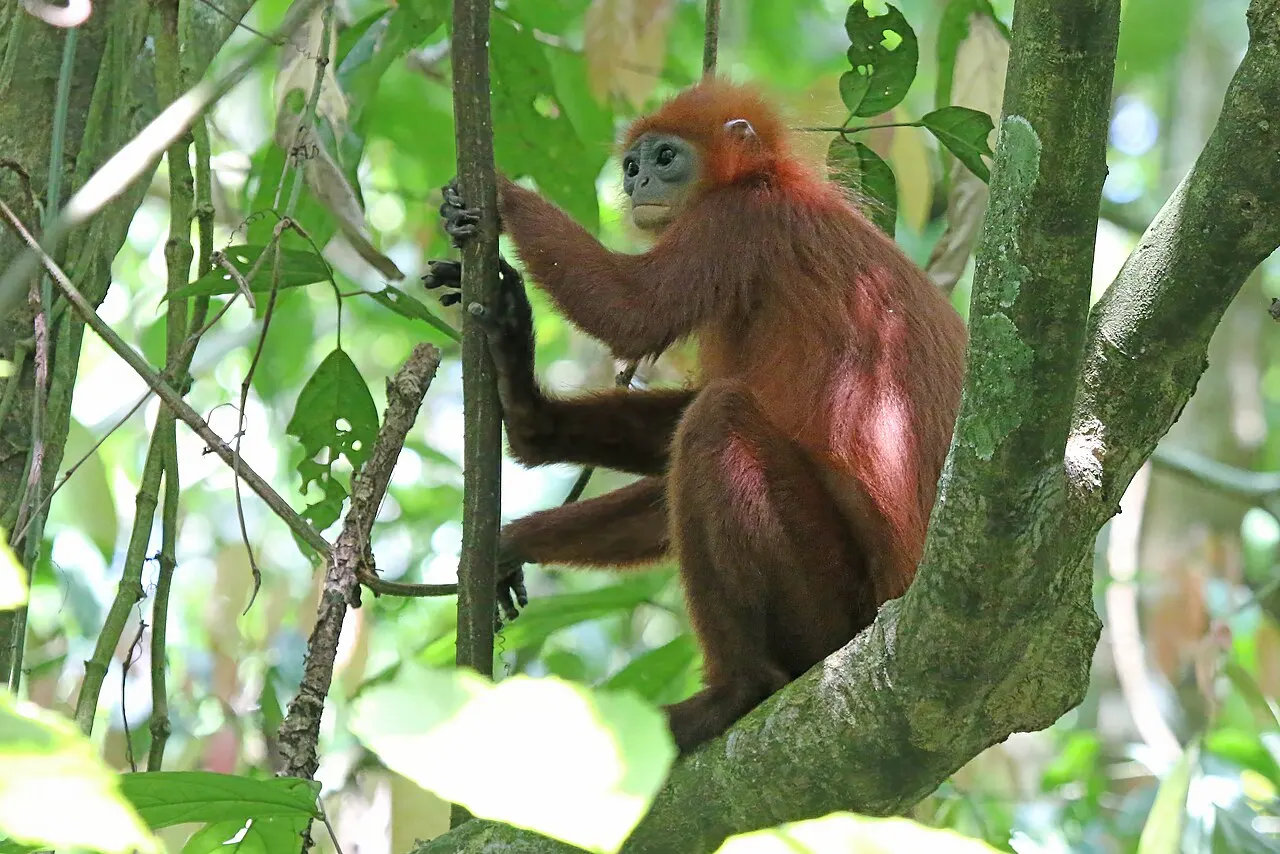
Beispiele in den verknüpften Artenprofilen sind Borneo-Orang-Utan, Nasenaffe, Borneo-Weißbartgibbon, Roter Langur. Die Profile nennen den jeweiligen Fundort und Nachweis. Eine Lebensraumverbindung bedeutet kein Vorkommen in jedem Teil dieses Lebensraums.
Quellen & Referenzen · 25
WWF · Bornean orangutanUniversity of Michigan, Animal Diversity Web · Bornean orangutan: natural historyOrangutan Foundation International Australia · Orangutan behaviourMires and Peat · Husson et al. (2018), Biodiversity of the Sebangau tropical peat swamp forest, Indonesian BorneoDirectorate General KSDAE, Ministry of Forestry · Profil TN SebangauUNESCO Man and the Biosphere Programme · Tanjung Puting Biosphere ReserveAmerican Society of Mammalogists, Mammal Diversity Database · Pongo pygmaeus: taxonomyWWF · Bornean orangutan: conservation and threatsKSDAE, Ministry of Forestry · Mengenal flora dan fauna Taman Nasional KutaiMinistry of Environment and Forestry · Conservation sector work planSarawak Forestry Corporation · Batang Ai National ParkUniversiti Malaysia Sarawak / Conservation and Society · Research article by Zander et al., 2015Sabah Forestry Department · Wildlife ManagementUniversity of Michigan, Animal Diversity Web · Proboscis monkey: natural historyAmerican Society of Mammalogists, Mammal Diversity Database · Nasalis larvatus: taxonomyRamsar Secretariat · Indonesia annotated Ramsar sitesMinistry of Forestry · World Wetlands Day 2026 in TarakanUniversiti Malaysia Sarawak · Population and Density Estimation of Proboscis Monkey (Nasalis larvatus) at Bako National Park, Sarawak, MalaysiaGovernment of Brunei Darussalam / Forestry Department · Fourth National Report to the Convention on Biological Diversity: Brunei Darussalamwww.esabii.biodic.go.jp · Bornean white-bearded gibbon: natural historyonlinelibrary.wiley.com · Bornean white-bearded gibbon: natural historyAmerican Society of Mammalogists, Mammal Diversity Database · Hylobates albibarbis: taxonomypubmed.ncbi.nlm.nih.gov · Maroon langur: natural historypubmed.ncbi.nlm.nih.gov · Maroon langur: natural historyAmerican Society of Mammalogists, Mammal Diversity Database · Presbytis rubicunda: taxonomySchutzgebiete
Zu den dokumentierten Landschaften gehören Sebangau National Park, Tanjung Puting National Park, Nationalpark Danau Sentarum, Bako-Nationalpark, Naturerbepark Tasek Merimbun. Diese Gebiete enthalten Lebensraummosaike; der Lebensraum bedeckt nicht ihre gesamte Fläche. Prüfen Sie vor einem Besuch die jeweiligen Zugangsinformationen.