Identification
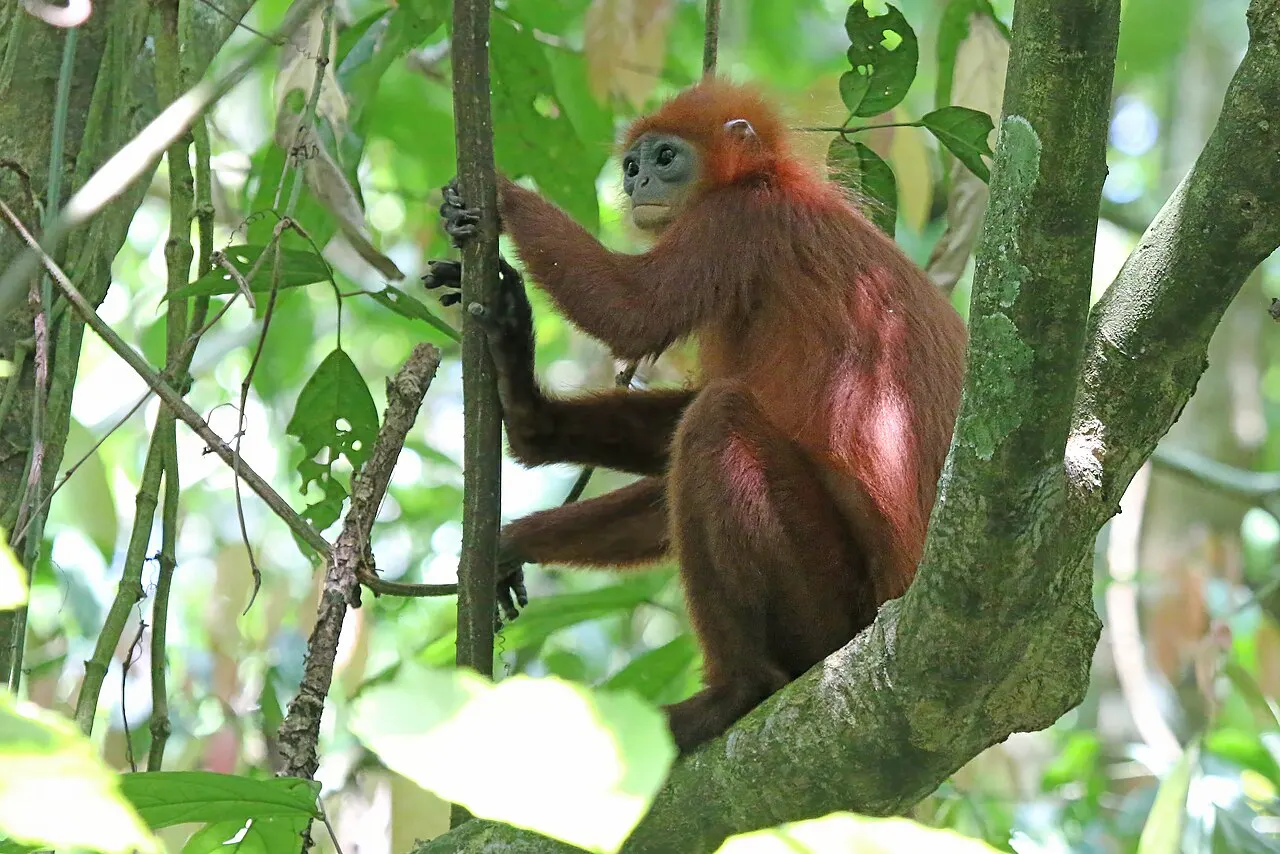
Also called the red leaf monkey, this langur belongs to the colobine monkeys.
Sources & references · 2
pubmed.ncbi.nlm.nih.gov · Maroon langur: natural historypubmed.ncbi.nlm.nih.gov · Maroon langur: natural historyDaily life
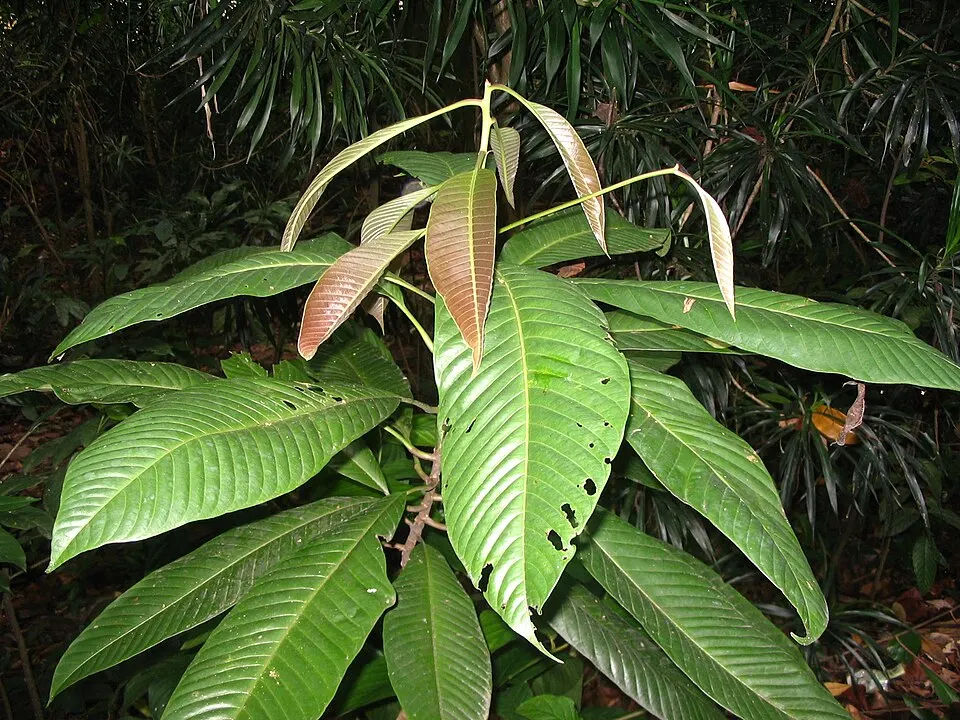
A 2011 Sebangau study found that seeds dominated the observed annual diet. Leaves, flowers and other fruit parts also contributed to feeding. Researchers have also recorded adult females descending to the forest floor to eat mushrooms.
Sources & references · 2
pubmed.ncbi.nlm.nih.gov · Maroon langur: natural historypubmed.ncbi.nlm.nih.gov · Maroon langur: natural historyRange on Borneo
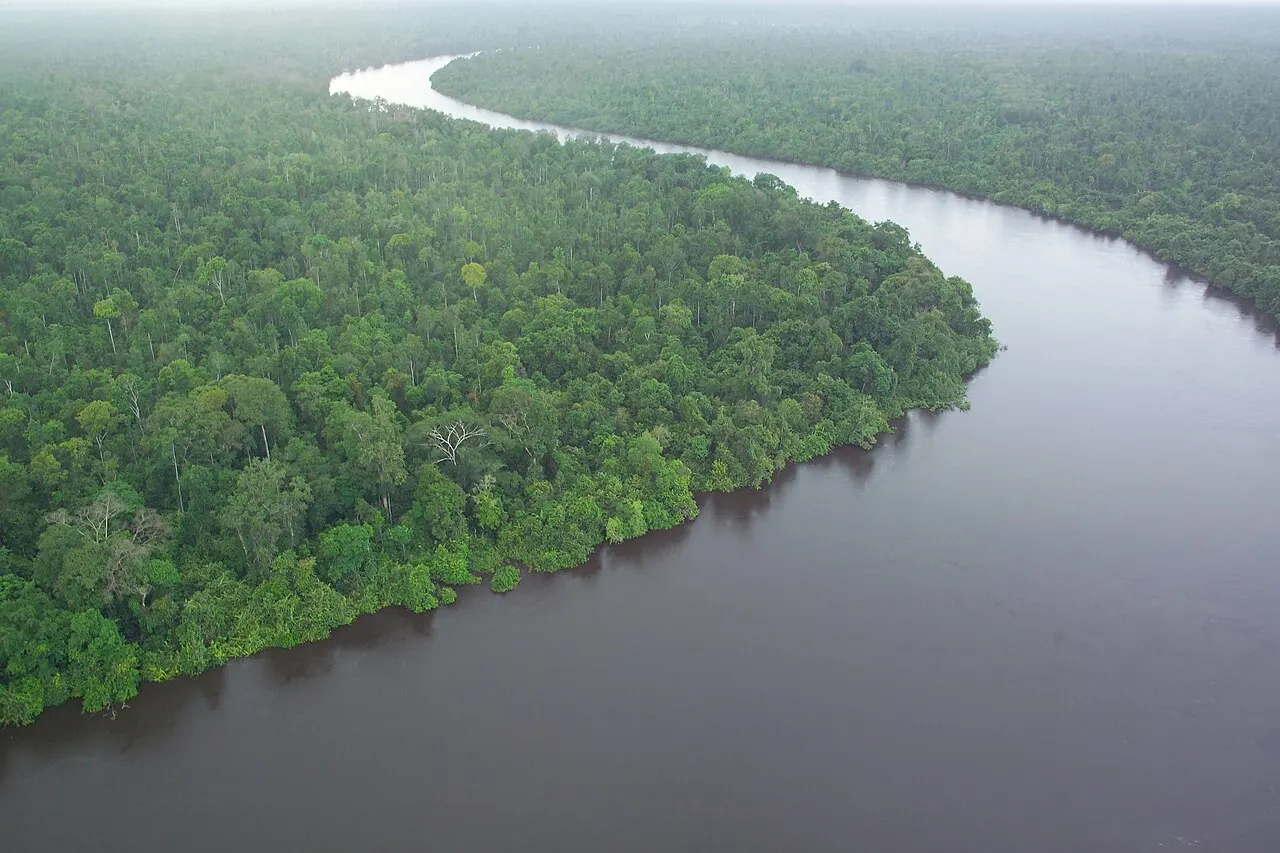
Published research has documented this species at Sebangau NLPSF; Tanjung Puting. These observations provide a historical picture of its Bornean forest range.
Sources & references · 2
Mires and Peat · Husson et al. (2018), Biodiversity of the Sebangau tropical peat swamp forest, Indonesian BorneoUNESCO Man and the Biosphere Programme · Tanjung Puting Biosphere ReserveForest and habitat
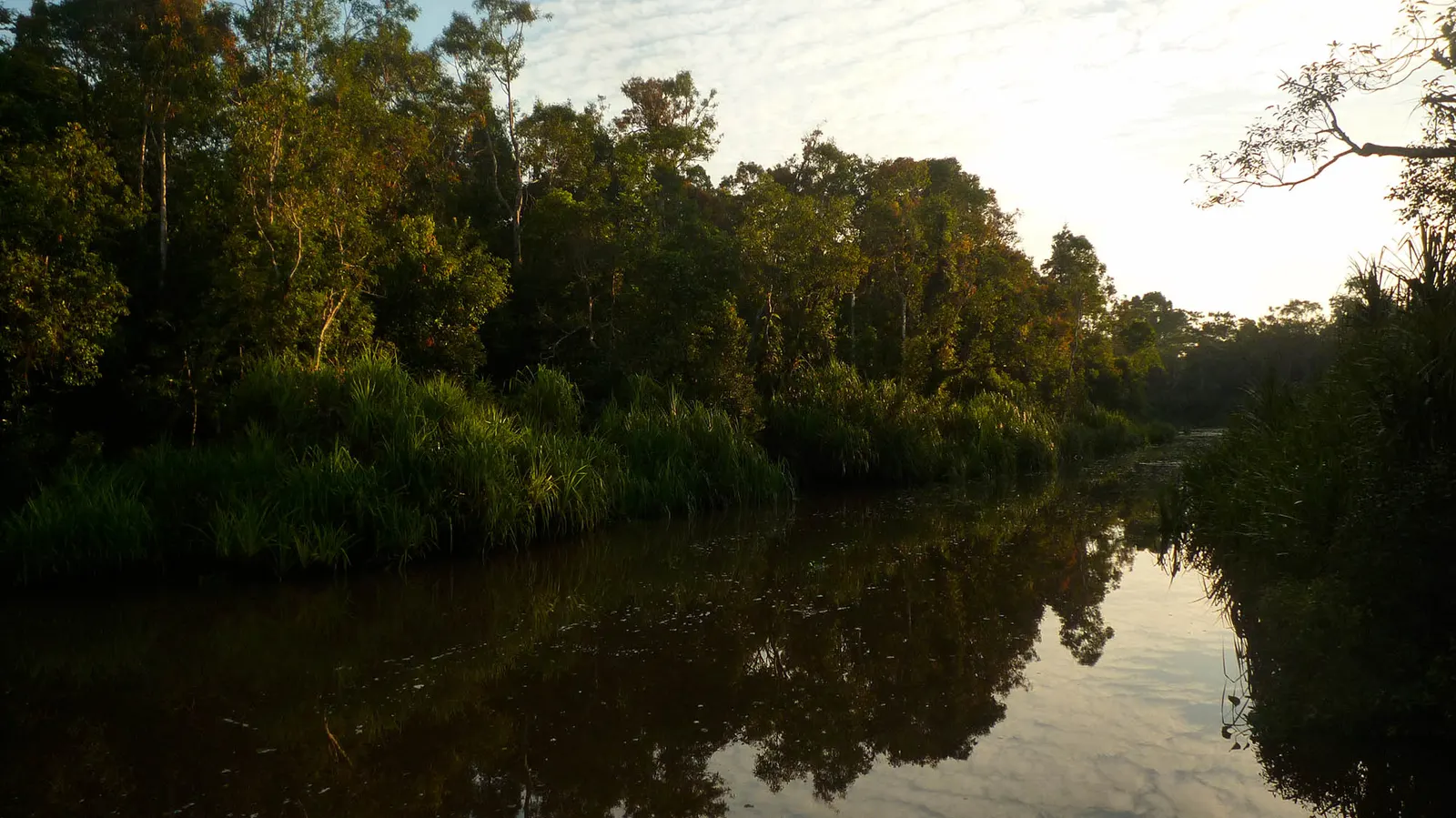
The peat-swamp forests of Sebangau are part of this animal’s documented habitat in Central Kalimantan.
Sources & references · 2
Mires and Peat · Husson et al. (2018), Biodiversity of the Sebangau tropical peat swamp forest, Indonesian BorneoUNESCO Man and the Biosphere Programme · Tanjung Puting Biosphere ReserveSeeds, leaves and changing forests
The red langur's menu differs markedly between forests. At Sabangau, observations during 2011 found seeds to dominate the diet in a peat-swamp forest without the strong mast-fruiting pattern of some dipterocarp forests. A longer study at Danum Valley instead recorded extensive young-leaf feeding alongside seeds, with fruit-rich periods changing food choices. This flexibility matters: calling the animal simply a leaf monkey hides its considerable dependence on other plant parts. At Sebangau, females were also occasionally observed on the ground eating mushrooms, a rare behaviour rather than a staple food.