Appearance & recognition
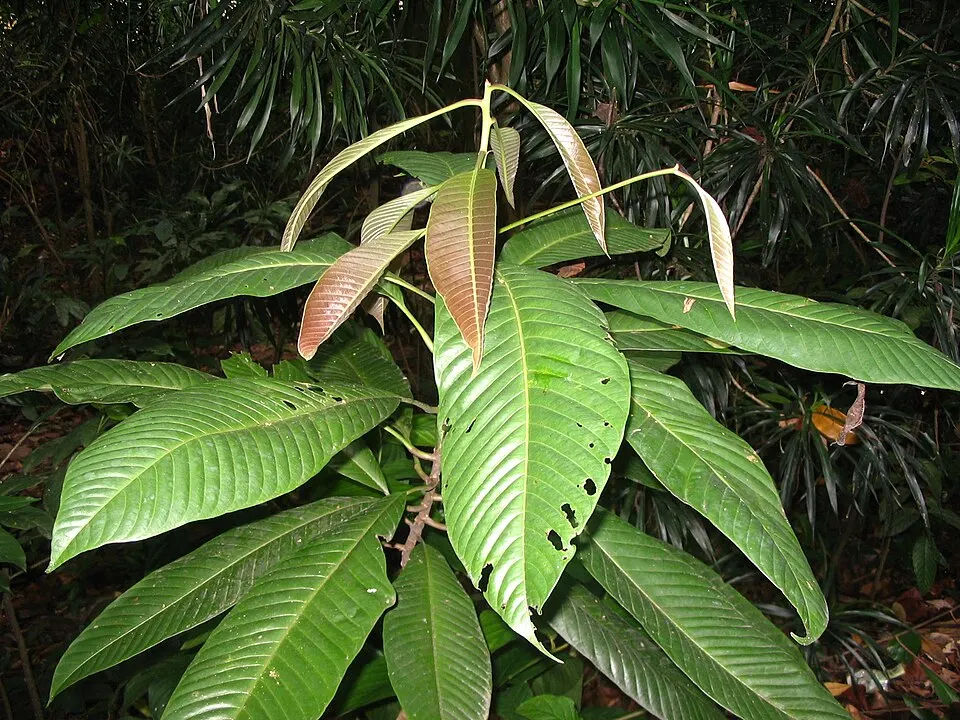
Eusideroxylon zwageri is a large forest tree with buttressed roots, flaky grey-brown bark and leathery leaves. Ulin is a locally important name, but a timber label alone is not a scientific identification. Its native range includes Borneo and Sumatra, rather than Borneo alone.
Sources & references · 2
Singapore National Parks Board · Eusideroxylon zwageriRoyal Botanic Gardens Kew POWO · Eusideroxylon zwageriHow the plant grows
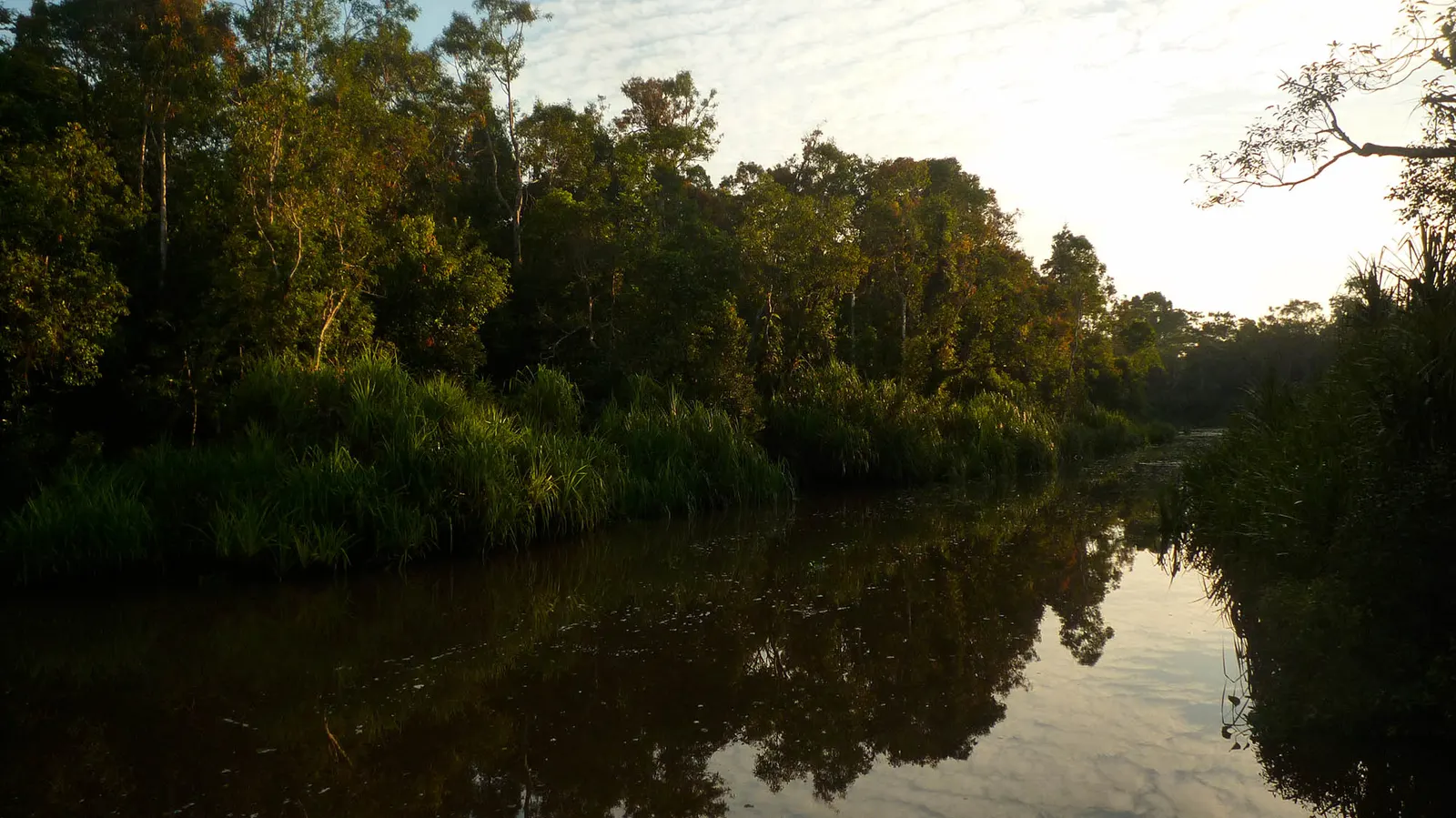
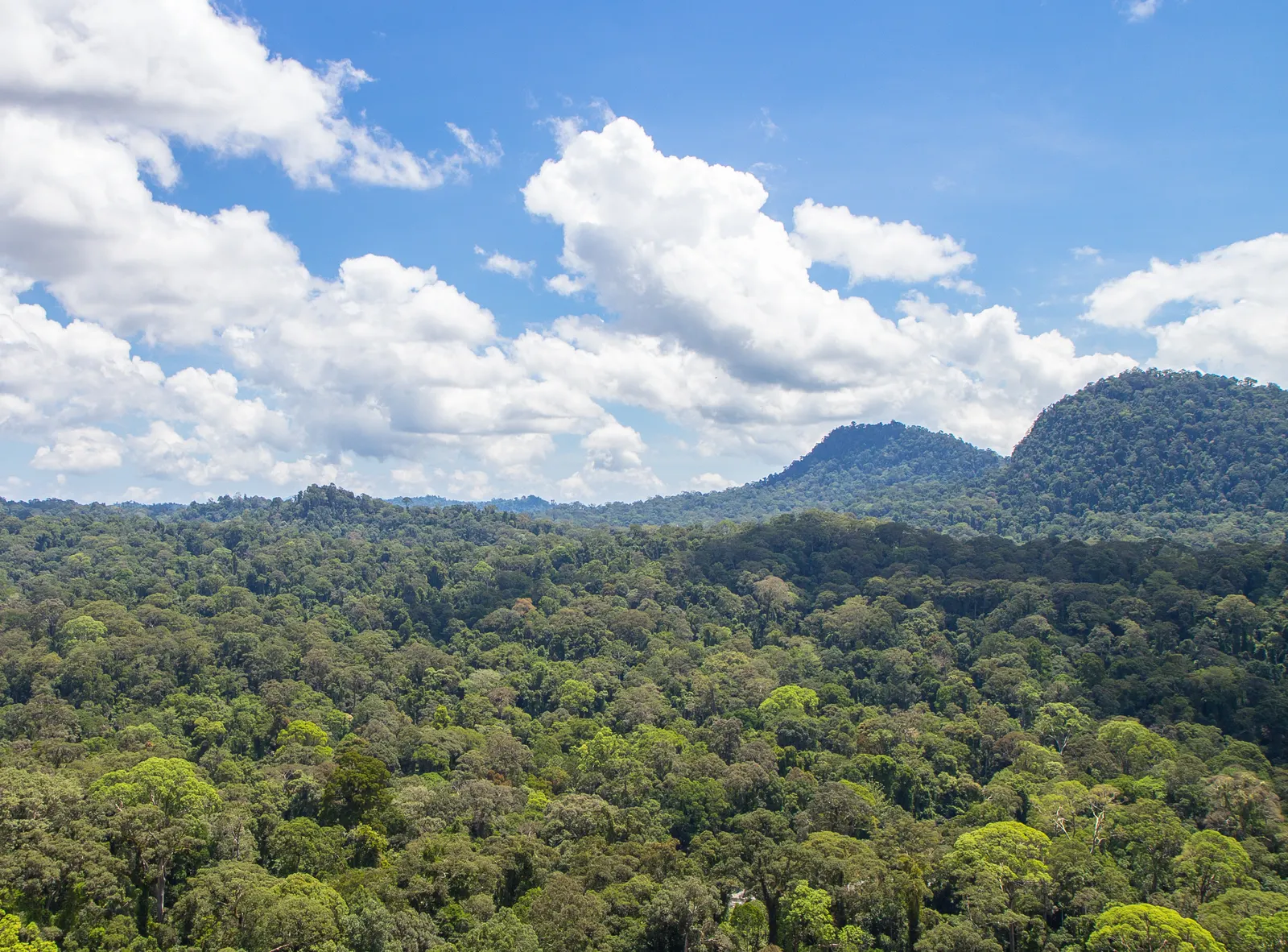
This Lauraceae tree has large buttresses, leathery leaves and slow-growing, very durable wood. Its large seeds require time to establish, and a mature canopy tree cannot quickly be replaced by a seedling. Ulin is native to Borneo and Sumatra. The connection to Kutai National Park places a named species within a real lowland forest, where its trunk, roots and crown contribute to forest structure.
Sources & references · 3
NParks · Eusideroxylon zwageriRoyal Botanic Gardens Kew POWO · Eusideroxylon zwageriKSDAE, Ministry of Forestry · Mengenal flora dan fauna Taman Nasional KutaiMaterials & other uses
The density and durability behind the name ironwood explain its long-standing use in posts, flooring and other structures exposed to tropical conditions. Timber use and living-tree ecology should be read together: slow replacement makes the retention of seed trees and forest regeneration particularly important. A timber trade name is not a licence to cut a tree, and the value of the wood does not establish sustainable sourcing.
Sources & references · 1
NParks · Eusideroxylon zwageriEcological relationships
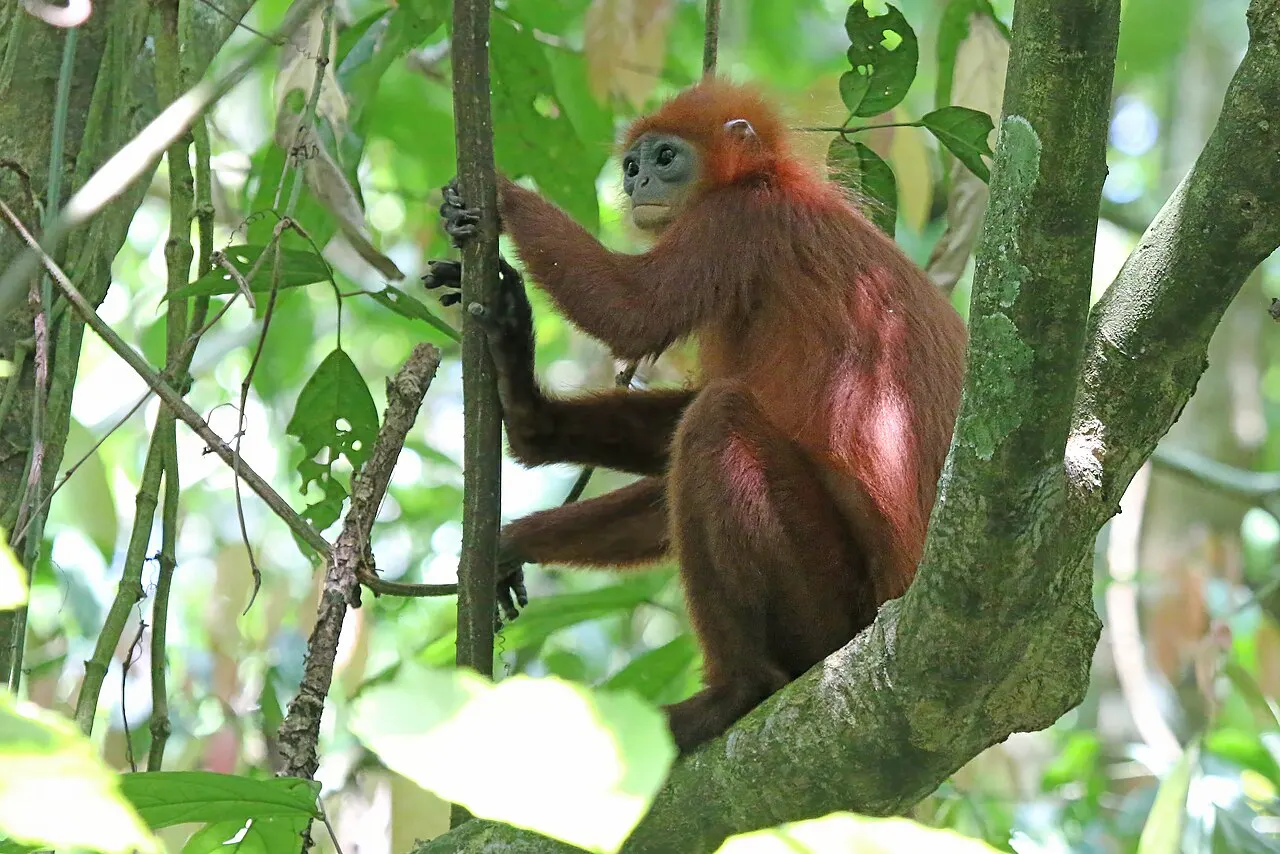
At Sepilok, maroon langurs eat immature ironwood seeds before the protective stone becomes fully lignified. This timing matters: the observation concerns developing seeds, not an ability to break every mature stone.
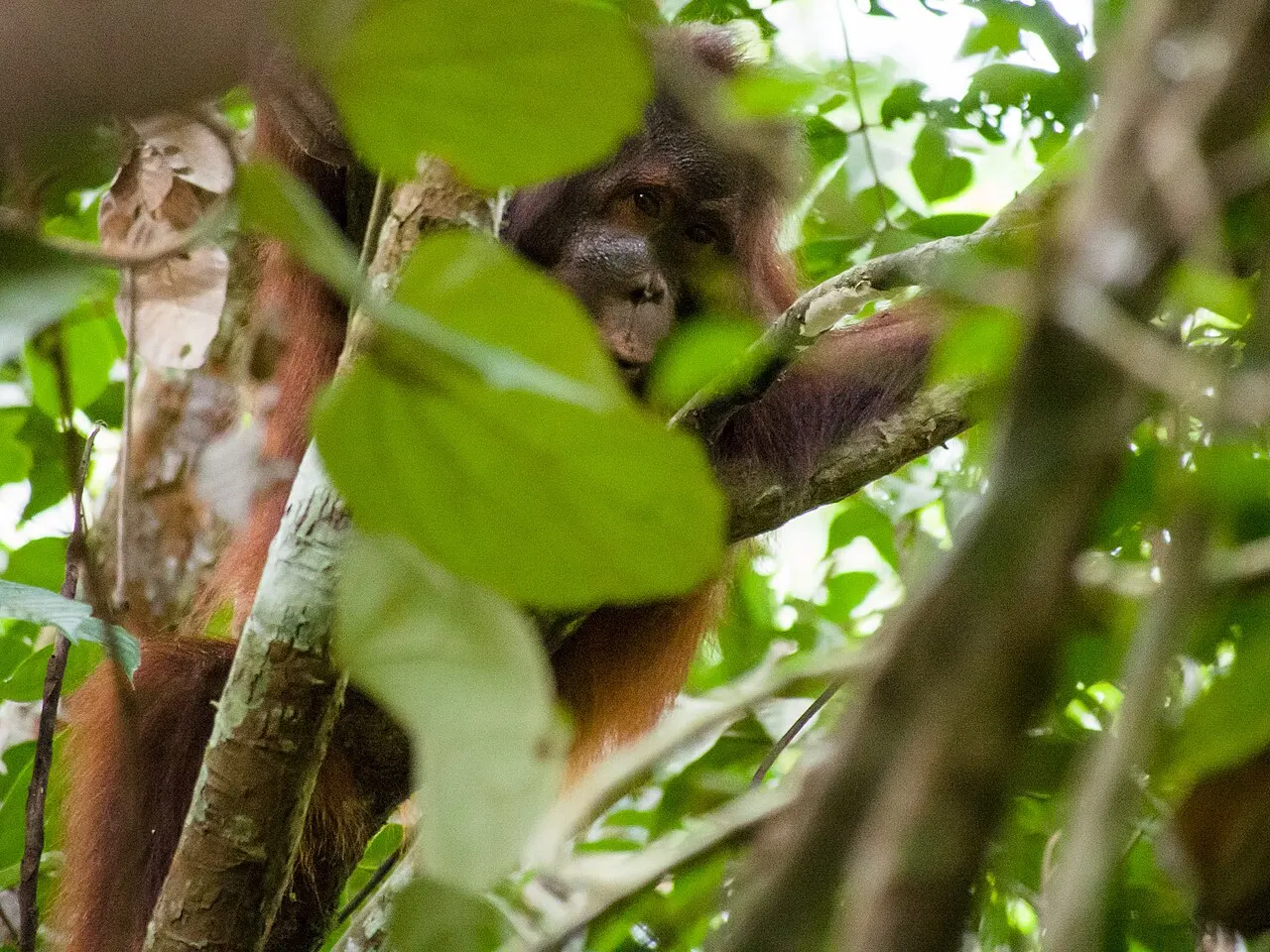
A study of food plants in the Wehea–Kelay landscape also identifies ulin as a food resource for Bornean orangutans. The cited inventory does not establish which part was eaten; laboratory bark samples should not be mistaken for a feeding observation.