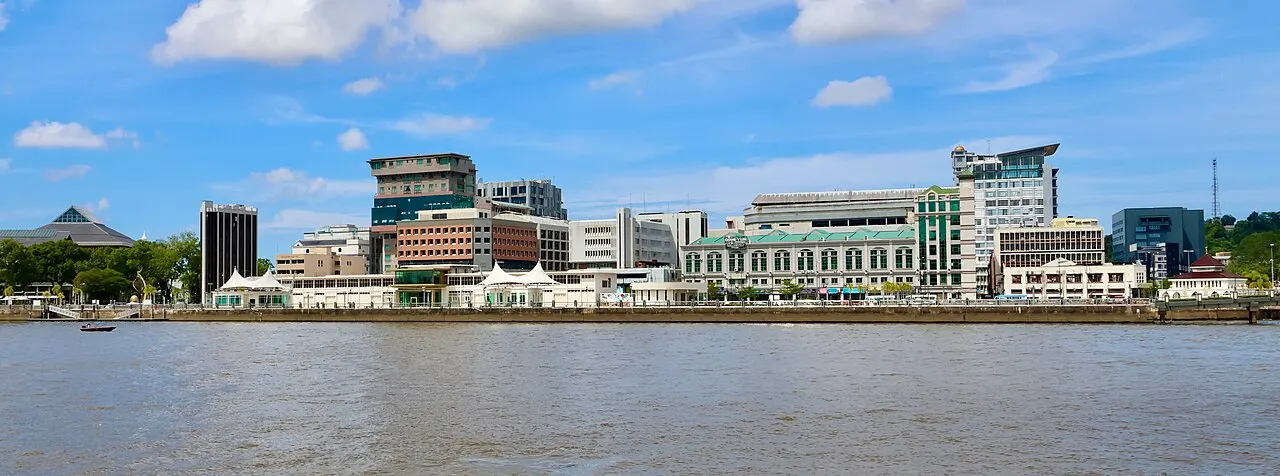
Wetlands
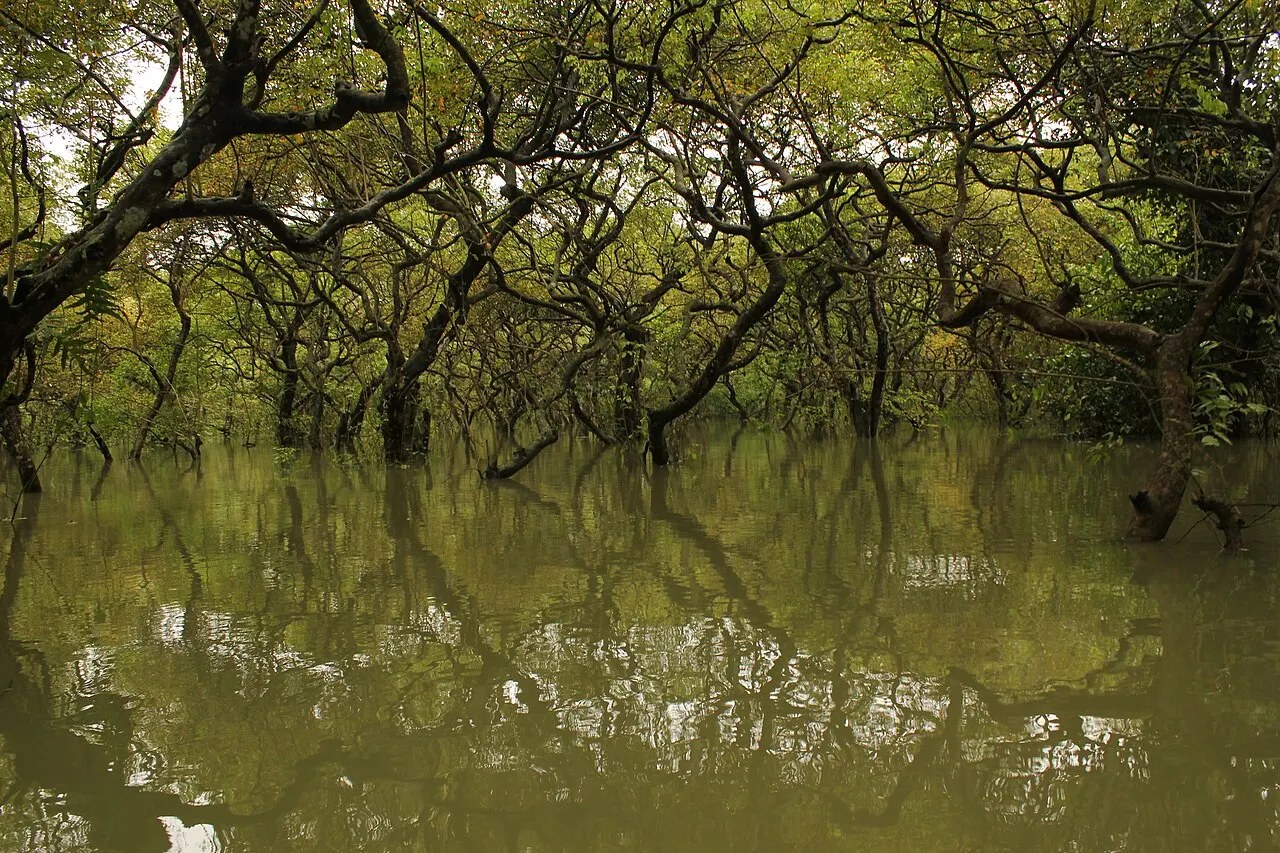
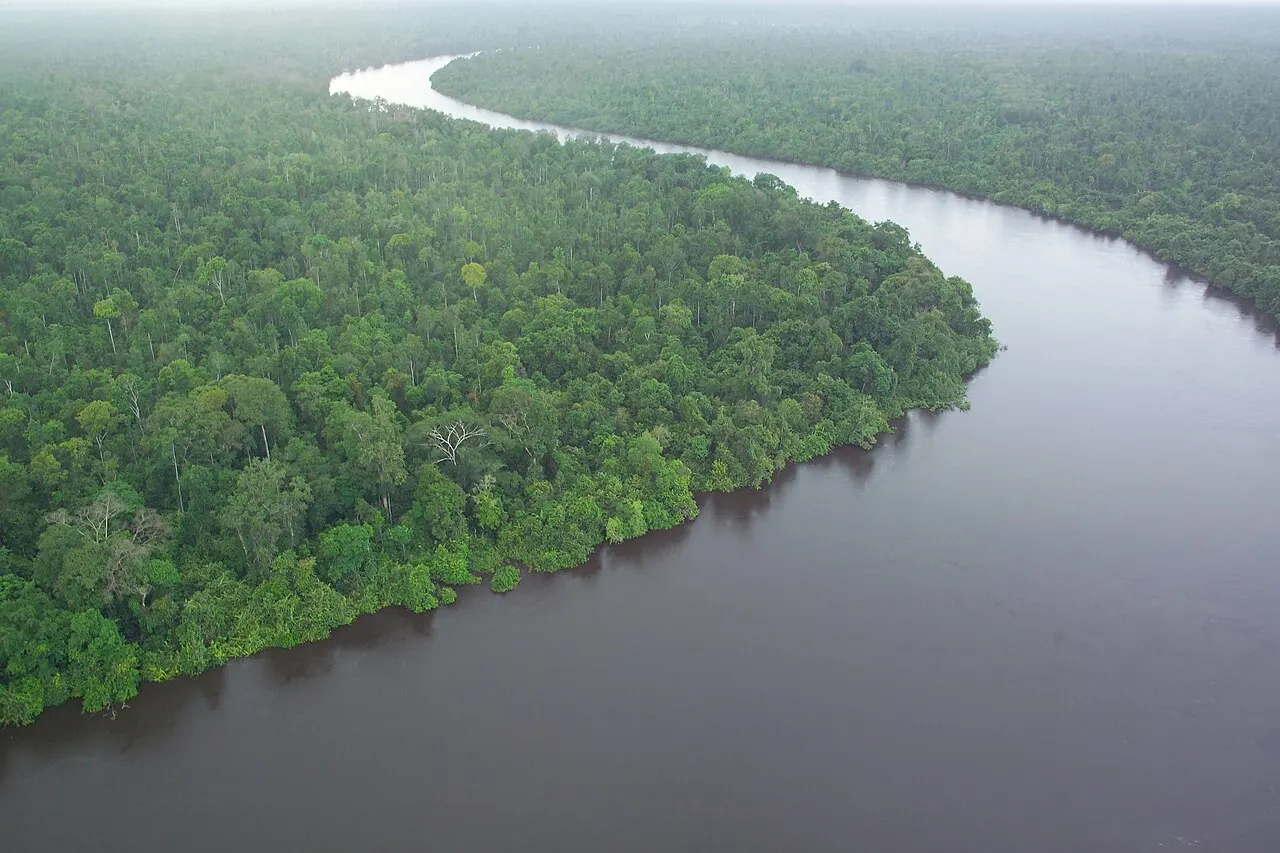
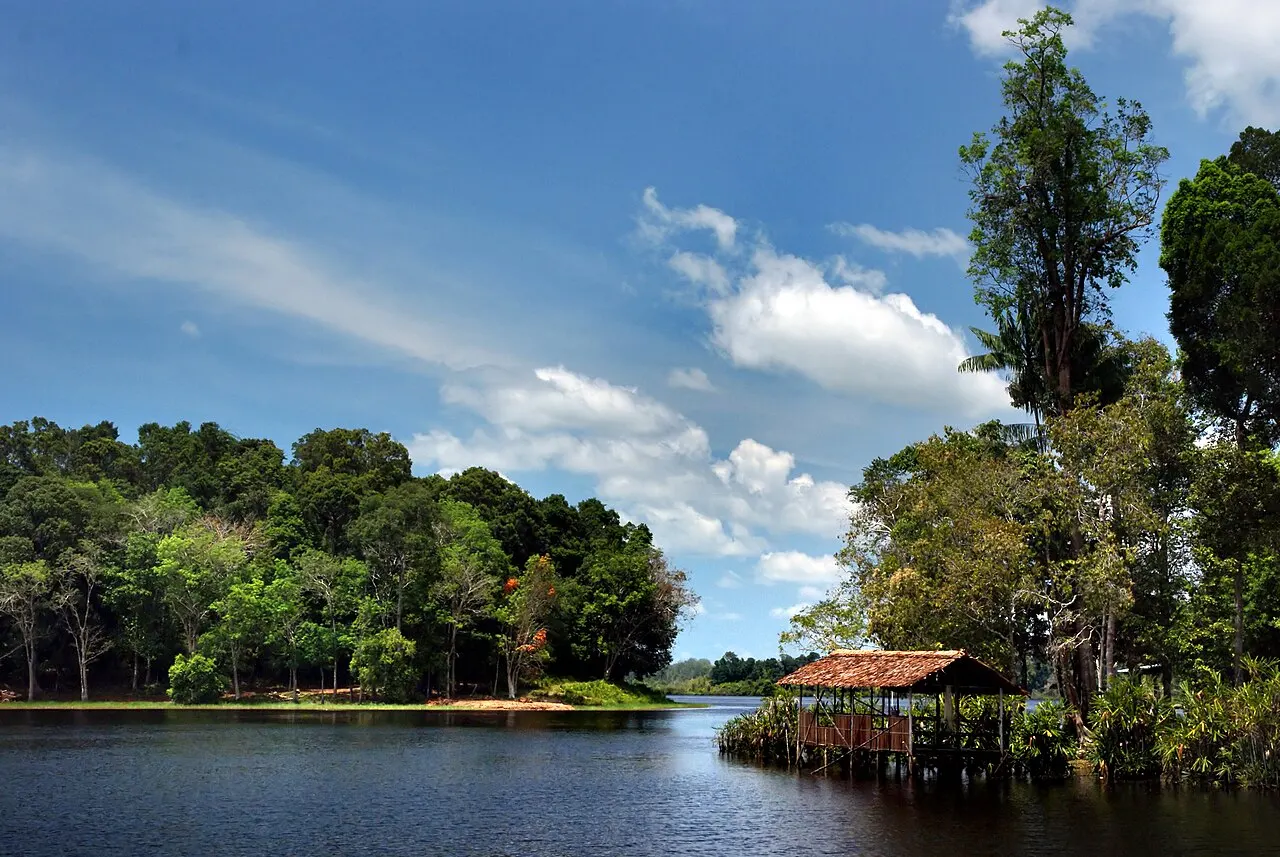
Brunei Tourism describes Tasek Merimbun as the country’s largest natural lake and emphasises its distinctive black water. The national biodiversity report places the area within freshwater and peat swamp environments. The lake should therefore be understood together with its surrounding wetlands and forests, whose ecological relationships give the landscape its particular character and conservation value.
Heritage
The park is recognised within the ASEAN Heritage Parks network, connecting its local wetland landscape with a regional conservation framework. Visitor interpretation also includes Dusun cultural displays. These elements introduce both ecological and cultural dimensions without reducing the park to a single attraction: the lake, surrounding forest and community heritage each contribute to its meaning.
Learning in the landscape
Trails and boardwalks help visitors explore the landscape and relate the lake to its forest setting. Official tourism information also identifies Merimbun as a scientific research base. This combination of interpretation, access infrastructure and research makes the heritage park a place for learning about wetlands, rather than treating its dark water as an isolated visual curiosity.
Access
ASEAN recognition concerns a heritage park, not a UNESCO World Heritage inscription. Published interpretation includes lake trails, wetlands and local heritage. Confirm the current availability of paths and any boat access with the park before visiting. Historic management accounts involve the Brunei Museums Department; they do not establish today’s opening arrangements.
Plan a lakeside visit
Use Tutong as the district reference and arrange a car or a pre-booked excursion with a return pickup. A broad location marker for the district is not the park entrance. Ask your host for the staffed visitor reception or currently used drop-off point. Do not rely on finding onward transport after a walk. From a base in Bandar Seri Begawan, allow a substantial part of the day for travel and an unhurried visit rather than treating Merimbun as a quick city stop.
For planning, set aside a half day once the road journey is included, adjusting this to your actual starting point and the facilities confirmed open. Ask whether the interpretation displays, boardwalk and walking routes are accessible and whether a guide is needed for your intended route. A boat excursion needs its own confirmation; it is not included merely because the lake is open to view. Check current entrance arrangements with management instead of assuming a national-park permit applies to this heritage park.
Accommodation in the capital, such as The Brunei Hotel, is a city base for a separately arranged outing, not a lakeside lodge. Historic references to camping do not establish a current bookable campsite. If staying overnight is essential, confirm that option directly before planning the visit around it.
Read the wetland, not a wildlife checklist
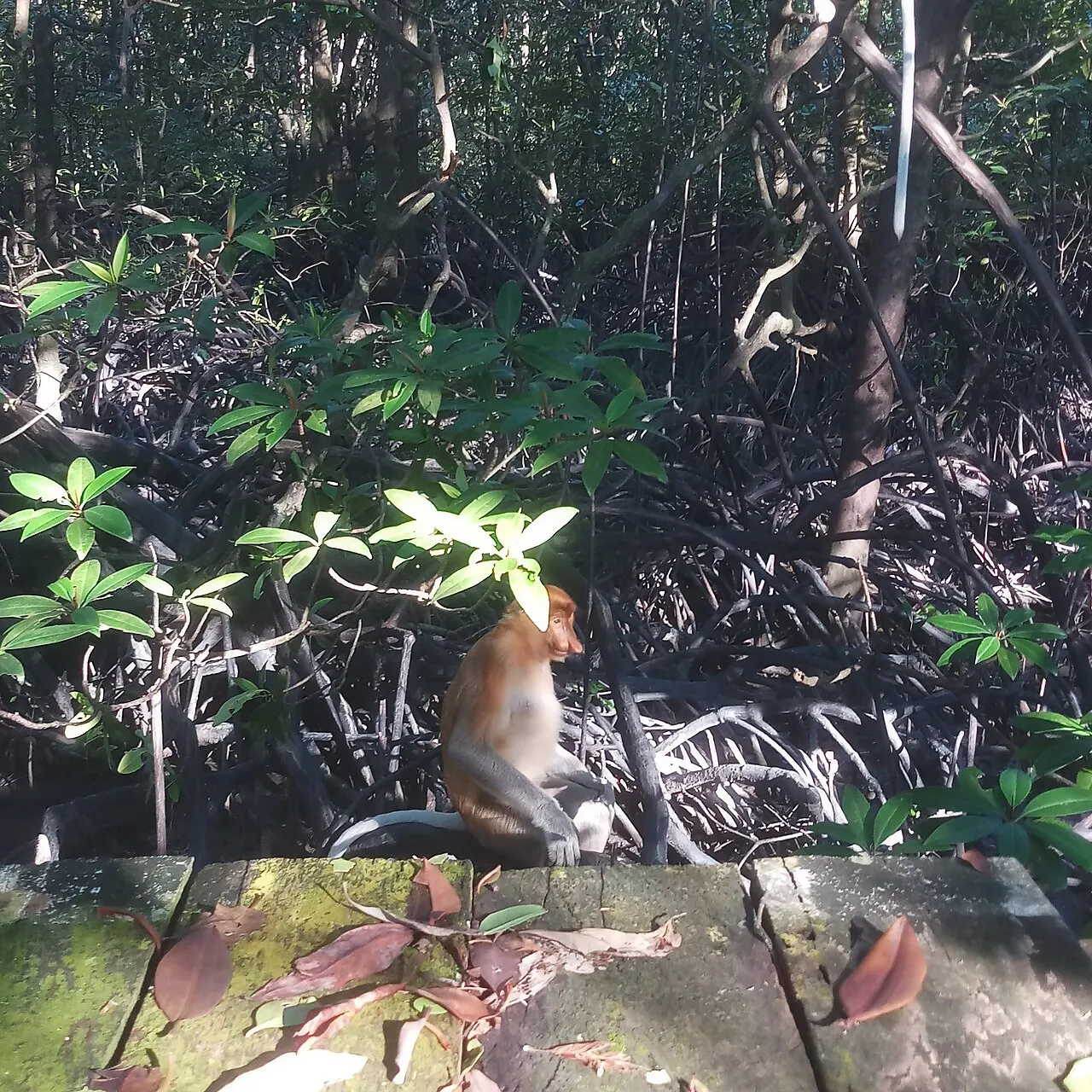
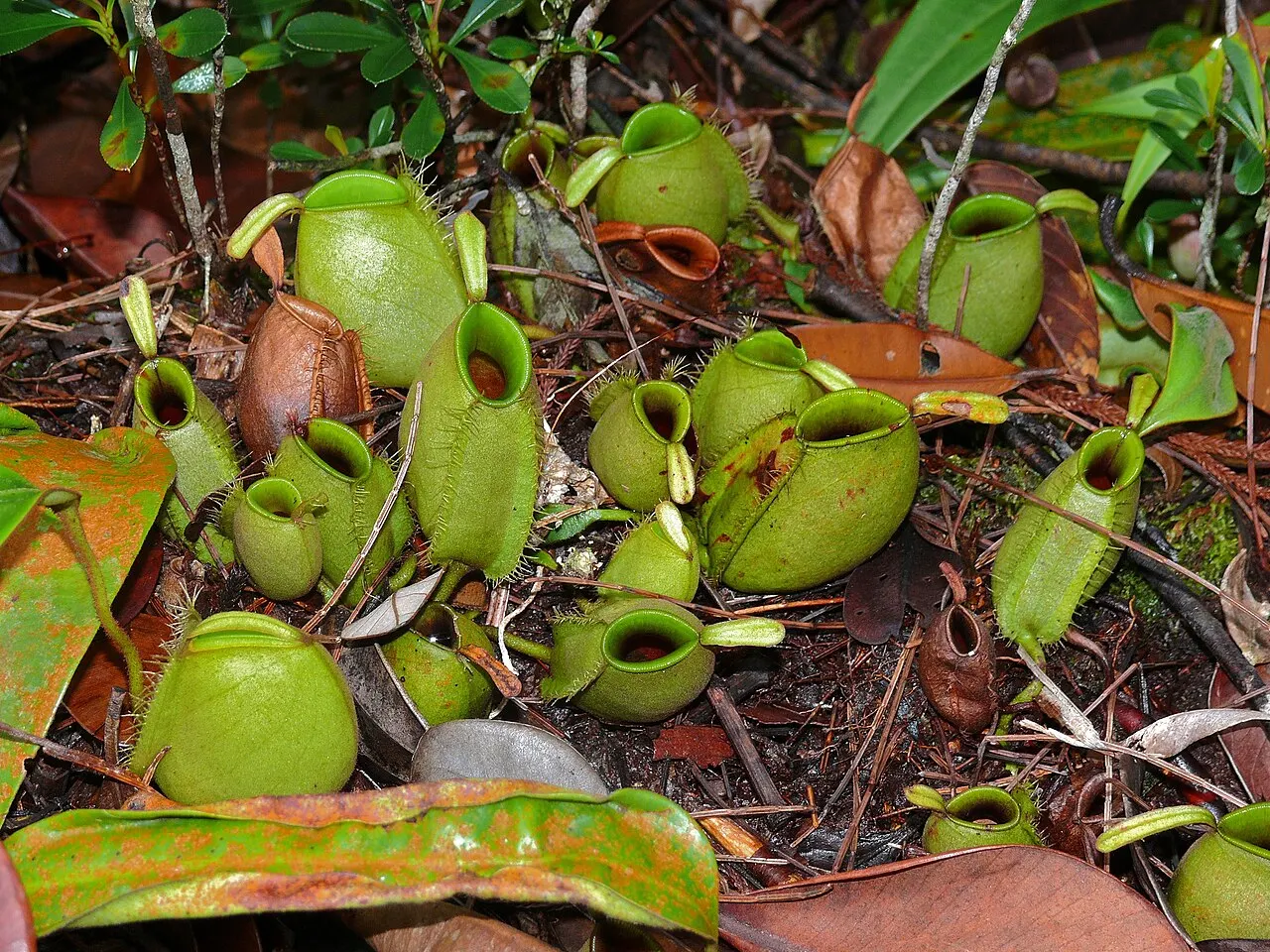
The linked freshwater swamp forest and peat swamp forest pages explain different wetland settings. At Merimbun, look for transitions between water, marsh and forest rather than expecting the whole protected area to have one vegetation type. The ASEAN park profile lists several pitcher plants, including Nepenthes ampullaria, and animals such as the proboscis monkey. These are documented associations, not promises of sightings on the visitor paths. Keep plant locations at habitat level and leave specimens undisturbed.
Dusun heritage is part of this living landscape. Interpretation is an opportunity to learn, not an invitation to enter community land or photograph people without permission. Stay on permitted paths and give wetland edges space; a shorter visit within the open area is better than extending a route through a closed section.