Appearance & recognition
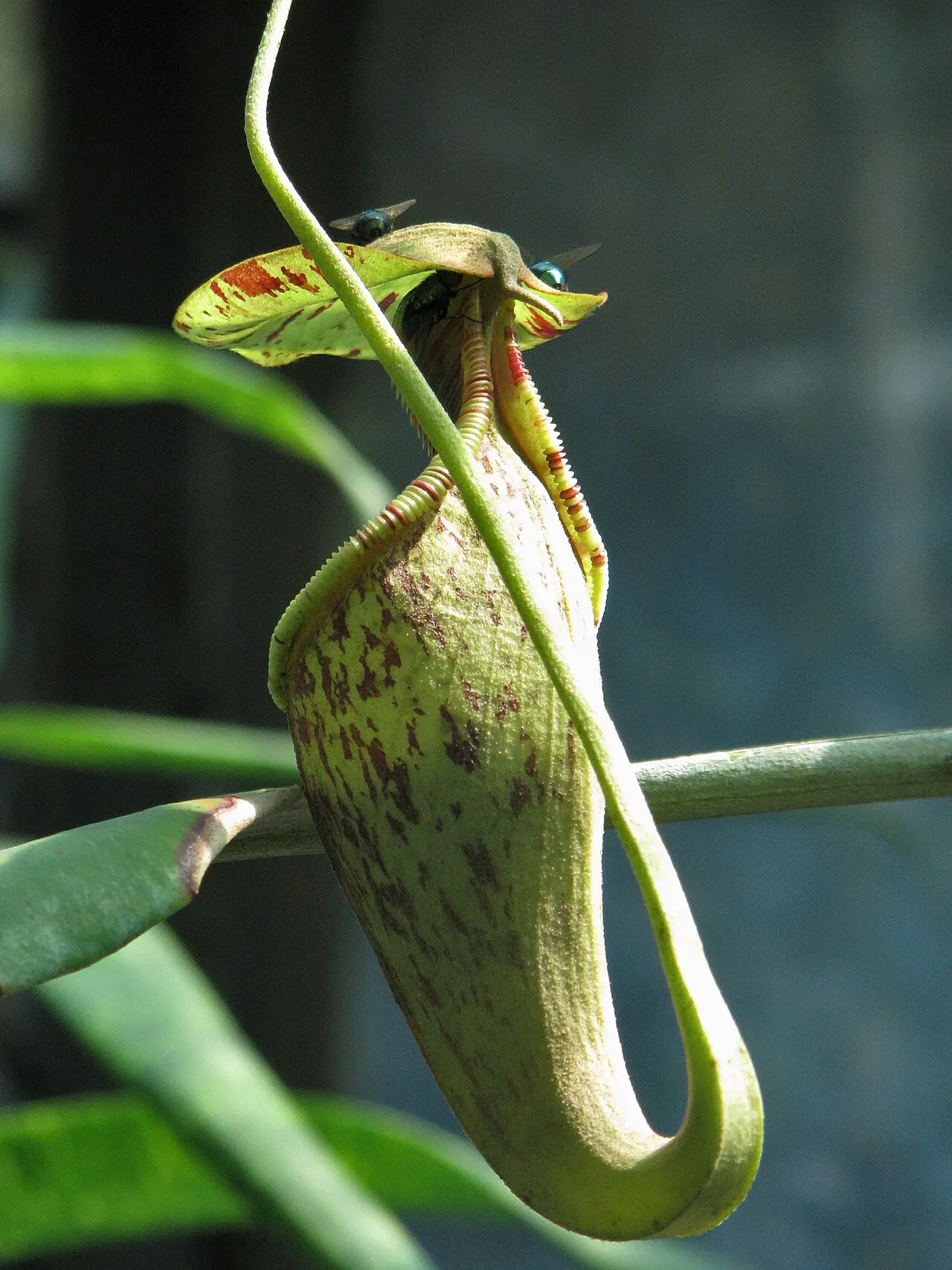
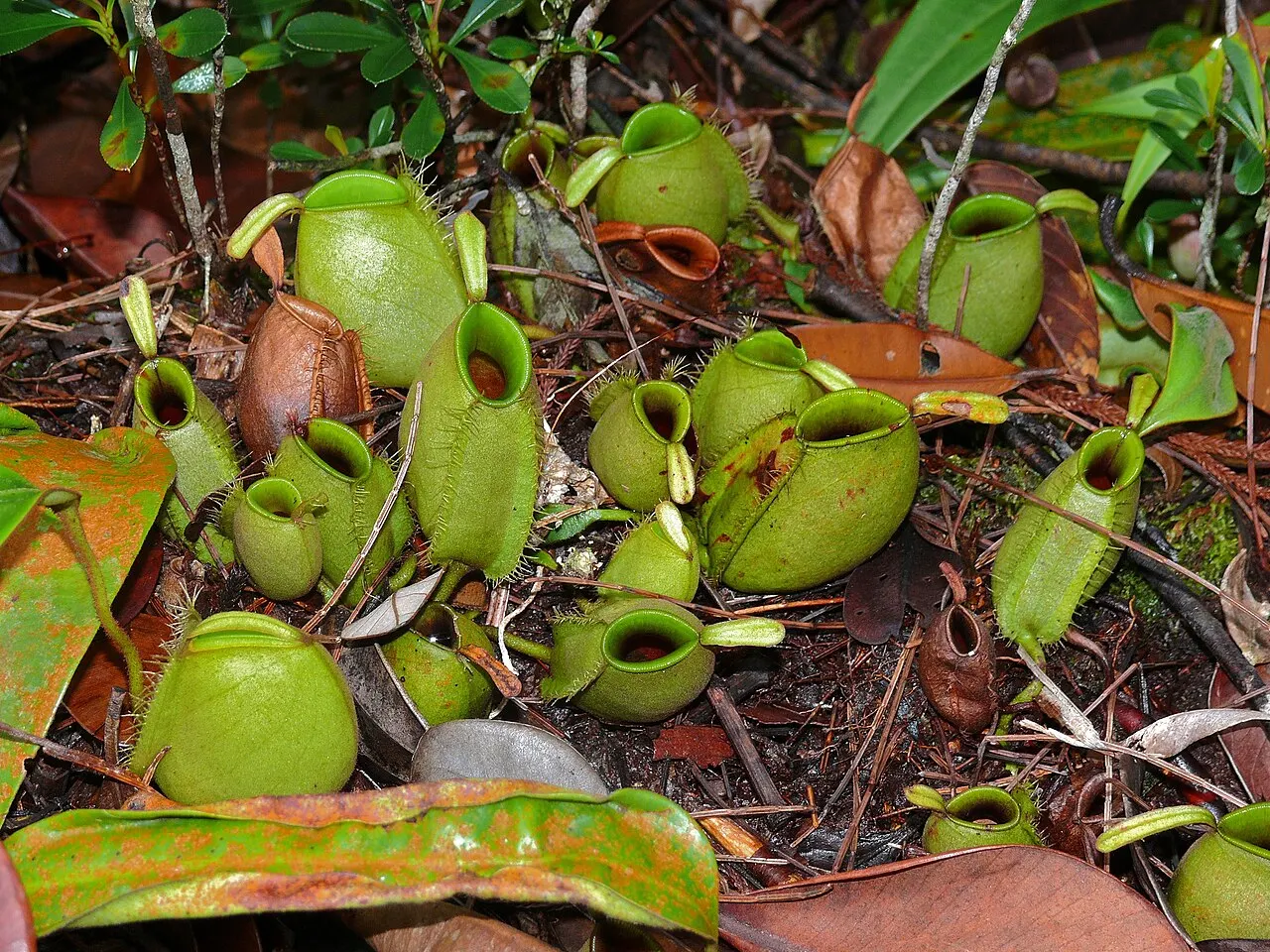
Rounded, urn-like pitchers have narrow lids.
Sources & references · 2
Royal Botanic Gardens, Kew · Nepenthes ampullaria: accepted name and rangeSingapore National Parks Board · Nepenthes ampullaria: reference profileGrowth & ecology
Rosettes occur on lower branches; the plant also develops climbing stems. The native range includes Borneo, Sumatra, Thailand and New Guinea. Recorded in closed forest at the Habaring Hurung study site.
Sources & references · 2
Royal Botanic Gardens, Kew · Nepenthes ampullaria: accepted name and rangeSingapore National Parks Board · Nepenthes ampullaria: reference profileLife in the ecosystem
Fallen leaves can supply nutrients to this pitcher plant. Isotope studies support leaf-litter utilisation, connecting overhead canopy, decomposition and plant nutrition. It is partly detritivorous; that does not mean its pitchers have ceased to interact with insects.
Sources & references · 1
International Journal of Plant Sciences, 2003 · From carnivore to detritivore? Leaf-litter utilisation in Nepenthes ampullariaHow the plant grows
Rounded pitchers can form a dense carpet near the forest floor, beneath climbing stems and green leaves. Their small narrow lids leave much of the opening exposed. A pitcher is a modified leaf, not a flower: the plant’s flowers grow in a separate inflorescence. It belongs to Nepenthaceae and keeps photosynthesising while obtaining extra nutrients through its traps.
Sources & references · 3
Royal Botanic Gardens, Kew · Nepenthes ampullaria: accepted name and rangeSingapore National Parks Board · Nepenthes ampullaria: reference profileInternational Journal of Plant Sciences, 2003 · From carnivore to detritivore? Leaf-litter utilisation in Nepenthes ampullariaRange & habitat
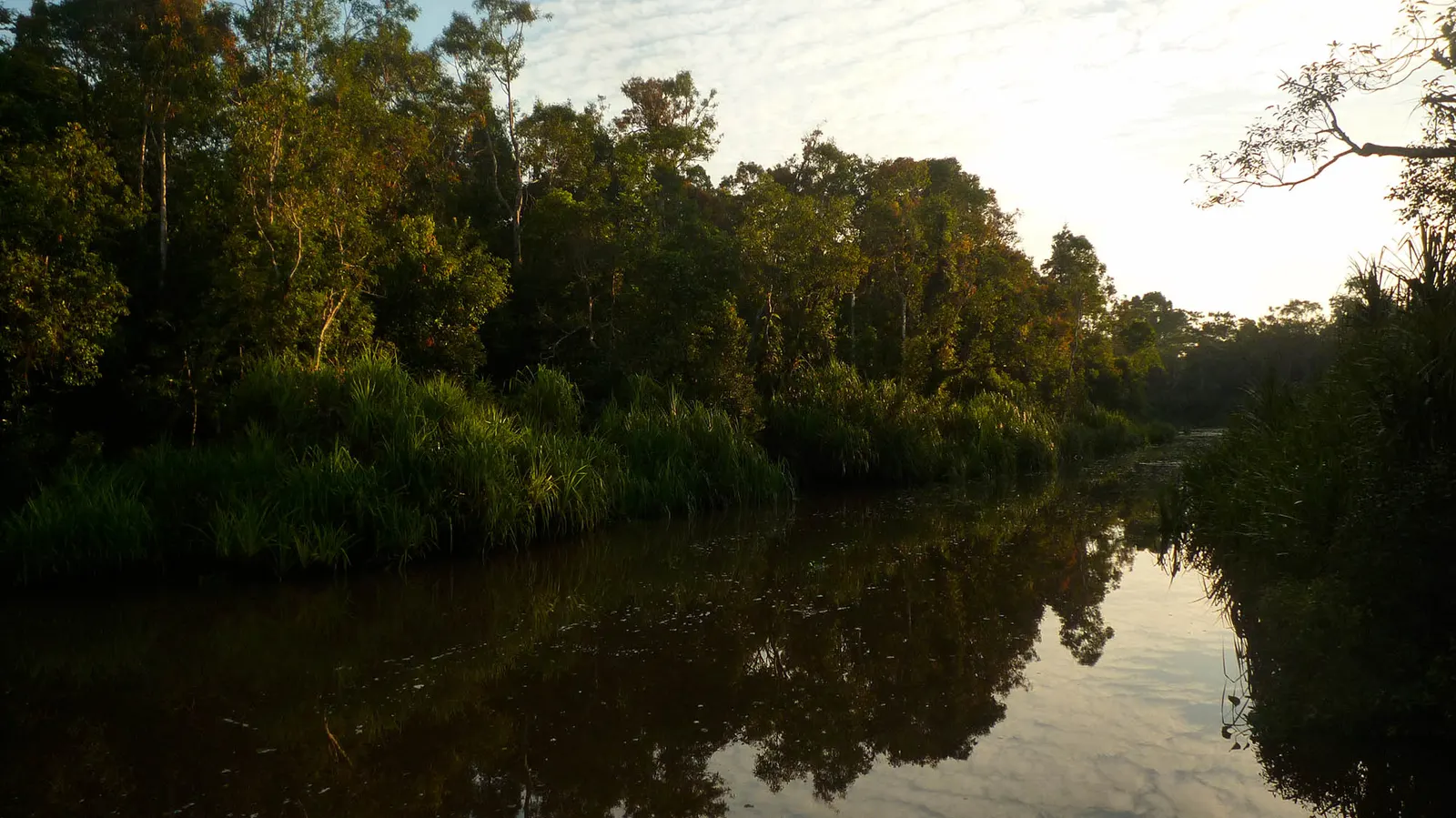
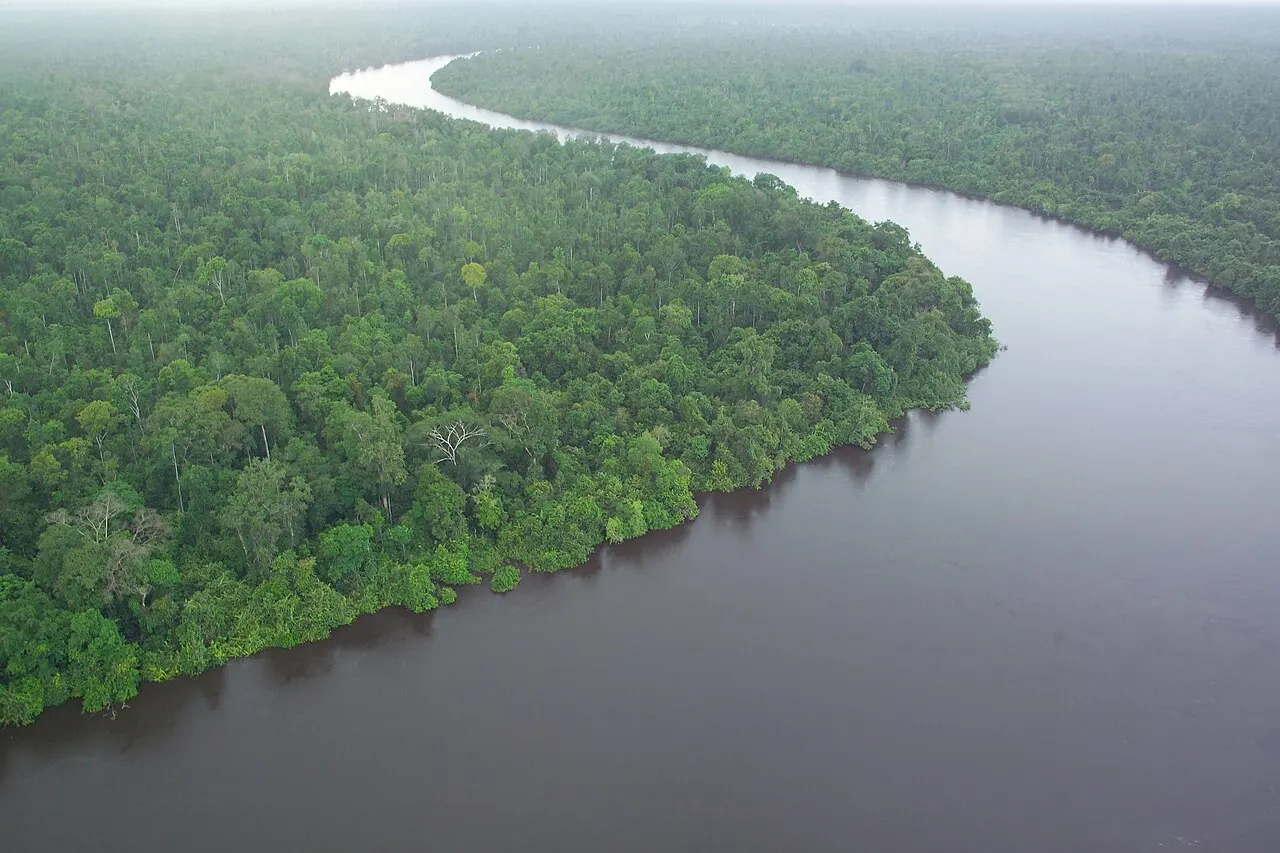
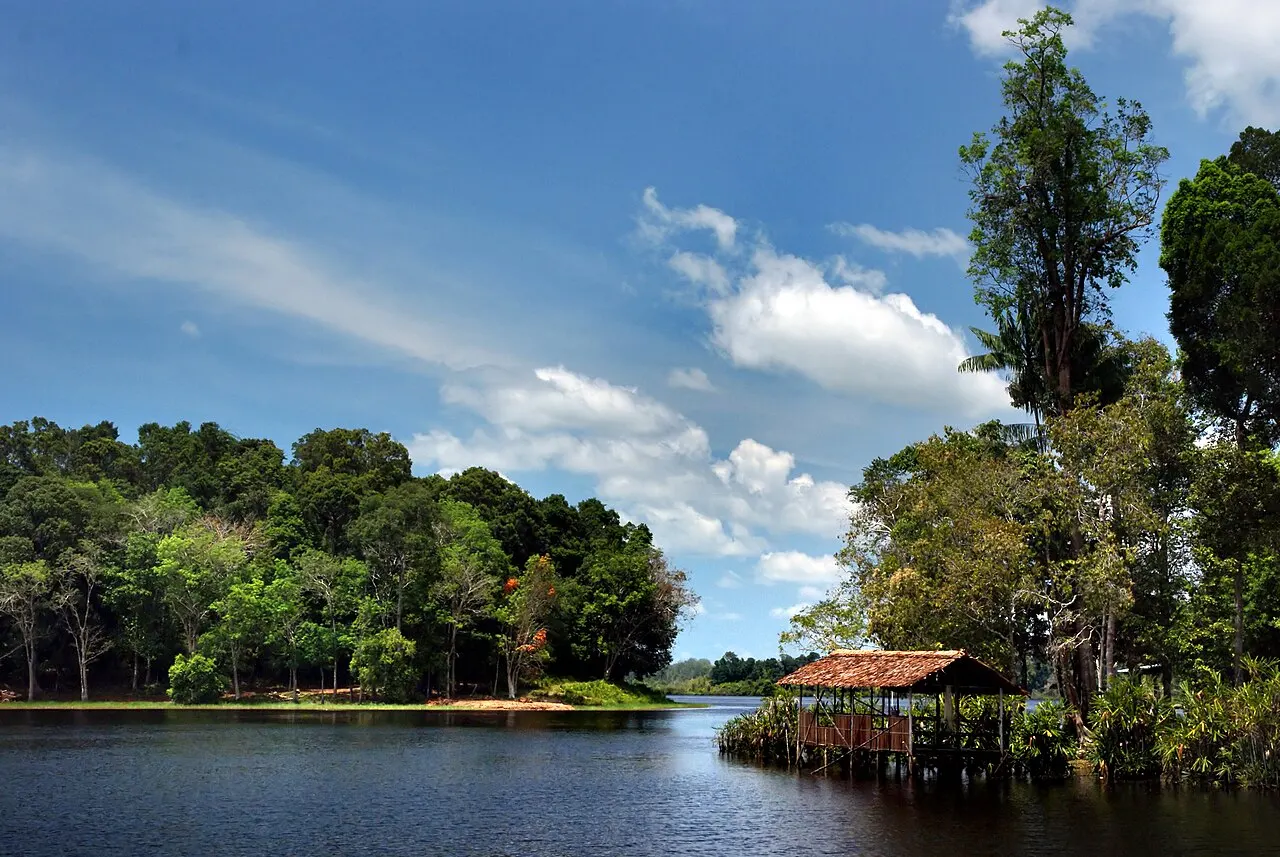
A shaded forest canopy can become part of its nutrient supply: fallen leaves collect in the open pitchers, and research demonstrates their contribution to plant nutrition. That makes this species especially interesting beside the more insect-focused Raffles’ pitcher plant. In Central Kalimantan, the Habaring Hurung study records N. ampullaria in closed forest within Sebangau National Park. Its wider native range includes other parts of Southeast Asia and New Guinea, so it is not Borneo endemic.
Sources & references · 3
International Journal of Plant Sciences, 2003 · From carnivore to detritivore? Leaf-litter utilisation in Nepenthes ampullariaIAIN Palangka Raya · Nepenthes ampullaria: documented occurrenceRoyal Botanic Gardens, Kew · Nepenthes ampullaria: accepted name and rangeEcological relationships
In the Matang Range of Sarawak, the tiny frog Microhyla borneensis breeds in mature or ageing pitchers of Nepenthes ampullaria, where its tadpoles develop in the fluid. The frog was originally described as M. nepenthicola; later taxonomic work placed that name in synonymy with M. borneensis.