Recognition
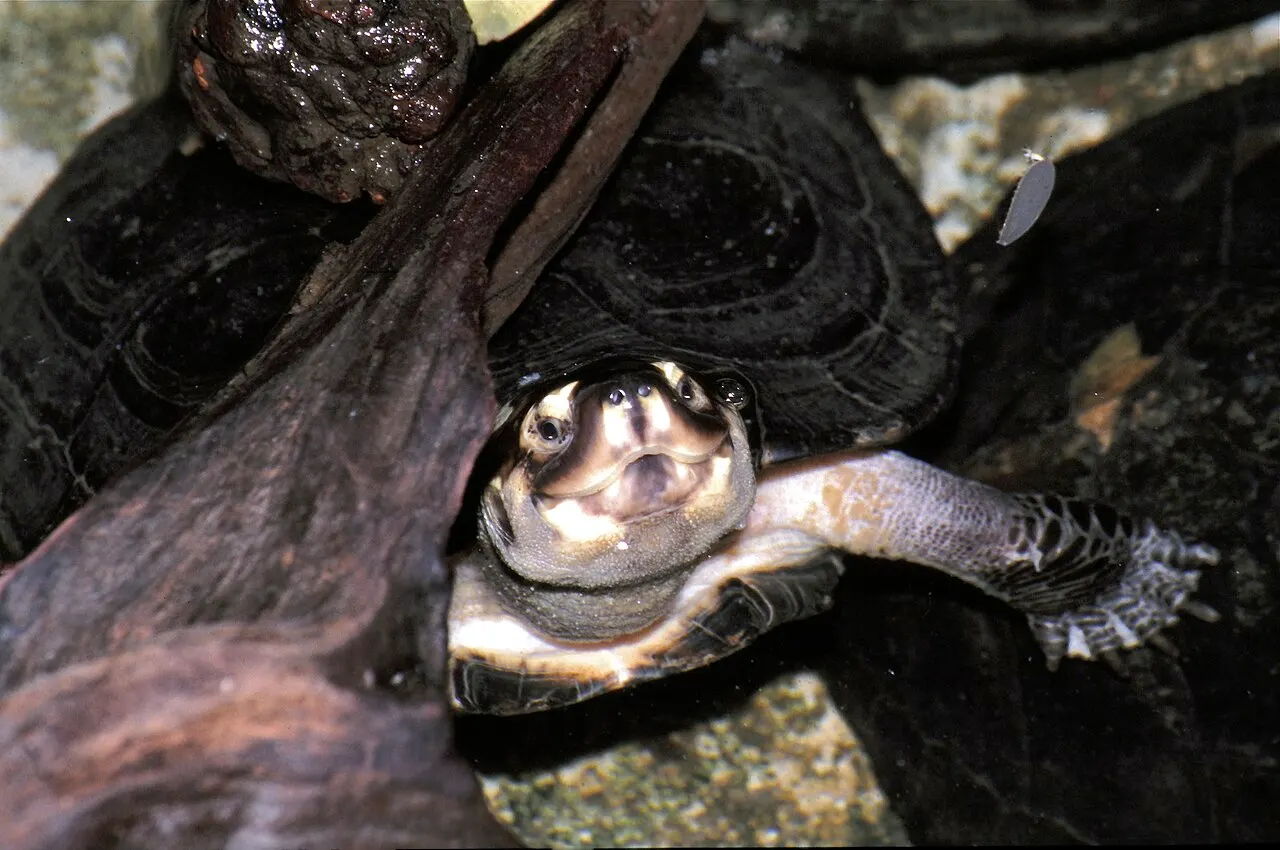
A dark freshwater turtle with conspicuous pale cheek markings, the black marsh turtle is also known as the smiling terrapin. Its scientific name, Siebenrockiella crassicollis, distinguishes it from the closely related Philippine forest turtle.
Sources & references · 1
reptile-database.reptarium.cz · Black marsh turtle: natural historyFreshwater forests
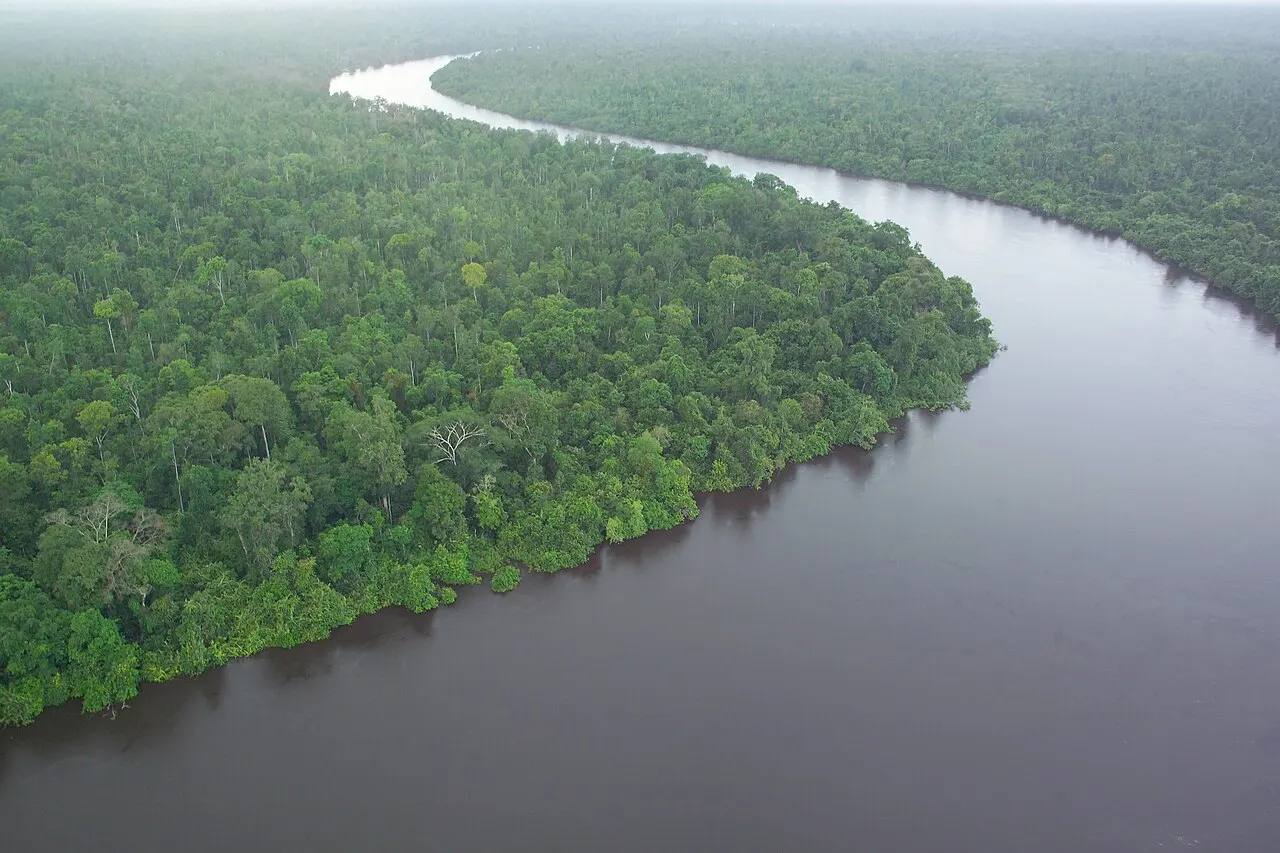
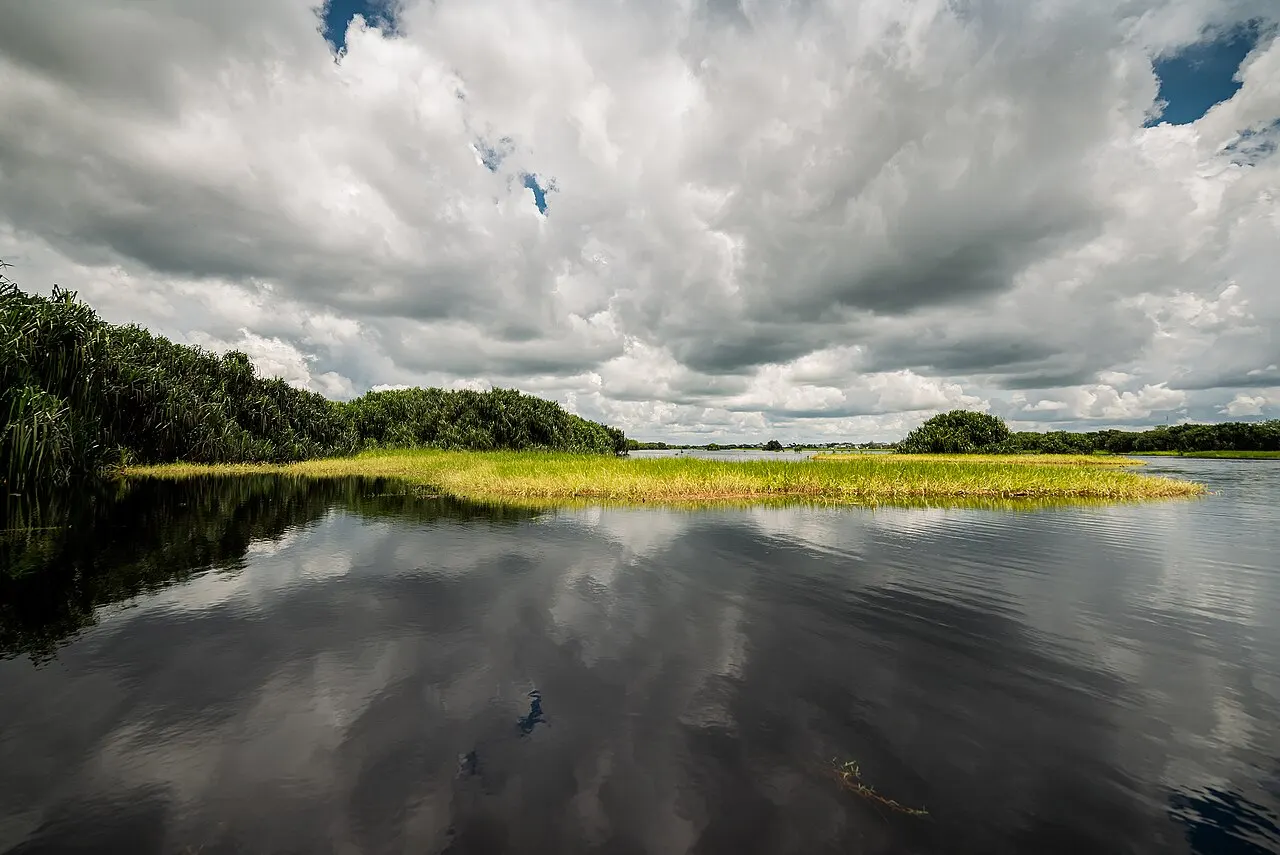
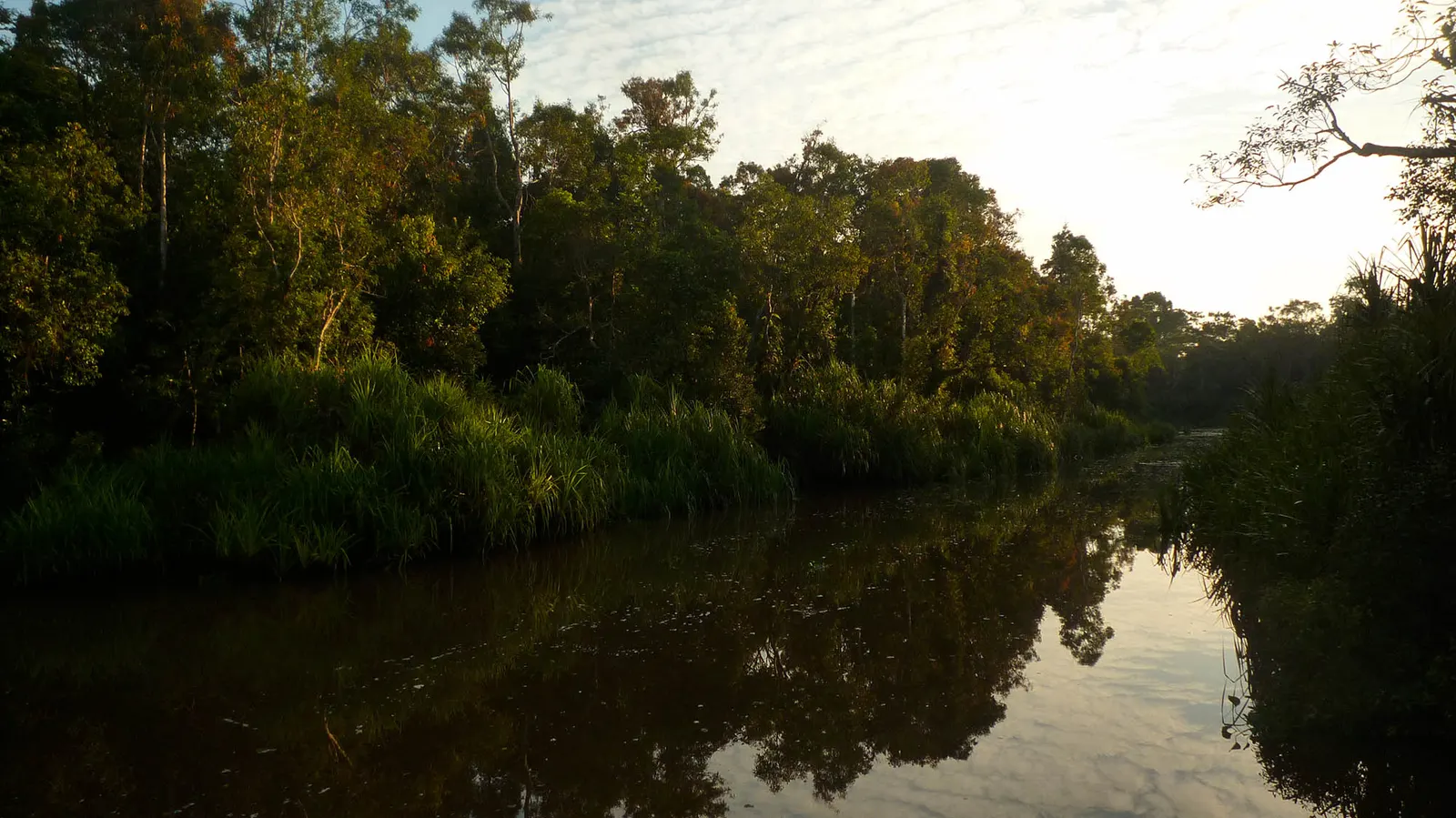
Rivers and swamps offer freshwater habitat. During a 2019 night survey, researchers found the species in a peat-water stream at Punggualas, Sebangau National Park. This places it within Central Kalimantan’s peat-swamp forest community. Maintaining forest cover and natural water conditions helps retain the landscape described by that observation.
Sources & references · 2
Universitas Palangka Raya · Maulidi et al. (2020), Inventory and Conservation Status of Herpetofauna in Punggualas, Sebangau National Parkreptile-database.reptarium.cz · Black marsh turtle: natural historyEggs, and the limits of captive evidence
Long-term zoo observations of Sumatra-origin turtles recorded single eggs laid at intervals and incubation averaging about 72 days under controlled conditions. The animals were bottom-dwelling omnivores. These observations establish useful reproductive context, but aquarium diets and incubation temperatures cannot define the timing or success of wild nests in Borneo.
Sources & references · 1
René Honegger / Salamandra22:1–10 · Zur Pflege und langjährigen Nachzucht von Siebenrockiella crassicollisTrade and protection
The 2021 IUCN account lists this species as Endangered and identifies exploitation, trade and habitat loss as threats. A freshwater turtle can remain present at a surveyed locality while facing pressure across its range. Wild individuals should be left undisturbed and never collected for pets.