Recognition
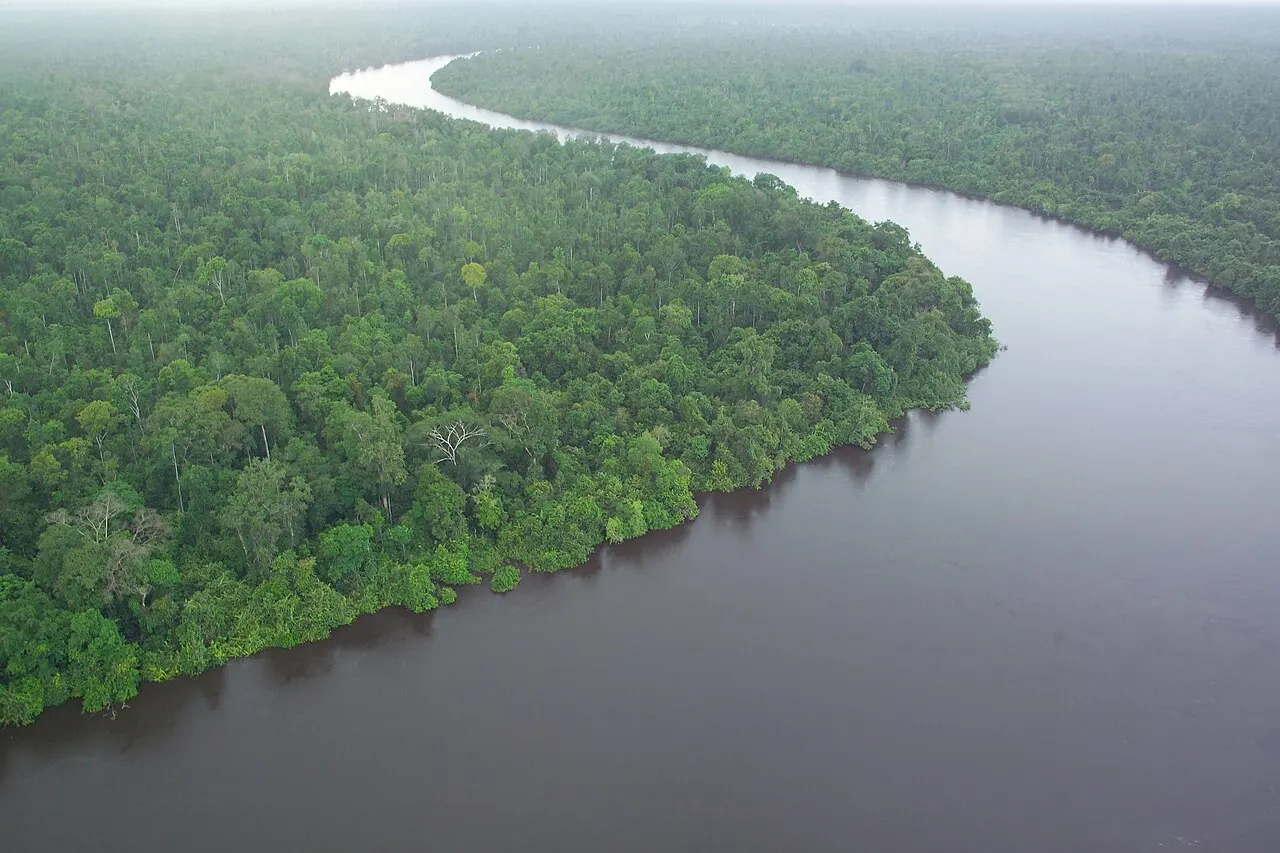
This forest-associated stork is documented in Sebangau's peat-swamp landscape.
Sources & references · 1
www.researchgate.net · Storm's stork: natural historyDaily life
Camera-trap records underpin research on the importance of Kalimantan peat forests for its conservation. Loss of lowland forest is a central threat identified in that research.
Sources & references · 1
www.researchgate.net · Storm's stork: natural historyRange and local records
Published research has documented this species at Sebangau NLPSF; Sungai Paduran Alam, Sebangau National Park. These observations provide a historical picture of its Bornean forest range.
Sources & references · 2
Mires and Peat · Husson et al. (2018), Biodiversity of the Sebangau tropical peat swamp forest, Indonesian Borneowww.tnsebangau.com · Sebangau National Park, Sungai Paduran Alam (2015)Forest and water
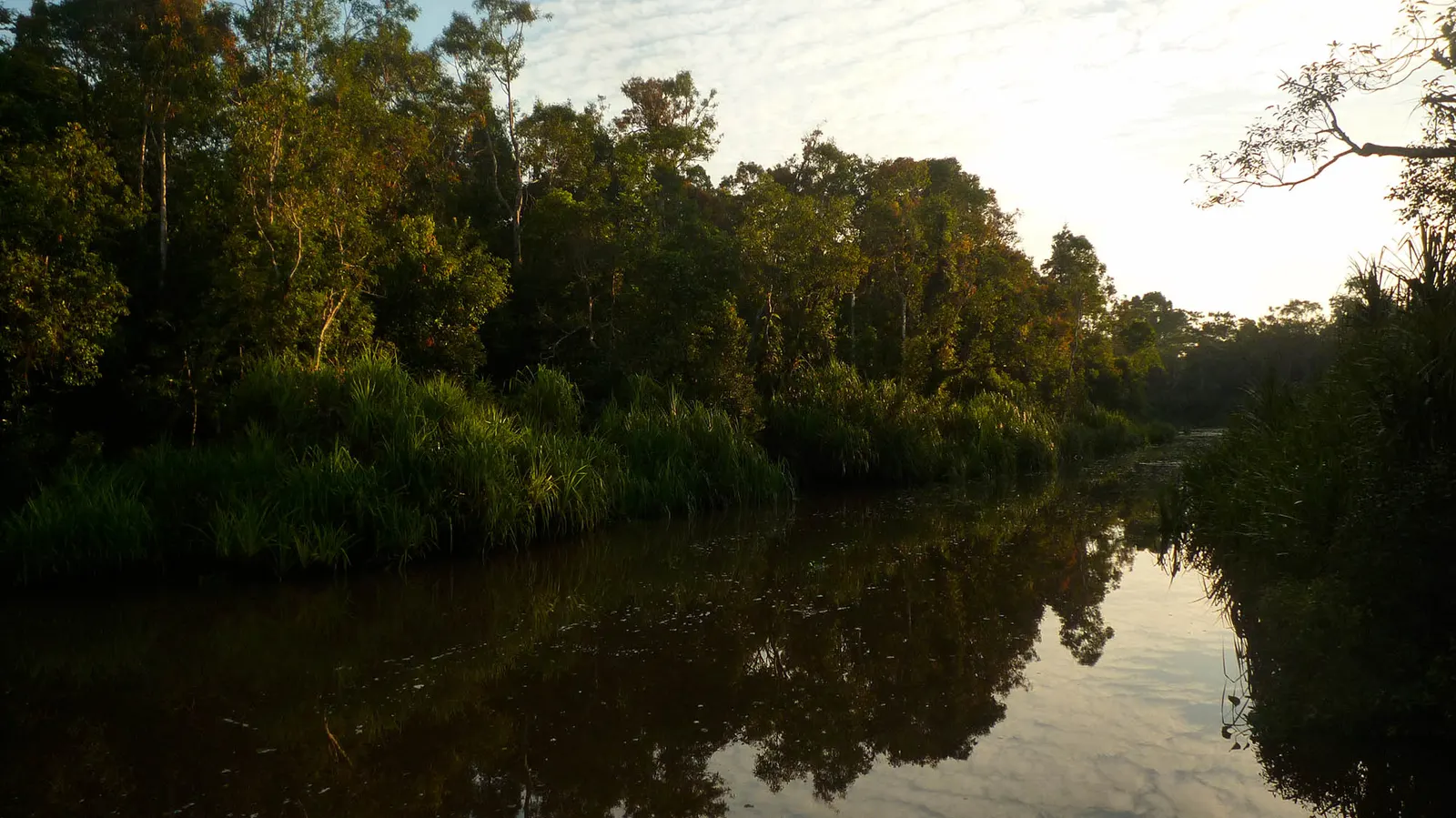
The linked habitat is the documented Sebangau peat-swamp landscape. Observation dates and locality remain attached to the evidence, so a park-wide abundance or sighting probability is not inferred.
Sources & references · 2
Mires and Peat · Husson et al. (2018), Biodiversity of the Sebangau tropical peat swamp forest, Indonesian Borneowww.tnsebangau.com · Sebangau National Park, Sungai Paduran Alam (2015)What a studied nest reveals
Detailed breeding measurements come from a 1989 nest in southern Sumatra, not Borneo. Two eggs hatched after less than 29 days of incubation. Small fish formed most chick food, and the young first flew at roughly two months. This supplies species-level context while leaving Bornean breeding calendars unresolved.