A protected peat landscape
Maludam National Park protects peat-swamp forest in Sarawak, associated with the Maludam community and river landscape. Its importance is not dependent on having a visitor centre, an easy walking circuit or a reliable animal-viewing platform. The park safeguards habitat for distinctive primates and birds, while its river has attracted scientific research into how tropical peat landscapes function. This page is a conservation and landscape introduction. It is not a self-guided itinerary or a claim that an ordinary visitor can arrive and join a regular departure. Understanding that distinction is essential when comparing Maludam with parks that have established visitor facilities.
The forest and river belong together
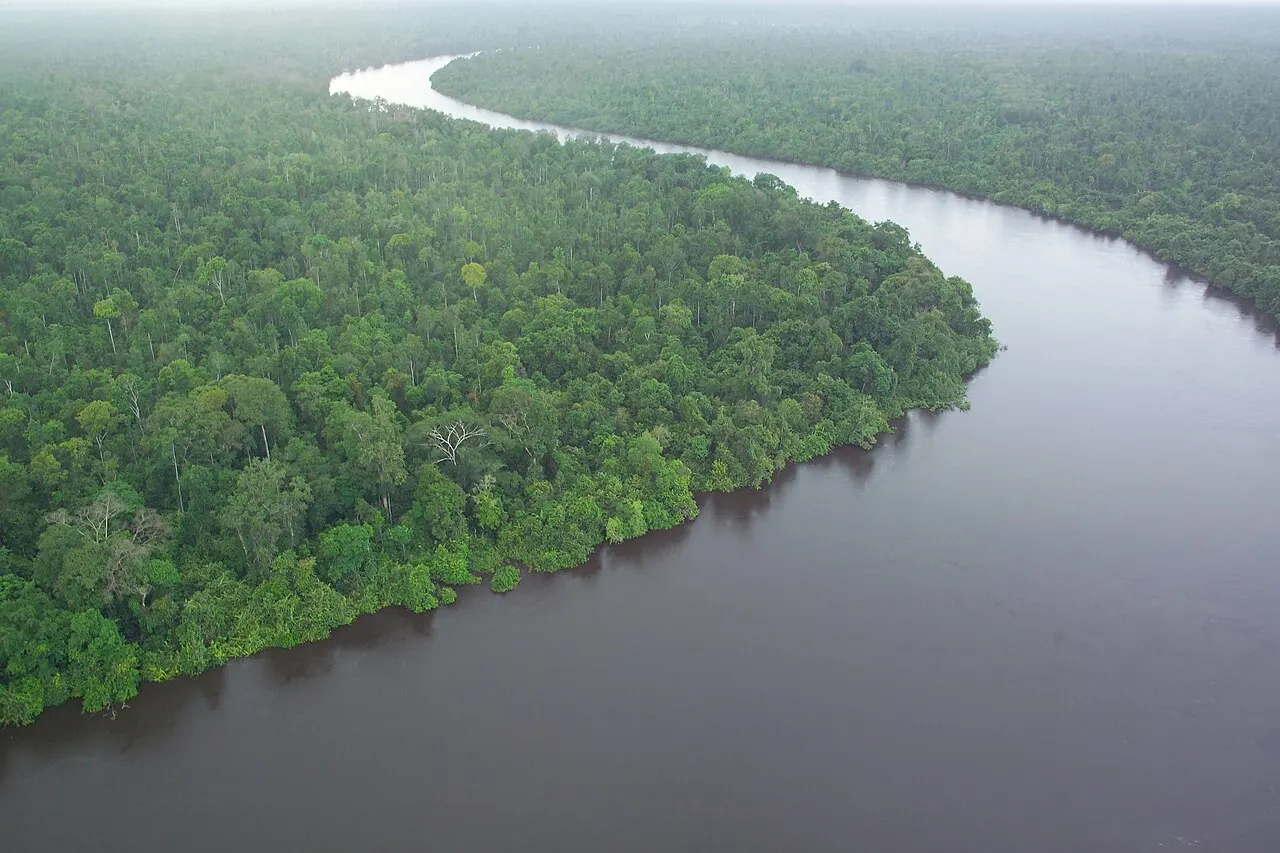
The defining habitat is peat-swamp forest. Peat, vegetation and water form a connected system rather than separate scenic features. Research on the Maludam River has examined organic carbon carried from the forest into river water, helping explain the links between land and downstream environments. Its dark water should therefore not be judged by the same expectations as a clear mountain stream. Scientific descriptions also vary in how they describe the catchment’s history and degree of disturbance; it would be misleading to call every part untouched. The useful lesson is that protecting a river landscape requires attention to the forest and water processes around it, not just the visible riverbanks.
Primates are part of the conservation story
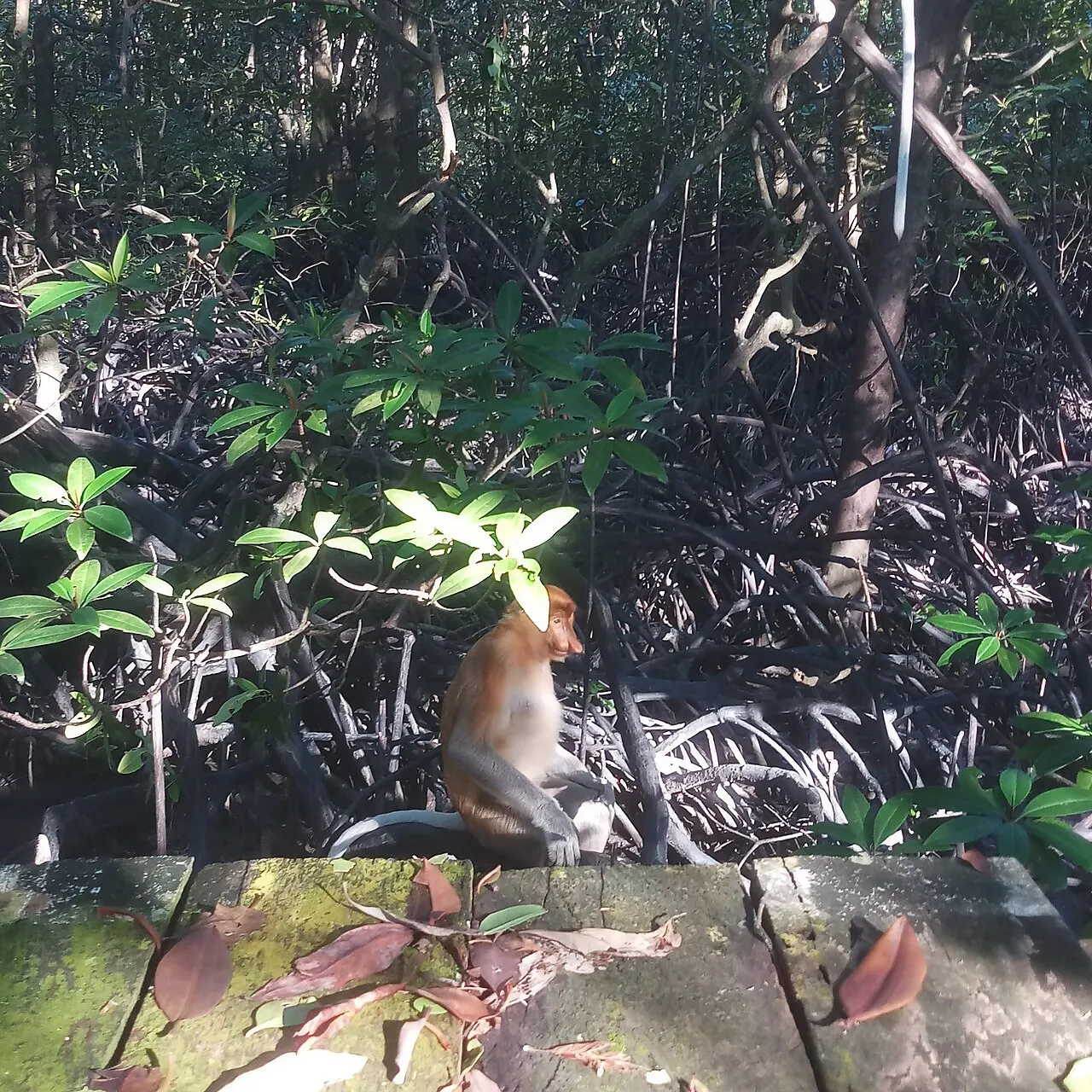
Sarawak Forestry identifies red-banded langurs, proboscis monkeys, silvered langurs and long-tailed macaques among the animals for which Maludam provides habitat. The manager also lists black hornbills and Oriental pied hornbills. These records establish ecological relevance, not the probability of a sighting on any particular journey. Avoid interpreting a list of animals as a checklist that a boat operator must deliver. No nesting place, sleeping tree or research plot is needed to explain the park’s importance. If an authorized visit is eventually arranged, observation should remain quiet and distant, with no feeding, calling animals closer or approaching a group simply to improve a photograph.
Why this is not a ready-made boat itinerary
Official sources do not provide a single clear picture of ordinary visitor access. The park manager describes local-community boat services on the Maludam River, while tourism literature says the park is not officially open even though boat visits may be possible. Neither description supplies a verified current receiving host, departure arrangement or complete permission process. This guide therefore does not treat the river as a scheduled excursion. Before committing to travel, seek confirmation from Sarawak Forestry about whether the proposed visit is permitted, who receives the group, which boat and landing are approved and what conditions could cancel the journey. A generic location listing cannot answer those questions.
Community context without an assumed invitation
The Maludam community is part of this landscape, not simply a service point for outsiders entering a park. Government descriptions connect river travel and possible homestay income with local livelihoods, but that does not mean every household receives guests or that accommodation is available on arrival. Any accepted stay needs its own host confirmation, food arrangements, transport plan and agreement about photography and private spaces. No visit duration is prescribed here because an unconfirmed programme should not be turned into a two-day schedule. For now, use Maludam to understand Sarawak’s peat-forest conservation and keep a flexible travel plan until the responsible manager and host confirm a workable visit.