Overview
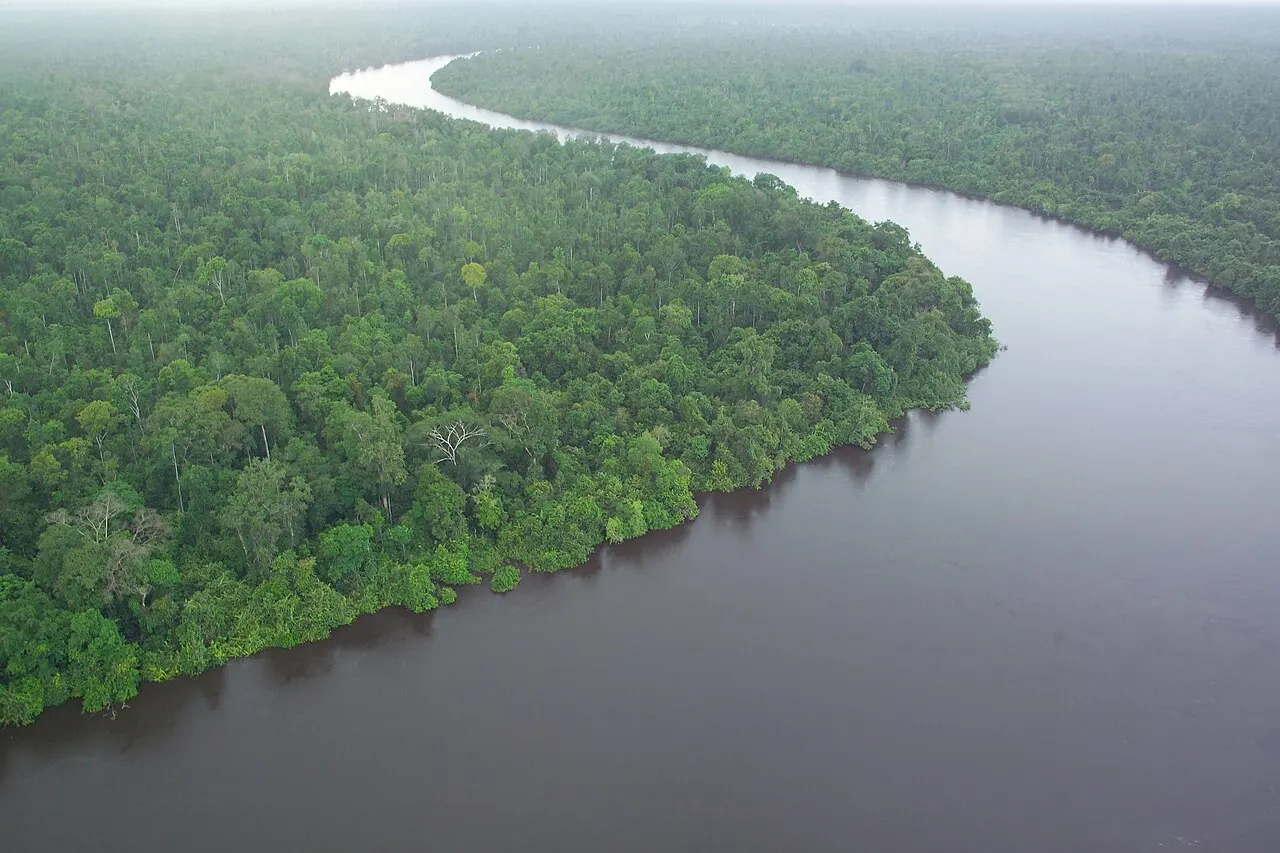
A moving branch or a bird call draws attention into the canopy. In Sebangau, the ground beneath it is just as important: peat is organic soil held in a waterlogged system. Forest and water are connected, so understanding the landscape means looking beyond the trees. The route from an orangutan to peat-swamp habitat and then to Sebangau reveals why protecting an animal also requires protecting the conditions of its forest.
Water and peat
Canals dug to move timber can also carry water out of the peat. The Sebangau authority describes how drainage dries the system and increases its susceptibility to fire. Its restoration account pairs canal blocking with revegetation: retaining water and bringing vegetation back address connected parts of the problem. This is why a planted tree and a restored peat-swamp ecosystem are different things, and why an older programme report cannot tell us today’s water level.
Sources & references · 2
Directorate General KSDAE, Ministry of Forestry · Profil TN SebangauSebangau National Park Authority · Menteri LHK Berkunjung ke Taman Nasional Sebangau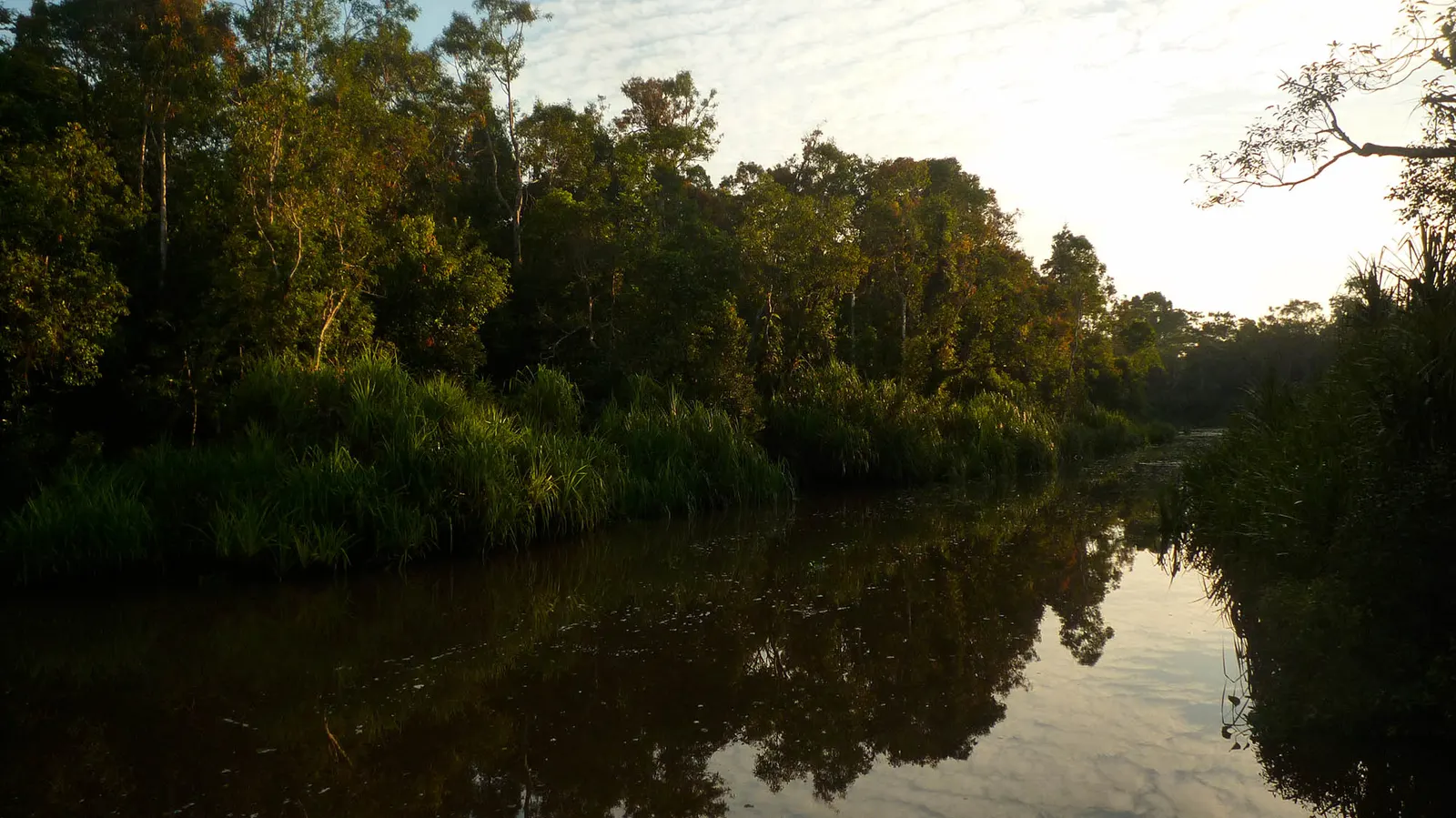
Wildlife connections
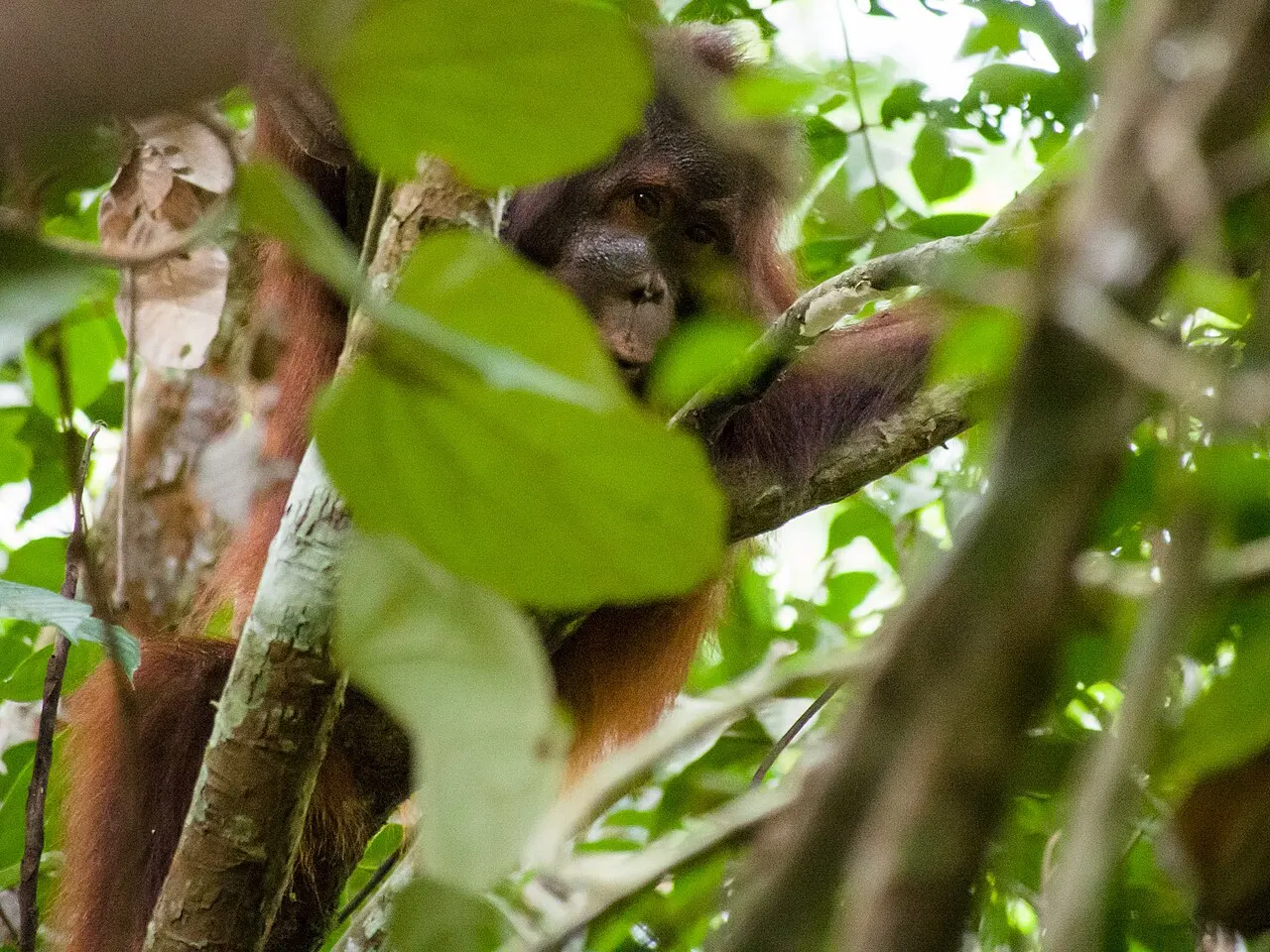
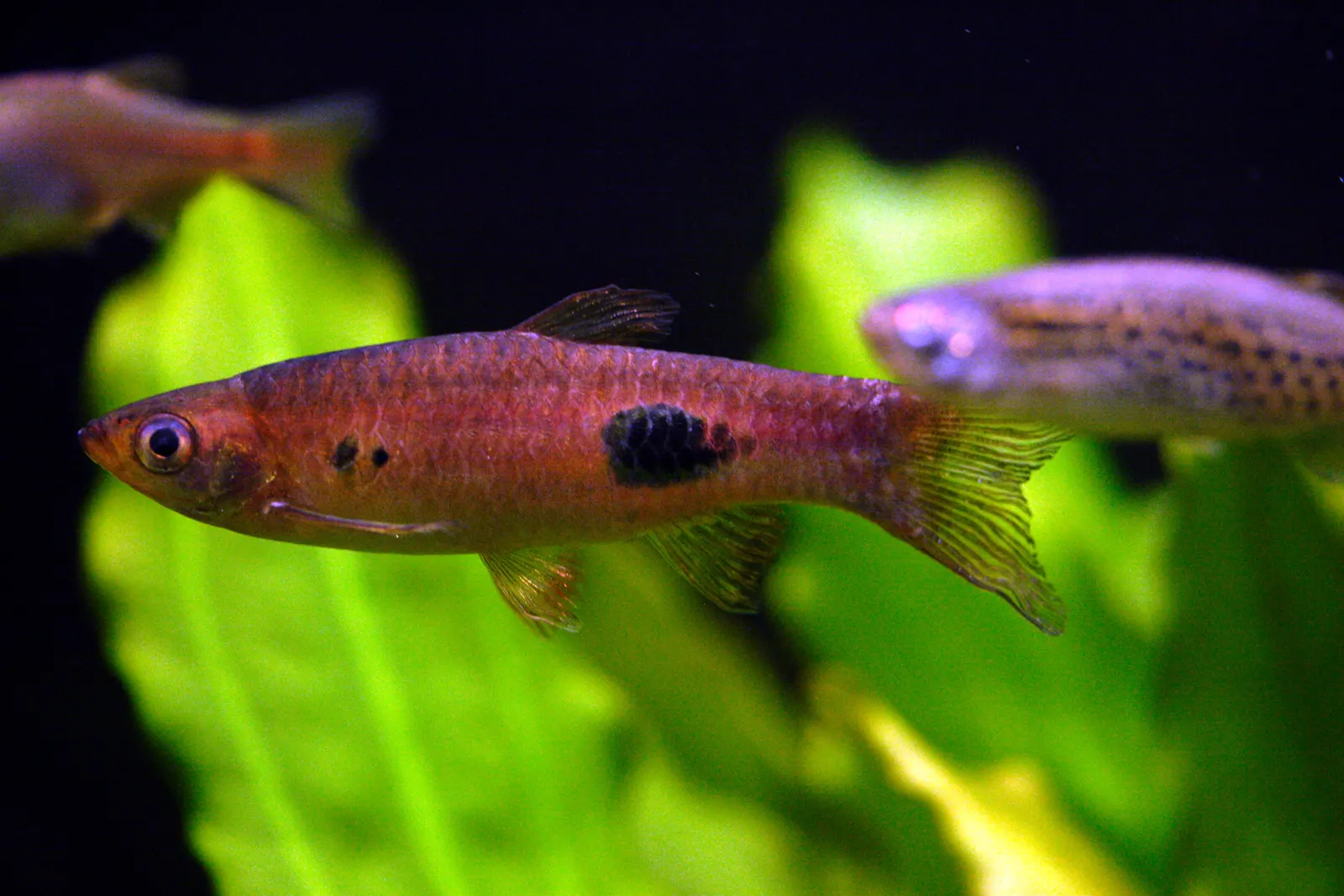
Orangutans use peat-swamp forest, and Sebangau’s park authority documents them in the protected area. Scientific records sharpen that picture by naming the places where observations were made. The NLPSF forest inventory and a river-and-forest fish survey describe their own study settings; the latter does not place every sampled fish inside the legal park boundary. Follow the linked species and habitats to see the evidence at its proper scale, rather than turning the whole province into one interchangeable wildlife location.
Reading the landscape
For visitors, Kereng Bangkirai and the Camp Koran route offer a documented way to connect river travel with a forest walk. Ask which paths are open and how water conditions affect the journey. An access listing answers a planning question; an inventory answers where a species has been recorded. Keeping those questions separate leaves room to enjoy the forest without treating an old observation as a promise of an encounter.