Two gateways, two styles of visit
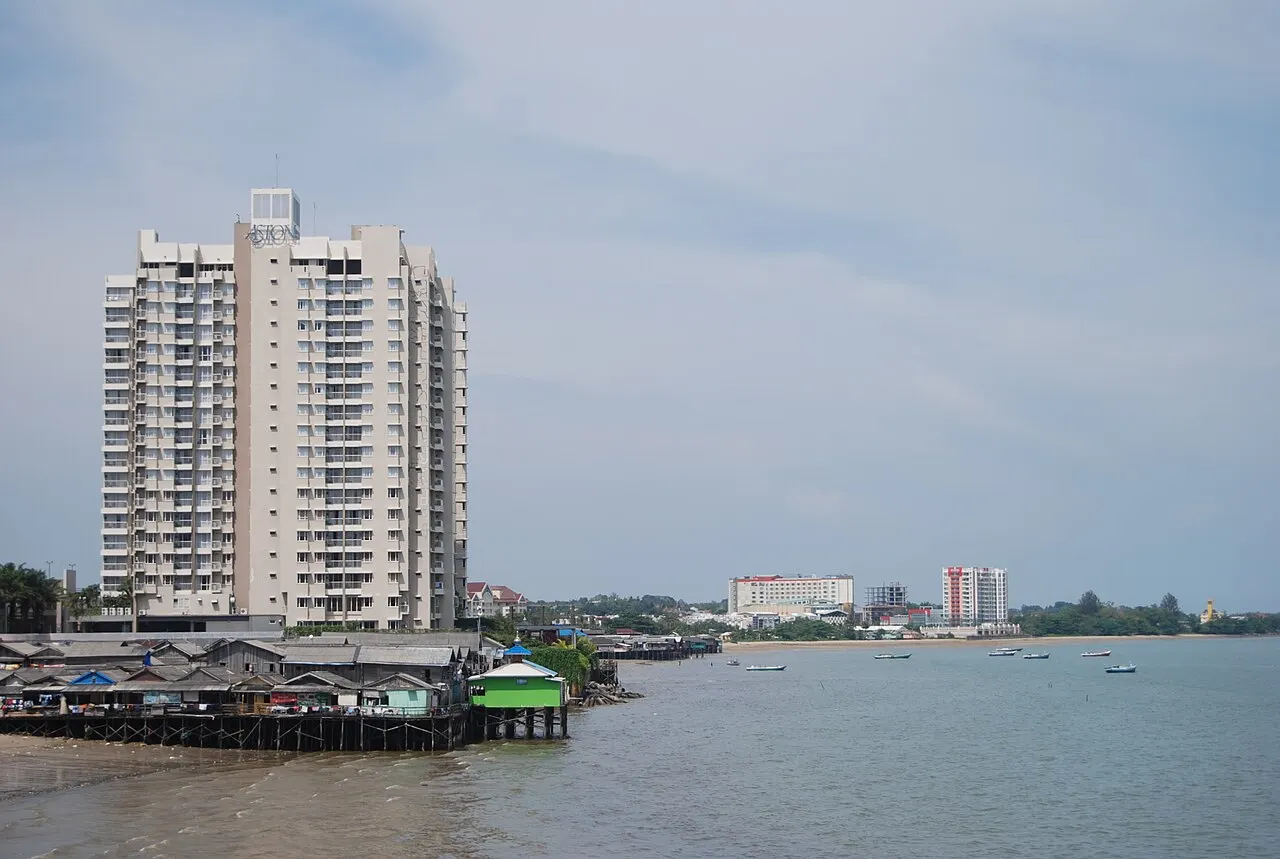
Palangka Raya is the practical base for visitor programmes entering Sebangau National Park through Kereng Bangkirai. Farther west, Pangkalan Bun and Kumai support journeys towards Tanjung Puting National Park. They are separate travel hubs, not neighbouring entrances to the same forest.
Choose Sebangau when a city-based day combining boat access and a forest walk fits your itinerary. Consider Tanjung Puting when you want several days in a river-and-forest setting, with the option of sleeping aboard a klotok or in riverside accommodation. These are useful starting distinctions; the specific operator programme still determines the visitor stops, time walking and accommodation.
Sebangau: a guided day in peat-swamp forest
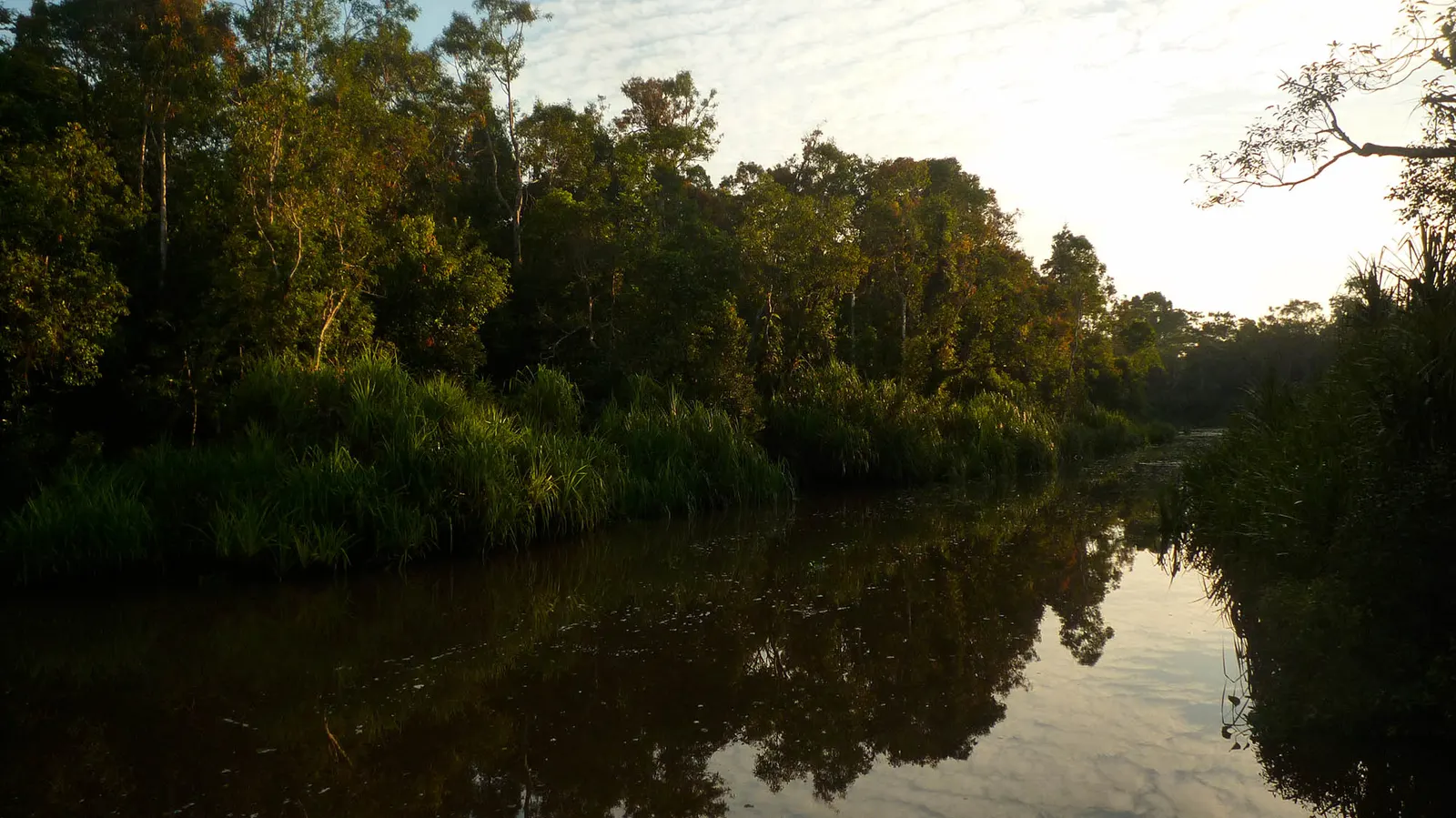
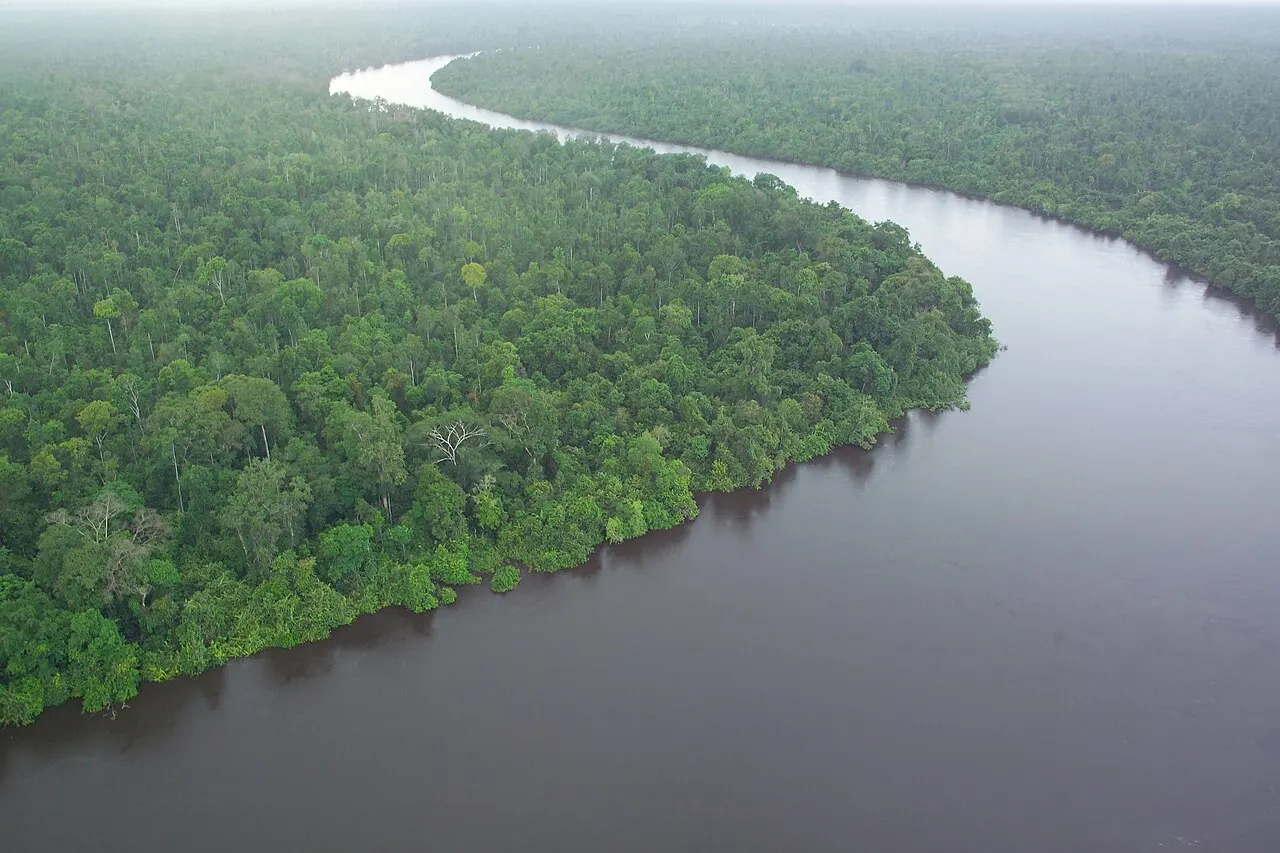
The documented Kereng Bangkirai programme travels by small boat towards Sungai Koran and Camp Koran, then adds a guided forest visit. This makes the journey itself part of learning about peat-swamp habitat: water, forest and the visitor trail are connected parts of the same landscape. It is a strong option if your interest includes vegetation and the experience of entering a wet forest environment, rather than only large mammals.
Allow a full day from Palangka Raya. Walking can include boardwalk sections and uneven, wet forest ground, so ask which trail is currently being used and how far the guide expects to walk. The park is important orangutan habitat, but a short visitor walk is not equivalent to a scheduled orangutan encounter. Listening for birds and looking at the structure of the forest are worthwhile parts of the outing in their own right.
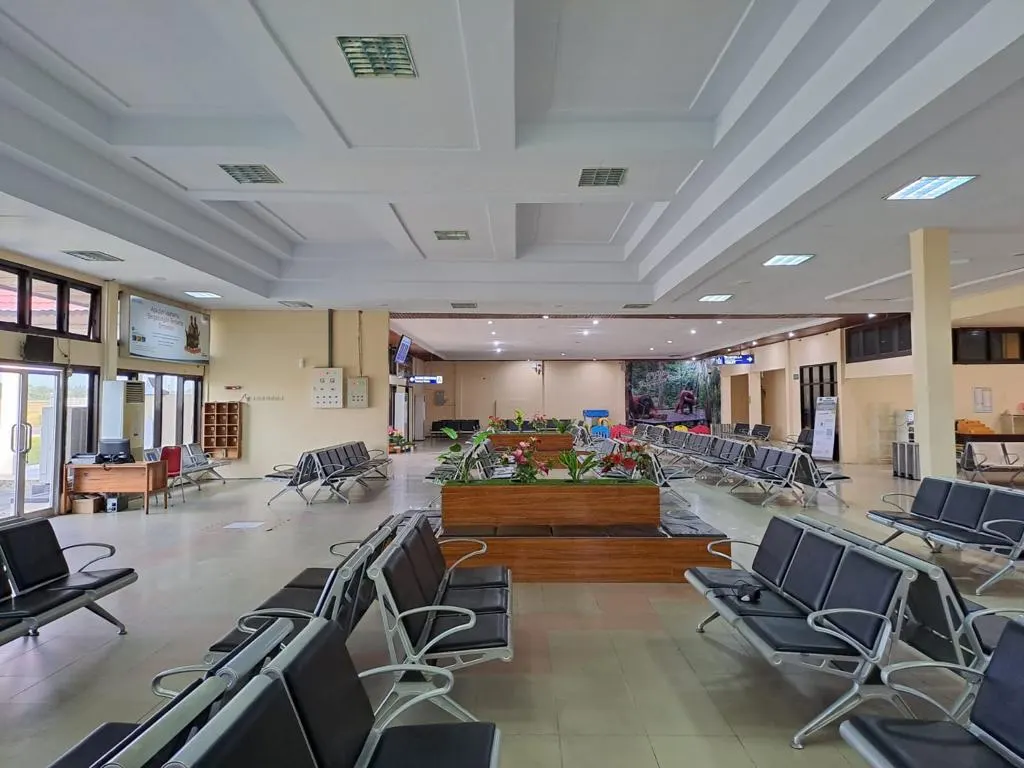
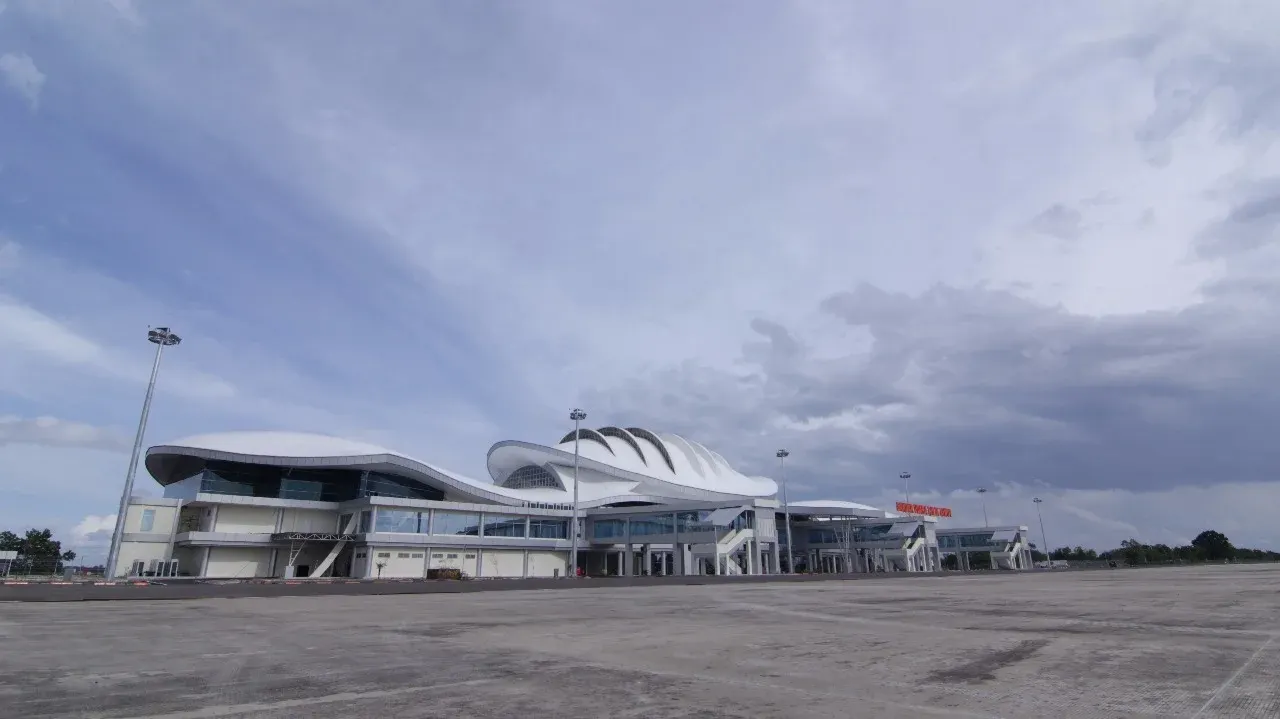
A local guide and boat arrangement make the logistics concrete. Confirm the meeting place, included park entry, food and return transfer. Swiss-Belhotel Danum and Bukit Raya Guesthouse are existing Palangka Raya bases to consider. Arriving through Tjilik Riwut Airport gives access to that city, followed by the local road-and-boat stages.
Tanjung Puting: repeated observation from river and visitor trails
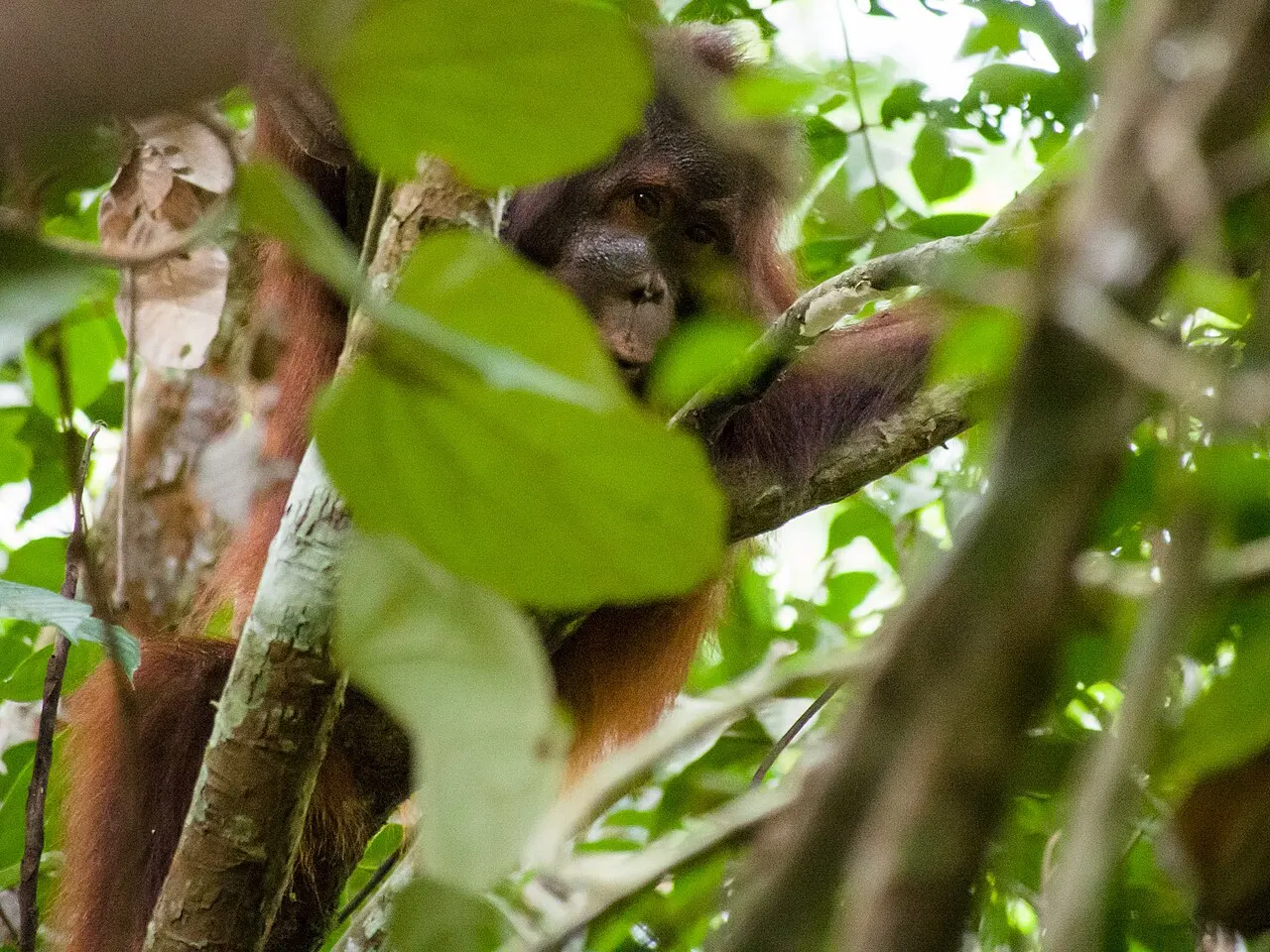
Journeys from Kumai along the Sekonyer combine time aboard with stops at authorised park visitor areas. The riverbank is part of the experience, with primates and birds using trees beside the water. At particular visitor sites, orangutan observation has a management and conservation context that a guide should explain. Read about Bornean orangutans before the trip, while keeping the difference between a wild encounter, a managed feeding setting and research activity clear.
Two or three days is a useful planning starting point if you want an overnight river experience. More time allows a less hurried pace between travel and visitor stops. A klotok can serve as transport and a sleeping base, while Rimba Orangutan Ecolodge is an existing shore-based accommodation option to investigate. Ask what your proposed programme actually includes rather than assuming every vessel or lodge visit follows the same route.
Reach the area through Pangkalan Bun, with Iskandar Airport serving the gateway, then continue by road to Kumai. Agree pickup and boarding arrangements in advance. The amount of walking, sleeping comfort and bathroom provision vary between programmes, making those practical questions especially important for families and travellers who have not slept aboard a small river boat before.
What observation really involves
Wildlife watching often means waiting, listening and looking through layers of foliage. A guide may notice movement or a call before an animal is visible to the group. Boat observation can reduce sustained walking, but branches still obscure views; forest walking brings closer attention to ground and canopy without guaranteeing easier mammal sightings.
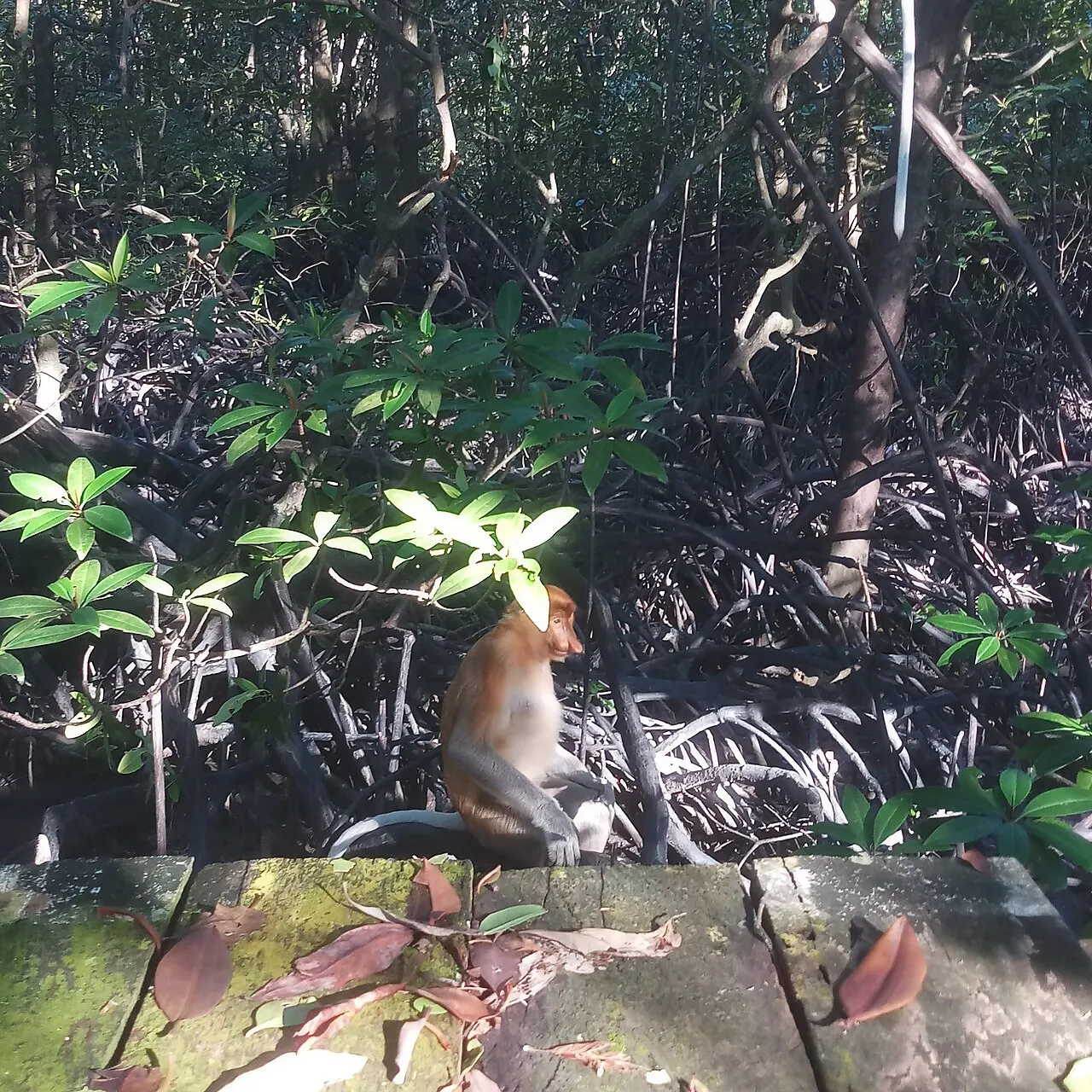
Avoid choosing a programme only by the length of its species list. Ask where observation takes place, whether the list describes the wider park or likely subjects on the actual route, and how the guide approaches animals. Proboscis monkeys and forest birds form part of the broader river-wildlife story in Tanjung Puting, while Sebangau's peat setting has its own visitor context. An animal's presence in Central Kalimantan is not enough to promise it at a particular trail.
Which option fits your group?
For a traveller with one free day in Palangka Raya, the Sebangau combination is the clearer fit. For someone building a wildlife-focused holiday with several days available, the Sekonyer journey offers more sustained time near forest. Birdwatchers may prefer a programme with early departures and quiet time rather than a rapid sequence of mammal stops; the regional birdwatching guide develops that choice.
Families should discuss boarding, life jackets, sleeping arrangements and the actual walking surface. Photographers benefit from realistic time at each stop and agreement about keeping the group quiet. Travellers who find uneven walking difficult can ask about a more boat-focused plan, while recognising that landing stages and boats still require movement and balance.
Preparation, permission and the next page to open
Arrange the guide, transport and accommodation as one coherent plan even when paying for them separately. Ask which park-entry charges and visitor permissions are included, and which routes are currently open. A research site or restricted forest area should not be treated as public access simply because it appears in a documentary. Guides should explain the authorised visitor route they are using.
Carry rain protection, drinking water and dry storage for equipment; choose footwear for the actual trail rather than the activity's general title. Keep voices low, avoid feeding and let the guide maintain an appropriate distance from wildlife. Then use the river-experience comparison to decide whether the boat and overnight style also fit your trip. A clear choice of gateway and visitor setting is more useful than booking an undefined jungle experience.