
A gateway to peat-swamp forests
Meet the waterways and living landscapes of Sebangau on an arranged forest visit.

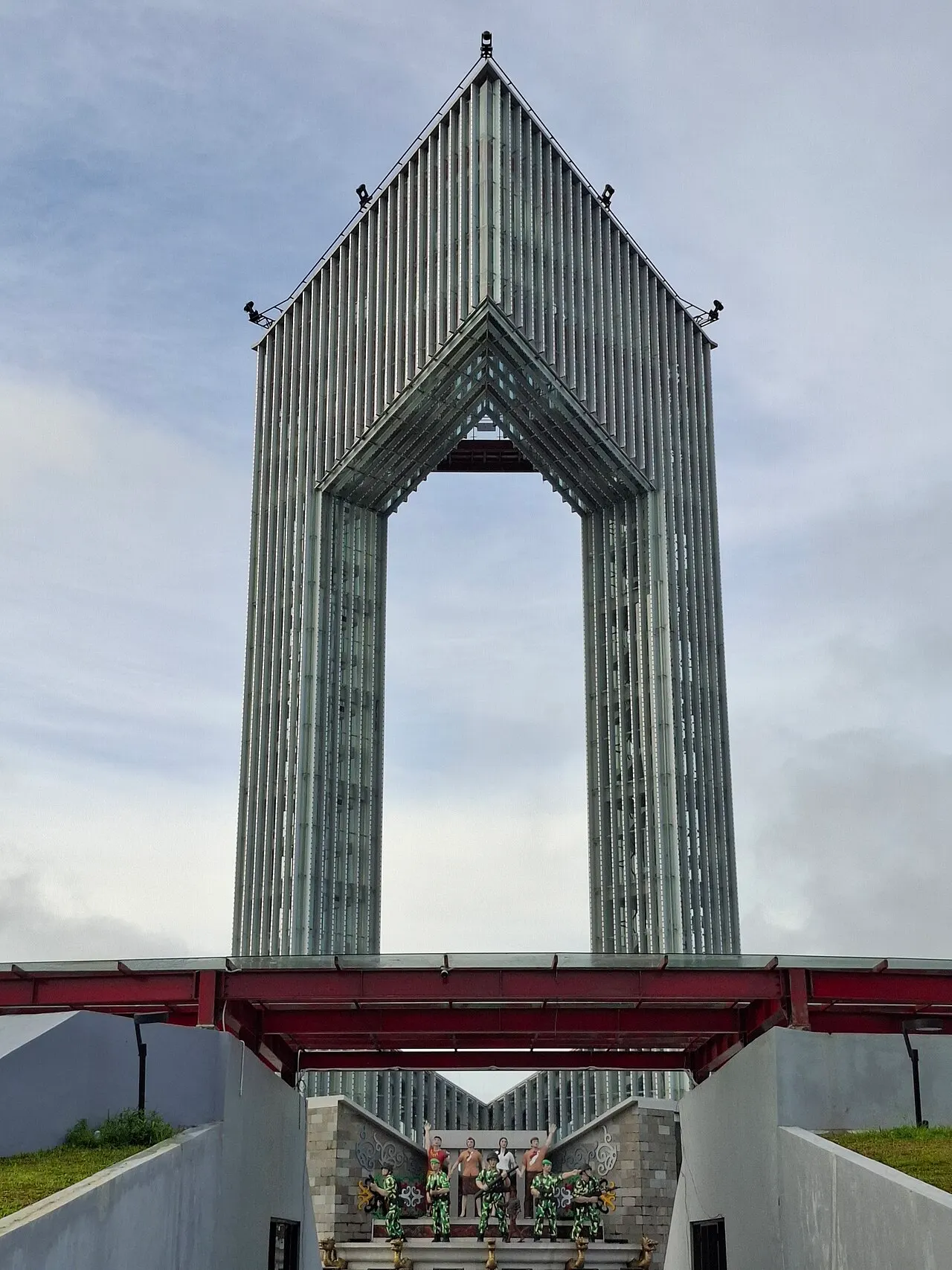
River life, Ngaju culture and the peat-swamp landscapes of Central Kalimantan. Begin in the city, then follow the water.
Meet the waterways and living landscapes of Sebangau on an arranged forest visit.

Start with Museum Balanga, then discover the stories behind the provincial capital.
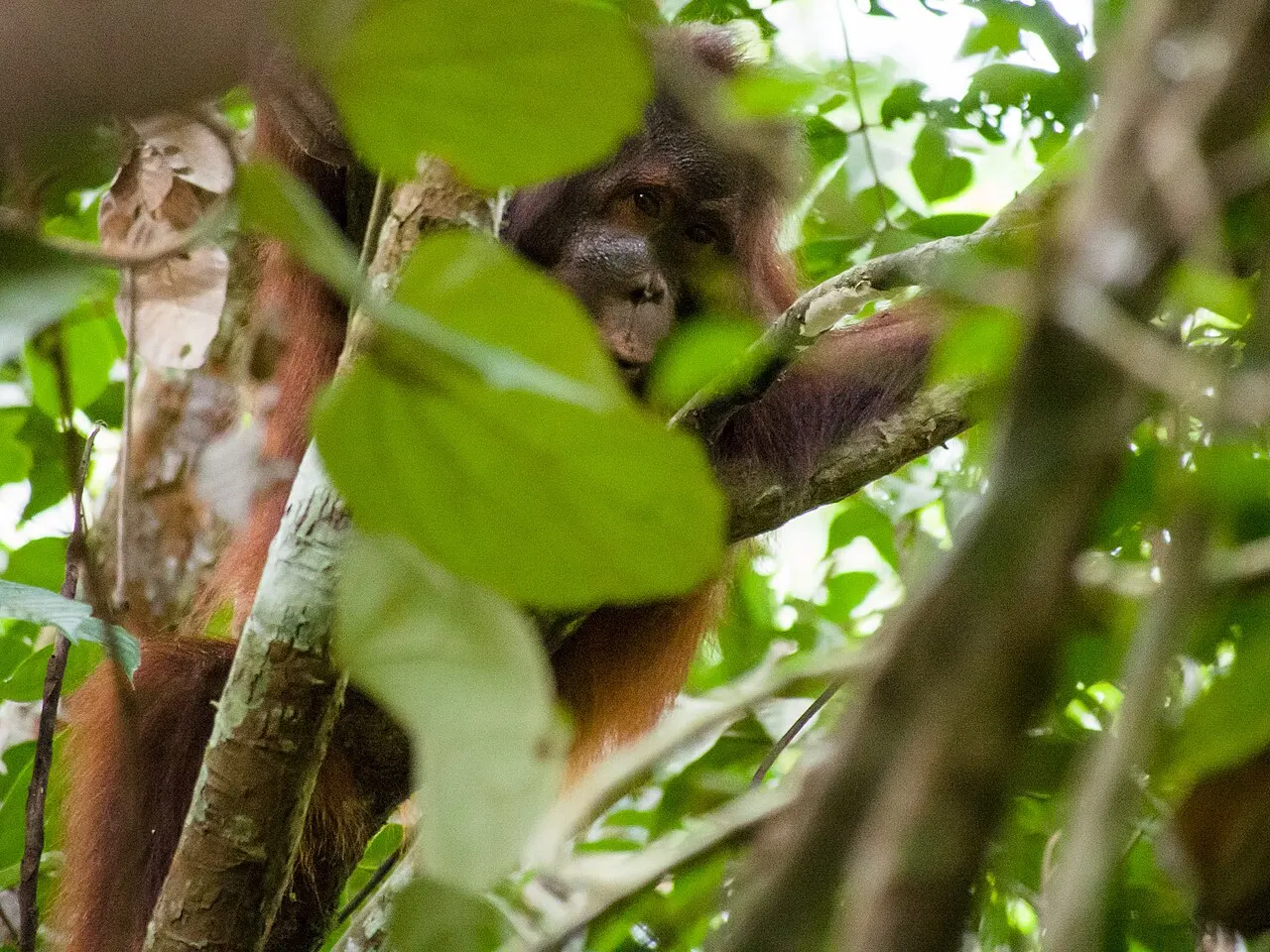
Explore the Rungan with a local guide, with wildlife observation from a respectful distance.
Discover Ngaju heritage through objects, craftsmanship and stories. A rewarding first stop before exploring the city and its rivers.
Explore furtherSet out from Kereng Bangkirai for a guided Camp Koran visit, following dark waterways into the extraordinary peat-swamp landscape.
Explore further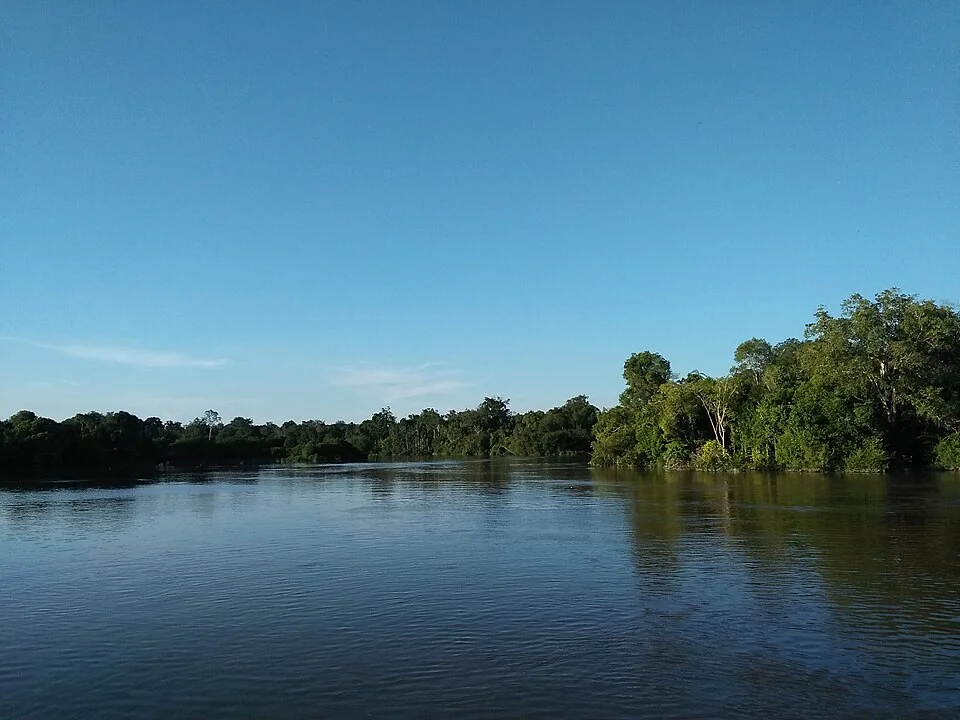
Take to the Rungan with a local guide. Around Pulau Kaja, watch the forest and its wildlife from the boat.
Explore further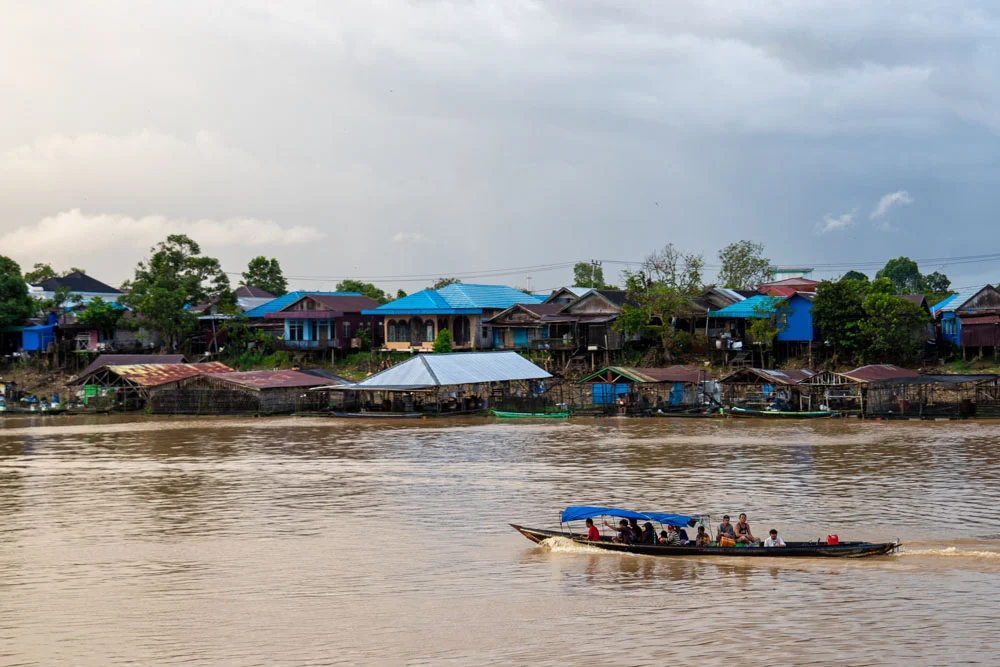
Slow down on a cabin cruise, with riverside scenery and a Rungan outing bringing different sides of Central Kalimantan together.
Explore furtherListen, look and linger. Explore Central Kalimantan’s birdlife with a local guide, choosing a habitat and route that suit your visit.
Explore further
Best Western Batang Garing is a city hotel on Jalan RTA Milono in Palangka Raya, Central Kalimantan. Its 133 rooms and suites, restaurant, lounge and…
Affiliate linkBekijk beschikbaarheid op Agoda
Stay on Jalan Imam Bonjol in Palangka Raya, with city-hotel facilities and suite options for a pause before or after a Central Kalimantan journey.
Affiliate linkBekijk beschikbaarheid op Agoda
A city hotel with a resort-style setting in Palangka Raya.
Affiliate linkBekijk beschikbaarheid op Agoda
Luwansa is a city hotel on Jalan G. Obos, with an on-site restaurant and fitness facilities. It is an option for combining a working urban…
Affiliate linkBekijk beschikbaarheid op Agoda
Bukit Raya Guesthouse offers a garden-based stay in Palangka Raya rather than a large city-hotel setting. Its accommodation varies considerably: conventional rooms sit alongside a…
Affiliate linkBekijk beschikbaarheid op Agoda
A practical city stay on Jalan Letjend S. Parman, with a restaurant and shared lobby space for a pause around your Palangka Raya plans.
Affiliate linkBekijk beschikbaarheid op Agoda
Fovere is a documented hotel in Palangka Raya's Menteng area on Jalan G. Obos. Consider it as a town accommodation option when the location fits…
Affiliate linkBekijk beschikbaarheid op Agoda
NEO Palma is a city hotel by Bundaran Besar on the Tjilik Riwut corridor. Its urban setting suits travellers who want to organise city visits…
Affiliate linkBekijk beschikbaarheid op Agoda
M Bahalap is a larger city hotel on the RTA Milono corridor, with a restaurant and swimming pool. It offers a different style of base…
Affiliate linkBekijk beschikbaarheid op Agoda
Rungan Sari is a resort-style accommodation in the Sei Gohong corridor, around the kilometre-36 point of Jalan Tjilik Riwut. It lies within the broad Palangka…
Affiliate linkBekijk beschikbaarheid op Agoda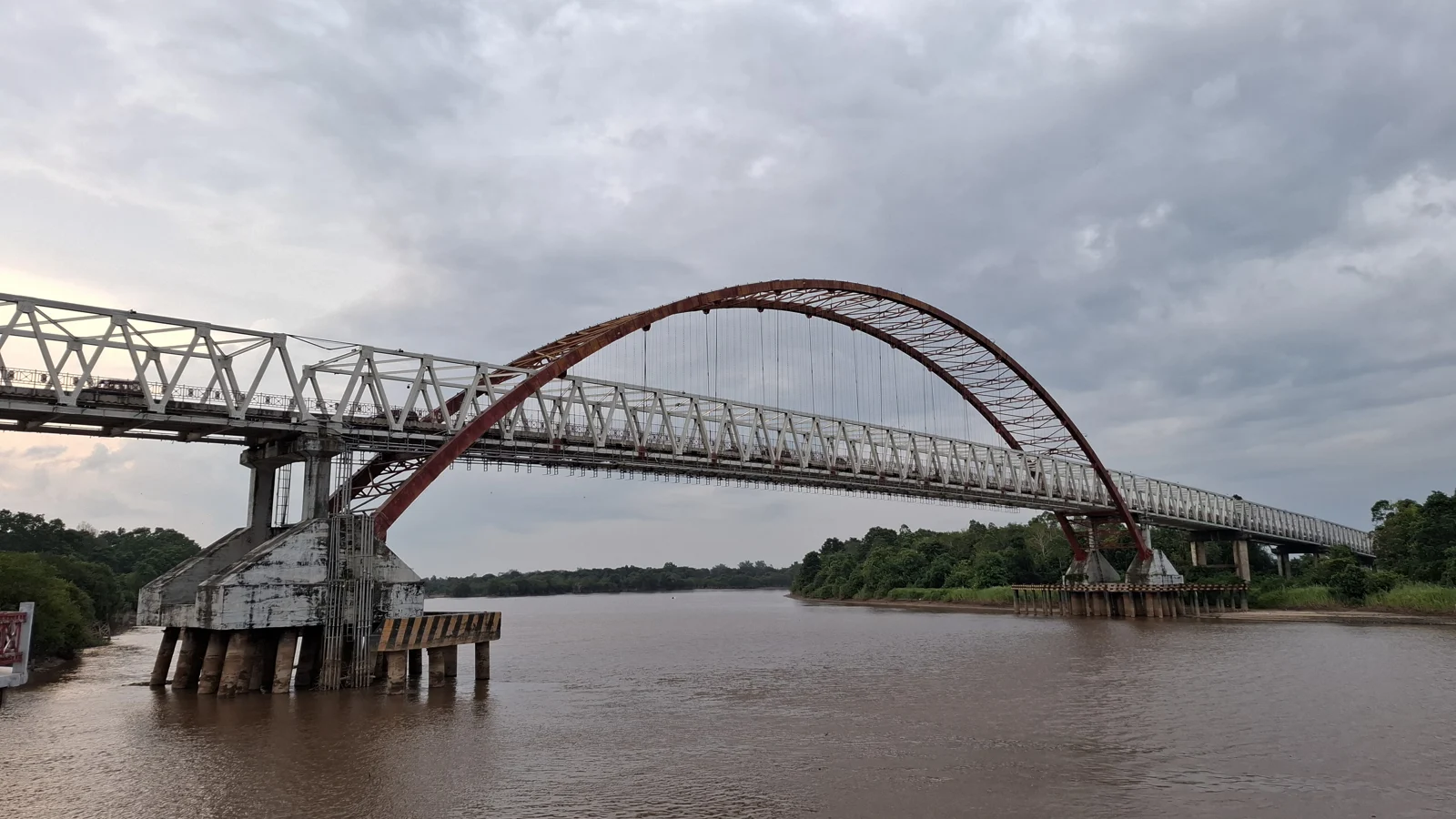
Begin with the objects and stories in Museum Balanga. They open a window onto Ngaju heritage and the river communities that give this provincial capital its character.
Explore furtherLeafy greens, rattan shoots and the art of fermentation. Get to know the region through its food.

Pounded cassava leaves, a distinctive part of Central Kalimantan’s home cooking.
Explore further
Tender rattan shoots bring a forest ingredient to the regional table.
Explore further
Explore a local tradition of fermentation and the flavours it brings to everyday meals.
Explore furtherFly into PKY, then arrange a road transfer to your chosen hotel.
Explore furtherCombine road transfers with separate boat journeys for the river and forest routes.
Explore furtherPlan around local rain, water levels and the route you want to explore.
Explore furtherPack for heat and rain, and arrange guiding for protected-area visits.
Explore furtherThe provincial capital sits on the Kahayan, in Indonesian Borneo. Kereng Bangkirai and the Rungan are separate starting points for nature outings.
Visit Museum Balanga and the Kahayan riverfront. End the day with regional food.
Choose a guided Camp Koran visit via Kereng Bangkirai, or a Rungan outing. Arrange access and transport together.
Leave time for kalumpe, everyday shopping and another riverside stop before continuing your journey.
From a first idea to your own Borneo journey.
History, culture and the practical details that make a visit richer. Open a chapter to read the complete guide.
On the Kahayan River, Palangka Raya combines its role as provincial capital with access to nearby peat-swamp landscapes. Museum Balanga, the riverside and the Kereng Bangkirai access community provide three different ways to begin exploring.
Begin with the Kahayan riverfront and Museum Balanga to understand the city’s river setting and regional heritage. Kereng Bangkirai offers a different starting point: the documented river route toward Camp Koran in Sebangau. Keep a city visit and a forest excursion as separate plans, because the latter requires its own boat, guide and access arrangements.
The official city history dates the inauguration of Palangka Raya’s development to 17 July 1957, when President Sukarno marked the beginning of the new provincial capital. The older Pahandut settlement on the Kahayan provides an important context: the planned capital did not erase the history of river communities.
The BPS population figure used here is 314,370 residents in 2025 for the municipality of Palangka Raya. That boundary includes areas well beyond the compact city centre, so the number should not be interpreted as the population of a dense urban core alone. This matters when comparing Palangka Raya with places such as Sampit, where this guide uses a specifically defined subtotal of urban wards. Both figures have a stated geography, but they measure different administrative forms. The municipality is also not the same thing as Central Kalimantan province. Keep the reference year and boundary alongside the population when using it to understand the city's scale.
Think of the visit in three parts: the planned provincial capital, the Kahayan river setting and a separately arranged peat-swamp journey. Museum Balanga helps with cultural and historical interpretation; the riverfront connects that interpretation to everyday geography; Kereng Bangkirai is a departure community for a particular blackwater route. They complement one another without being interchangeable. A hotel near a major road may be convenient for an airport transfer but still require transport to the waterfront or boat landing. Choose each day's starting point deliberately rather than expecting all three experiences to sit within one walkable visitor quarter.
The 1957 inauguration of the new provincial capital is one chapter in a longer history of settlement beside the Kahayan. Pahandut's earlier existence makes an important corrective to the idea that the city began on empty land. The planned capital brought a different administrative scale and urban form, while river communities continued to shape livelihoods and movement. Museum interpretation and the riverside are useful companions for understanding those layers. A large road junction or a modern civic building tells a different story from a residential landing. Neither alone represents the full city, and visitors should avoid treating living neighbourhoods as displays of an unchanged past.
Museum Balanga on Jl. Tjilik Riwut introduces regional heritage through collections that include ethnography, history and archaeology. Pair it with time by the Kahayan for an urban visit. For a forest outing, use Kereng Bangkirai as the documented departure area toward Camp Koran; its river journey and forest walk need separate arrangements and do not guarantee wildlife encounters.
Orangutans are an important part of the province’s conservation story, but a fuller picture includes birds, reptiles, amphibians, fish and plants. Our species pages distinguish province records from named study sites. A published occurrence supports an ecological connection; it does not guarantee a visitor will see the species.
Kereng Bangkirai is a documented gateway for the Sebangau river and Camp Koran route. Arrange protected-area access through the responsible local and park contacts. The existence of a boat excursion does not make every research station or rehabilitation facility open to casual visitors.
For the Sebangau route, establish who is responsible for boat transport, guiding and any park entry arrangements. Ask where the outing starts, what part of the landscape it visits and how conditions affect the return. Rehabilitation and research facilities serve different purposes from public visitor sites; their presence in the province does not establish a right to enter. Never accept a promise of close contact with wildlife as proof of a responsible excursion. Keep a respectful distance, follow the guide's instructions and let habitat interpretation be part of the experience even when animals remain out of sight.
Use specific community names. Ngaju language and heritage are documented in Central Kalimantan, while “Dayak” refers to many distinct peoples rather than one uniform culture. Language, religion and contemporary ways of life vary. Museum interpretation is a useful starting point, followed by listening to the people whose heritage is being discussed.
Regional food records begin with juhu singkah uwei, pounded cassava-leaf preparations called kalumpe or karuang, and fermented wadi. Regional association does not establish exclusive origin. Ask what is in a particular serving: fish, meat and shrimp paste can change its suitability for different diets.
Food provides another route into the province's diversity. Read about kalumpe or karuang, juhu singkah uwei and Wadi before asking what a local restaurant actually serves that day. Cassava leaves, rattan shoots and fermented preparations are ingredients and methods with regional connections, not a promise that every restaurant stocks the same menu. Ask about fish, shrimp paste and meat when explaining dietary restrictions. Combine a meal with ordinary shopping for a river outing, including drinking water and rain protection. There is no need to turn every shop or market stall into a separate attraction to make this part of the city interesting.
Two or three nights is a useful starting plan for Palangka Raya: one city-and-museum day and one arranged river or Sebangau outing, with arrival and departure around them. Give Museum Balanga and the Kahayan setting time on the city day; choose Kereng Bangkirai for a separate blackwater journey. This rhythm suits travellers who want to understand both the capital and the peat landscape. Longer specialist wildlife trips need extra days.
Compare Swiss-Belhotel Danum Palangkaraya, Best Western Batang Garing and Bukit Raya Guesthouse by their actual setting, facilities and pickup arrangements. Tjilik Riwut Airport serves the city. If continuing to Pangkalan Bun, reserve the intercity travel stage before booking the next boat journey; the two towns serve different parts of the province. The Central Kalimantan route framework helps leave that transfer its own space.
Palangka Raya is the capital of Central Kalimantan, on the Kahayan. Kereng Bangkirai is a locality within the city municipality. Sebangau National Park extends across parts of that municipality and the regencies of Katingan and Pulang Pisau: it is neither wholly outside the municipality nor an urban attraction confined to the city centre.
Tjilik Riwut Airport (PKY) is the city’s air gateway, at Panarung in Pahandut. The official airport profile supplies the address and current route information. Arrange the final transfer separately and check your airline’s live schedule; no fixed flight frequencies are asserted here.
Overland and river legs do different jobs. Road transfers connect the main town bases; boats provide access to particular river and park routes. Confirm pickup points, luggage arrangements and onward connections before departure. Distances alone do not describe the time or conditions of a journey.
The province does not have one identical seasonal pattern. BMKG divides Central Kalimantan into climate zones and publishes seasonal outlooks alongside short-range forecasts. Rain remains possible in a drier period. Conditions in a northern district should not be projected automatically onto a southern river route.
Match the date to the route instead of relying on a single universal “best month”. Ask park staff about water levels, route availability and current restrictions, and consult BMKG before travel. Drier weather can ease some journeys, but prolonged dry conditions and smoke can also disrupt plans.
Keep independent journeys and protected-area visits distinct. Confirm permits and visitor rules with the park, and practical arrangements with the service provider. Treat map markers as orientation rather than trail navigation. Maintain flexibility for weather and changes in access; wildlife encounters and commercial availability are never guaranteed here.
Swiss-Belhotel Danum is a city accommodation at Jl. Tjilik Riwut Km.5 No.9; its official page lists +62 536 3232777. Confirm rooms and services directly with the hotel. A stay in Palangka Raya can serve a city visit or an arranged Sebangau excursion, but does not include park access or a forest transfer automatically.
The existing hotel choices offer different practical bases. Swiss-Belhotel Danum, Best Western Batang Garing, Aquarius Boutique and Amaris can be compared with Luwansa, Neo Palma, M Bahalap and Fovere. Check the specific property's current rooms and services instead of assuming that a city hotel includes excursions. Bukit Raya Guesthouse offers another style of base. Rungan Sari is in the Sei Gohong corridor, farther from the central urban area: choose that setting deliberately and allow for transfers. Being inside the municipality does not make every accommodation central.
Plan local travel around the actual addresses. The city covers a large area, and an accommodation marketed as Palangka Raya may be far from your next departure point. Ask the hotel or operator to confirm the pickup location and whether a transfer is included in the quoted arrangement. For Tjilik Riwut Airport, use PKY when comparing flights and leave enough time for the final road transfer. A riverboat serves a particular water route rather than replacing all local transport. Keep the driver's contact and the boat contact distinct when different providers handle the two legs.
Palangka Raya and Pangkalan Bun should be treated as separate bases, not nearby alternatives for the same afternoon. If time is limited, choose the Kahayan and Sebangau setting here or the western Kumai and Tanjung Puting corridor, then give that choice sufficient time. A longer overland journey can include Sampit for its Mentaya waterfront and timber-history museum. That stop has a reason of its own and also helps explain the province beyond a single protected area. Check the actual intercity service and arrival time before booking the next excursion. An ambitious map line is not a confirmed transport itinerary.
After a city-and-museum day and one arranged river or forest outing, an additional day can create useful flexibility. Revisit an area that interested you, spend longer with museum interpretation or move a weather-dependent outing without losing your onward connection. An outer-city stay in the Sei Gohong corridor can be considered separately if that setting suits your interests and transport. Avoid filling a spare day with an unconfirmed rehabilitation-centre visit or a distant journey presented as local. The purpose of staying longer is to understand the city and its setting more comfortably, not to meet a mandatory sightseeing quota.
A practical packing and timing plan matters more than a single seasonal label. Protect electronics from rain, carry drinking water and use footwear appropriate to the specific walk. Ask about current water levels and any effect on the chosen boat route. Smoke or unusual weather can also affect flights and roads, so check updates close to departure rather than relying solely on a long-range forecast. Keep the final night and airport transfer simple when leaving after a river journey. These precautions support the itinerary already described; they do not imply that every day is disrupted or that the city can only be visited in one narrow season.
Sebangau is a national park of peat-swamp forest in Central Kalimantan, where waterlogged organic…
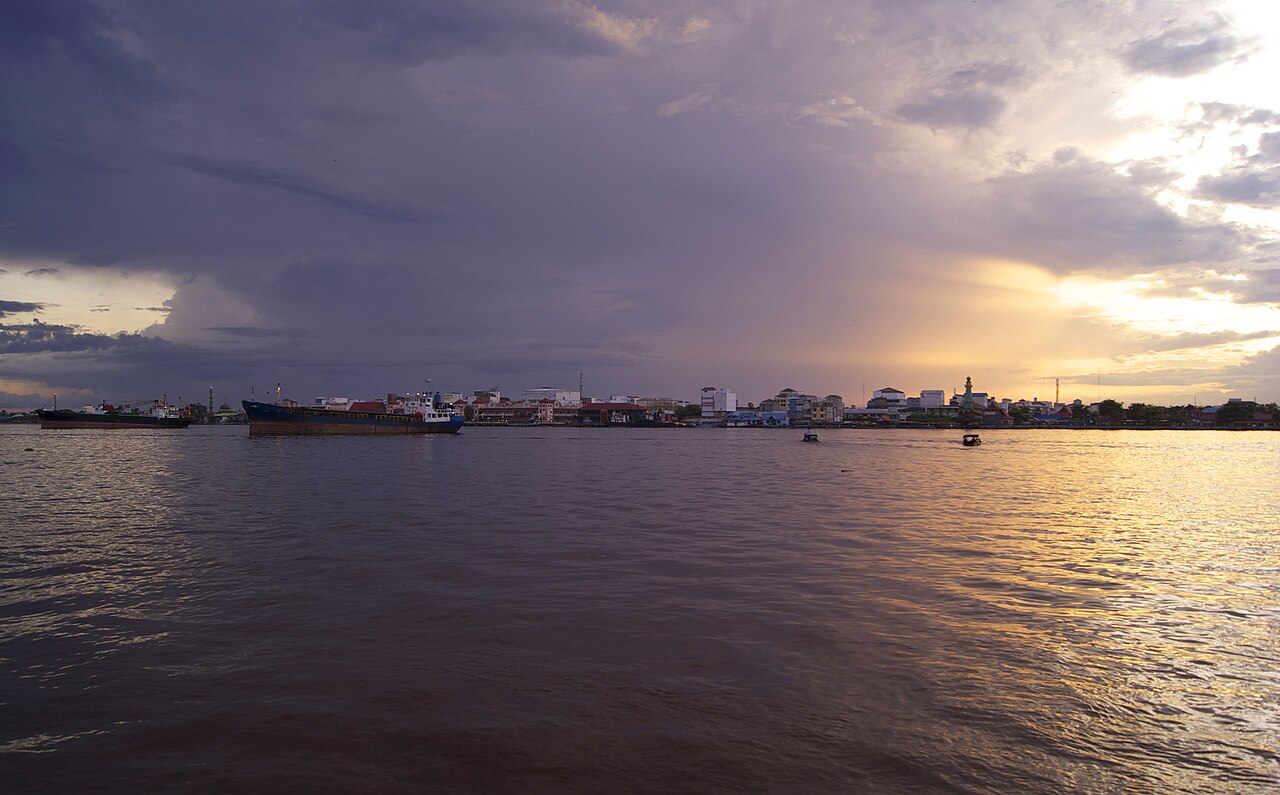
Sampit is a working river town on the Mentaya, with a waterfront, a timber-history…
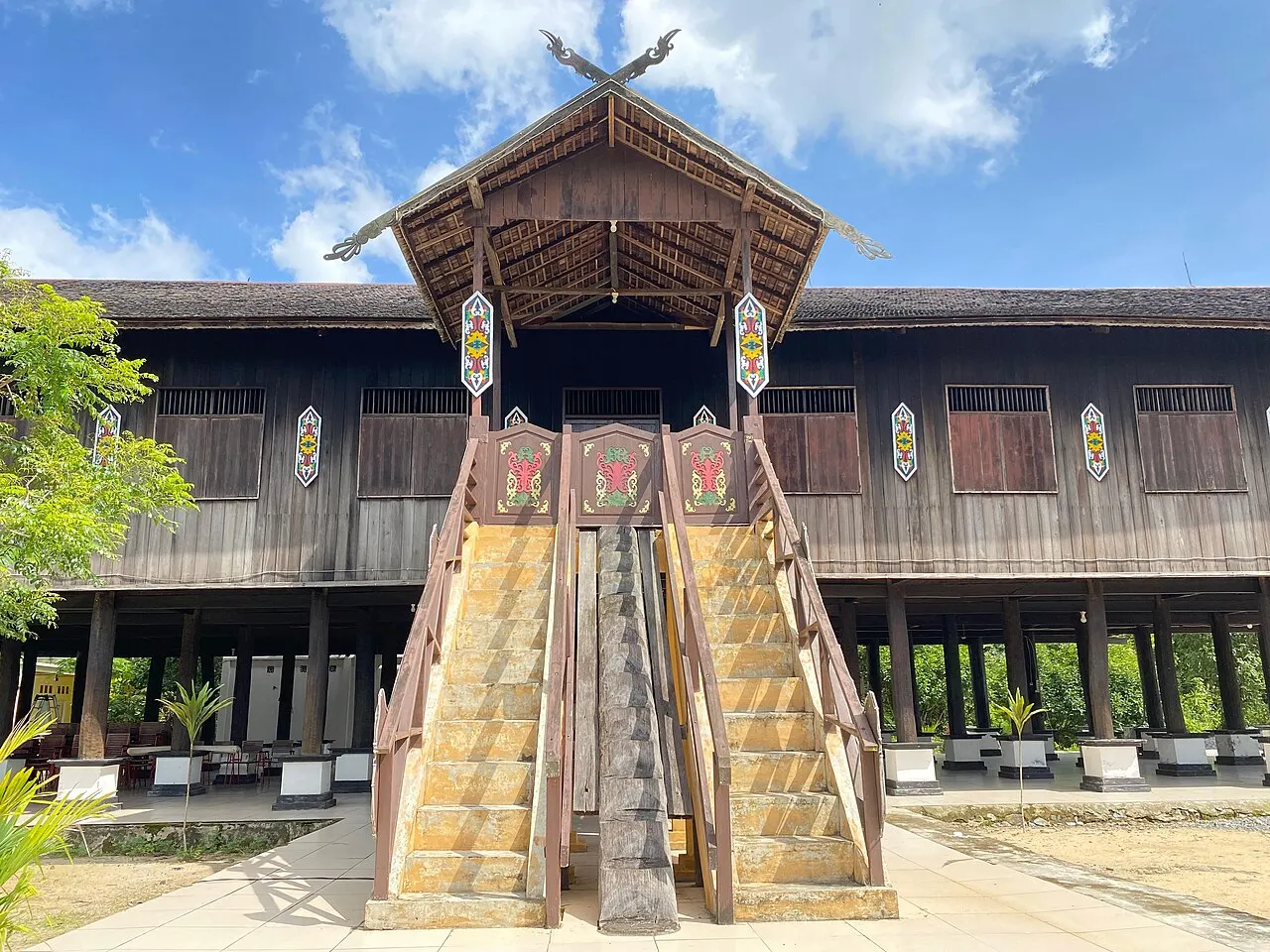
Ngaju names a particular linguistic and cultural community in Central Kalimantan. It should not…
Kalumpe, also called karuang, turns finely pounded cassava leaves into a savoury vegetable dish…
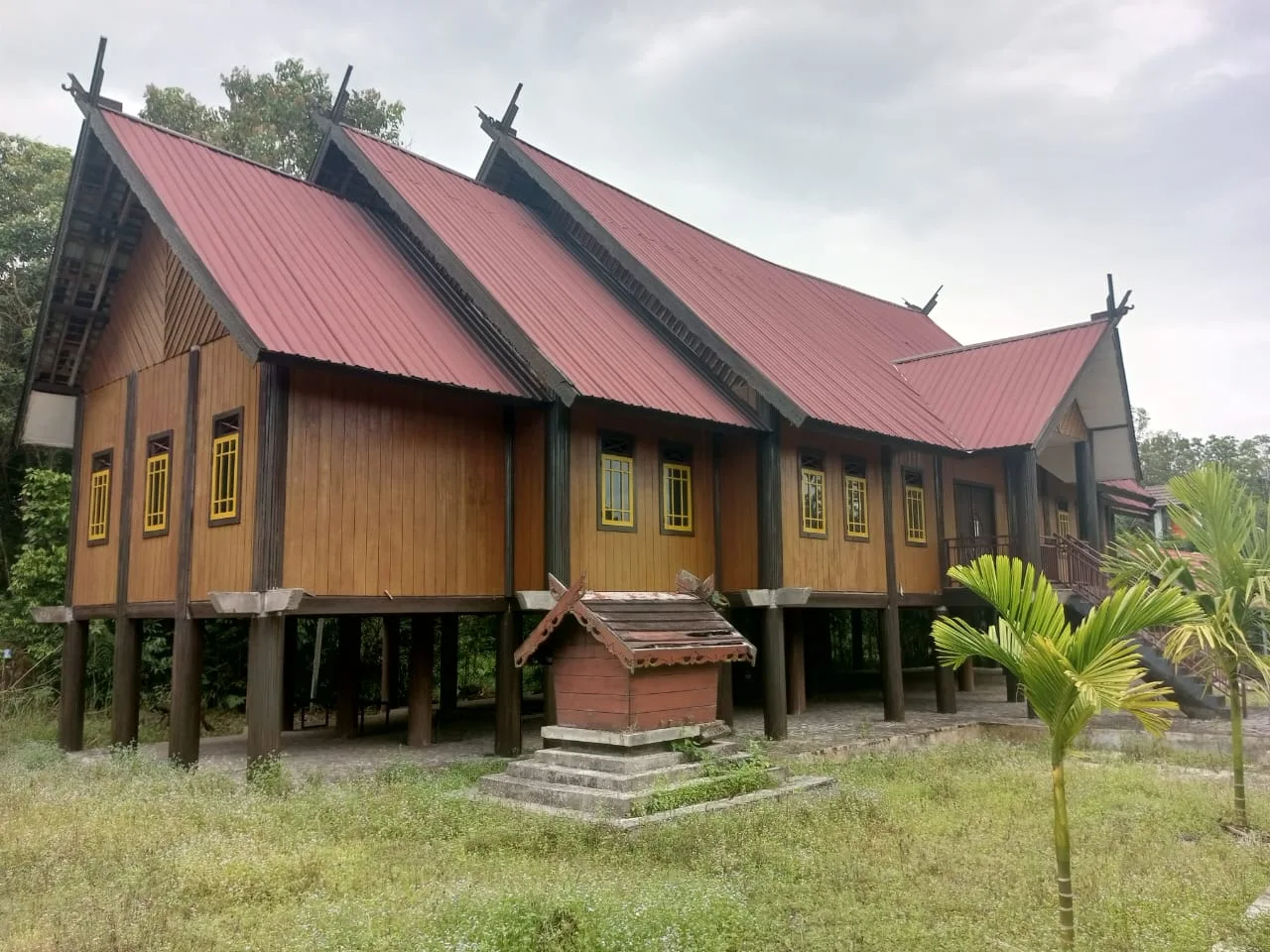
Bukit Batu near Kasongan combines a striking rock landscape with the memory of Tjilik…
AttractionsBukit Tangkiling offers rocky hills and forest walks on the northwestern side of Palangka…
Loading this map connects your browser to Google. Google receives your IP address and browser information and may use cookies under its own privacy policy. This choice applies only to this map until you leave or reload this page; it does not enable Analytics.
Borneo Nature Foundation · Peatland restoration: rewetting the peat
Central Kalimantan Provincial Tourism Department · Profil UPT Museum Balanga
BMKG Tjilik Riwut Meteorological Station · Seasonal climate information for Central Kalimantan
BMKG · Central Kalimantan weather forecasts
Palangka Raya City Government · Sejarah Kota Palangka Raya
Indonesia Ministry of Tourism, JADesta · Desa Wisata Kereng Bangkirai
Indonesia Ministry of Tourism · Palangkaraya
Indonesia Ministry of Tourism · Pangkalan Bun: Nostalgic Charm
petabahasa.kemendikdasmen.go.id · Ngaju language and community: official regional documentation
www.indonesia.travel · Huma Betang: Ngaju communal architecture: official regional documentation
Central Kalimantan Provincial Government · Juhu singkah uwei: official regional documentation
Central Kalimantan Provincial Government · Kalumpe / Karuang: official regional documentation
Central Kalimantan Provincial Government · Wadi: official regional documentation
Directorate General KSDAE, Ministry of Forestry · Profil TN Sebangau
Indonesia Ministry of Tourism, JADesta · Explore Taman Nasional Sebangau
Swiss-Belhotel International · Swiss-Belhotel Danum Palangkaraya official hotel page
Directorate General of Civil Aviation, Ministry of Transportation · Tjilik Riwut airport profile
Indonesia Ministry of Tourism · Central Kalimantan regional guide
Directorate General KSDAE, Ministry of Forestry · Profil TN Tanjung Puting
GeoNames · Palangkaraya coordinates
sisparnas.kemenpar.go.id · sisparnas.kemenpar.go.id — p 104502
Bundaran Besar monument in Palangka RayaVolstand · Wikimedia Commons · CC BY-SA 4.0 · Cropped · Original
Rungan River at Telok Kaja, Sei Gohong, in 2017.InTheLA · Wikimedia Commons · CC BY-SA 4.0 · Cropped · Original
Balanga Museum in Palangka RayaIlham Mufti Laksono · Wikimedia Commons · CC BY-SA 4.0 · Cropped · Original
Blackwater and riparian forest along the Sebangau River in Sebangau National ParkMankdhay rahman · Wikimedia Commons · CC BY-SA 4.0 · Cropped · Original
Sekonyer River in Tanjung Puting National Park, Central Kalimantan.Nanosanchez · Wikimedia Commons · CC BY-SA 4.0 · Cropped · Original
Betang building in the Bukit Batu historical and cultural visitor complex near Kasongan.Bawikuwu2025 · Wikimedia Commons · CC BY 4.0 · Cropped · Original
Soekarno statue and monument grounds in Palangka Raya, photographed in 2025.Ilham Mufti Laksono · Wikimedia Commons · CC BY-SA 4.0 · Cropped · Original
Manggatang Utus betang, a documented Ngaju house in Sei Pasah, Kapuas.Martini Rahman · Wikimedia Commons · CC BY-SA 4.0 · Cropped · Original
The Mentaya River and Sampit waterfront, viewed from Mentaya Seberang.Midori · Wikimedia Commons · CC BY 3.0 · Cropped · Original
Juhu singkah with tender rattan shoots and tilapia.Volstand · Wikimedia Commons · CC BY-SA 4.0 · Cropped · Original
Kalumpe / karuang, a cassava-leaf dish from Central Kalimantan.Martini Rahman · Wikimedia Commons · CC BY-SA 4.0 · Cropped · Original
Iwak wadi papuyu: fermented climbing perch in a documented South Kalimantan preparation.Haikal Riyadhi · Wikimedia Commons · CC BY-SA 4.0 · Cropped · Original
Terminal building at Brunei International Airport (2023).Pangalau · Wikimedia Commons · CC BY-SA 4.0 · Cropped · Original
The Kinabatangan River at Kampung Sukau.CEphoto, Uwe Aranas · Wikimedia Commons · CC BY-SA 3.0 · Cropped · Original
The Sarawak River in central Kuching.CoolCityCat · Wikimedia Commons · CC BY-SA 3.0 · Cropped · Original
Riverboats at the Tanjung Puting National Park wharf.Raflinoer32 · Wikimedia Commons · CC BY-SA 4.0 · Cropped · Original
Tjilik Riwut Airport in Palangka Raya.Verril Ginting · Wikimedia Commons · CC BY-SA 4.0 · Cropped · Original
Passenger boat on the Kahayan River, 2025.Danidann · Wikimedia Commons · CC BY-SA 4.0 · Cropped · Original
Kahayan Bridge in Palangka Raya, July 2025.Raflinoer32 · Wikimedia Commons · CC BY-SA 4.0 · Cropped · Original
Bornean orangutan (Pongo pygmaeus), species illustration.Mike Prince · Wikimedia Commons · CC BY 2.0 · Cropped · Original