What is Wadi?
Wadi names a preservation method and the food it produces. Fish is a familiar starting ingredient, although regional accounts also describe pork versions. The preparation therefore cannot be understood from a photograph alone: learning what went into the jar is part of understanding the dish.
In Barito Selatan, the official account describes a close connection with freshwater fish and Dayak food knowledge. This gives wadi a different character from a freshly grilled fish meal. Fermentation changes the ingredient before a second stage of cooking turns it into something ready for the table.
Ingredients
Salt and samu are central. Samu is described as roasted glutinous rice, ground coarsely, rather than a bottled seasoning sauce. The provincial source mentions substantial freshwater fish such as patin and jelawat. Local fish names introduce the culinary tradition but do not identify the scientific species in every serving.
Because pork versions also exist, ask which wadi is being offered. Neither version is vegetarian. The type of fish or meat, the rice mixture and the later cooking seasonings distinguish one preparation from another.
Sources & references · 1
MMC Kalimantan Tengah · Wadi, makanan fermentasi khas Barito SelatanTraditional preparation
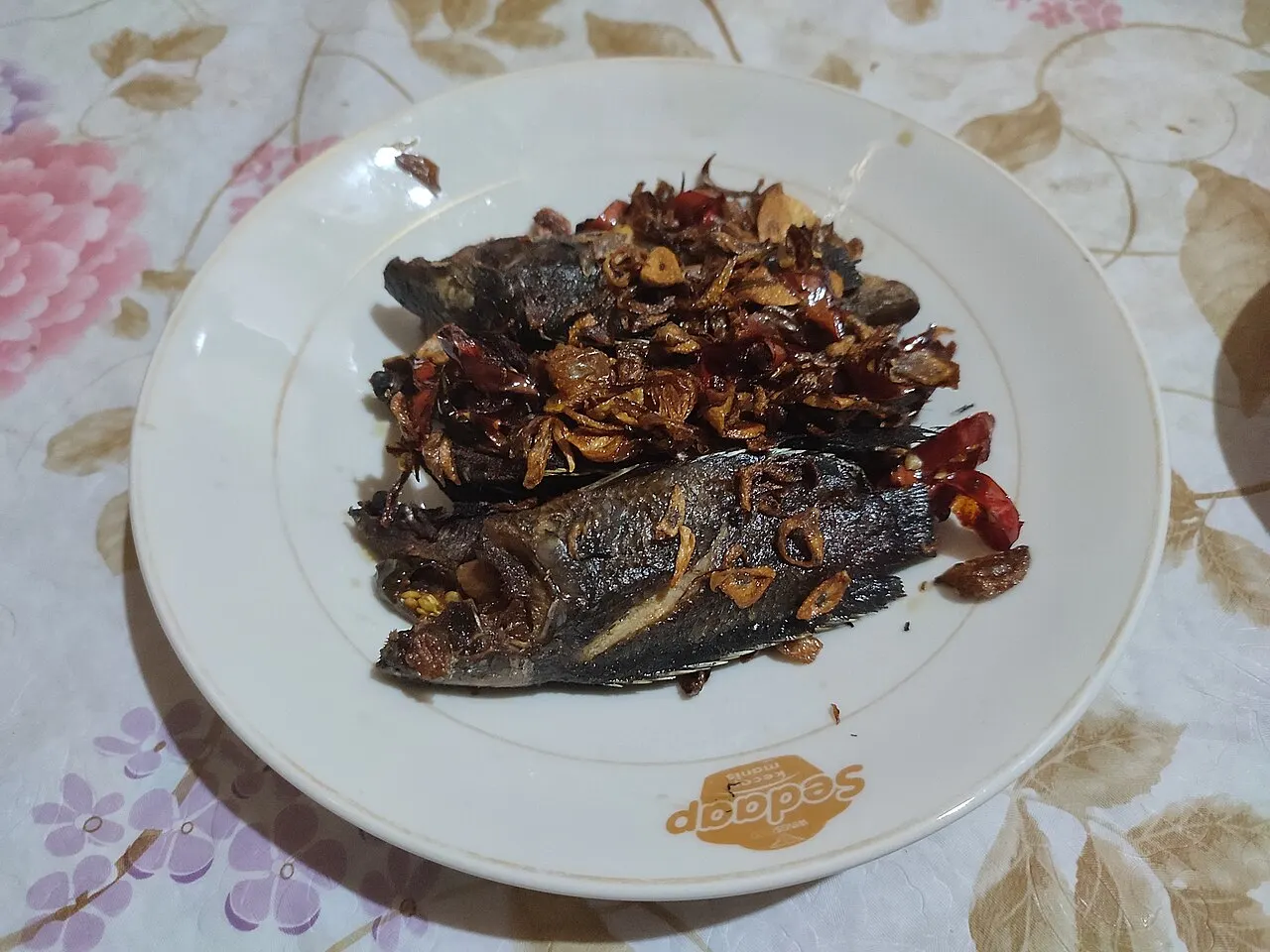
The traditional sequence combines salting, a roasted-rice mixture and storage in a closed vessel. The regional tourism account recalls small earthenware jars called balanai. Preparation takes skill: the preserved food is subsequently fried or cooked, including versions with yellow seasonings.
Saltiness, fermentation aroma and the later cooking method all affect the finished dish. Regional descriptions mention a stronger sour character with longer storage, but their household accounts are not validated fermentation schedules. This article does not reproduce those times or treat smell as a reliable food-safety test.
At the table
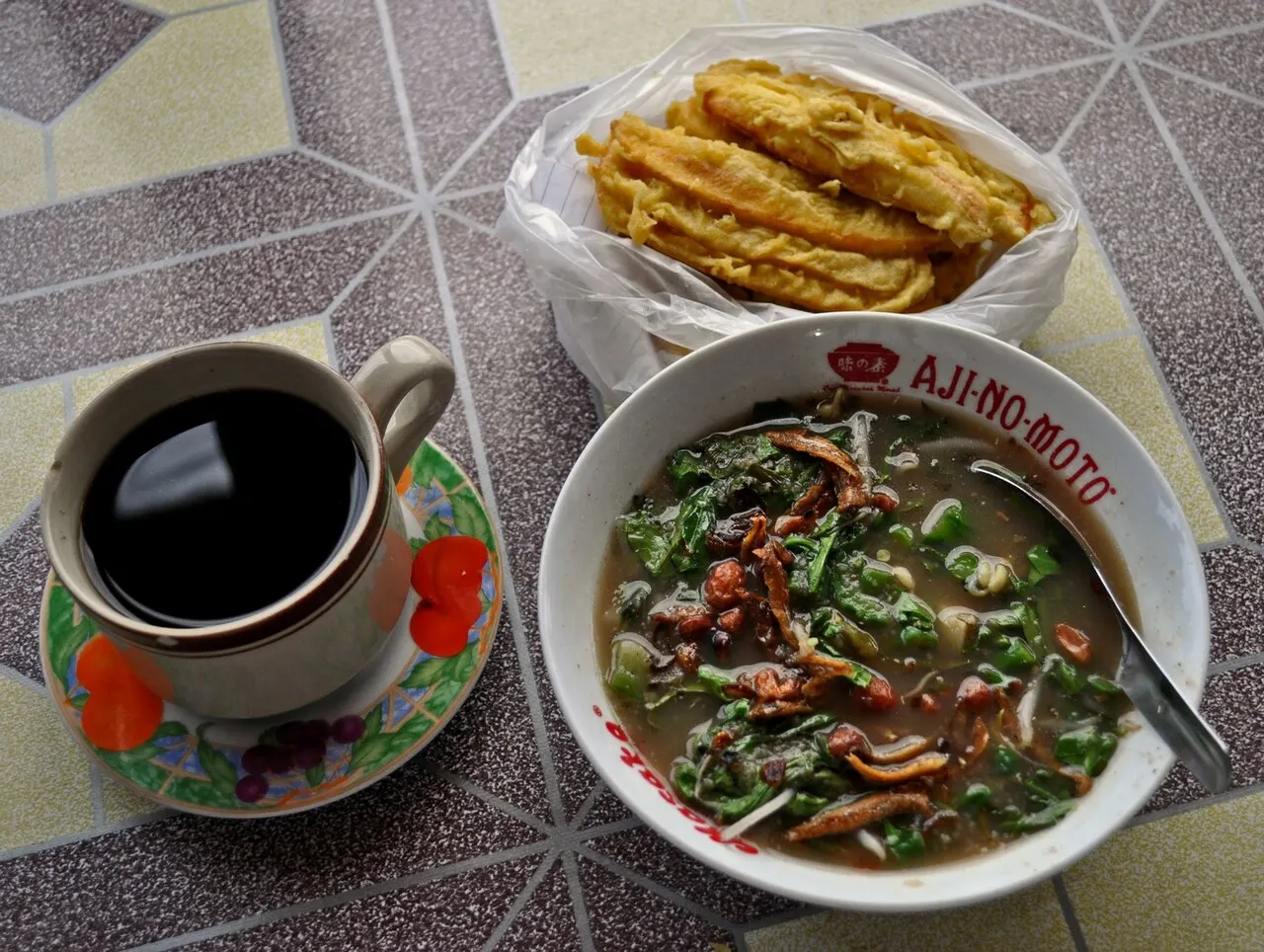
The local accounts place cooked wadi beside hot rice, sometimes with sambal or fresh vegetables. Rice balances its assertive seasoning and makes it easy to taste a little with other dishes. Wadi also provides a way to talk about preservation in a region shaped by rivers, lakes and fishing.
Choose a prepared dish from an experienced kitchen rather than trying unverified home fermentation. Ask about the main ingredient and cooking method. A regional tradition can be appreciated without taking its storage practices as instructions for your own kitchen.