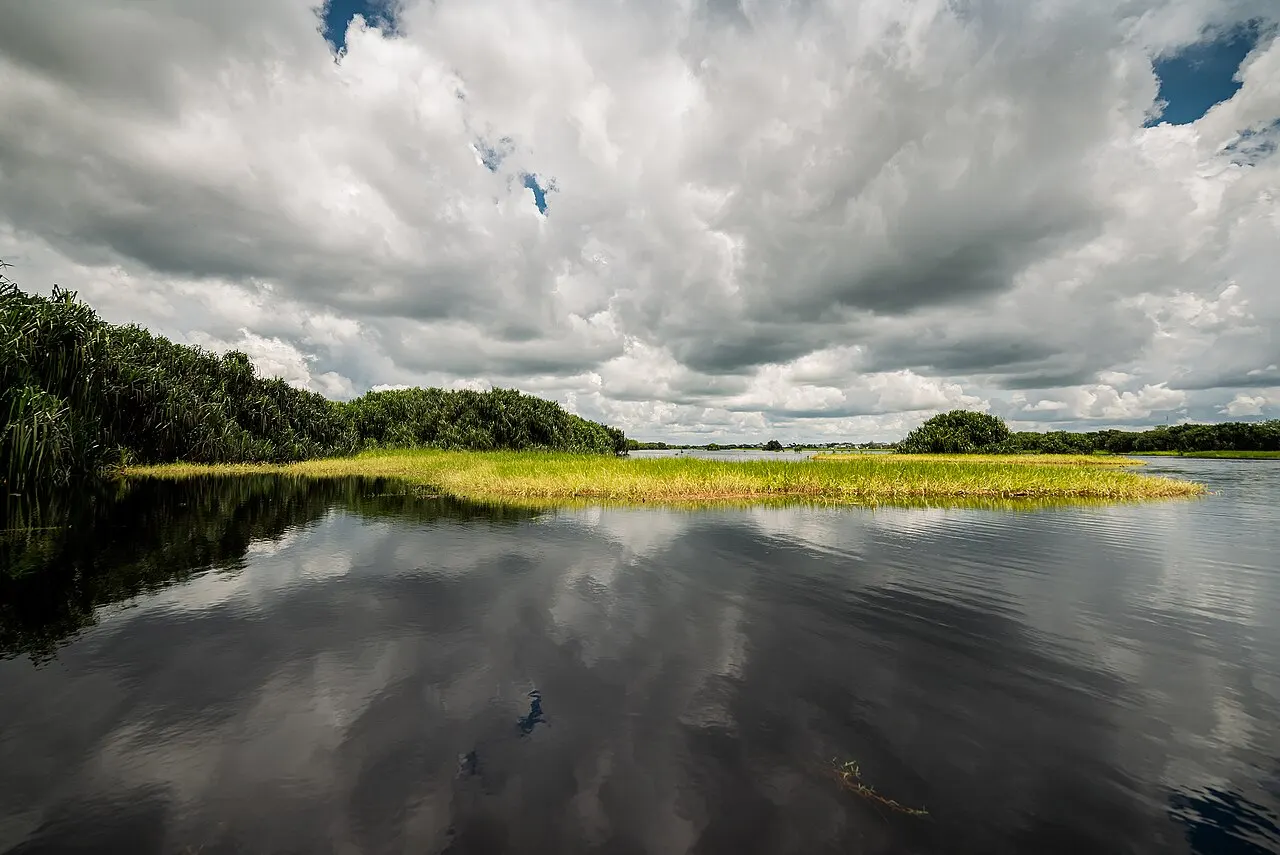
Start with the habitat and the gateway
Sebangau is reached on documented visitor programmes from Palangka Raya through Kereng Bangkirai. Tanjung Puting river visits use Pangkalan Bun and Kumai as gateways. These places are far enough apart to require a deliberate itinerary choice; they are not two stops on one convenient morning outing.
The comparison is between a city-based day with boat access and forest walking, and a river stay allowing repeated observation from boat and shore. Both can interest birders, but the best fit depends on time, comfort and whether a provider can supply bird identification rather than only general nature guiding. Ask that question before committing to travel.
Sebangau: listening inside peat forest
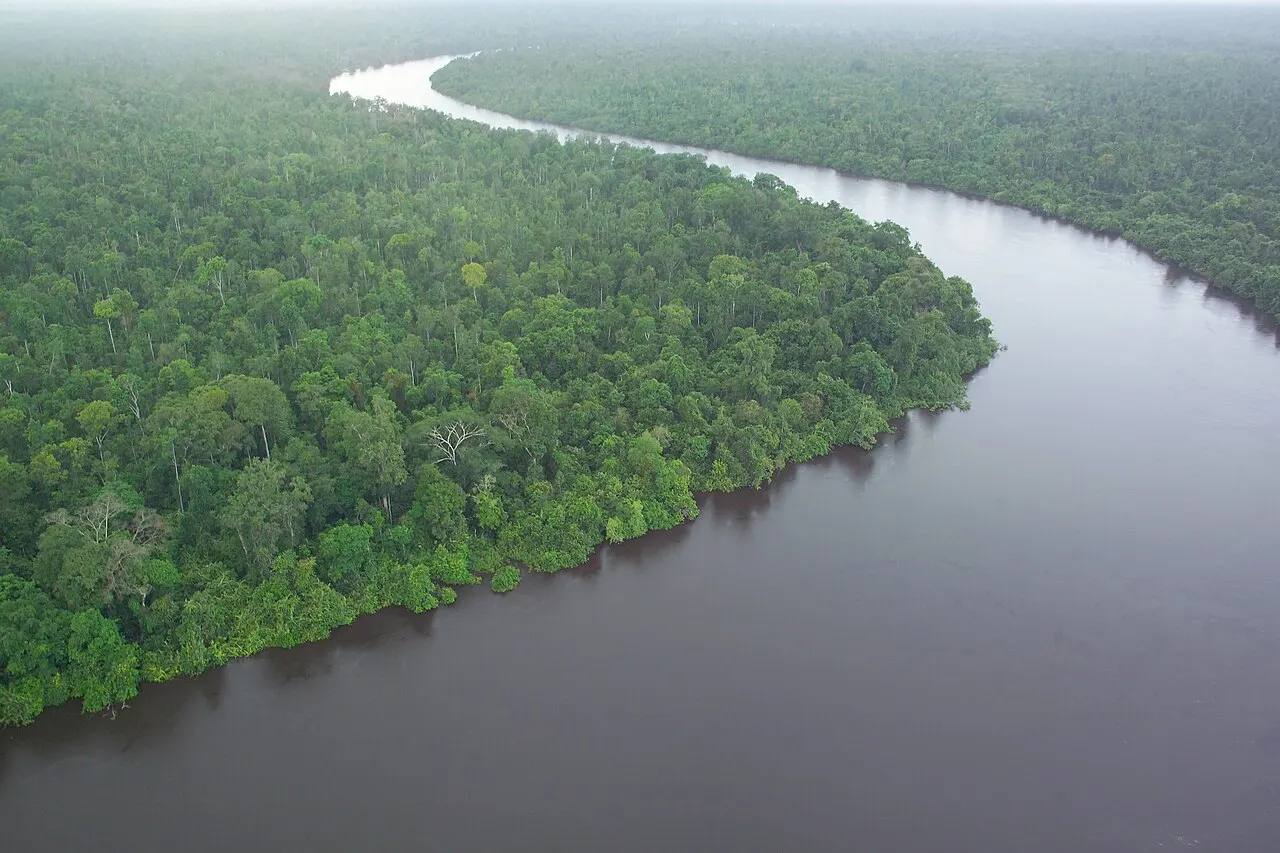
The documented Sungai Koran visitor route includes the boat approach to Camp Koran and a forest walk. Peat-swamp forest gives birdwatching a particular character: visibility can be restricted, calls may reveal birds before you see them, and patient observation matters more than covering distance quickly. The forest structure and wet ground are part of the learning even during quiet periods.
Allow a full day from Palangka Raya for a combined visit, and discuss how much of the outing can be dedicated to birds. A standard nature programme may leave later than a specialist birder would prefer, so ask whether a suitable early start can actually be arranged. The guide must work within the visitor route and current access conditions; early birding does not imply permission to enter any forest area at will.
Expect a mixture of boardwalk and potentially uneven or wet ground depending on the open trail. This setting suits visitors who enjoy listening and habitat interpretation, including beginners comfortable with a modest forest walk. Accommodation in Palangka Raya, such as Bukit Raya Guesthouse, provides a city base rather than a forest hide or lodge inside the park.
The Sekonyer: repeated views from the river
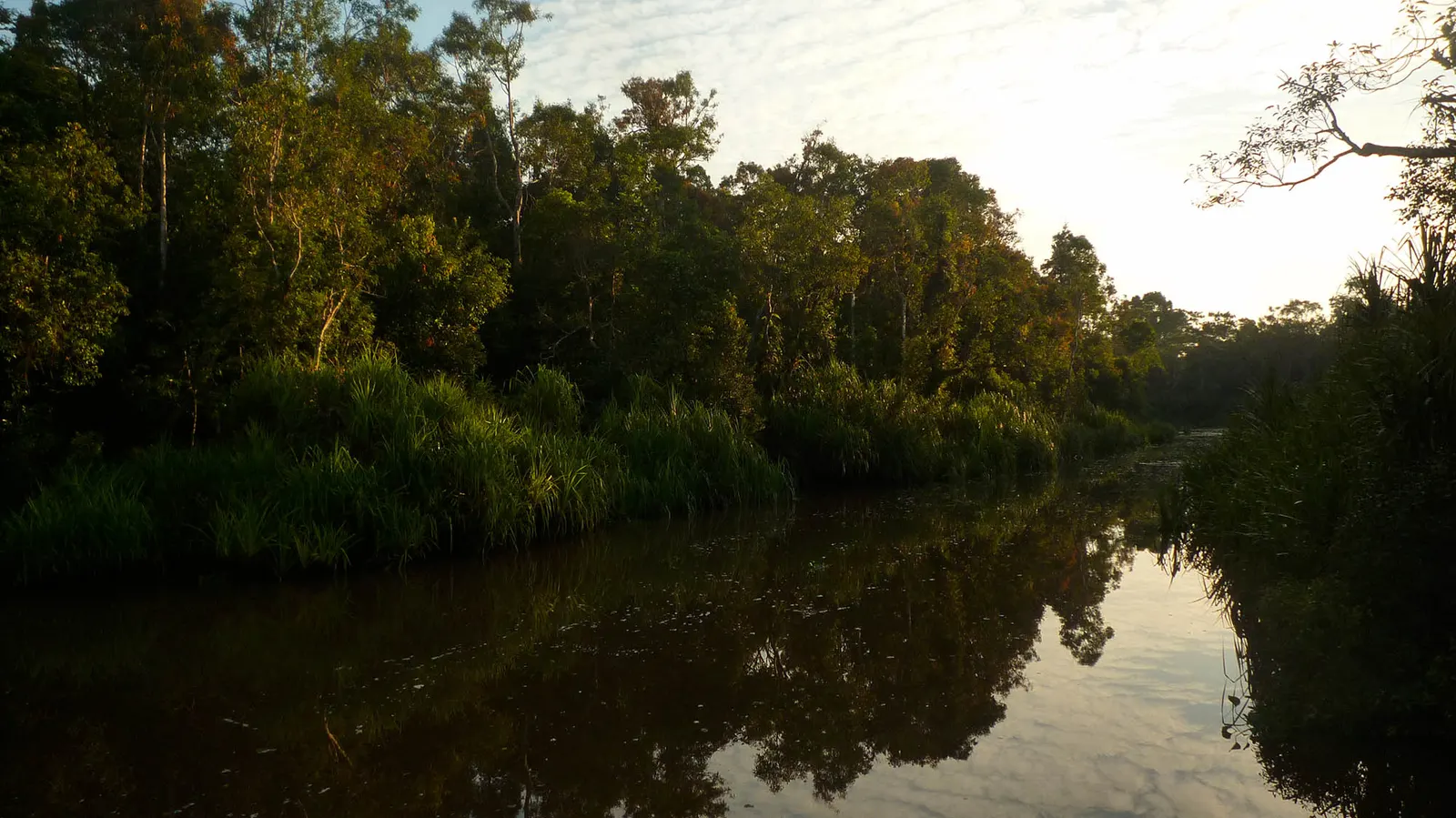
A journey from Kumai towards Tanjung Puting places riverbank trees and water edges in view for longer periods. Boats can reveal birds using exposed branches or moving across the channel, while guided visitor stops add a shore perspective. Official tourism programmes for the area include bird observation alongside the wider forest and primate experience, including hornbills in the river-forest setting.
Two or three days is a useful starting point for combining birding with the broader river visit. Sleeping aboard a klotok or at a riverside base such as Rimba Orangutan Ecolodge changes how morning and late-afternoon observation can fit. Confirm those arrangements with the provider, especially if your main goal is birds rather than a standard sequence of visitor stops.
This option can suit photographers and first-time birdwatchers who prefer boat observation to longer forest walking. It still requires patience and the ability to board and sit in a small vessel. Boat movement, glare and distance affect what can be seen or photographed. Ask the crew to stop appropriately rather than expecting close approaches to every perch.
Species expectations without an inflated checklist
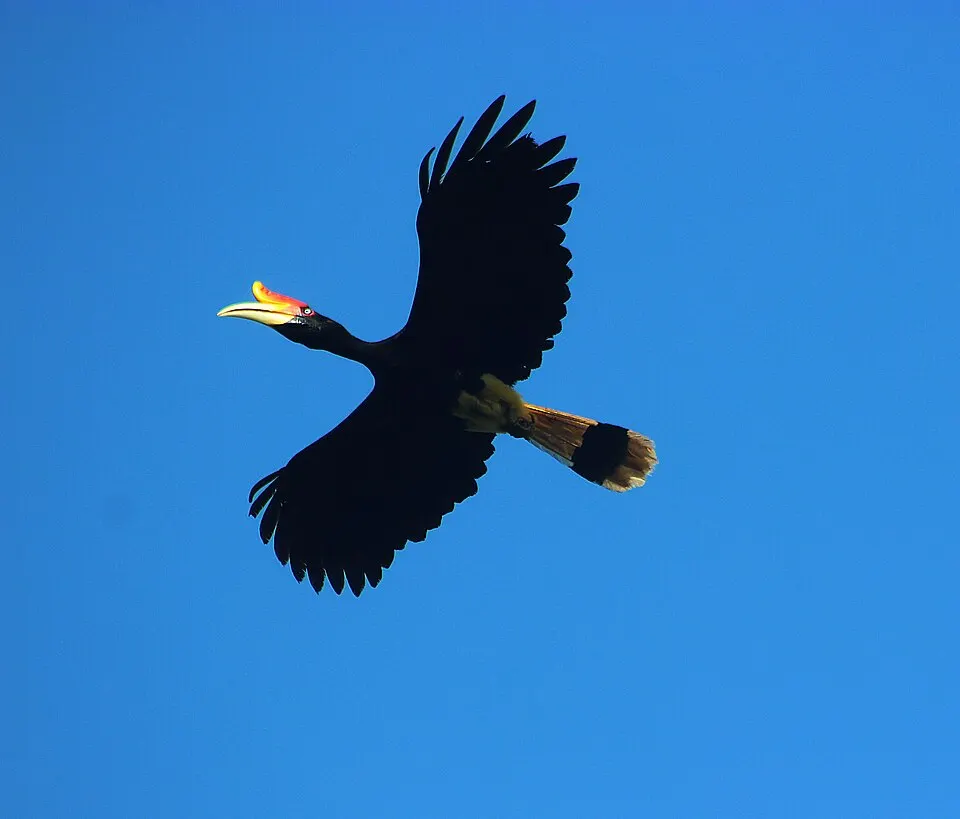
Hornbills and birds of river edges are useful themes for learning about the wider setting. The rhinoceros hornbill account introduces one of Borneo's distinctive forest birds, while habitat pages explain why forest structure and waterways matter. A species page is background reading, not proof of a sighting on your particular route.
For a target-species trip, ask a birding guide for recent, site-specific information and be clear about whether a record concerns the visitor trail, the wider park or the province. Rare species need more careful evidence than a long promotional list. Avoid treating the presence of a bird somewhere in Central Kalimantan as a reason to expect it from a single jetty or boardwalk.
Match the programme to your experience
Beginners benefit from a guide who explains a few observations well and helps with binocular use and field marks. A shorter, focused session can be more rewarding than trying to identify everything heard. Experienced birders should discuss target habitats, pace and the guide's identification experience before choosing the programme. Those conversations are more useful than assuming any forest guide is a specialist birder.
Photographers may want repeated time at suitable river stretches and enough space to handle equipment safely. Families can choose a mixture of observation and ordinary nature interpretation, with breaks rather than a long silent wait. If walking is a concern, ask for the precise landing and trail arrangements; a boat-based itinerary still includes transfers and may have uneven jetties.
Timing and practical arrangements
Early and late parts of the day can be useful observation windows, but the actual timing must fit local access, weather and the birding setting. Rain and light affect visibility and camera use. A multi-day river stay offers more opportunities to adapt than one short visit, while a Palangka Raya day needs a clear agreement about departure and return.
Bring binoculars, rain protection and a way to keep notes or photographs dry. Keep noise low and follow the guide's approach to nests and sensitive birds; avoid using playback casually to draw animals towards the group. Ask separately about guide services, boat transport, entry charges and accommodation so the birding element is genuinely included. Use the forest-wildlife comparison or the boat-experience guide to place the chosen outing within the rest of your trip.