What is Juhu singkah uwei?
The edible ingredient comes from the tender growing part near a rattan tip. It is different from the mature fibrous cane used for furniture and woven objects. In the local description, uwei refers to rattan and singkah to its tender inner shoot. The regional food overview also uses the name juhu ubut rotan.
That distinction connects the dish with forest-product knowledge. A plant familiar as a material can also supply a vegetable, but only the appropriate young part is used. The dish is not an invitation to cut or taste unidentified rattan during a forest walk.
Flavour and texture
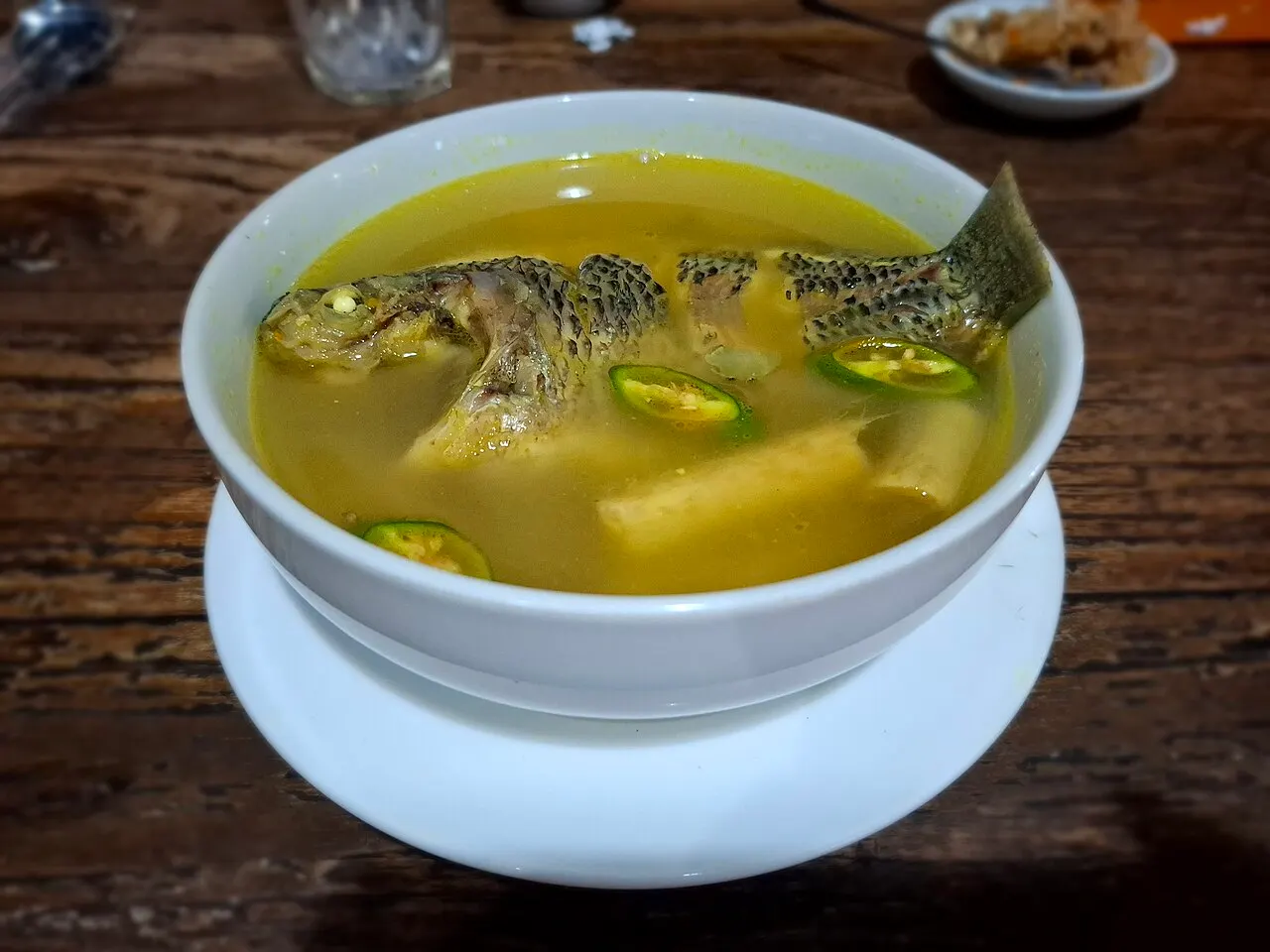
The provincial account describes a combination of savoury, sour and mildly bitter flavours, especially when young rattan is cooked with fish and sour aubergine. The tourism account mentions a springy texture. Those qualities explain why this is more than a neutral vegetable added to a broth.
Turmeric, lemongrass, shallot, garlic or ginger appear in documented preparations. Some cooks use sour aubergine or kedondong leaves for a juhu asem singkah version. These ingredients change the balance, so a sour preparation and a simpler boiled serving offer different introductions to rattan.
Traditional preparation
Young rattan is cleaned and boiled until tender before the dish is completed with seasonings and any fish or meat. The regional description also mentions plain boiled preparations eaten with sambal. Cleaning and choosing the right plant part matter more than assigning one fixed recipe to the name.
Ask the cook which local rattan is used and how the tender part is selected. A food name helps you recognise a dish, but cannot guide the safe identification of a plant in the forest.
Sources & references · 1
Central Kalimantan Provincial Government · Juhu singkah uwei: official regional documentationAt the table
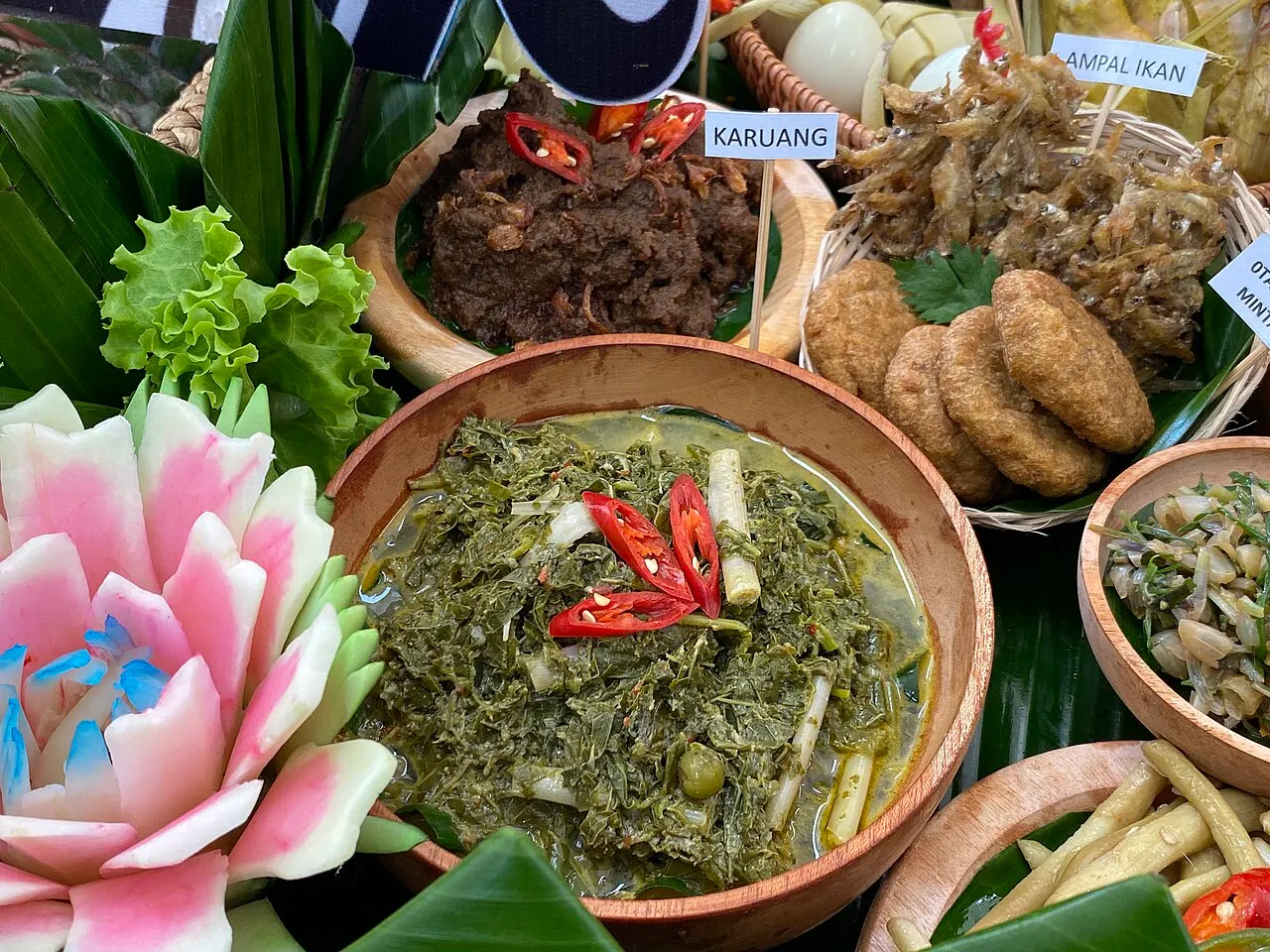
Enjoy the cooked vegetable with rice as part of a Central Kalimantan meal. Fish and meat versions are common in the regional descriptions; a simpler vegetable preparation may also be available. Ask about the broth and sambal if you want a vegetarian serving. Comparing it with Kalumpe / Karuang highlights two different plant parts and textures within the same regional food landscape.