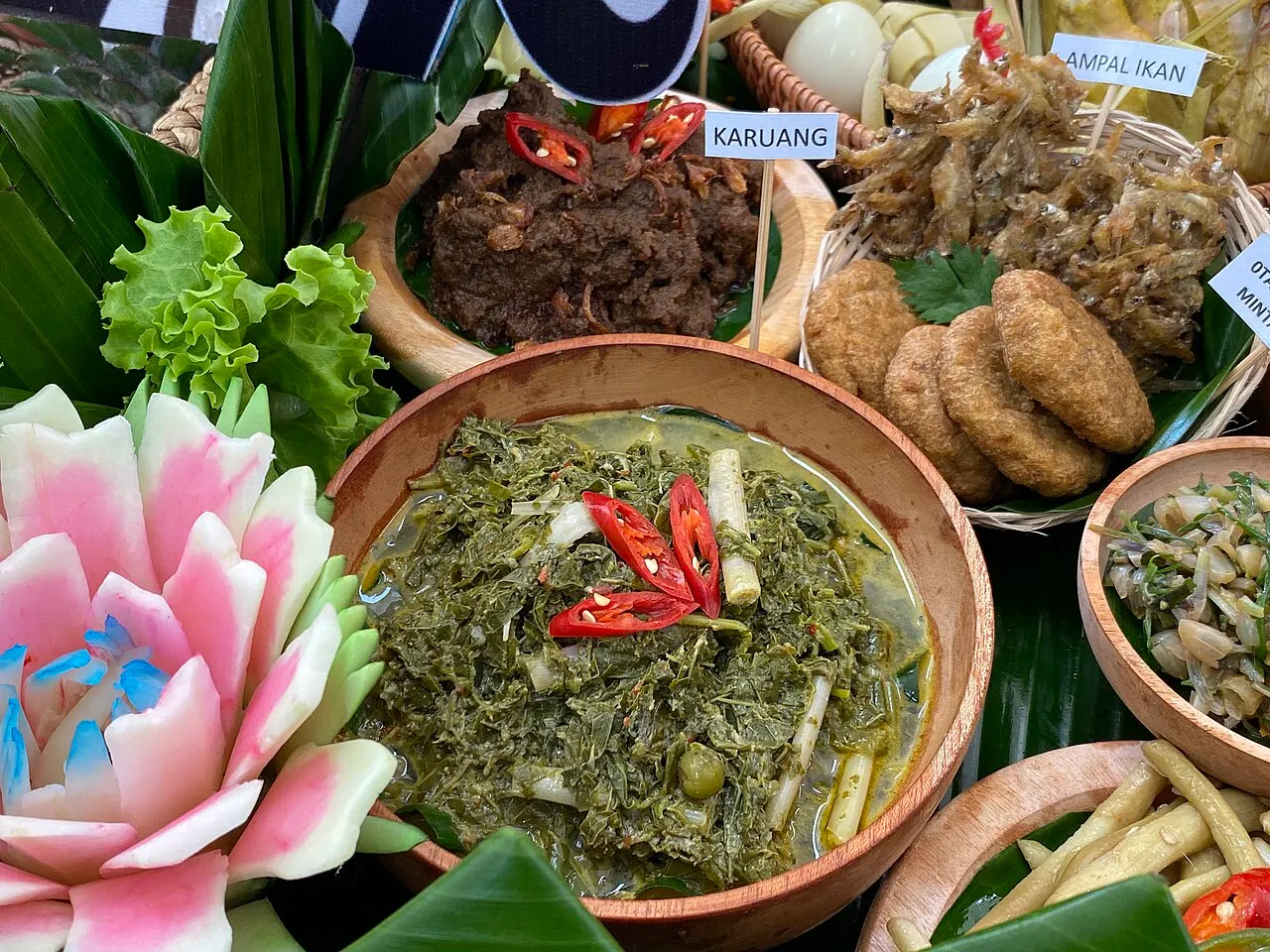
What is Kalumpe / Karuang?
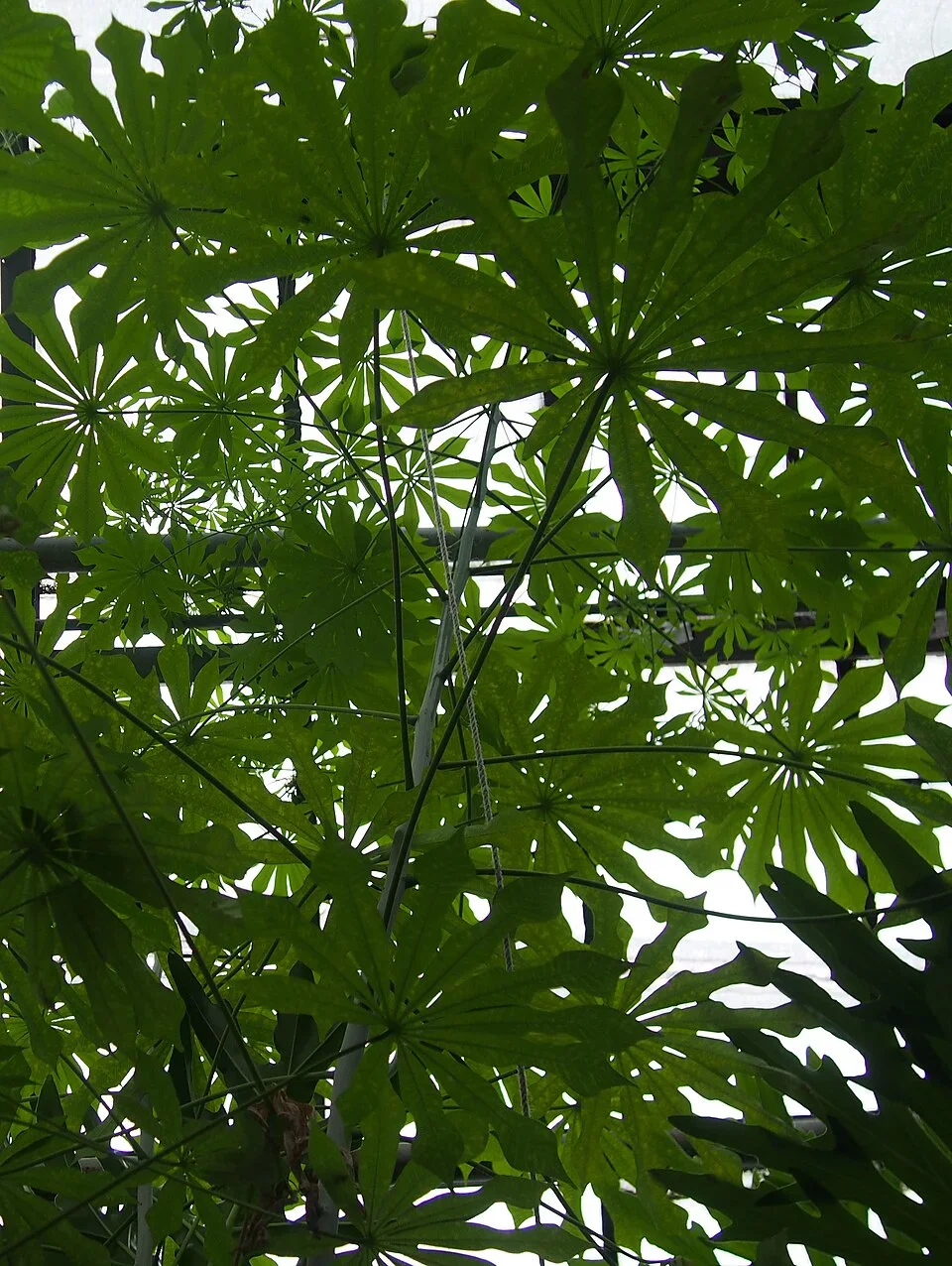
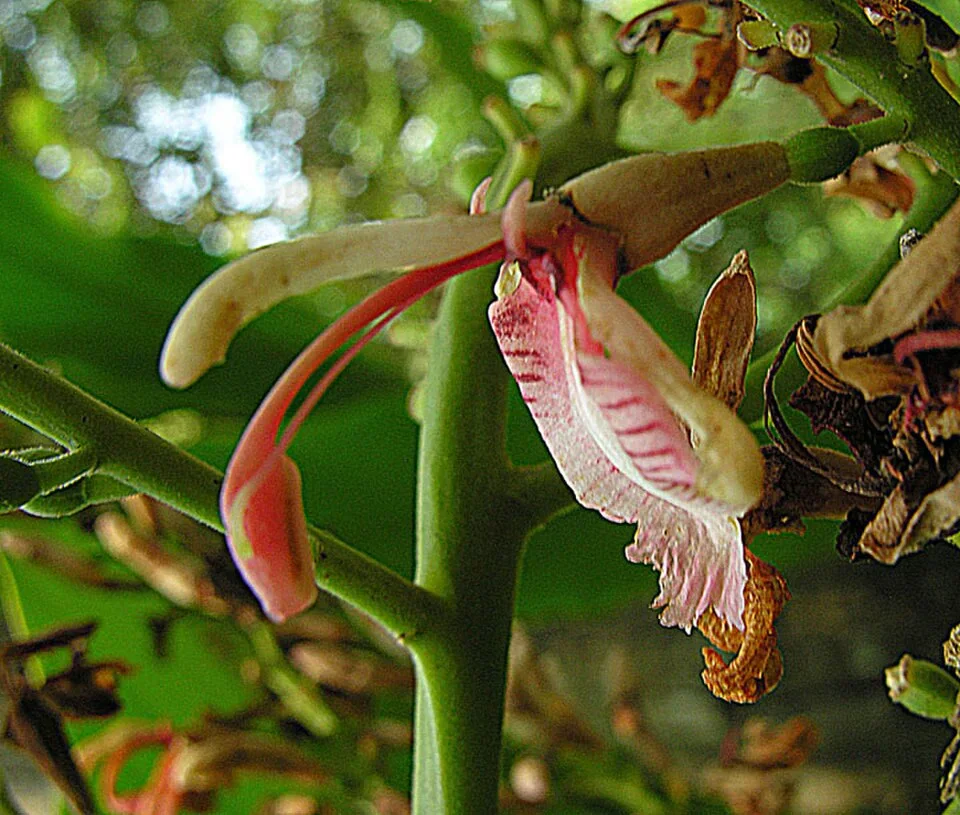
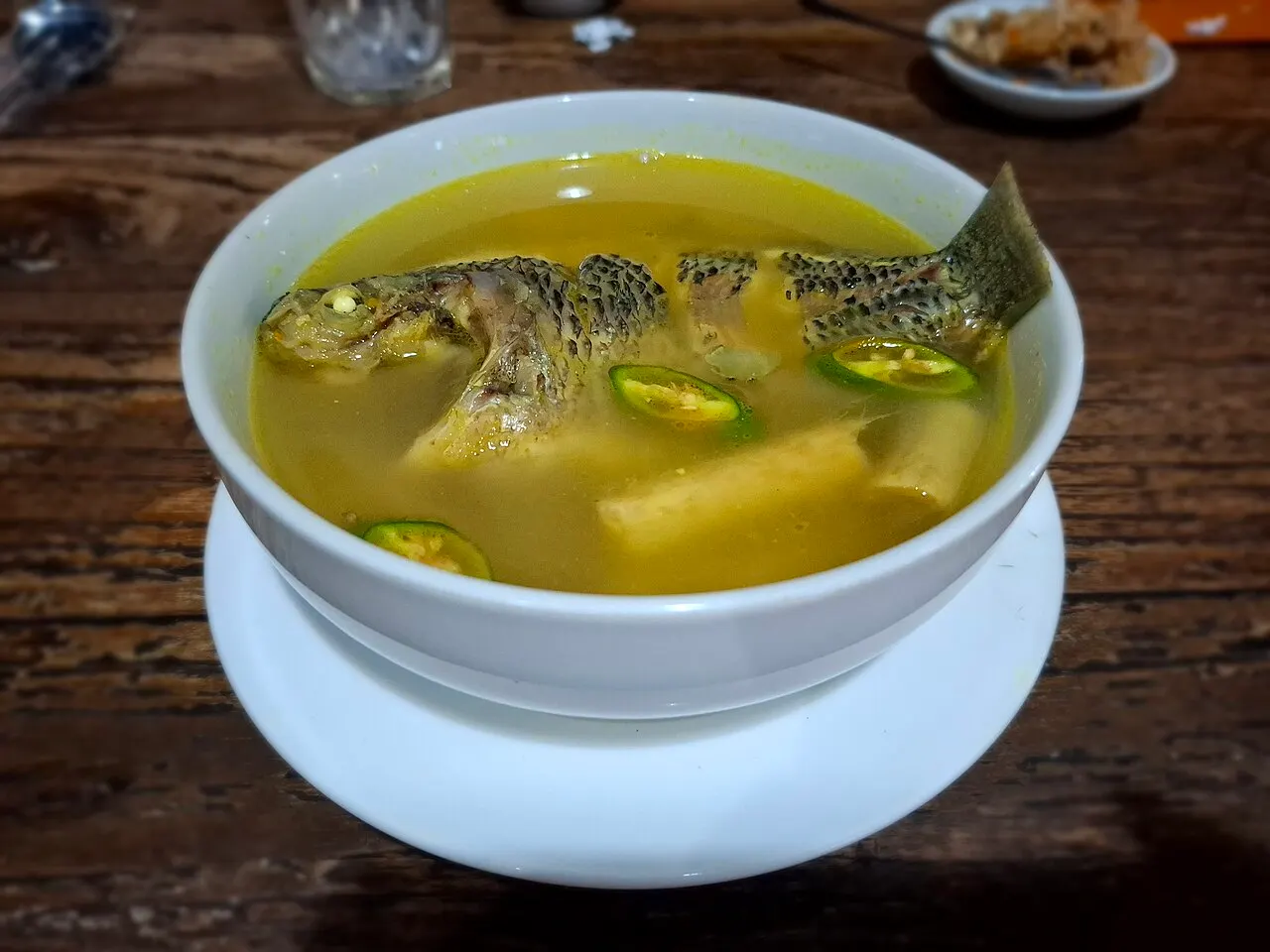
The ingredient that defines kalumpe is the leaf of cassava, not its starchy root. The leaves are worked into a fine mixture before cooking. Instead of large folded leaves on the plate, the finished vegetable has a close, finely divided texture that carries the seasonings through each mouthful. Small aubergines, known locally as terung pipit or tekokak, add another vegetable element.
Kalumpe belongs at a rice meal, alongside other dishes, rather than as a complete meal on its own. Its leafy base is a useful introduction to how familiar cultivated plants have several culinary uses: cassava supplies roots in some foods and leaves in this particular preparation.
Flavour and texture
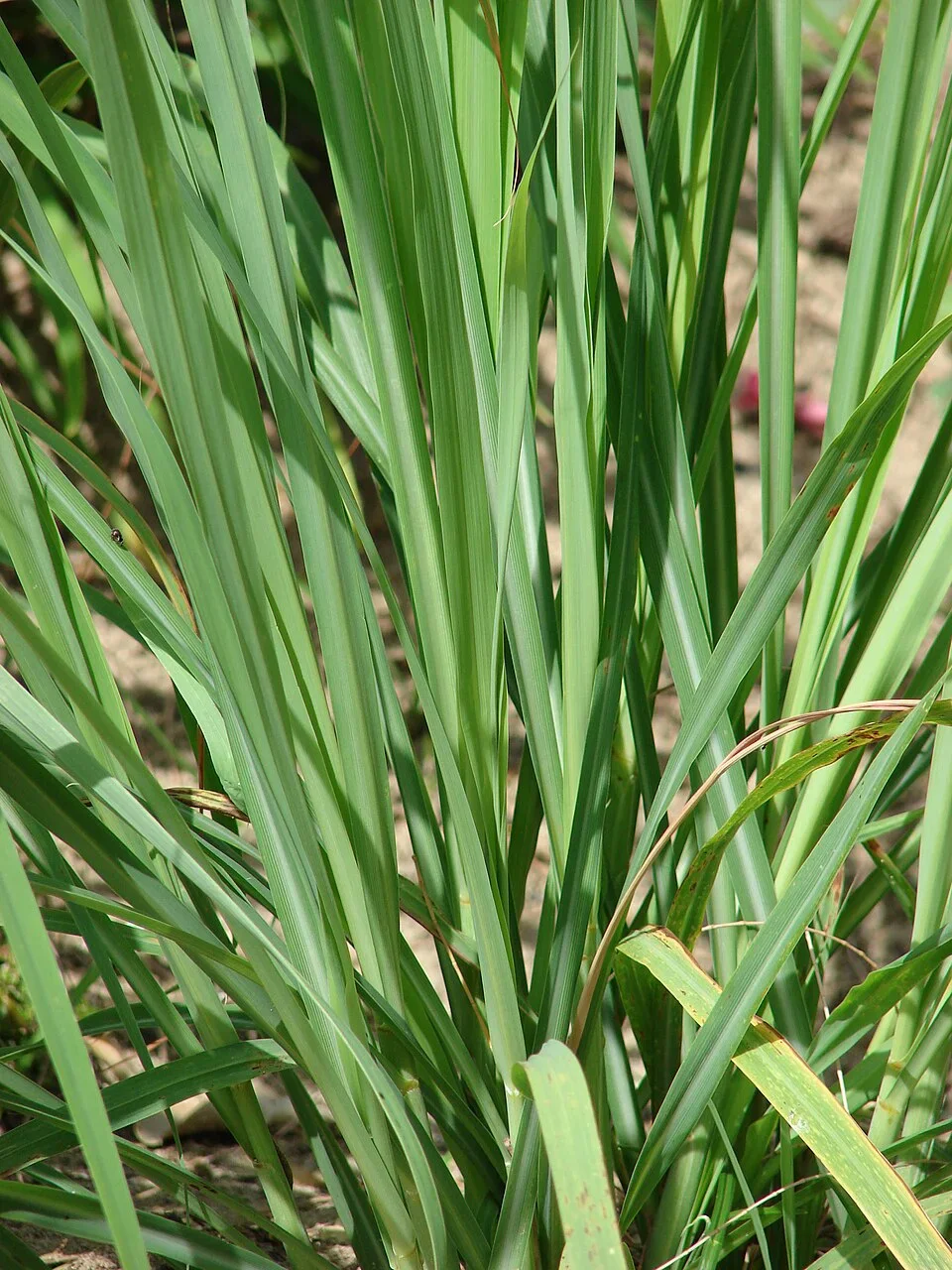
Pounding gives the leaves a softer, more uniform character than a dish made with whole leafy greens. Shallot and garlic provide savoury depth, while lemongrass and galangal bring aromatic contrast. The small aubergines remain a separate ingredient within that leafy mixture.
Chilli may be added during cooking or arrive as sambal at the table. This means the word kalumpe does not specify one heat level. A first taste without extra sambal lets you notice the vegetable and aromatics; adding a little sauce then changes the balance. When shrimp-paste sambal accompanies the dish, the marine savouriness comes from that condiment rather than from the cassava itself.
Traditional preparation
The regional accounts describe pounding cassava leaves with seasonings before cooking. Shallot, garlic, sliced lemongrass and galangal recur in those descriptions, with small aubergines and further seasoning completing the dish. The important technique is the working of the leaves: pounding changes their physical form before heat finishes the preparation.
This is a description of the dish, not a cassava-processing recipe. Traditional cooks bring practical knowledge to choosing and preparing the leaves. The photographed colour or a finely pounded appearance cannot tell a visitor whether the necessary processing has been completed.
Origin and food culture
The two names carry local language traditions. Central Kalimantan’s provincial account uses kalumpe for the Maanyan name and karuang for the Ngaju name. Keeping both visible makes the dish easier to recognise across menus and conversations. Similar leaf preparations can also occur outside these communities.
The cultural connection is strongest when the name is accompanied by a cook’s own account: how their family seasons the leaves, which accompaniments they prefer and what they call the dish. These details make a meal more informative than treating Dayak cooking as a single uniform cuisine.
Sources & references · 1
Central Kalimantan Provincial Government · Kalumpe / Karuang: official regional documentationAt the table
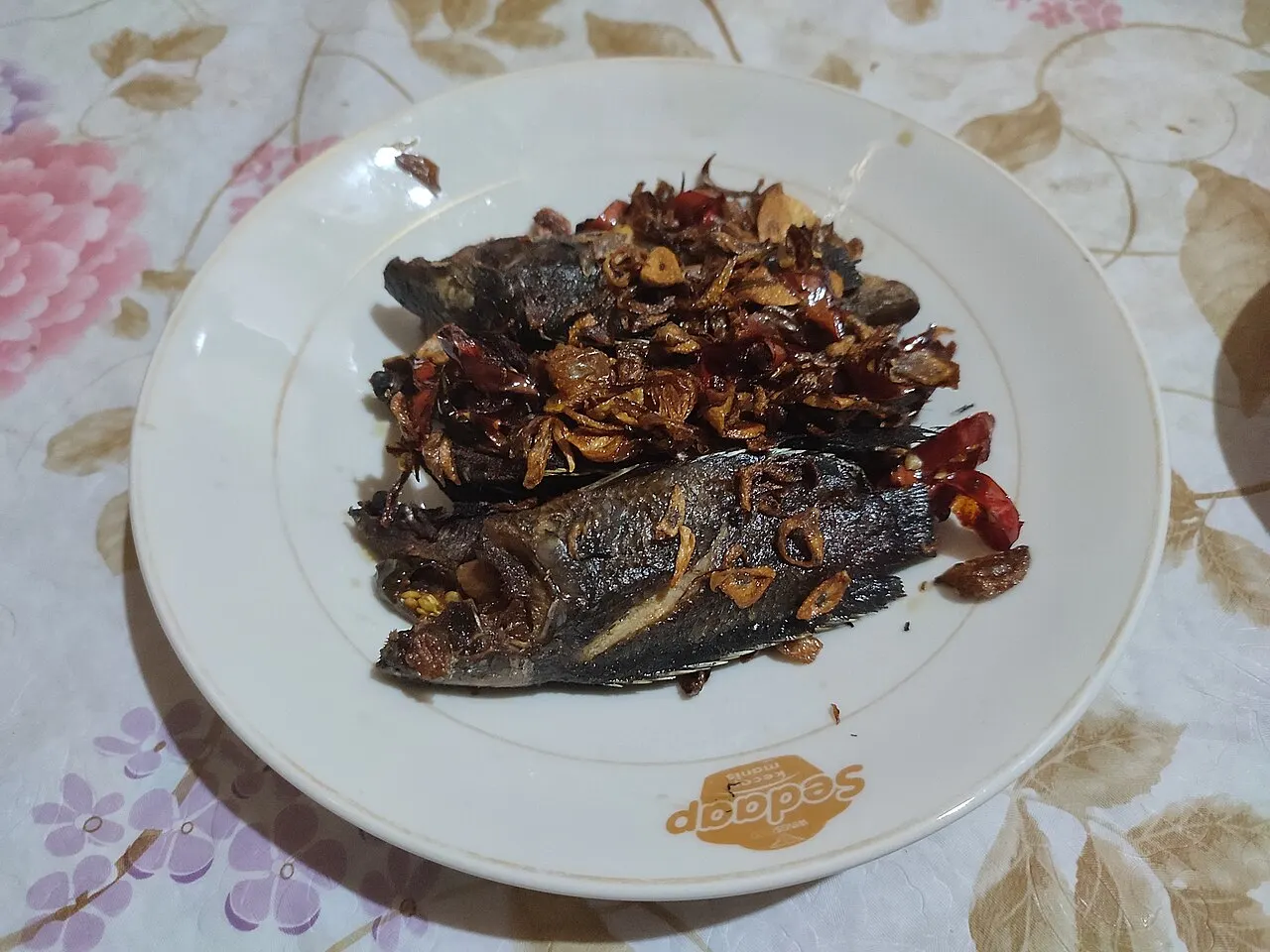
Rice gives the strongly seasoned greens a plain companion. The local tourism account recommends spicy sambal and salted fish; the provincial food account mentions shrimp-paste sambal. Those additions matter to the meal’s character as much as the vegetable itself. Ask whether they are separate, especially if you do not eat fish or shellfish.
In Central Kalimantan, look for either kalumpe or karuang on local menus. Availability depends on the kitchen. Sharing the dish with other regional foods, such as Juhu singkah uwei or Wadi, offers contrasting ingredients and techniques: pounded leaves, tender rattan and fermentation.
Ingredients and food safety
Cassava contains cyanogenic compounds, including in its leaves. Proper processing is essential; raw leaves are not suitable for tasting. Pounding alone is not a safety guarantee. Enjoy kalumpe prepared by someone who knows the ingredient, and do not use this article as a guide to harvesting or detoxifying cassava. For dietary needs, check the cooked vegetable and its sambal and fish accompaniments separately.