Appearance & recognition
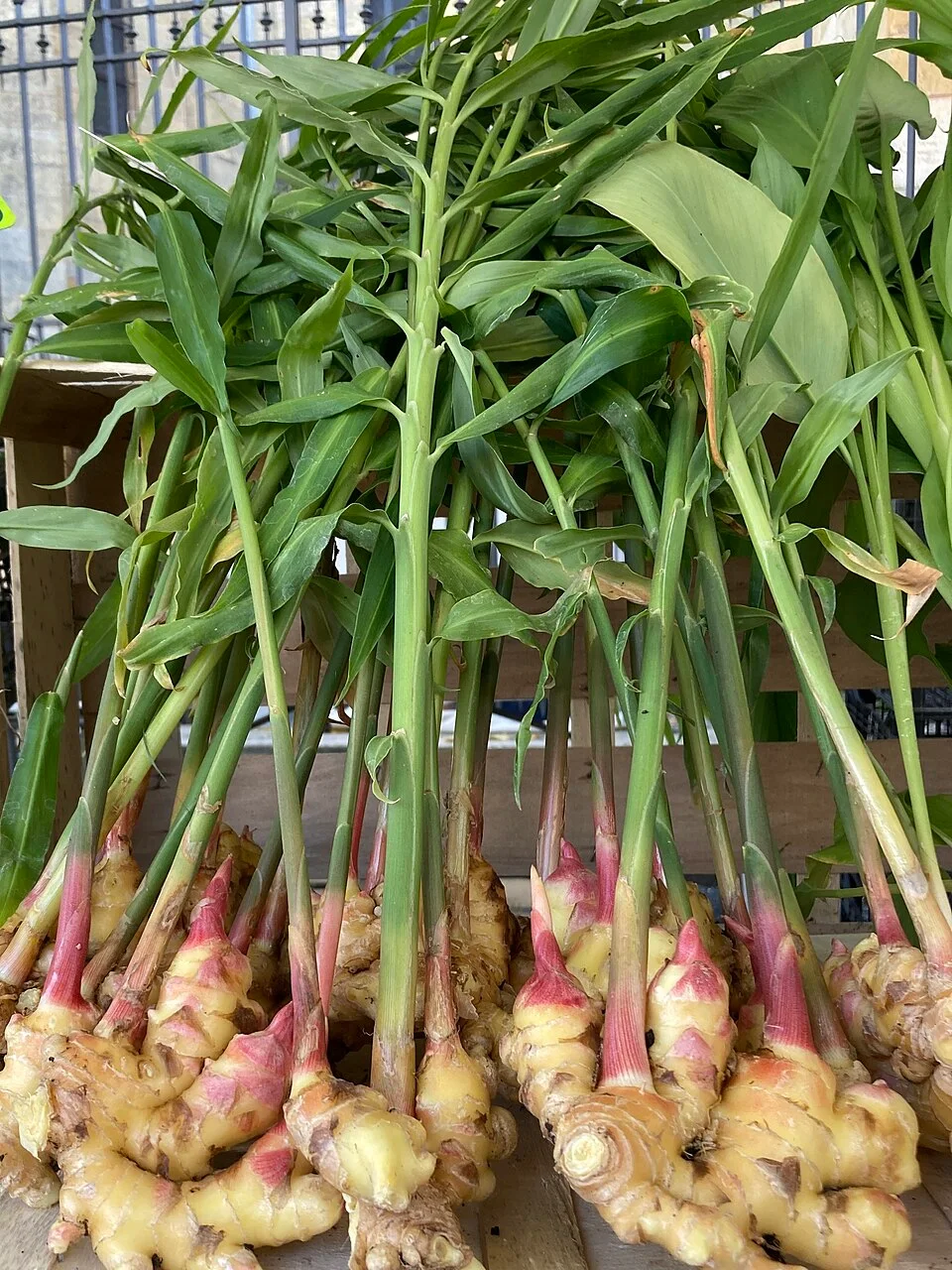
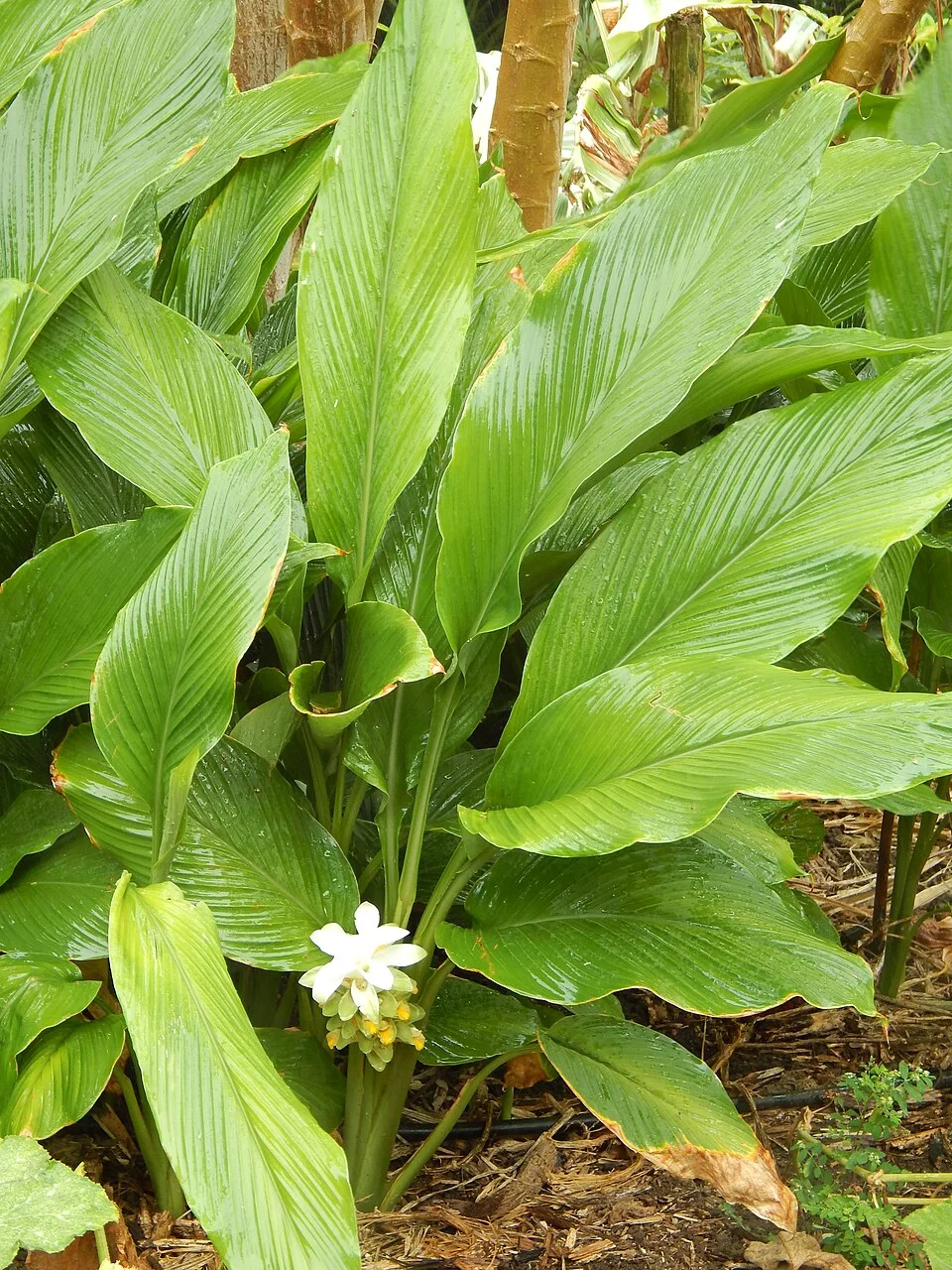
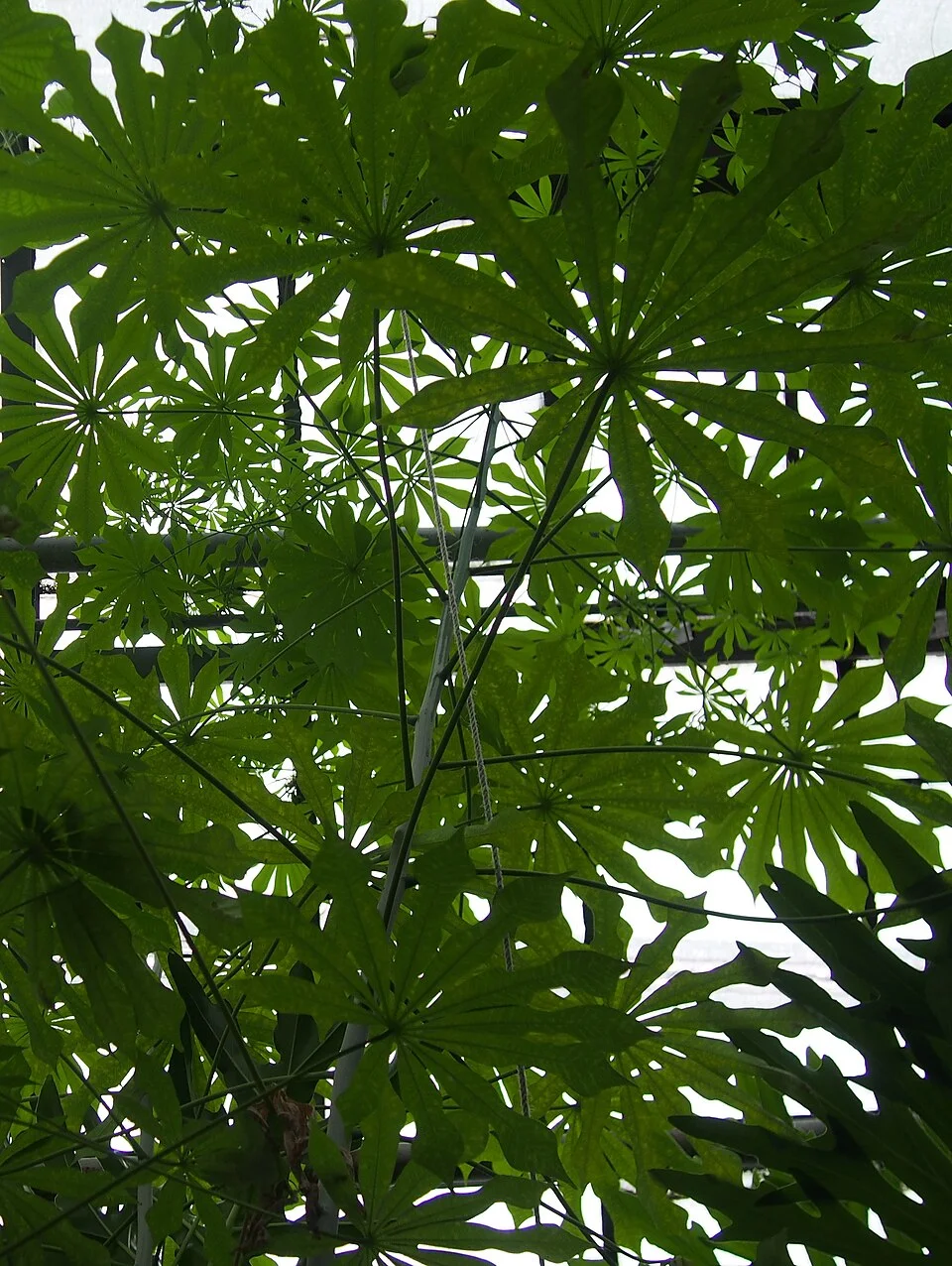
Manihot esculenta belongs to the spurge family, Euphorbiaceae. Its woody stems carry long-stalked leaves divided into narrow, finger-like lobes. A mature shrub can reach about four metres, although cultivation and repeated leaf harvesting influence its shape. The swollen roots below ground store starch; they are roots, unlike the underground stems of ginger and turmeric.
Sources & references · 1
NParks · Manihot esculentaEdible parts, flavour & texture
Prepared storage roots are mild and starchy, with a texture that changes with the variety and preparation. Cassava flour and purified tapioca starch are related products, but they are not the same ingredient. The leaves have a much greener, more vegetable-like character. Pounding them gives a fine texture that works well in a sauce or stew; it does not by itself make them safe to eat.
Sources & references · 1
NParks · Manihot esculentaIn Borneo’s kitchens
In Kalumpe / Karuang, pounded cassava leaves form the body of the dish. The Central Kalimantan source identifies kalumpe as a Maanyan name and karuang as a Ngaju name. Seasoning and accompaniments vary, so the plant relationship concerns the leaves rather than a single fixed recipe. In documented ayam pansuh preparations, cassava leaves also help close the bamboo cooking vessel: an ingredient can have a practical role as well as contribute to a meal.
Sources & references · 2
Disbudpar Kalimantan Tengah · Kalumpe, kuliner daun singkongSarawak Tourism Board · 5 outstanding tribal dishes in SarawakProcessing & safety
Both leaves and roots contain cyanogenic compounds that can release cyanide. Their levels vary between cultivars and plant parts, and correct processing is essential. Neither part should be eaten raw. A sweet taste does not demonstrate safety, and briefly heating an unknown preparation is not a reliable substitute for validated processing. This explains why cassava’s food history always includes knowledge of preparation, rather than simply a list of edible parts.
Sources & references · 2
NParks · Manihot esculentaCentre for Food Safety, Hong Kong · Cyanide poisoning and cassavaGrowing & propagation
Cassava is usually propagated from stem cuttings, keeping the characteristics of the chosen planting material. It grows best with light and well-drained soil and can tolerate dry periods after establishment. Growing for leaves and growing for storage roots are different aims: repeated removal of foliage can reduce the root harvest. On Borneo, gardens and farms explain its presence; its popularity does not make it native or endemic.