Traditional use
Ginger has a long history in traditional medicine for digestive discomfort and other complaints. This records historical use, not a claim that each application is effective. The cited overview is international; it does not identify a particular Dayak community or establish a uniquely Bornean remedy.
Sources & references · 1
NIH National Center for Complementary and Integrative Health · Ginger: usefulness and safetyWhat research tells us
Human research exists, but study quality and outcomes differ. NCCIH finds some support for pregnancy-related nausea; results for motion sickness and other settings are less convincing or uncertain. Most studies test supplements rather than meals, so these findings do not turn a ginger-containing Borneo dish into a treatment.
Sources & references · 1
NIH National Center for Complementary and Integrative Health · Ginger: usefulness and safetyProcessing & safety
Medicinal products can cause digestive side effects and interact with medicines. Discuss supplement use with a clinician, particularly during pregnancy or breastfeeding. This page explains evidence; it gives no dose or treatment plan and does not replace medical advice.
Sources & references · 1
NIH National Center for Complementary and Integrative Health · Ginger: usefulness and safetyIn Borneo’s kitchens
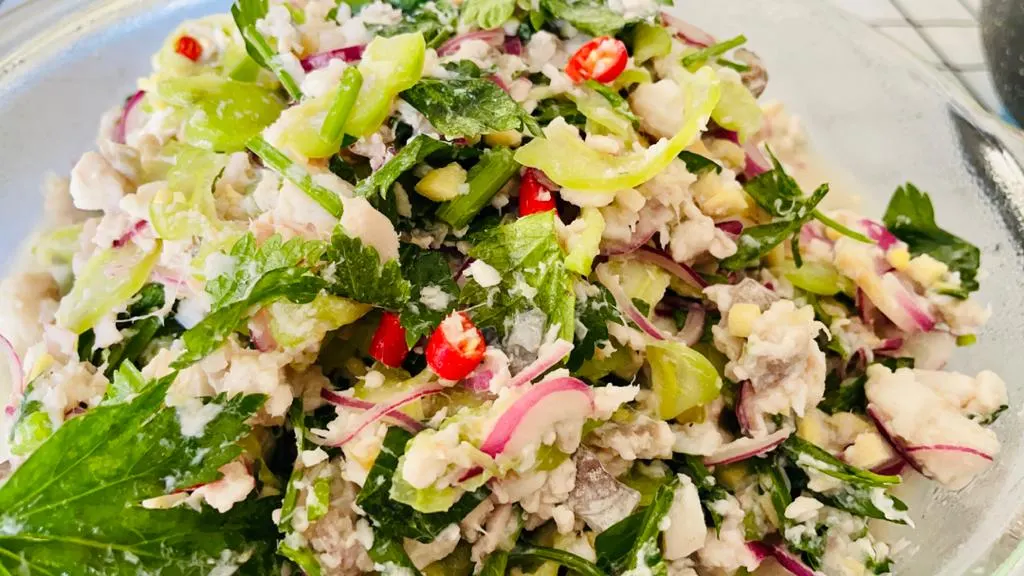
Culinary ginger is one of the aromatics documented in Hinava. Its rhizome supplies flavour; lime-marination describes the dish but must not be mistaken for a method that guarantees raw-fish safety.
Culinary ginger contributes an aromatic ingredient to Ayam pansuh. It flavours the chicken during bamboo cooking; the linked plant page distinguishes its botanical identity and the plant part used.
Sarawak laksa uses ginger rhizome in its aromatic paste.
Sources & references · 3
Sabah Tourism Board · Gastronomical Adventure with Sabah’s Traditional FoodSarawak Tourism Board · 5 outstanding tribal dishes in SarawakSarawak Tourism Board · How to make Sarawak laksaHow the plant grows
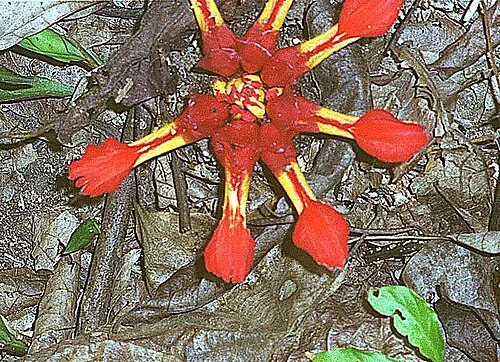
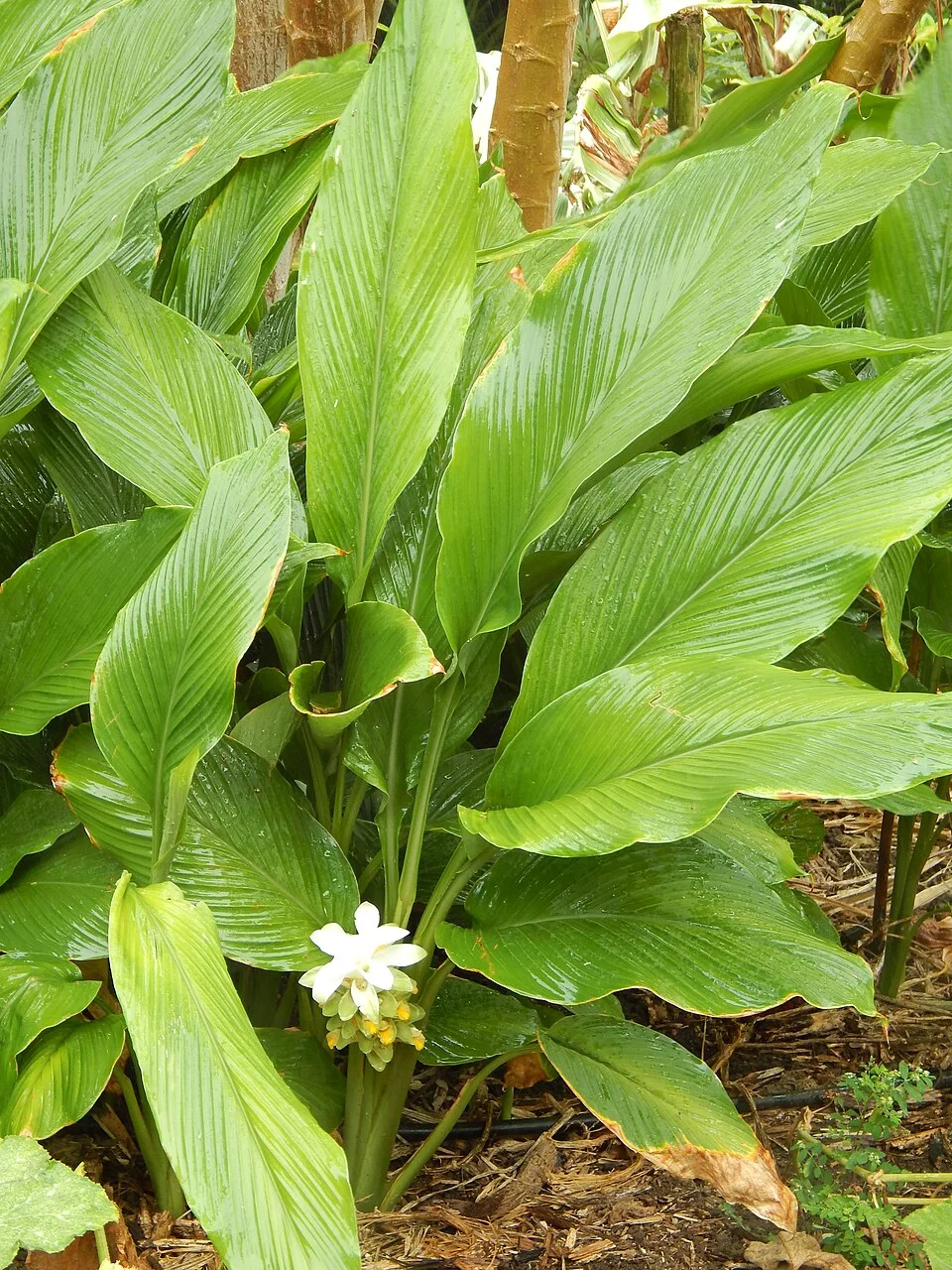
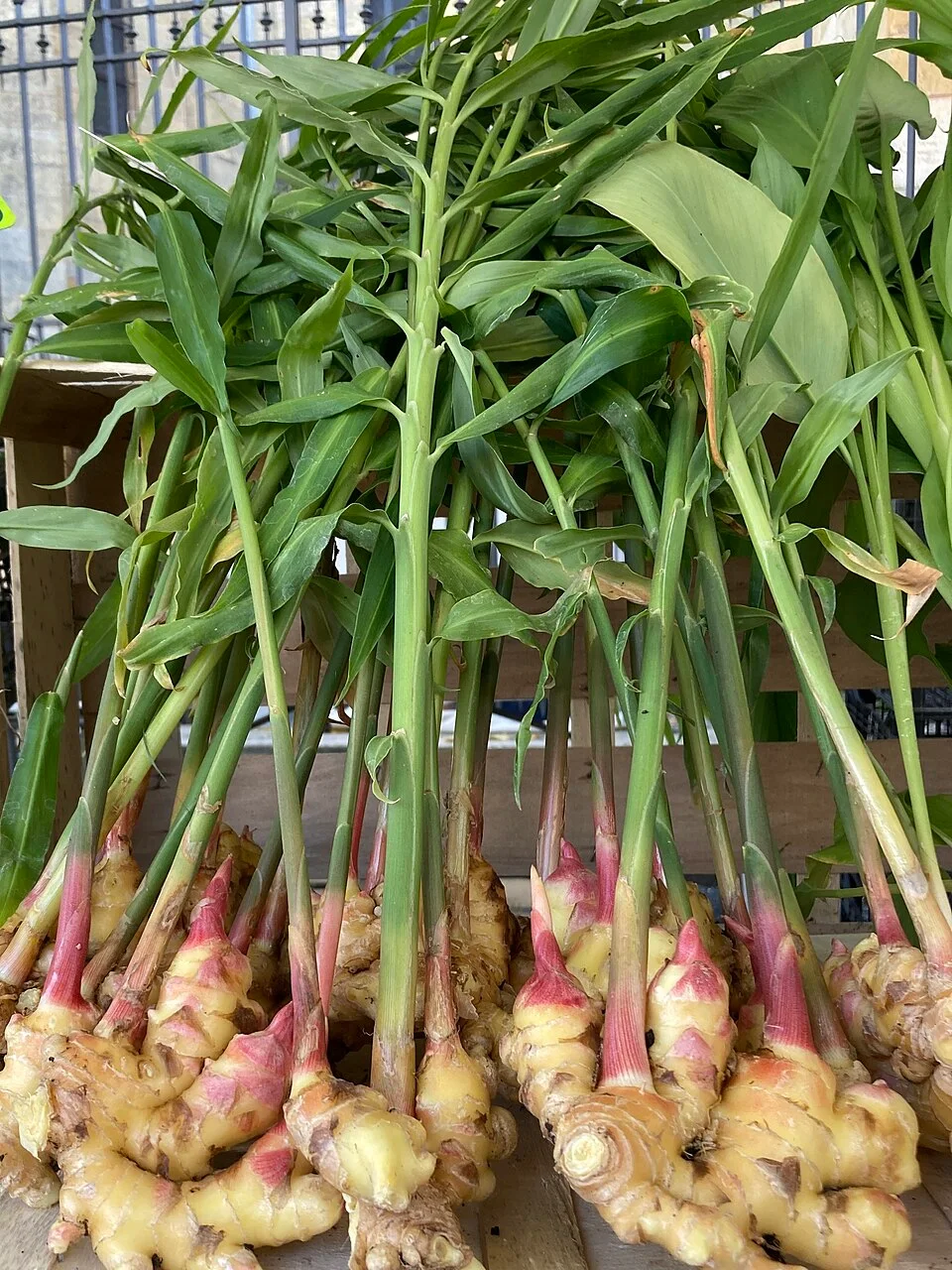
The ginger plant is a perennial herb whose leafy shoots arise from a branching rhizome. That thick underground stem stores reserves and produces new shoots; it is the kitchen ingredient commonly called ginger root. Narrow leaves line the upright shoots, while flowering spikes arise separately. Its relatives turmeric and tuhau belong to Zingiberaceae too, but their used parts and flavours differ.
Sources & references · 1
NParks · Zingiber officinaleEdible parts, flavour & texture
The rhizome supplies pungency, warmth and a fresh aromatic note. Young ginger is less fibrous than older material, and drying changes how its flavour enters a dish. Existing relationships include the seasoning of Hinava and ayam pansuh, not a claim that every local recipe is identical. Kitchen use is best understood separately from the more concentrated products tested in clinical studies.