What is Hinava?
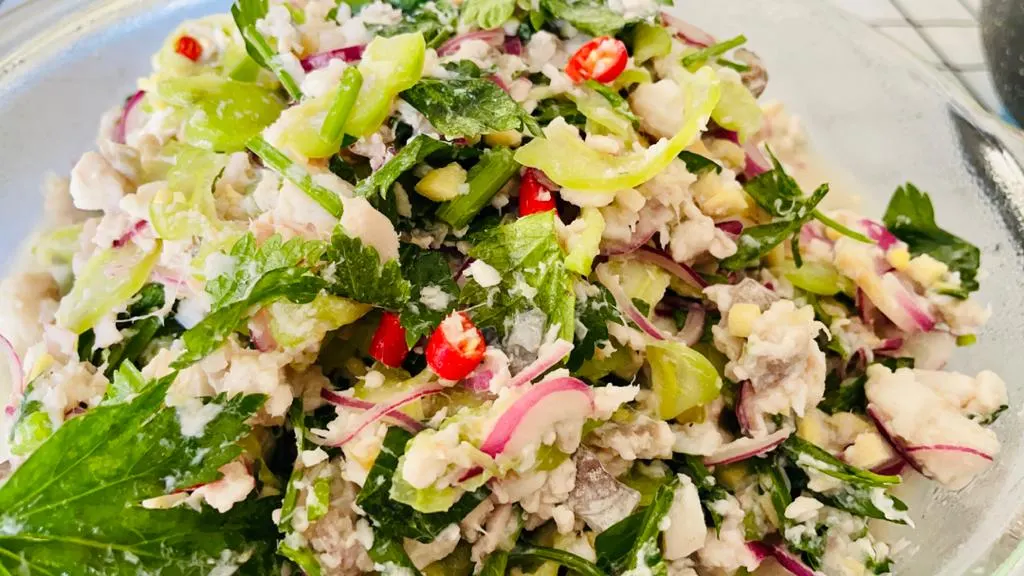
Hinava is closely associated with Kadazandusun food in Sabah. Fish is cut into small pieces and combined with a sour dressing and aromatic ingredients. Tenggiri is a familiar culinary name in descriptions of the fish version, but the name on a menu alone does not identify an exact fish species. Ask which fish the kitchen uses.
The name also covers variation. University research documents hinava ikan alongside vegetable preparations, including bitter gourd. Seeing hinava on a menu is therefore a reason to ask about its ingredients rather than assume every bowl contains the same fish mixture.
Sources & references · 2
Sabah Tourism Board Japanese website · サバ州の先住民族のローカルフードを食べる! (Eat Sabah indigenous local food)Universiti Malaysia Sabah institutional repository · Persepsi dan penerimaan terhadap makanan tradisional Kadazandusun di kalangan penduduk yang menetap di sekitar Kota Kinabalu, SabahFlavour and texture
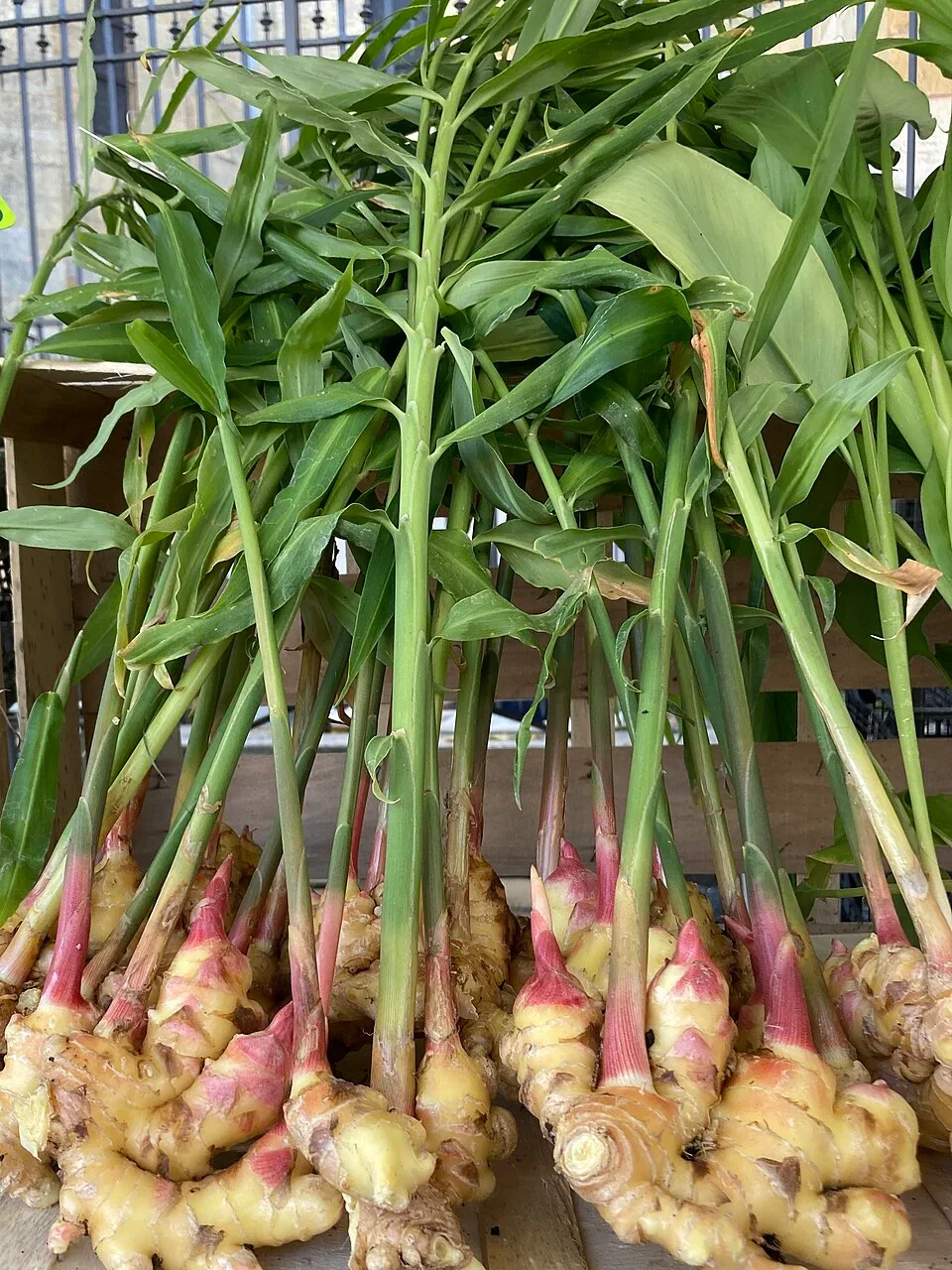
Lime gives the dish a pronounced tang; ginger contributes a warm aroma and sliced onion supplies bite. Chilli can make it lively without obscuring the other ingredients. Bitter gourd appears in some versions, adding its own bitterness and firmer texture. The result feels lighter and sharper than a coconut-rich broth.
Think of hinava as one component of a meal. Plain rice gives its acidity room, while Bambangan and Tuhau condiment introduce different sour or pungent accompaniments. There is no need to pile all the condiments into one mouthful: tasting them separately makes their individual character easier to appreciate.
Ingredients and food safety
Fish hinava is commonly served without heat cooking. Lime changes flavour and texture, but it does not reliably remove the hazards of raw fish. Clean-looking fish and a sharp sour taste are not proof of safety. Choose a kitchen with appropriate seafood handling and ask how the fish has been prepared.
People who are pregnant, older or immunocompromised are advised to avoid raw or undercooked seafood. A fully cooked fish dish such as Pinasakan offers a different way to explore Sabah’s flavours. Vegetable hinava may be another option, but its actual ingredients and preparation still matter.