What is Tuhau condiment?
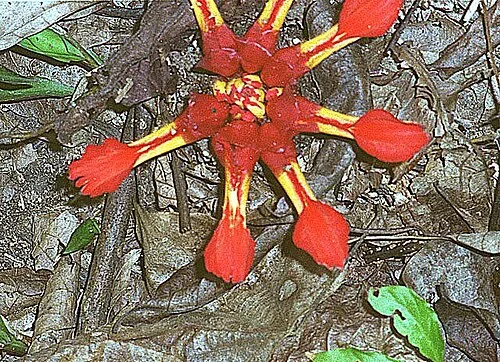
The plant linked here is Etlingera coccinea. Tuhau uses tender shoots, whereas ordinary culinary ginger usually contributes a rhizome. Calling both ingredients ginger should not hide that difference in plant part and flavour.
Tuhau on a food menu can mean the prepared condiment rather than the plant itself. Sabah Tourism describes it both as a side dish and in sambal and chicken preparations. Ask how it is served: a small condiment portion gives a very different introduction from a larger mixed dish.
Flavour and texture
Tuhau is worth approaching as an aromatic condiment. Its pronounced smell can be the first impression, followed by a sharp, distinctive flavour. Pickling adds acidity; a sambal may bring chilli and other savoury ingredients. Heat therefore depends on the preparation, not just the plant.
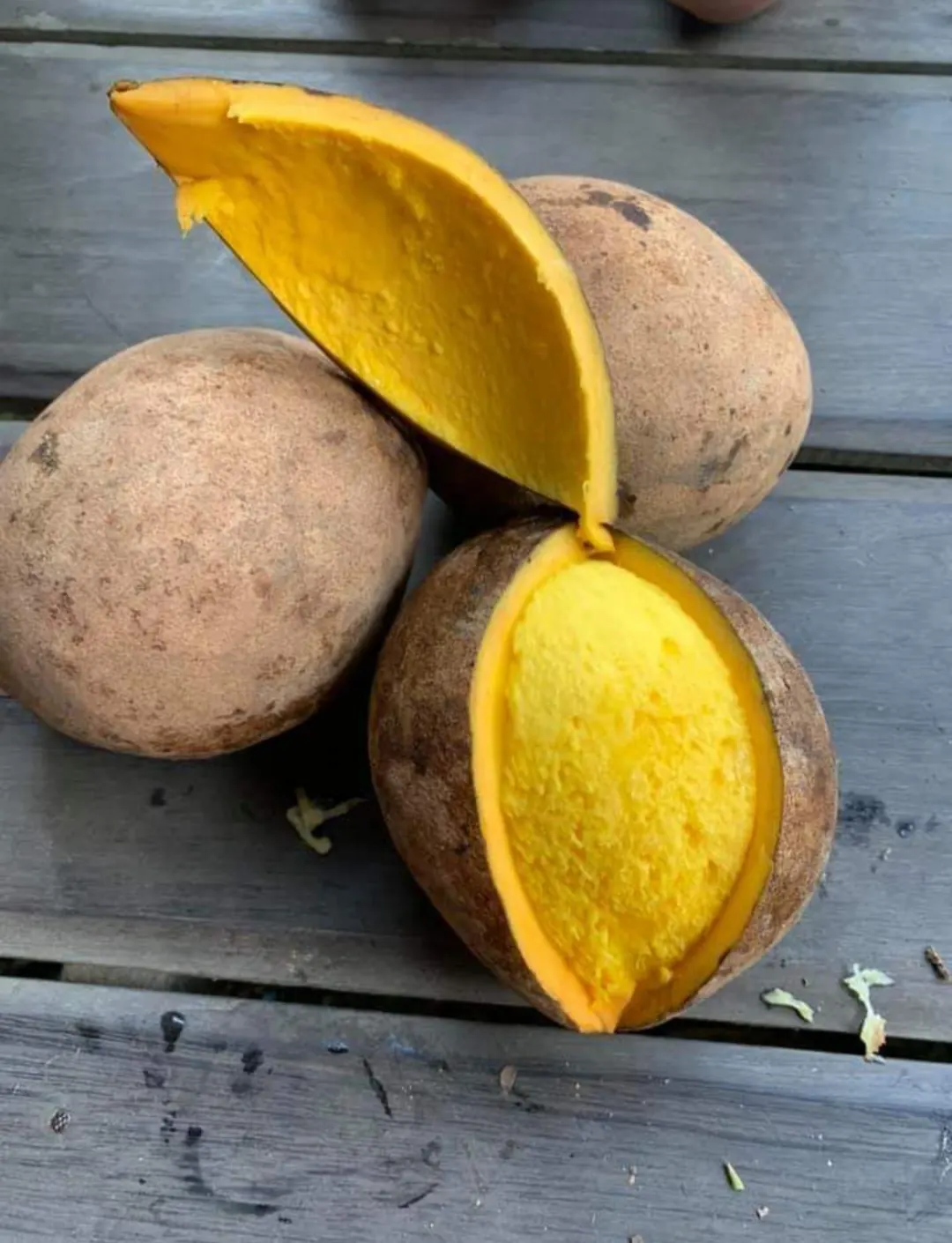
Try a little beside plain rice and then with the accompanying fish or chicken. Bambangan gives a separate fruity-sour accent, while Pinasakan places sourness within a cooked fish dish. These contrasts make a mixed Sabahan meal more interesting than judging any condiment alone.
At the table
A tuhau accompaniment may be served within a restaurant tasting set, while other kitchens work it into sambal or a main dish. Tell the server if you prefer a small first portion or need to avoid an animal-based seasoning. A plant ingredient does not by itself guarantee a vegetarian condiment.
Recognising tuhau as a food is different from identifying a shoot in the forest. Buy prepared food or culinary ingredients from knowledgeable suppliers rather than tasting an unidentified wild ginger.