What is Pinasakan?
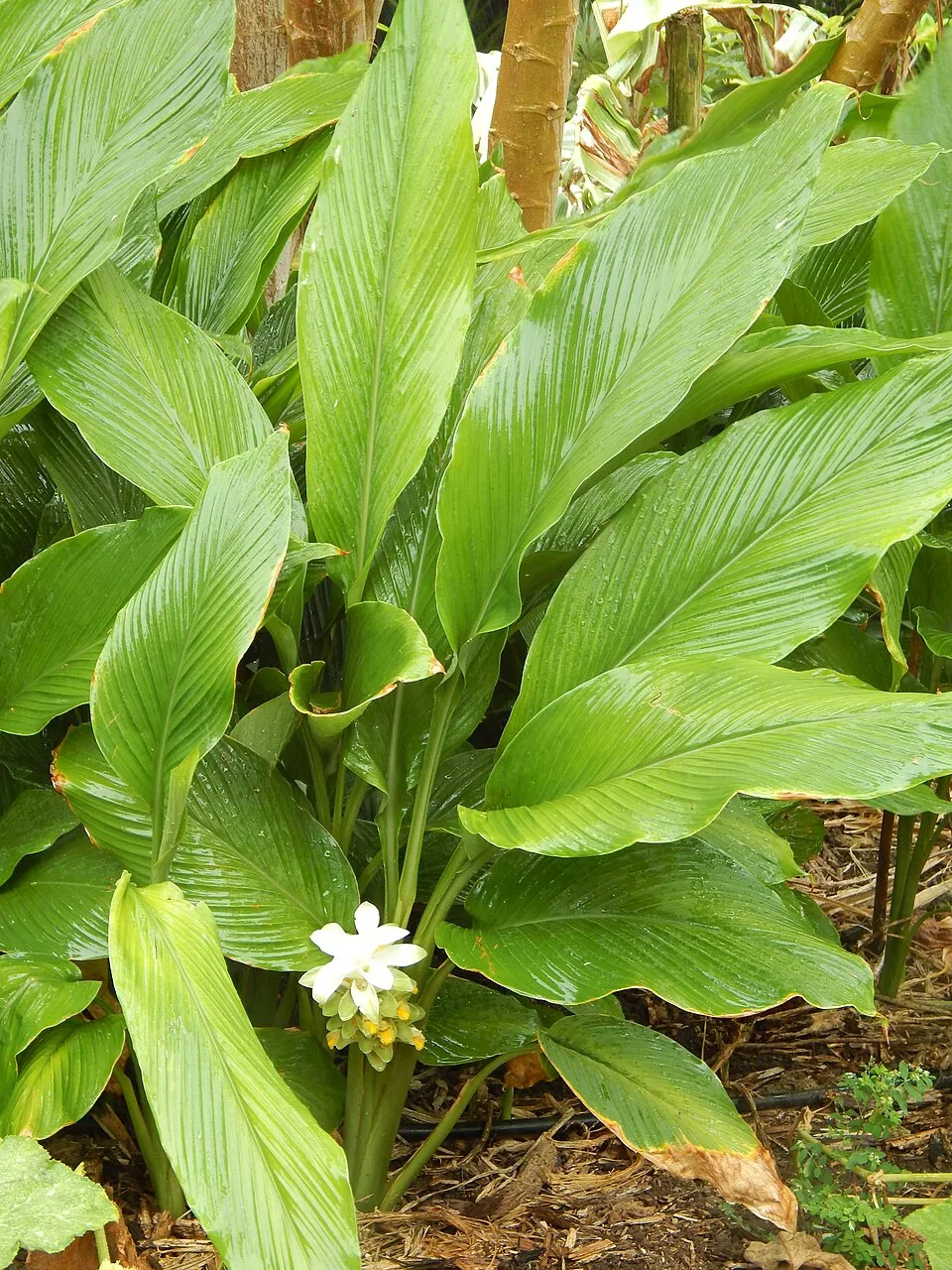
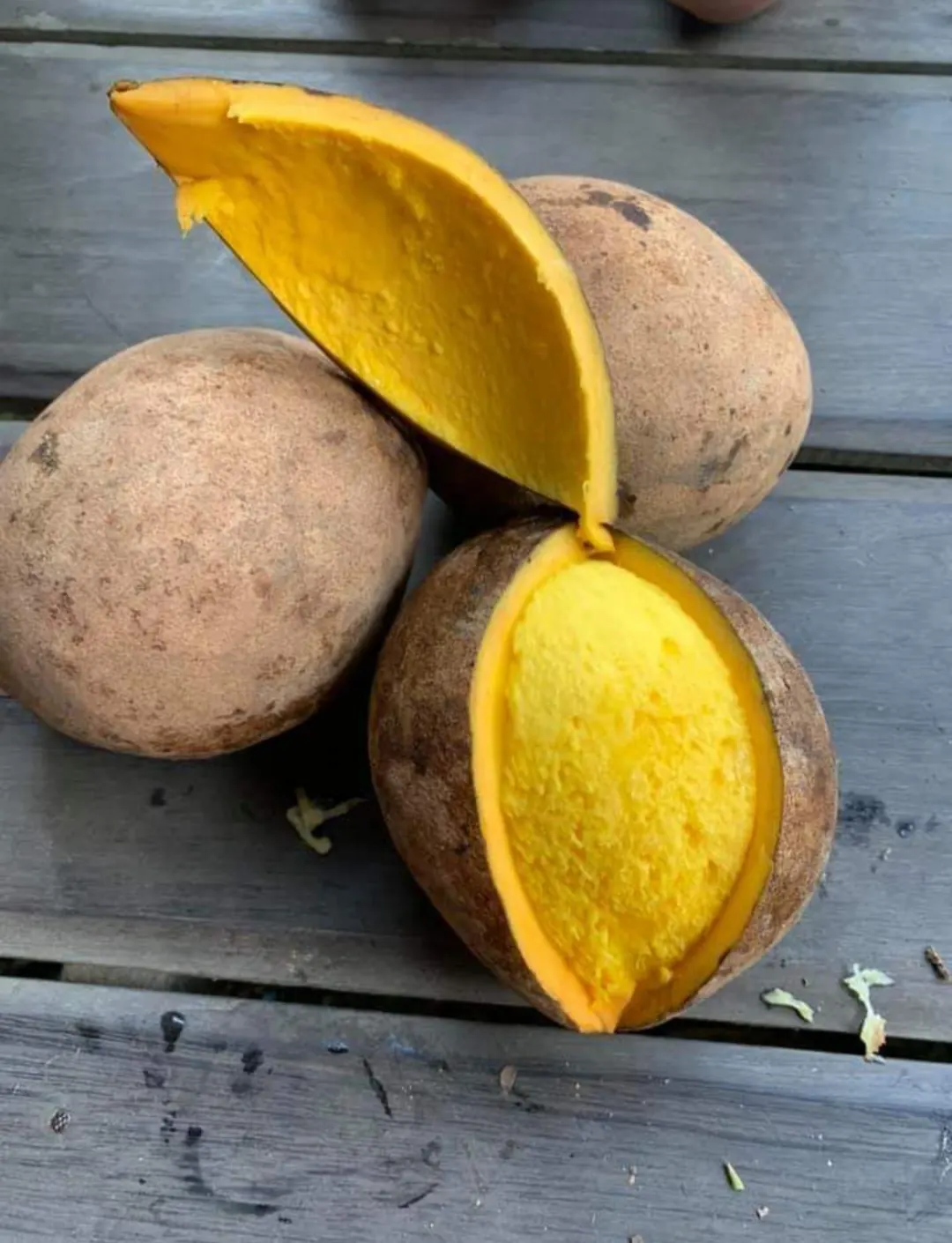
Sabah Tourism describes pinasakan with basung fish, fresh turmeric, salt and souring ingredients such as takob akob or tamarind; bambangan may also appear. The local fish and fruit names matter to the kitchen, but they do not establish scientific identities by themselves. Which souring ingredient is used is a useful question when ordering.
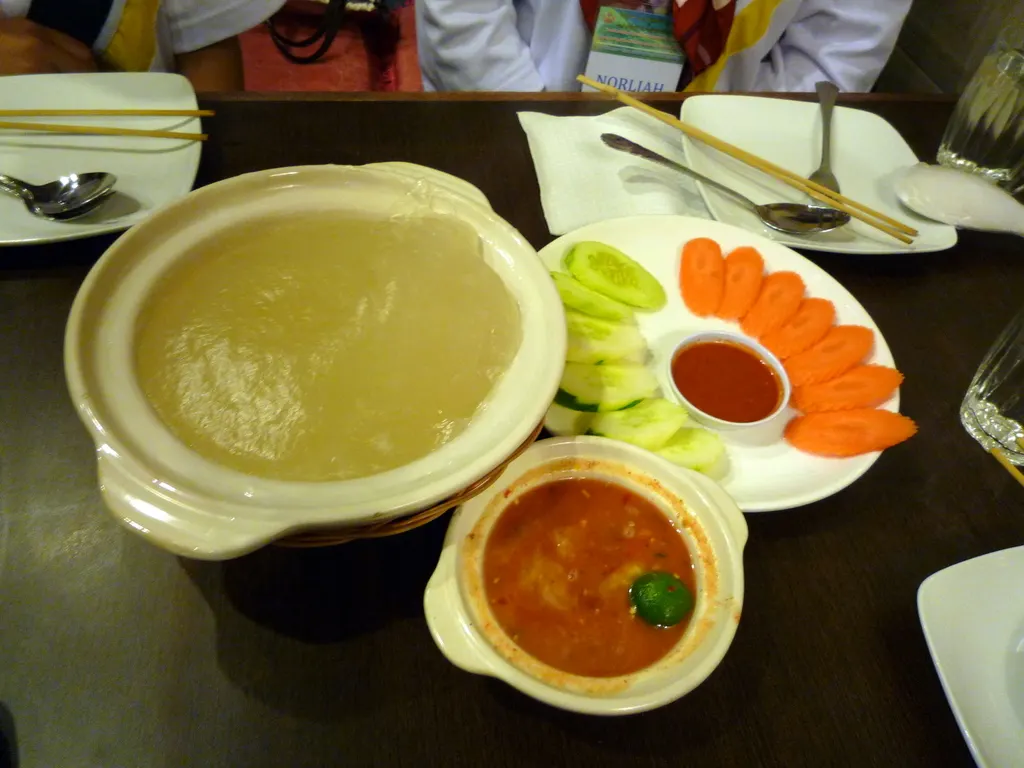
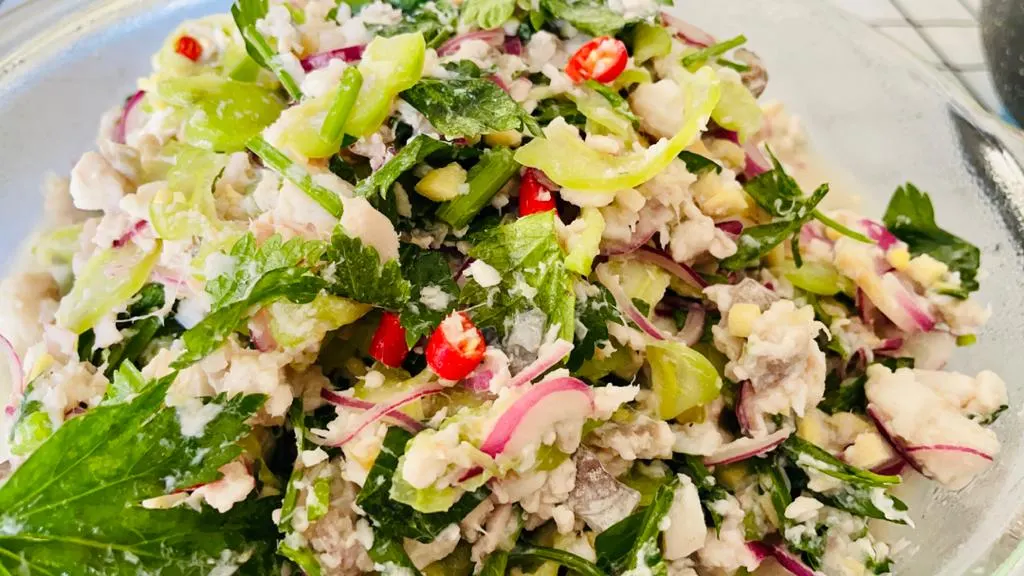
This is cooked fish, distinct from citrus-marinated Hinava. It also differs from a thin soup: reducing the liquid brings the seasoning close to the fish rather than leaving a large bowl of broth.
Sources & references · 1
Sabah Tourism Board · Gastronomical Adventure with Sabah’s Traditional FoodFlavour and texture
The balance is slightly sour and salty, with turmeric supplying colour and earthy aroma. It is not automatically a fiercely hot dish: chilli levels depend on the version and accompaniments. Reduced cooking liquid makes the flavours concentrated, while the fish remains the main substance of the plate.
Plain rice softens the intensity. Ambuyat offers a milder, sticky starch with a contrasting texture. A small side of Tuhau condiment or Bambangan adds another aromatic or sour note, so try the fish first before combining everything.
Sources & references · 1
Sabah Tourism Board · Gastronomical Adventure with Sabah’s Traditional FoodTraditional preparation
Braising brings fish, turmeric, salt and the selected souring ingredient together, then reduces the liquid. The technique matters more to recognising the dish than a fixed list of measurements. Families and restaurants may choose different sour fruits and adjust the seasoning.
Ask for fully cooked fish and check for bones. The tradition is sometimes discussed alongside food preservation, but that does not supply a safe room-temperature storage rule for a modern serving. Follow the kitchen’s food-handling guidance rather than treating sourness as a guarantee of keeping quality.